
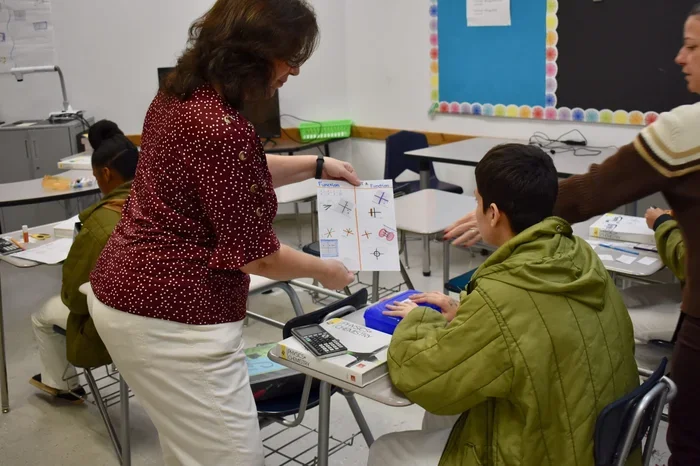
Title I is a federal education program designed to help schools serving low-income students get the resources they need to succeed. It provides funding for supplemental services, teacher support, and academic programs in high-poverty areas. Understanding Title I helps parents, educators, and communities advocate for better educational equity.
Title I in education is one of the most important federal programs in the United States. It aims to close the achievement gap and give every child a fair shot at success. If you have ever wondered how schools in low-income areas get extra help, Title I is the answer. Let us break it all down for you.
Key Takeaways
- Title I is a federal funding program that targets schools with high percentages of low-income students.
- There are two main types: Schoolwide Programs and Targeted Assistance Programs.
- Title I funds support teachers, tutors, technology, and supplemental learning materials.
- Parent involvement is a key requirement under Title I regulations.
- Schools must meet academic standards or face improvement plans and interventions.
- Title I has evolved significantly since its creation in 1965 as part of the Elementary and Secondary Education Act.
- Understanding Title I empowers parents and communities to push for equitable education.
📑 Table of Contents
What Is Title I in Education?
Title I is a federal education program created to provide financial assistance to schools with large populations of disadvantaged students. It is part of the Elementary and Secondary Education Act (ESEA), first signed into law in 1965. The goal is simple but powerful: make sure every child, regardless of income, has access to a quality education.
The program is the largest federal investment in education for K-12 schools in the country. It sends billions of dollars each year to districts that serve high-poverty communities. The money helps pay for things that many schools take for granted, like smaller class sizes, extra tutoring, and modern learning tools.
Title I is not just about giving money. It is about creating educational equity. The program recognizes that some schools face bigger challenges than others. It steps in to level the playing field so that poverty does not define a child’s future.
How Does Title I Funding Work?
Title I funding flows from the federal government to states, and then to local school districts. The amount a school receives depends on the number of low-income families in the area. Census data and free or reduced lunch eligibility are key factors in this calculation.
Districts must use the funds specifically for students who are most at risk of falling behind. This can include hiring additional teachers, offering after-school programs, or purchasing educational materials. Schools must also meet strict reporting requirements to show how the money is being used.
One important thing to know: Title I funds are meant to supplement existing school budgets, not replace them. This means schools must still provide their baseline funding. Title I adds extra resources on top of what is already available.
Types of Title I Programs
Not all Title I programs look the same. There are two main types that schools can operate under. Understanding the difference helps you see how flexibility the program offers.
Schoolwide Programs
A Schoolwide Program is designed for schools where at least 40% of students come from low-income families. These schools can use Title I funds schoolwide. That means the entire student body benefits from the extra resources.
In a Schoolwide Program, the school has more flexibility in how it spends the money. It does not need to target only specific students. Instead, it can upgrade the entire educational program. This might mean investing in teacher training, new curriculum materials, or technology upgrades for all students.
Schoolwide Programs work best when the whole school community comes together. They focus on improving instruction for everyone, not just those who qualify for free or reduced lunch.
Targeted Assistance Programs
A Targeted Assistance Program is for schools where less than 40% of students qualify as low-income. In these cases, Title I funds are directed only to specific students who are most at risk of academic failure.
Schools identify eligible students based on multiple criteria. These can include test scores, teacher recommendations, and socioeconomic factors. The program then provides focused support to those students through tutoring, small group instruction, or extended learning time.
Targeted Assistance Programs require more careful tracking. Schools must document exactly how each funded student is benefiting. This ensures accountability and helps measure the program’s impact.
Why Title I Matters So Much
The importance of Title I cannot be overstated. It touches the lives of millions of students across the country every single day. Here is why it matters so much.
Closing the Achievement Gap
One of the biggest challenges in American education is the achievement gap between students from different income levels. Title I directly addresses this gap by providing resources to schools that need them most.
Without Title I, many high-poverty schools would struggle to offer basic educational opportunities. Students might not have access to qualified teachers, up-to-date textbooks, or technology. The program helps bridge that divide and gives every child a fighting chance.
Supporting Teachers and Staff
Title I funding helps schools hire additional teachers and support staff. This leads to smaller class sizes, which research shows improves student outcomes. Teachers also receive professional development funded by Title I, helping them stay effective in the classroom.
Many schools use Title I money to bring in reading specialists and math coaches. These professionals work directly with students who are struggling. They also help classroom teachers improve their instructional methods.
Boosting Academic Achievement
Studies have shown that Title I programs lead to measurable improvements in academic achievement. Students in Title I schools often see gains in reading and math scores over time. The key is consistent, well-implemented support over multiple years.
Supplemental services like after-school tutoring and summer learning programs play a big role. These extra hours of instruction give students the practice they need to master difficult concepts. They also help prevent the summer learning loss that disproportionately affects low-income students.
Encouraging Parent Involvement
Title I requires schools to involve parents in the educational process. This is not just a nice idea. It is a core part of the program. Schools must hold meetings, send communications home, and create opportunities for families to engage.
Research shows that parent involvement is one of the strongest predictors of student success. When parents are actively engaged, students attend school more regularly, behave better, and perform higher academically. Title I helps schools build these critical partnerships.
Common Challenges with Title I
While Title I is a powerful tool, it is not without its challenges. Understanding these issues helps us appreciate the complexity of the program.
Funding Inequities
Not all Title I schools receive the same amount of funding. Wealthier districts often have additional local funding sources that supplement federal money. High-poverty schools may rely almost entirely on Title I, creating an uneven playing field.
This is why many education advocates push for more equitable funding formulas. The idea is to direct more resources to the schools that need them most, rather than relying on local property taxes.
Bureaucratic Requirements
Title I comes with a lot of paperwork and reporting requirements. Schools must track student progress, document fund usage, and meet annual benchmarks. For some small schools, this administrative burden can be overwhelming.
However, these requirements exist for a reason. They ensure accountability and transparency. The challenge is finding ways to reduce the burden without losing oversight.
Staying Effective Over Time
Schools that receive Title I funds must show improvement over time. If a school fails to meet academic standards for several years, it enters a school improvement process. This can lead to restructuring, staff changes, or other major interventions.
The pressure to show results is real. But it also drives schools to continuously evaluate their strategies and find what works best for their students. This ongoing cycle of assessment and adjustment is at the heart of effective Title I implementation.
How Title I Has Evolved Over the Years
Title I has changed a lot since its beginnings. Understanding its history gives you a clearer picture of where it stands today.
The program started as part of President Lyndon B. Johnson’s War on Poverty. The idea was to use education as a tool to break the cycle of poverty. Over the decades, Congress has reauthorized and updated the program multiple times. Each reauthorization brought new goals and adjustments.
Today, Title I operates under the Every Student Succeeds Act (ESSA), which replaced No Child Left Behind in 2015. ESSA gave states more flexibility in how they use Title I funds. It also shifted the focus from standardized testing to a broader measure of school quality.
The evolution of Title I shows how the nation’s approach to educational reform has grown. The program continues to adapt to meet the changing needs of students and communities.
Comparing Title I Past and Present
| Aspect | Early Title I (1965-2000) | Modern Title I (2015-Present) |
|---|---|---|
| Primary Focus | Remedial reading and math support | Holistic school improvement |
| Accountability | Based on test scores | Multiple measures of success |
| Parent Involvement | Limited requirements | Strong emphasis on engagement |
| Funding Flexibility | Highly restricted | More flexibility under ESSA |
| Target Population | Low-income students only | All students in high-poverty schools |
As you can see, the program has grown from a narrow remedial effort into a comprehensive tool for school improvement. This growth reflects our evolving understanding of what it takes to educate all students effectively.
Tips for Parents and Educators
Whether you are a parent or an educator, there are things you can do to make the most of Title I resources. Here are some practical tips.
- Learn your school’s Title I status. Find out if your school operates a Schoolwide or Targeted Assistance Program. This knowledge helps you understand what resources are available.
- Attend parent meetings. Title I schools are required to hold parent engagement events. Show up and ask questions. Your voice matters.
- Review the school’s Title I plan. Every Title I school has a written plan that outlines how funds will be used. Read it carefully and share your feedback.
- Advocate for transparency. Push for clear communication about how Title I dollars are spent in your school. Transparency builds trust and improves outcomes.
- Use available supplemental services. If your school offers tutoring or after-school programs funded by Title I, take advantage of them. These services are there for your child.
When parents and educators work together, Title I becomes even more effective. The program is designed to be a partnership, not just a funding stream.
Related Language Resources for Educators
Teaching students about language and communication is an important part of education. For educators looking to build vocabulary and expression, there are many helpful tools available. Check out these resources on similes for education to make learning fun and engaging. You might also explore metaphors for education to help students understand deeper meanings in texts. Another great option is to use idioms for education to build students’ conversational fluency and cultural understanding. These language tools complement the academic support that Title I provides.
Final Thoughts
Title I in education is more than just a funding program. It is a commitment to fairness, opportunity, and the belief that every child deserves a chance to succeed. The program has helped millions of students over the past six decades, and it continues to evolve to meet new challenges.
Understanding Title I empowers you as a parent, educator, or community member. You can advocate for better resources, hold schools accountable, and support the students who need it most. Educational equity is not just a goal. It is a responsibility we all share.
The next time you hear about Title I, remember what it really represents. It is hope. It is investment in our future. And it is proof that when we come together, we can create better opportunities for every child.
Frequently Asked Questions
What does Title I mean in education?
Title I is a federal program that provides funding to schools with high percentages of low-income students. The goal is to ensure these students receive the support they need to meet academic standards and succeed in school.
How does a school qualify for Title I funding?
Schools typically qualify based on the percentage of students eligible for free or reduced lunch. Schools with at least 40% low-income students can operate a Schoolwide Program. Those below 40% may run a Targeted Assistance Program.
Can Title I funds be used for anything?
No, Title I funds must be used to support the academic needs of disadvantaged students. This includes hiring teachers, providing tutoring, purchasing instructional materials, and offering professional development for staff.
What is the difference between Schoolwide and Targeted Assistance Programs?
Schoolwide Programs serve all students in high-poverty schools and have more flexibility in spending. Targeted Assistance Programs focus only on specific students who are most at risk and require more detailed documentation of how funds are used.
How has Title I changed over the years?
Title I has evolved from a narrow remedial program into a comprehensive school improvement initiative. Modern Title I operates under the Every Student Succeeds Act, which emphasizes multiple measures of success and greater state flexibility.
Why is parent involvement important in Title I?
Research shows that parent involvement strongly improves student outcomes. Title I requires schools to engage families through meetings, communication, and decision-making opportunities. This partnership helps ensure students get the support they need both at school and at home.
=== CONCLUSION ===
Title I in education remains one of the most impactful federal programs for American students. It delivers critical resources to schools that serve the most vulnerable communities. From funding teachers and tutors to encouraging parent involvement, the program addresses the root causes of educational inequality.
While challenges remain, the program’s evolution shows a nation committed to educational equity. Every reauthorization brings new opportunities to improve and better serve students. Parents, educators, and policymakers all have a role to play in ensuring Title I reaches its full potential.
If you care about the future of education, take the time to understand Title I. Know how it works, advocate for its resources, and support the schools that depend on it. Together, we can make sure every child has the chance to learn, grow, and thrive.


