
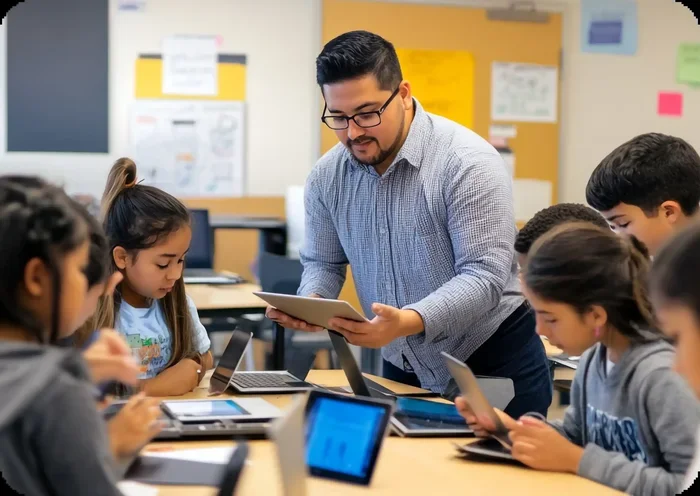
Technology in education refers to the use of digital tools, software, and devices to enhance learning experiences in classrooms and beyond. It has reshaped how students learn and how teachers deliver lessons, making education more accessible, engaging, and personalized. From smart boards to online platforms, educational technology is changing the face of learning for millions of students worldwide.
Key Takeaways
- Technology in education makes learning more interactive and accessible for all students.
- Digital tools like learning management systems and tablets boost student engagement and participation.
- Integrating technology into classrooms requires proper teacher training and support.
- Edtech tools help personalize learning, letting students progress at their own pace.
- Challenges like screen time and the digital divide need thoughtful solutions.
- The future of technology in education looks bright with AI, VR, and adaptive learning on the rise.
📑 Table of Contents
- What Does Technology in Education Mean?
- The Evolution of Technology in the Classroom
- Key Benefits of Technology in Education
- Popular Technology Tools Used in Education
- Common Challenges and How to Overcome Them
- The Future of Technology in Education
- Quick Tips for Teachers Using Technology
- Conclusion
What Does Technology in Education Mean?
So, what is technology in education, really? At its core, it means using digital tools and resources to support and improve learning. This includes everything from laptops and tablets to software apps, online platforms, and smart classroom boards.
Think about it. Twenty years ago, a classroom had a chalkboard and a stack of textbooks. Today, many students carry a powerful computer in their backpacks. That shift is not just about fancy gadgets. It is about creating better ways for students to understand ideas, practice skills, and connect with the world around them.
Technology in education also covers the methods teachers use to deliver lessons. For example, a teacher might use a video to explain a science concept. Or students might collaborate on a project using a shared online document. These are all forms of educational technology.
The goal is simple. Use tools that make learning easier, more fun, and more effective. When done right, technology integration in the classroom helps students build skills they will need for the rest of their lives.
Why the Definition Matters
Understanding the definition of technology in education helps us see it as more than just screens. It is a whole approach to teaching and learning. It involves planning, training, and thoughtful choices about which tools work best for each lesson.
When schools get this right, amazing things happen. Students stay more focused. Teachers can tailor lessons to individual needs. And parents can stay involved in their child’s learning journey.
The Evolution of Technology in the Classroom
The journey of technology in education has been nothing short of remarkable. Let us take a quick walk down memory lane to see how far we have come.
In the 1980s, the first computers started appearing in schools. They were huge, slow, and expensive. But they opened a door. Teachers began showing students how to type, use basic software, and explore simple programs.
By the 2000s, the internet changed everything. Suddenly, students could access information from anywhere. Online education started to grow. Schools began using projectors and smart boards to make lessons more visual and engaging.
Today, we live in a world where digital learning is the norm, not the exception. Students use tablets, attend virtual classes, and learn through interactive apps. The rise of blended learning — a mix of in-person and online instruction — has only accelerated since 2020.
Key Milestones in EdTech History
- 1980s: First computers enter classrooms. Basic typing and software programs are introduced.
- 1990s: The internet becomes available in schools. Early websites and email become learning tools.
- 2000s: Smart boards, projectors, and learning management systems become common.
- 2010s: Tablets and 1-to-1 device programs spread across schools worldwide.
- 2020s: Remote learning surges. AI-powered tools and virtual reality enter the education space.
Each step forward has built on the last. And the pace of change keeps accelerating. Schools that embrace technology integration early tend to see the biggest gains in student engagement and learning outcomes.
Key Benefits of Technology in Education
Why does technology in education matter so much? The benefits are clear and well-documented. Let us break them down.
1. Personalized Learning
Every student learns differently. Some grasp concepts quickly. Others need more time and practice. Educational technology tools allow teachers to tailor lessons to each student’s pace and style.
For example, adaptive learning software can adjust the difficulty of a math quiz based on how a student performs. If a student struggles with fractions, the program offers extra practice. If they excel, it moves them ahead. This kind of personalized learning was nearly impossible before technology stepped in.
2. Increased Engagement
Let us be honest. Sitting and listening to a lecture for an hour can be tough. But what if that same lesson came alive with a video, an interactive quiz, or a virtual field trip? That is the power of tech-enhanced learning.
Students who use interactive learning tools tend to stay more focused. They participate more. And they remember more of what they learn. Games, simulations, and multimedia content turn passive learners into active participants.
You might also hear teachers use similes for education when explaining tech concepts — comparing a tablet to a library, for instance. Similarly, idioms for education like “the sky is the limit” capture the endless possibilities that digital learning opens up. And when we describe how technology changes the learning landscape, metaphors for technology help paint a vivid picture of transformation.
3. Better Collaboration
Technology breaks down walls. Students can work together on projects even when they are not in the same room. Tools like shared documents, video calls, and online forums make teamwork seamless.
This is especially valuable for group projects and remote learning. Students learn real-world skills like communication, problem-solving, and digital collaboration. These skills matter far beyond the classroom.
4. Access to a World of Resources
Before the internet, students were limited to what their textbooks and local libraries offered. Today, a student with a device can explore museums, universities, and research labs from around the world — all from their desk.
Online education platforms offer free courses from top universities. YouTube tutorials explain complex topics in minutes. Open-source textbooks save families hundreds of dollars. The access is incredible.
Popular Technology Tools Used in Education
The world of edtech is vast. But some tools stand out as favorites among teachers and students alike. Here are some of the most popular ones.
Learning Management Systems (LMS)
Platforms like Google Classroom, Canvas, and Moodle help teachers organize lessons, assign homework, and track grades. They serve as a central hub for everything happening in a course. Students know exactly where to find assignments, and parents can check progress easily.
Tablets and Chromebooks
Many schools now use tablets or Chromebooks as primary learning devices. These tools give students access to textbooks, apps, and research tools right at their fingertips. They are lightweight, affordable, and easy to manage in a classroom setting.
Interactive Whiteboards
Smart boards have replaced old chalkboards in many classrooms. Teachers can display videos, run interactive quizzes, and let students come up to the board to solve problems. These tools make lessons more dynamic and hands-on.
Educational Apps and Software
From language-learning apps like Duolingo to math tools like Khan Academy, educational software covers nearly every subject. These apps use game-like features to keep students motivated and coming back for more.
Virtual and Augmented Reality
VR and AR are still relatively new in schools, but they are gaining fast. Imagine a history lesson where students can “walk” through ancient Rome. Or a biology class where they can explore the human heart in 3D. Immersive learning like this makes abstract ideas feel real.
AI-Powered Tutoring
Artificial intelligence is making its way into classrooms. AI tutors can answer student questions, provide instant feedback, and identify areas where a student needs extra help. This kind of adaptive learning is a game-changer for personalized education.
Common Challenges and How to Overcome Them
Technology in education is not without its hurdles. Let us look at the most common challenges and what schools can do about them.
The Digital Divide
Not every student has access to a device or reliable internet at home. This gap, known as the digital divide, can put some students at a disadvantage. Schools and governments are working to bridge this gap by providing devices and expanding broadband access in rural and underserved areas.
Screen Time Concerns
Parents and teachers worry about too much screen time. The key is balance. Schools should mix digital tools with hands-on activities, group discussions, and outdoor learning. Technology should enhance learning, not replace it entirely.
Teacher Training
Even the best tools fail if teachers do not know how to use them. Proper training and ongoing support are essential. Schools should invest in professional development so teachers feel confident and comfortable with classroom technology.
Keeping Students Safe Online
When students go online, their safety matters. Schools need strong policies for data privacy, cyberbullying prevention, and content filtering. Teaching digital literacy — the ability to use technology safely and responsibly — should be part of every curriculum.
Cost and Budget Constraints
Not every school has a big budget for tech. But there are affordable options. Many education technology tools offer free versions or discounts for schools. Grants and partnerships with tech companies can also help fund digital transformation in education.
The Future of Technology in Education
What comes next for technology in education? The future is exciting and full of possibility.
Artificial intelligence will continue to play a bigger role. Imagine AI tutors that know exactly what each student needs and adjust in real time. Adaptive learning platforms will become even smarter and more responsive.
Virtual reality will let students take field trips to the moon, dive into the ocean, or visit historical landmarks — all without leaving the classroom. Immersive learning experiences will make education more memorable and impactful.
Gamification — using game design in learning — will grow too. Students will earn badges, complete quests, and level up as they master new skills. This approach makes learning feel like play, which is exactly what it should be.
One thing is clear. Technology in education is not a trend that will fade. It is a fundamental shift in how we teach and learn. Schools that embrace it now will prepare students best for the future.
What Schools Can Do Right Now
- Start small. Pick one or two tools and build from there.
- Invest in teacher training so staff feel confident using new tools.
- Gather feedback from students and parents to understand what works.
- Focus on digital literacy as a core skill for every grade level.
- Stay flexible. Technology changes fast, and schools need to adapt.
Quick Tips for Teachers Using Technology
- Start with learning goals. Do not pick a tool just because it is new. Ask yourself: what do I want students to learn?
- Keep it simple. The best tools are easy to use. Avoid overwhelming yourself and your students with too many platforms.
- Mix digital and traditional methods. A balanced approach keeps things fresh and effective.
- Test tools before sharing them. Try new apps or platforms yourself first so you can guide students smoothly.
- Encourage creativity. Let students use technology to create — not just consume. Podcasts, videos, and digital posters are great examples.
Conclusion
Technology in education has come a long way, and its impact is undeniable. From personalized learning to global collaboration, digital tools are transforming classrooms in powerful ways. The benefits — better engagement, improved learning outcomes, and greater access — make a strong case for continued investment in educational technology.
Of course, challenges remain. The digital divide, screen time concerns, and the need for teacher training all require attention. But with thoughtful planning and a commitment to balance, schools can overcome these obstacles.
The bottom line is this. Technology in education is not about replacing teachers or eliminating textbooks. It is about enhancing the learning experience and giving every student the best possible chance to succeed. As tools continue to evolve, one thing stays the same: the goal is to help students learn, grow, and thrive in a rapidly changing world.
Whether you are a teacher, a parent, or a student, now is the time to embrace technology integration in education. The future belongs to those who are ready to learn, adapt, and innovate.
Frequently Asked Questions
What is the role of technology in education?
The role of technology in education is to support and enhance learning through digital tools. It helps teachers deliver lessons more effectively and gives students access to a wider range of resources and interactive experiences.
How does technology improve student learning outcomes?
Technology integration improves outcomes by enabling personalized learning, increasing engagement, and providing instant feedback. Students can learn at their own pace and revisit materials as needed, which leads to better retention and understanding.
What are some examples of technology in the classroom?
Common examples include smart boards, tablets, learning management systems like Google Classroom, educational apps like Khan Academy, and virtual reality headsets. Each tool serves a different purpose but all aim to make learning more interactive and effective.
Is too much technology bad for students?
Balance is key. While digital learning offers many benefits, too much screen time can cause fatigue and reduce face-to-face interaction. Schools should mix technology with hands-on activities and traditional teaching methods for the best results.
What is the digital divide in education?
The digital divide refers to the gap between students who have access to technology and those who do not. This can be based on income, location, or infrastructure. Bridging this gap is essential for ensuring equal educational opportunities for all students.
How can teachers get better at using technology in education?
Teachers can improve their tech skills through professional development courses, online tutorials, and peer mentoring. Schools should also provide ongoing support and time for teachers to experiment with new education technology tools in a low-pressure environment.


