
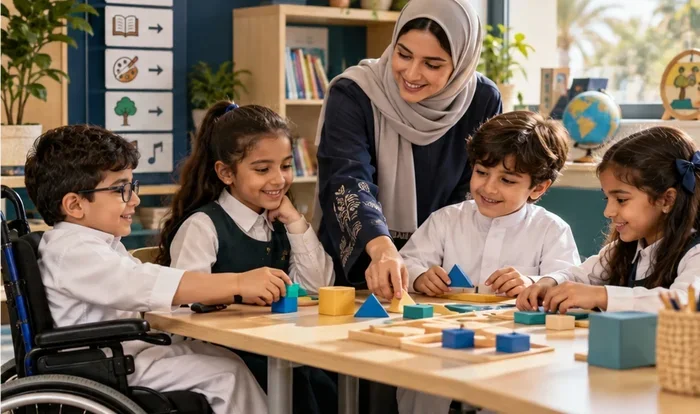
Mainstreaming in special education is the practice of placing students with disabilities in regular classrooms alongside their peers. It ensures equal access to learning while providing tailored support services. This approach promotes inclusive education and helps students grow both academically and socially.
Mainstreaming in special education has transformed how schools welcome every child. It is not just a teaching method. It is a mindset shift toward true inclusive education. When we talk about mainstreaming, we mean placing students with disabilities into regular classrooms. These students learn side by side with their peers. They get the same access to curriculum, activities, and social experiences.
But mainstreaming goes way beyond just sitting in the same room. It requires careful planning, dedicated support, and a strong team effort. Teachers, parents, and specialists all work together. They make sure every student gets what they need to succeed. Mainstreaming in special education is about fairness, respect, and giving every child a real chance to grow.
If you are a parent, teacher, or simply curious about how schools support diverse learners, this guide is for you. We will break down everything you need to know. From the basics to real-world challenges, you will find clear answers here.
Key Takeaways
- Mainstreaming means inclusion: Students with special needs learn in standard classrooms with appropriate support.
- Legal backing exists: Laws like IDEA protect the right to least restrictive environment placement.
- Benefits are real: Mainstreaming boosts social skills, confidence, and academic growth for all students.
- Challenges exist: Teachers need training, resources, and co-planning time to make it work effectively.
- Support services matter: IEP teams and accommodation strategies are essential for success.
- Parents play a role: Active family involvement strengthens outcomes for children with disabilities.
📑 Table of Contents
- What Does Mainstreaming in Special Education Mean?
- Why Mainstreaming Matters for Every Student
- How Mainstreaming Works in Practice
- Challenges of Mainstreaming in Special Education
- Tips for Making Mainstreaming Successful
- Common Mistakes to Avoid in Mainstreaming
- The Future of Mainstreaming in Special Education
- Final Thoughts on Mainstreaming in Special Education
What Does Mainstreaming in Special Education Mean?
At its core, mainstreaming means inclusion. A student with a disability attends classes in a standard school setting. They follow the same schedule as other students. But they also receive specialized support when needed. This support might happen inside the classroom or in a separate resource room for part of the day.
Think of it this way. A child with a learning disability might spend most of the day in a regular math class. But they might pull out for 30 minutes to work with a reading specialist. That balance is the heart of mainstreaming. It is not all-or-nothing. It is a flexible approach that meets students where they are.
How Mainstreaming Differs from Inclusion
People often use mainstreaming and inclusion as the same thing. But there is a subtle difference. Inclusion means the student is fully part of the classroom all the time. The environment adapts to meet their needs. Mainstreaming sometimes involves partial placement. The student splits time between a regular class and a special education setting.
Both approaches aim for the same goal. They want every child to feel valued and supported. Understanding this distinction helps parents and educators make better decisions.
The Legal Foundation Behind Mainstreaming
Mainstreaming is not just a nice idea. It has strong legal backing. In the United States, the Individuals with Disabilities Education Act (IDEA) guarantees every child a free and appropriate public education. A key part of this law is the least restrictive environment principle. This rule says students with disabilities should learn alongside non-disabled peers whenever possible.
Before IDEA became law, many children with disabilities were separated from their communities. They attended isolated schools or stayed home. Mainstreaming changed that. Today, schools must consider regular classroom placement first. Only if a student cannot succeed there do they look at more restrictive options.
Why Mainstreaming Matters for Every Student
The benefits of mainstreaming in special education reach far beyond one child. When inclusive classrooms work well, everyone wins. Let us look at why this approach matters so much.
Building Social Skills and Confidence
Students with disabilities often miss out on social interactions. They may feel isolated or different. Mainstreaming changes that. When they sit in a regular classroom, they build friendships. They learn how to communicate, cooperate, and connect with others.
These social experiences are priceless. A child who struggles with reading might find a friend who loves to help. Another child might discover they are great at explaining science concepts. These moments build self-esteem and a sense of belonging.
Creating Empathy and Understanding
Mainstreaming also shapes the other students in the class. When children grow up alongside peers with disabilities, they learn compassion. They understand that everyone learns differently. This exposure reduces stigma and bullying. It builds a culture of kindness and respect.
Teachers often use language to reinforce these values. They might use similes for education to help students understand differences in a positive way. Figurative language can make complex ideas feel simple and relatable.
Improving Academic Outcomes
Research shows that students with disabilities who are mainstreamed often perform better academically. They have access to grade-level curriculum. They get exposure to the same expectations as their peers. With proper accommodation strategies, they can keep up and even excel.
At the same time, their classmates benefit. Inclusive classrooms encourage differentiated instruction. Teachers learn to present material in multiple ways. This approach helps all learners, not just those with disabilities.
How Mainstreaming Works in Practice
Theory is one thing. Reality is another. Making mainstreaming work takes real effort. Schools need the right tools, training, and teamwork.
The Role of the IEP Team
Every student receiving special education services has an Individualized Education Program (IEP). This document outlines the child’s unique needs and goals. The IEP team includes parents, teachers, specialists, and sometimes the student themselves.
Together, the team decides how much time the student spends in a regular classroom. They also plan what support services the child will receive. This might include a co-teaching model where a special education teacher works alongside the regular teacher.
Co-Teaching and Collaboration
Co-teaching is one of the most effective models for mainstreaming. Two teachers share responsibility for one classroom. One might be the general education teacher. The other is the special education specialist. They plan lessons together and adjust instruction on the fly.
This setup benefits everyone. Students get more individual attention. Teachers share expertise. The classroom becomes a true inclusive learning space. When done well, co-teaching removes the stigma of pulling students out for separate help.
Accommodations and Modifications
Not every student needs the same support. That is where accommodations and modifications come in. Accommodations change how a student learns the material. They might get extra time on tests or use a computer for writing. Modifications change what the student is expected to learn. They might study fewer vocabulary words or simplify assignments.
Both approaches are important. The IEP team decides which one fits each student best. The goal is always the same. Every child should have a fair shot at success.
Challenges of Mainstreaming in Special Education
Let us be honest. Mainstreaming is not always easy. Schools face real obstacles. Parents worry. Teachers feel stretched thin. Acknowledging these challenges is the first step toward solving them.
Teacher Training and Support
Many general education teachers feel unprepared for inclusive classrooms. They did not learn how to support students with diverse needs during their training. Without proper guidance, they may struggle to reach every child.
Schools must invest in professional development. Teachers need ongoing coaching in differentiated instruction and behavioral strategies. When teachers feel confident, students feel safe.
Resource Limitations
Mainstreaming requires resources. Schools need enough aides, therapists, and materials. They need small group spaces for pull-out sessions. Unfortunately, many schools face tight budgets. This can make it hard to provide the level of support every student deserves.
Parents and advocates can push for better funding. Understanding the disability rights framework helps families advocate effectively for their children.
Social and Emotional Hurdles
Sometimes, students with disabilities feel overwhelmed in a regular classroom. The noise, the pace, the social dynamics can be a lot. Other students might not know how to interact with peers who have different needs.
This is where intentional community building matters. Teachers can create a classroom culture where differences are celebrated. They can use positive language and idioms for education to reinforce inclusive values every day.
Tips for Making Mainstreaming Successful
Good news. There are clear steps schools and families can take to make mainstreaming work. These practical tips can make a real difference.
Start with Strong Communication
Open communication between all parties is essential. Teachers should check in with parents regularly. Specialists should share updates with the classroom teacher. Everyone stays on the same page when communication flows freely.
Use simple, clear language. Avoid jargon that confuses parents. A quick weekly email or text can keep everyone connected and informed.
Focus on Strengths, Not Just Challenges
Every child has strengths. A student who struggles with math might be a talented artist. A child who has trouble speaking might excel in hands-on activities. Focusing on strengths builds motivation and pride.
Teachers can highlight these strengths publicly. They can assign roles that play to each student’s talents. This approach creates a classroom where everyone feels valued and capable.
Use Evidence-Based Strategies
Not all teaching methods work equally well for every student. Evidence-based strategies have been tested and proven effective. These include visual aids, hands-on learning, and multisensory instruction. Teachers should stay updated on the latest research in inclusive classroom practices.
When schools invest in proven methods, students make real progress. It is that simple.
Involve Parents as Partners
Parents know their children better than anyone. They notice patterns, triggers, and victories that teachers might miss. Schools should treat parents as equal partners in the education process.
Inviting parents into the classroom, asking for their input on accommodation strategies, and celebrating their child’s wins all build trust. Strong partnerships lead to stronger outcomes for students.
Common Mistakes to Avoid in Mainstreaming
Even with the best intentions, mistakes happen. Here are some pitfalls to watch out for.
- Assuming one size fits all. Every child with a disability is unique. What works for one student may not work for another. Always go back to the individual IEP.
- Neglecting social-emotional needs. Academics matter, but so does emotional well-being. A child who feels anxious or excluded will not thrive, no matter how good the instruction is.
- Over-relying on aides. Paraprofessionals are valuable, but they should not replace teacher-led instruction. The goal is independence, not constant dependence.
- Forgetting to celebrate progress. Small wins count. A student who went from refusing to speak to raising their hand once deserves recognition.
- Ignoring peer relationships. Mainstreaming is as much about social growth as academic growth. Teachers should actively foster friendships and teamwork.
The Future of Mainstreaming in Special Education
The landscape of special education is always evolving. New research, technology, and policies continue to shape how schools serve diverse learners. The future looks promising for mainstreaming in special education.
Technology is playing a bigger role every day. Assistive tools like text-to-speech software, speech tablets, and adaptive apps help students access the curriculum. These tools make the regular classroom more accessible than ever before.
Teacher training programs are also improving. More educators are learning how to design inclusive lessons from the start. Schools are embracing co-teaching models and collaborative planning time. These shifts are making mainstreaming more effective and sustainable.
At the same time, society is becoming more accepting of differences. Representation matters. When children see diverse learners celebrated in books, media, and their own classrooms, they grow up with a broader definition of normal. That cultural shift supports the goals of mainstreaming in powerful ways.
Families also have more resources than ever. Online communities, advocacy groups, and educational websites offer guidance and support. Parents can connect with others who share similar experiences. They can learn about their disability rights and become powerful advocates for their children.
The goal remains the same. Every child deserves to learn, grow, and belong. Mainstreaming in special education moves us closer to that ideal every single day.
Final Thoughts on Mainstreaming in Special Education
Mainstreaming in special education is more than a policy. It is a commitment to fairness and human dignity. When we place students with disabilities in regular classrooms, we send a powerful message. That message says, “You belong here. You matter. You are capable of great things.”
The journey is not always smooth. There are challenges, setbacks, and hard days. But the progress we have made as a society is remarkable. More children are learning together. More teachers are gaining skills. More families are finding their voice.
If you are involved in any way with special education, remember your role matters. Whether you are a teacher adapting a lesson, a parent advocating for services, or a student befriending a classmate, you contribute to a more inclusive world.
Keep learning. Keep growing. And never underestimate the power of a classroom where everyone is welcome.
Frequently Asked Questions
What is the main goal of mainstreaming in special education?
The main goal is to give students with disabilities access to regular classrooms and curriculum. It promotes inclusive education and ensures every child learns alongside their peers. Support services are provided to help each student succeed.
How is mainstreaming different from inclusion in special education?
Mainstreaming often involves partial placement. A student may split time between a regular class and a special education setting. Inclusion means the student is fully integrated into the regular classroom all day, with the environment adapting to meet their needs.
What role does an IEP play in mainstreaming?
An IEP outlines a student’s unique needs, goals, and required services. The IEP team decides how much time the student spends in a mainstream classroom. It also specifies what accommodations or modifications are needed for success.
Do all students with disabilities benefit from mainstreaming?
Not every student thrives in a mainstream setting. Some children need more intensive support that a regular classroom cannot provide. The least restrictive environment principle means placement should always be based on the individual child’s needs and abilities.
What can parents do to support mainstreaming success?
Parents can stay actively involved in the IEP process. They should communicate regularly with teachers and advocate for appropriate accommodation strategies. Joining support groups and learning about disability rights also empowers parents to be effective advocates.
Are there specific teaching strategies that work well in mainstream classrooms?
Yes. Co-teaching, differentiated instruction, and multisensory learning are highly effective. Teachers can also use visual aids, flexible grouping, and assistive technology. These strategies help diverse learners access the same curriculum together.
=== CONCLUSION ===
Mainstreaming in special education represents one of the most meaningful shifts in how we approach learning. It is built on the belief that every child deserves a place in the classroom. The journey requires collaboration, resources, and dedication. But the rewards are enormous. Students grow in confidence, build lasting friendships, and reach their full potential. Teachers become more skilled and compassionate. Communities become stronger and more united.
As we look ahead, the future of inclusive education continues to bright. New tools, better training, and deeper understanding are removing old barriers. Every step forward brings us closer to a world where difference is not just accepted but celebrated. Mainstreaming is not just about academics. It is about humanity. And that is a lesson worth learning for all of us.


