
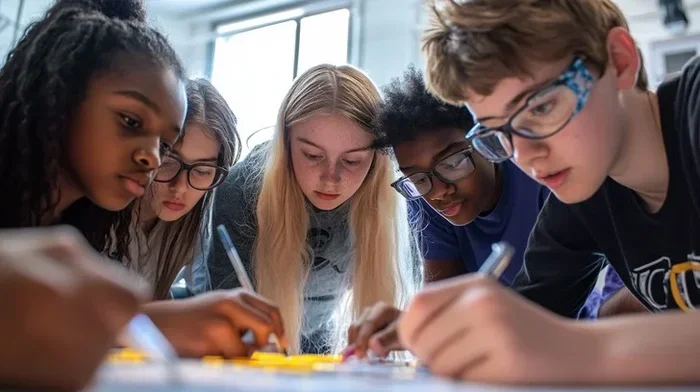
Project based learning in education is a hands-on teaching method where students solve real-world problems through collaborative projects. Instead of sitting through lectures, learners actively explore, create, and present solutions. This student-centered approach builds critical thinking, teamwork, and communication skills that last a lifetime. Project based learning turns education into an engaging, meaningful experience.
Imagine a classroom where students aren’t just memorizing facts from a textbook. Instead, they’re building something real, solving a problem that matters, and working together to create something meaningful. That is the heart of project based learning in education.
Also known as PBL, this teaching method has been gaining traction in schools around the world. It shifts the focus from teacher-led lectures to student-driven exploration. Rather than asking “What should I memorize?”, students ask “What can I create?” This shift changes everything about how learning feels and sticks.
In this article, we will break down exactly what project based learning is, how it works in real classrooms, and why more educators are embracing it. Whether you are a teacher, a parent, or a curious learner, you will find practical insights and examples that bring this approach to life.
Key Takeaways
- Hands-On Approach: Project based learning replaces passive listening with active, real-world problem solving.
- Student-Centered: Learners take charge of their own exploration, creativity, and presentation.
- Builds Critical Skills: Students develop teamwork, communication, and analytical thinking through projects.
- Boosts Engagement: Real-world relevance keeps students motivated and excited about learning.
- Flexible Across Subjects: PBL works in STEM, humanities, arts, and every other field.
- Measurable Outcomes: Teachers can assess deeper understanding through authentic student projects.
📑 Table of Contents
- What Is Project Based Learning in Education?
- How Project Based Learning Works in Practice
- Why Project Based Learning Matters
- Examples of Project Based Learning Across Subjects
- Key Benefits for Different Learning Styles
- Challenges of Project Based Learning and How to Overcome Them
- Tips for Getting Started with Project Based Learning
- The Future of Project Based Learning in Education
- Conclusion
What Is Project Based Learning in Education?
At its core, project based learning is an instructional method where students gain knowledge by working on a complex question, problem, or challenge over an extended period. It is not a one-day assignment. It is a deeper, more immersive learning experience.
Think of it this way. Traditional education often asks students to absorb information and repeat it back on a test. Project based learning flips that model. Students start with a real-world question and work backward to find the knowledge they need. This process makes learning feel relevant and purposeful.
The Core Principles of PBL
Project based learning rests on several key principles that set it apart from conventional teaching:
- Real-World Connection: Projects tie directly to problems students might face outside the classroom.
- Student Voice and Choice: Learners decide how they approach the project, fostering ownership.
- Collaboration: Students work in teams, building social and communication skills.
- sustained Inquiry: Projects unfold over weeks, not minutes, encouraging deep research.
- Reflection: Students regularly reflect on their progress and learning process.
- Public Product: The final project is shared with an audience beyond the classroom.
These principles create a framework that supports active, experiential learning. When students see their work connecting to the world around them, motivation rises naturally.
How Project Based Learning Works in Practice
Wondering how project based learning actually looks in a real classroom? Let us walk through a typical cycle.
Step 1: Launch with a Driving Question
Every PBL project starts with a compelling question. This question is open-ended and sparks curiosity. For example, a science class might ask, “How can we design a garden that helps our local pollinators thrive?” That question drives everything that follows.
Step 2: Research and Exploration
Students dive into research. They read articles, conduct interviews, gather data, and explore different perspectives. This phase teaches research skills and information literacy in a meaningful context. It is not busy work. Every piece of research serves the project’s goal.
Step 3: Design and Create
Now comes the fun part. Students brainstorm solutions, build prototypes, draft plans, or create presentations. They use their hands and minds together. This stage often involves trial and error, which is actually a valuable part of the learning process.
Step 4: Review and Revise
Students share their work-in-progress with peers and teachers. They receive feedback and make improvements. This cycle of review teaches resilience and adaptability. It also mirrors how real projects work in professional settings.
Step 5: Present and Reflect
The final step is sharing the completed project with a real audience. This could be the class, parents, community members, or even industry professionals. After the presentation, students reflect on what they learned and what they would do differently next time.
Why Project Based Learning Matters
The benefits of project based learning go far beyond good grades. Here is why this approach is so powerful:
Deeper Understanding of Content
When students learn through projects, they understand concepts on a deeper level. They are not just memorizing definitions. They are applying knowledge to solve real problems. This leads to stronger long-term retention.
Development of 21st Century Skills
Modern careers demand more than book knowledge. Employers look for critical thinking, collaboration, creativity, and communication. PBL builds all of these skills naturally. Students practice them every day in a safe, supportive environment.
Increased Student Engagement
Let us face it. Sitting still and listening for hours is hard for anyone. Project based learning makes education active and engaging. When students care about their project topic, they show up ready to work. The intrinsic motivation replaces the need for external rewards.
Preparation for Real Life
Life is full of complex, open-ended challenges. PBL mirrors that reality. Students learn how to plan, manage time, solve problems, and adapt when things do not go as expected. These are skills they will use forever.
Examples of Project Based Learning Across Subjects
Project based learning is not limited to one subject area. It works beautifully across the curriculum. Here are some concrete examples:
STEM Projects
In a math class, students might design a budget for a mock business. In technology class, they could build a simple app to address a community need. These STEM projects blend science, technology, engineering, and math into one cohesive experience.
Humanities and Social Studies
A history class might create a documentary about a local event that shaped their community. An economics project could involve students proposing solutions to reduce food waste in their neighborhood. These projects connect past events to present-day relevance.
Language Arts and Communication
Students can write and publish a blog, create a podcast series, or design a literacy campaign for younger students. These activities build reading, writing, and speaking skills in authentic contexts.
Even the way we describe learning experiences can reflect the spirit of PBL. Similes for education and metaphors for education often capture the essence of hands-on learning beautifully. For instance, comparing a student to a researcher or a project to a journey helps frame the experience in relatable terms. Similarly, idioms for education and similes for learning often reflect the dynamic, active nature of this approach.
Key Benefits for Different Learning Styles
One of the strongest arguments for project based learning is how well it serves diverse learners. Not every student thrives in a lecture-based environment. PBL opens doors for many different types of thinkers.
| Learning Style | How PBL Supports It |
|---|---|
| Visual Learners | They thrive when creating diagrams, presentations, and visual products. |
| Kinesthetic Learners | They shine when building, experimenting, and working with their hands. |
| Auditory Learners | They benefit from group discussions, interviews, and presenting ideas aloud. |
| Reading/Writing Learners | They excel at research, writing reports, and documenting the project process. |
| Social Learners | They grow through collaboration, teamwork, and peer feedback. |
| Solitary Learners | They can take ownership of specific research or design tasks within a team. |
Because PBL offers multiple entry points and modes of expression, nearly every student finds a way to connect with the material. This inclusivity is one of its greatest strengths.
Challenges of Project Based Learning and How to Overcome Them
No teaching method is perfect. Project based learning comes with its own set of challenges. But with the right strategies, these hurdles can be managed effectively.
Challenge 1: Time Constraints
PBL projects take longer than traditional lessons. Teachers often feel pressure to cover a set curriculum quickly. The solution is to integrate PBL into existing lesson plans rather than treating it as an add-on. When projects align with learning standards, they become part of the curriculum, not a distraction from it.
Challenge 2: Student Accountability
In group projects, some students may contribute less than others. Clear role assignments and individual reflections help address this. Teachers can also use peer evaluations to ensure every team member carries their weight.
Challenge 3: Assessment Difficulty
Grading a project is more complex than grading a multiple-choice test. Teachers can use rubrics that assess process, collaboration, and final product. Formative checkpoints throughout the project also help track student progress in real time.
Challenge 4: Resource Limitations
Some projects require materials, technology, or field trips that schools may not have. Creative teachers find low-cost alternatives. Community partnerships can also provide resources and real-world expertise at no cost.
Tips for Getting Started with Project Based Learning
If you are excited about trying PBL but not sure where to begin, here are some practical tips:
- Start Small: Try a short, one-week project before launching a month-long endeavor. Build your confidence and refine your approach.
- Connect to Standards: Align your project with existing curriculum goals. This ensures PBL supports, rather than replaces, required learning outcomes.
- Know Your Audience: Consider what will genuinely excite your students. Projects tied to their interests and community will resonate more deeply.
- Build in Checkpoints: Schedule regular milestones where students share progress and receive feedback. This keeps the project on track and prevents last-minute rushes.
- Reflect Often: Build reflection into every phase. Ask students what worked, what did not, and what they would change. This metacognitive practice deepens learning.
- Celebrate the Final Product: Host a showcase event. Invite families, other classes, or community members. Celebrating student work builds pride and motivation.
Starting with small steps makes the transition smoother. Over time, you will develop a library of project ideas that work for your specific students and subjects.
The Future of Project Based Learning in Education
The education landscape is evolving rapidly. Technology, global challenges, and changing workforce demands are reshaping what skills matter most. Project based learning positions students to thrive in this new world.
As classrooms become more connected, PBL projects can involve collaboration with students from other countries. Virtual tools allow learners to simulate real-world scenarios that were previously impossible. The possibilities are expanding every year.
More schools and districts are recognizing that test scores alone do not measure true learning. Project based learning offers a way to assess deeper understanding, creativity, and practical application. It is not a replacement for traditional methods but a powerful complement that prepares students for the complexity of modern life.
Conclusion
Project based learning in education is more than a trendy teaching method. It is a fundamental shift in how we think about learning. By putting students at the center of the process, PBL creates classrooms where curiosity drives exploration and real-world problems spark meaningful discovery.
The benefits are clear. Students develop deeper content knowledge, stronger collaboration skills, and greater confidence in their ability to tackle challenges. Teachers see higher engagement and more meaningful connections with their students. Parents witness children who are excited to learn and proud of their work.
If you have not yet explored project based learning, now is the perfect time to start. Whether you are a teacher looking to transform your classroom or a parent wanting to support your child’s education, PBL offers a powerful path forward. The projects students build today become the skills they use for the rest of their lives.
Frequently Asked Questions
What is project based learning in simple terms?
Project based learning is a teaching method where students learn by working on a real-world project over time. Instead of just reading or listening, they explore a question, create something, and share it with others. It makes learning hands-on and meaningful.
How is project based learning different from traditional learning?
Traditional learning often involves teacher-led instruction and memorization. Project based learning puts students in charge. They ask questions, research answers, and build real products. The focus shifts from remembering facts to applying knowledge in authentic ways.
What age groups benefit from project based learning?
Project based learning works for all age groups. Elementary students can tackle simple community projects. Middle schoolers can explore science and social studies challenges. High school students can engage in complex, interdisciplinary work that prepares them for college and careers.
How do teachers assess project based learning?
Teachers use rubrics that evaluate the process, collaboration, and final product. They also check for understanding through checkpoints and reflections. Unlike a single test grade, PBL assessment looks at growth, effort, and depth of learning over time.
Can project based learning be used in online or hybrid classrooms?
Absolutely. Many PBL tools and platforms work well in virtual settings. Students can collaborate on digital documents, present through video calls, and share their final products online. The core principles of PBL remain the same regardless of the learning environment.
What subjects work best with project based learning?
Project based learning is highly flexible and works across all subjects. STEM classes use it for design challenges and experiments. Humanities classes use it for research and documentary projects. Even arts and language classes benefit from creative, student-driven projects that connect to real audiences.


