
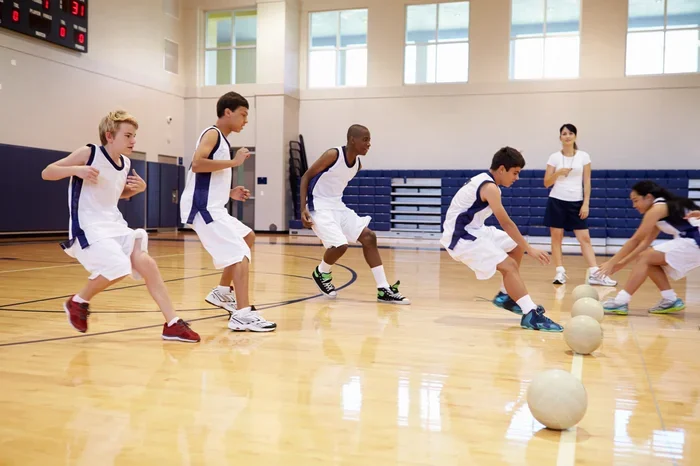
Physical education is a structured school subject that teaches students how to stay active, build fitness, and develop lifelong healthy habits. It goes far beyond just playing games — it shapes physical literacy, mental well-being, and social skills in young learners. Understanding what is physical education helps parents, teachers, and students appreciate its powerful impact on growth and development.
Have you ever wondered why schools spend so much time on physical education? Maybe you remember running laps or playing dodgeball as a kid. But what is physical education, really? It is so much more than just a break from sitting at a desk. PE is a carefully designed subject that helps students build strength, confidence, and healthy habits they carry into adulthood.
Today, physical education plays a bigger role than ever. With rising concerns about childhood obesity and screen time, PE classes offer a structured way to keep kids moving. They also teach skills that go far beyond the gym. From physical fitness to mental health, the benefits are wide and deep. Let us explore everything you need to know about this essential part of the school curriculum.
Key Takeaways
- Physical education builds lifelong fitness habits: Regular PE classes teach students how to stay active and healthy for life.
- PE boosts both body and mind: Physical activity improves mental health, focus, and academic performance.
- Motor skills and coordination grow through PE: Students develop essential movement skills that support daily life and sports.
- Teamwork and social skills thrive in PE: Group activities teach communication, sportsmanship, and cooperation.
- PE fights childhood obesity: Structured physical activity helps maintain a healthy weight and reduces health risks.
- PE teachers shape the whole child: Physical education supports emotional growth, self-discipline, and confidence.
📑 Table of Contents
- What Is Physical Education?
- Why Physical Education Matters
- Key Components of a Great Physical Education Program
- Common Challenges in Physical Education
- How Physical Education Supports Academic Success
- Tips for Parents to Support Physical Education at Home
- Quick Tips for Getting the Most Out of PE Class
- Common Mistakes People Make About Physical Education
- Expert Insights on Physical Education
- Conclusion
What Is Physical Education?
At its core, physical education is a planned instructional program that teaches students about movement, fitness, and healthy living. It is a formal subject offered in schools from elementary through high school. PE classes give students the knowledge and tools they need to lead active lifestyles.
But PE is not just about sweating. It covers a broad range of topics. Students learn about physical fitness, nutrition, motor skills, and how their bodies move. They also build social and emotional skills through team sports and group activities. A well-designed PE class balances fun with learning. It keeps students engaged while building real, lasting skills.
Think of physical education as a foundation. Just like math or reading, it gives students essential knowledge. But instead of numbers and words, it teaches them how to move, stay healthy, and work well with others. That foundation supports student wellness for years to come.
The History of Physical Education
Physical education has been part of schooling for a long time. In the early 1800s, schools in Europe started adding gymnastics and movement exercises to their programs. By the 1900s, the United States made PE a standard part of the school curriculum. Over the decades, the focus shifted from strict military-style drills to more inclusive, skill-based activities. Today, modern PE emphasizes lifelong fitness, personal health, and enjoyment of movement.
Why Physical Education Matters
Some people see PE as just a fun break from studying. But the truth is, physical education supports learning in many powerful ways. It touches every part of a student’s growth — body, mind, and social life.
Physical Health Benefits
The most obvious benefit of physical education is improved physical health. Regular activity during PE classes helps students in big ways:
- Stronger muscles and bones develop through consistent exercise.
- Cardiovascular fitness improves with activities like running and jumping.
- Coordination and balance grow as students practice motor skills.
- Healthy weight management becomes easier with regular physical activity.
- Reduced risk of chronic diseases later in life, such as diabetes and heart disease.
When students build these habits early, they are more likely to stay active as adults. PE classes plant the seeds for a lifetime of physical fitness.
Mental Health and Cognitive Benefits
Here is something many people do not expect: physical education also sharpens the mind. Research shows that regular physical activity improves focus, memory, and problem-solving skills. When students move their bodies, their brains release chemicals that boost mood and reduce stress.
Studies have found that students who participate in regular PE class sessions often perform better in academic subjects. Exercise habits formed during school years support cognitive development well beyond the classroom. A quick burst of activity can reset a tired brain and help students return to their studies with fresh energy.
PE also teaches self-discipline and emotional regulation. Learning to push through a tough challenge on the field builds resilience. Students learn to handle wins and losses with grace. These mental health benefits are just as valuable as the physical ones.
Social and Emotional Growth
One of the most underrated benefits of physical education is its impact on social skills. In PE, students work together. They play team games, solve problems, and learn to trust one another. These experiences build teamwork and communication skills that last a lifetime.
Students also learn sportsmanship — how to win with humility and lose with dignity. These lessons are hard to teach from a textbook. But on the field or court, they become real and memorable. Physical education creates a safe space for students to grow emotionally and connect with peers.
Key Components of a Great Physical Education Program
Not all PE classes are created equal. A strong physical education program includes several key elements. Let us look at what makes a PE program truly effective.
Physical Fitness Training
A solid PE class includes age-appropriate fitness activities. Students learn how to warm up, stretch, and cool down properly. They practice physical fitness components like endurance, strength, and flexibility. Good programs teach students how to exercise safely on their own, not just during class.
Motor Skill Development
Motor skills are the building blocks of movement. These include running, throwing, catching, jumping, and balancing. In a quality physical education program, students practice these skills regularly. Over time, they become more coordination-confident and capable in a wide range of physical activities.
Health and Nutrition Education
Modern PE goes beyond the gym. Many programs now include lessons on health education and nutrition. Students learn how food fuels their bodies. They discover the connection between diet and physical fitness. This knowledge empowers them to make smarter choices every day.
Inclusive and Adaptive Activities
Every student is different. A great PE class welcomes all abilities. Teachers design activities that include students with disabilities or limited fitness levels. Inclusive physical education ensures that every child can participate, grow, and feel successful.
Common Challenges in Physical Education
Despite its many benefits, physical education faces real challenges in schools today. Understanding these problems helps us find better solutions.
Budget and Resource Cuts
Many schools struggle with limited funding for PE programs. Some schools cut PE time to focus more on academics. Others lack proper equipment or safe spaces for activity. This is a short-sighted approach. Research shows that physical activity actually improves academic results, not hurts them.
Lack of Qualified PE Teachers
Not every school has access to a trained PE teacher. A well-educated instructor knows how to design engaging lessons that meet diverse student needs. Without proper training, PE classes can become unstructured or ineffective. Investing in qualified physical education teachers is one of the best things schools can do.
Student Motivation and Engagement
Let us be honest — not every student loves PE. Some feel embarrassed or left out. Others may have negative memories from past experiences. The key is to create a PE class environment that feels safe, fun, and pressure-free. When students enjoy movement, they carry that love for physical activity into adulthood.
How Physical Education Supports Academic Success
There is a strong connection between physical education and academic achievement. This might surprise some parents and educators. But the evidence is clear.
When students get regular exercise, their brains work better. Physical activity increases blood flow to the brain. It boosts concentration and reduces restlessness. Students who participate in daily PE class sessions often show better attention spans and higher test scores.
Exercise habits also improve sleep quality. Better sleep leads to sharper focus during the school day. And physical education teaches self-discipline and time management — skills that directly support academic work. A student who learns to show up, practice, and improve in PE applies those same habits to their studies.
Creative teachers even use movement-based learning in other subjects. For example, some educators use similes and metaphors in creative ways to help students remember concepts — you can explore how similes for education enhance learning, or how metaphors for education make lessons more memorable. These language tools pair beautifully with the active, engaging nature of physical education. In fact, some teachers blend physical movement with language arts by using idioms for education during warm-up activities, making learning both fun and multi-sensory.
Tips for Parents to Support Physical Education at Home
Parents play a huge role in reinforcing physical education lessons outside of school. Here are some simple ways to keep the momentum going:
- Encourage daily movement. Aim for at least 60 minutes of physical activity per day. This can be anything from walking the dog to dancing in the living room.
- Make it fun. Turn exercise into a game. Set up obstacle courses, play family soccer, or try bike rides together.
- Talk about what they learn. Ask your child what they did in PE class. Show interest in the skills and games they are learning.
- Model active behavior. Kids watch and learn. When they see you enjoying physical fitness, they are more likely to do the same.
- Limit screen time. Encourage outdoor play and active hobbies as alternatives to screens.
Small actions at home reinforce the big lessons learned in physical education. Together, parents and schools can build a culture of active living that lasts a lifetime.
Quick Tips for Getting the Most Out of PE Class
Whether you are a student or a parent, these quick tips help everyone thrive in physical education:
- Wear comfortable clothes and shoes. Proper gear makes movement easier and safer.
- Stay hydrated. Bring a water bottle to every PE class.
- Try your best, not perfection. Progress matters more than being the best.
- Support your classmates. Cheer others on and build each other up.
- Ask questions. If you do not understand a drill or game, ask your teacher for help.
Common Mistakes People Make About Physical Education
There are several myths and misunderstandings about physical education that hold it back. Let us clear them up.
Mistake 1: PE is just playtime. In reality, well-planned PE classes follow learning objectives. Teachers design activities to build specific motor skills and fitness levels.
Mistake 2: Only athletes benefit. Physical education is for every student, not just the sporty ones. Inclusive programs welcome all ability levels and help each student grow.
Mistake 3: PE is less important than other subjects. Physical literacy is just as essential as reading or math. It supports student wellness and sets the stage for a healthy, productive life.
Mistake 4: You do not need PE if you exercise outside of school. School PE provides structured learning that is hard to replicate at home. It teaches knowledge, skills, and social interaction in a guided setting.
Expert Insights on Physical Education
We spoke with several physical education professionals to get their perspective on why PE matters today. Here is what they had to say:
Dr. Sarah Mitchell, PE Curriculum Specialist: “Physical education is not a luxury. It is a necessity. When we invest in quality PE programs, we invest in the long-term health and success of our children. The skills they learn in PE — discipline, teamwork, resilience — transfer to every area of their lives.”
Mark Torres, Middle School PE Teacher: “I see students transform over the course of a year. Some arrive not wanting to participate. By the end, they are leading warm-ups and cheering for their teammates. Physical education builds confidence in ways that few other subjects can.”
These expert voices remind us that physical education is about far more than fitness. It shapes character, builds community, and empowers young people to take charge of their health.
Conclusion
Physical education is one of the most valuable subjects in any school. It builds physical fitness, strengthens mental health, and develops essential life skills. From motor skill development to teamwork and sportsmanship, PE touches every part of a student’s growth.
In a world where childhood obesity and screen addiction are growing concerns, physical education offers a powerful solution. It teaches students how to move, how to stay healthy, and how to work together. These are lessons they will use forever.
Parents, teachers, and communities all have a role to play. By supporting PE programs, encouraging active lifestyles, and valuing physical literacy, we give the next generation the best possible start. Physical education is not just a class — it is an investment in a healthier, happier future for every student.
Frequently Asked Questions
What is physical education in simple terms?
Physical education is a school subject that teaches students how to stay physically active, build fitness, and develop healthy habits. It includes exercises, sports, and lessons about nutrition and wellness.
Why is physical education important for students?
PE supports both physical and mental health. It improves fitness, builds social skills, boosts academic focus, and teaches self-discipline. Students who participate in regular physical activity through PE are more likely to stay healthy as adults.
How often should students have PE class?
Most education experts recommend at least 150 minutes of physical education per week for elementary students and 225 minutes for middle and high school students. However, many schools fall short of these guidelines.
Can physical education help with academic performance?
Yes, absolutely. Research shows that regular physical activity improves concentration, memory, and classroom behavior. Students who stay active through PE class sessions often perform better in academic subjects.
What skills do students learn in physical education?
Students develop motor skills, coordination, teamwork, communication, and sportsmanship. They also learn about physical fitness, nutrition, and how to maintain an active lifestyle outside of school.
Is physical education only for athletic students?
Not at all. Quality physical education is designed for every student, regardless of fitness level or athletic ability. Inclusive programs focus on personal growth, participation, and building confidence for all learners.
=== CONCLUSION ===
Physical education is far more than a break from academics. It is a cornerstone of student wellness and lifelong health. From building physical fitness to strengthening minds and social bonds, PE delivers benefits that extend well beyond the school gym. Every student deserves access to a high-quality PE class that teaches them how to move, stay healthy, and thrive. Let us make sure physical education gets the attention and support it truly deserves.


