
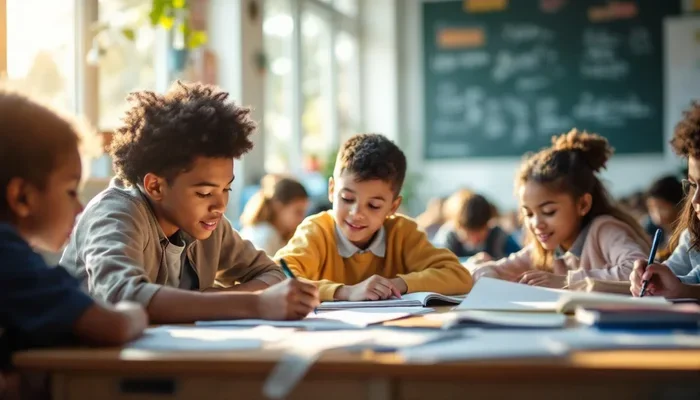
What is an education beyond textbooks and grades? It is the lifelong process of gaining knowledge, building skills, and growing as a person. This guide covers the true meaning of learning, why it shapes your future, and how you can make the most of every learning experience.
So, what is an education really? Many people think it is just about going to school, passing tests, and getting a diploma. But the truth is much bigger and more exciting than that. What is an education if not the entire journey of becoming a smarter, more capable, and more thoughtful person? It is every moment you spend learning something new, whether that happens in a classroom, at work, or even during a simple conversation with a friend. In this guide, we will break down the real meaning of education, explore why it matters so much, and share practical tips to help you get the most out of your learning journey.
Education shapes who we are. It affects how we think, how we solve problems, and how we connect with the world around us. Whether you are a student just starting out or an adult looking to grow, understanding the true value of learning can change your life. Let us dive in and explore the many layers of what education really means.
Key Takeaways
- Education goes far beyond school: It includes every experience that helps you grow and learn.
- Multiple types of education exist: Formal, informal, and self-directed learning all play important roles.
- Education drives personal and career growth: It builds critical thinking, confidence, and real-world skills.
- Common myths hold people back: Education is not just about diplomas or test scores.
- Lifelong learning is the key: The best learners never stop exploring new ideas and knowledge.
- figurative language enriches learning: Tools like similes for education, metaphors for education, and idioms for education make complex ideas easier to understand and remember.
📑 Table of Contents
What Is an Education Really?
At its core, education is the process of gaining knowledge, skills, values, and beliefs. It is not limited to what happens inside a school building. The educational journey starts long before you step into a classroom and continues long after you leave one. Every new thing you learn adds to your understanding of the world.
Think about it this way. When you were a child, you learned to walk, talk, and interact with others. That was education too. It was hands-on, real, and deeply personal. As you grew older, classroom learning became a bigger part of the picture. But the foundation was already there, built through everyday experiences and curiosity.
The learning process involves more than just memorizing facts. It includes understanding ideas, asking questions, making connections, and applying what you know to real situations. True education develops your mind in ways that go far beyond academic knowledge. It helps you think clearly, communicate well, and adapt to new challenges.
Why the Definition of Education Keeps Evolving
The meaning of education has changed a lot over the years. In the past, it often meant learning a trade or studying classical subjects like Latin and philosophy. Today, educational opportunities are wider than ever before. You can learn almost anything online, from coding to cooking to creative writing.
This shift matters because it means education is no longer one-size-fits-all. Your educational goals might look very different from someone else’s, and that is perfectly okay. The important thing is that you keep growing and keep learning.
The Different Types of Education
Not all education looks the same. There are several distinct types, and each one plays a unique role in your overall educational attainment and personal development. Understanding these types can help you appreciate the full picture of what learning really means.
Formal Education
Formal education is the structured learning that happens in schools, colleges, and universities. It follows a set curriculum and leads to recognized credentials like diplomas and degrees. This type of education provides a solid foundation of knowledge and skills that employers and society value.
In formal settings, you benefit from trained teachers, organized lessons, and a learning environment designed to support growth. The learning outcomes are usually measured through tests, projects, and grades. While this system is not perfect, it has helped millions of people build the knowledge they need to succeed.
Informal Education
Informal education happens naturally, outside of a structured classroom. It includes things like reading books, watching documentaries, having meaningful conversations, or even learning from your mistakes. Some of the most powerful learning experiences in life happen this way.
For example, learning how to handle a difficult situation at work is a form of informal education. So is teaching yourself a new hobby or picking up a new language through apps and practice. This type of learning is flexible, personal, and often deeply memorable.
Self-Directed Learning
Self-directed learning is when you take full charge of your own educational journey. You set your own goals, find your own resources, and track your own progress. This approach is becoming increasingly popular in the digital age, where so much information is available at your fingertips.
Self-directed learners tend to be curious, disciplined, and motivated. They do not wait for someone else to tell them what to learn. Instead, they follow their interests and actively seek out new learning experiences that help them grow.
Why Education Matters in Everyday Life
You might be wondering why education matters so much. The answer goes deeper than just getting a good job. Education touches every part of your daily life, often in ways you do not even notice.
When you are well-educated, you can make better decisions. You understand the world more clearly. You can spot misinformation and think critically about the things you hear and read. These are incredibly valuable skills in today’s fast-paced, information-rich world.
Education also builds personal growth and self-improvement. It helps you understand different cultures, perspectives, and ways of thinking. This makes you a more empathetic and open-minded person. It gives you the confidence to share your ideas and the patience to listen to others.
From a practical standpoint, education opens doors. It increases your educational opportunities and gives you the tools to pursue the career and lifestyle you want. Whether you dream of starting a business, working in healthcare, or creating art, education gives you the foundation to get there.
The Role of Critical Thinking
One of the most important gifts education gives you is critical thinking. This is the ability to analyze information, question assumptions, and form your own well-reasoned opinions. In a world full of noise and conflicting messages, critical thinking is more valuable than ever.
When you develop strong critical thinking skills, you become a better problem-solver. You can break complex issues into smaller parts and find creative solutions. This skill benefits you at work, in relationships, and in everyday decision-making.
The Benefits of a Strong Educational Foundation
Building a strong educational foundation pays off in many ways. It is one of the best investments you can make in yourself. Here are some of the key benefits that come from a solid education.
Better Career Opportunities
Education and career success go hand in hand. Most jobs require at least some level of formal education or training. The higher your level of educational attainment, the more career options tend to open up to you. This does not mean that everyone needs a four-year degree. Vocational training, certifications, and self-study can also lead to great careers.
What matters most is that you continuously build your skills and knowledge. The skill development you gain through education makes you more valuable in the job market and more adaptable to changes in your industry.
Stronger Communication Skills
Education helps you learn how to express yourself clearly and effectively. You practice writing, speaking, and presenting ideas. Over time, these skills become second nature. Good communication is essential in nearly every area of life, from job interviews to personal relationships.
Interestingly, figurative language plays a big role in making communication more vivid and memorable. Understanding similes for education, for instance, can help you explain complex ideas in simple, relatable ways. Using a comparison like “learning is like building a muscle” makes the concept stick. Similarly, knowing idioms for education and metaphors for education enriches your vocabulary and helps you connect with others more effectively.
Greater Financial Stability
Studies consistently show that people with higher levels of education tend to earn more over their lifetimes. Education provides the knowledge and credentials that lead to better-paying jobs and greater financial security. Of course, money is not everything, but financial stability gives you freedom and peace of mind.
Improved Health and Well-Being
Education also has a surprising impact on your physical and mental health. People with more education tend to make healthier choices, live longer, and manage stress better. Learning keeps your brain active and engaged, which supports cognitive health as you age.
Common Misconceptions About Education
There are many myths and misunderstandings about what education really is. Let us clear up some of the most common ones.
Myth 1: Education Is Only About Getting Good Grades
Grades are a way to measure progress in a formal setting, but they do not define your intelligence or your worth. Some of the most successful and innovative people in history were not top students. What matters most is what you actually learn and how you apply it.
Myth 2: You Can Only Learn When You Are Young
This could not be further from the truth. Lifelong learning is one of the most powerful ideas in education. People of all ages can and do learn new things every day. Your brain is capable of growth and change no matter how old you are. The key is to stay curious and keep challenging yourself.
Myth 3: Formal Education Is the Only Real Education
While formal education provides structure and credentials, it is not the only path to knowledge. Many of the most successful people in the world are self-taught or learned through hands-on experience. The best approach is usually a mix of formal study, informal exploration, and real-world practice.
How to Make the Most of Your Learning Journey
Now that you understand the true meaning and value of education, let us talk about how to get the most out of it. Whether you are in school, working, or learning on your own, these tips will help you grow.
Set Clear Learning Goals
Start by asking yourself what you want to learn and why. Setting clear educational goals gives your learning direction and purpose. Write down your goals and revisit them regularly. This simple habit keeps you focused and motivated.
Embrace Curiosity
Curiosity is the engine of education. When you are genuinely curious about something, learning becomes natural and enjoyable. Ask questions. Explore topics that interest you, even if they seem unrelated to your main area of study. Some of the best ideas come from unexpected connections.
Practice Active Learning
Passive learning, like just reading or listening, has its limits. Active learning means engaging with the material. Take notes, discuss ideas with others, teach what you learn to someone else, or apply new concepts in real projects. The more you actively involve your brain, the deeper your understanding becomes.
Build a Habit of Daily Learning
Consistency beats intensity when it comes to education. Spending just 20 to 30 minutes learning something new each day adds up over time. Read a chapter of a book, watch an educational video, listen to a podcast, or practice a new skill. Small, regular efforts lead to big results.
Seek Feedback and Reflect
Feedback is one of the most powerful tools in the learning process. Ask teachers, mentors, colleagues, or friends for honest feedback on your work and your progress. Then take time to reflect on what you hear. Reflection helps you identify strengths, spot areas for improvement, and plan your next steps.
Use Multiple Learning Methods
Everyone learns differently. Some people learn best by reading, others by watching, and still others by doing. Experiment with different methods to find what works best for you. Combining visual, auditory, and hands-on approaches creates a richer and more effective learning experience.
Conclusion
What is an education really? It is so much more than degrees and diplomas. It is the lifelong journey of growing your mind, building your skills, and becoming the best version of yourself. Education shapes how you see the world, how you solve problems, and how you connect with others. It opens doors, creates opportunities, and gives you the confidence to pursue your dreams.
The beauty of education is that it never truly ends. Every day brings new chances to learn, grow, and improve. Whether you are in a formal classroom or exploring a topic on your own, you are on an educational journey that is uniquely yours. Embrace it fully, stay curious, and never stop learning. The world is full of educational opportunities, and the best time to start taking advantage of them is right now.
Frequently Asked Questions
What is an education in simple terms?
In simple terms, education is the process of learning and growing your knowledge, skills, and understanding of the world. It happens in classrooms, at work, through hobbies, and in everyday life. It is not just about grades or diplomas but about becoming a more capable and thoughtful person.
Why is education so important for personal growth?
Education fuels personal growth by helping you develop critical thinking, communication skills, and confidence. It exposes you to new ideas, different perspectives, and real-world challenges. These experiences shape who you are and help you navigate life with more clarity and purpose.
Can you educate yourself without going to school?
Absolutely. Many successful people are self-taught or learned through informal experiences. Books, online courses, mentors, podcasts, and hands-on practice are all powerful tools for self-education. The key is to stay curious, set goals, and commit to consistent learning.
What is the difference between formal and informal education?
Formal education is structured and takes place in schools or universities, leading to recognized credentials. Informal education happens naturally through daily experiences, conversations, reading, and exploration. Both are valuable, and the best learners draw from both types throughout their lives.
How does education impact career success?
Education provides the knowledge, skills, and credentials that employers look for. It opens up more career options and often leads to higher earning potential. But beyond credentials, education builds problem-solving abilities and adaptability, which are essential in any career.
What role does lifelong learning play in education?
Lifelong learning means never stopping your pursuit of knowledge and growth. It keeps your mind sharp, helps you adapt to change, and opens up new personal and professional opportunities. The best learners treat education not as a one-time event but as an ongoing adventure.


