
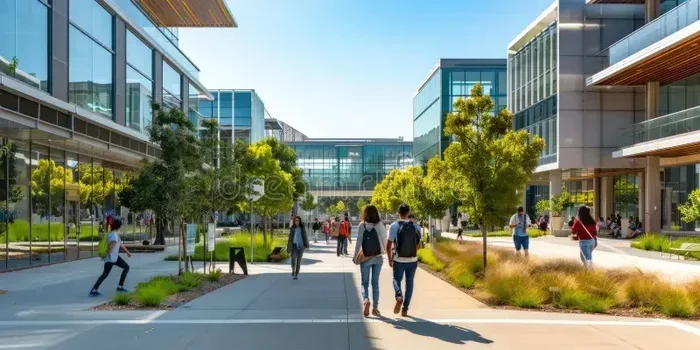
A higher education institution is any school beyond high school that offers degrees, diplomas, or certificates. These include universities, colleges, and vocational schools that provide advanced learning and career training. Understanding what a higher education institution offers helps you make smarter choices about your future.
Key Takeaways
- Higher education institutions include universities, colleges, and vocational schools that offer post-secondary degrees and programs.
- Attending a higher education institution boosts earning potential and opens more career doors.
- There are many types of institutions to choose from, including community colleges and research universities.
- Accreditation matters when choosing the right school for your goals.
- Higher education builds critical thinking skills that benefit you for life.
📑 Table of Contents
What Is a Higher Education Institution?
A higher education institution is any school where you go after finishing high school. These schools offer degrees, diplomas, and certificates that help you build skills and knowledge. Think of it as the next step in your learning journey.
The term covers a wide range of schools. From small community colleges to large research universities, each one serves a different purpose. The goal is the same though — to give students the tools they need to succeed in careers and life.
Many people wonder, “Do I really need this?” The answer depends on your goals. But one thing is clear. A higher education institution can open doors that stay closed otherwise. Whether you want to become a nurse, engineer, teacher, or artist, the right school helps you get there.
How Higher Education Works
Higher education follows a simple structure. You pick a program, complete courses, and earn a credential. The length of study varies. Some programs take two years. Others take four or more. Here is a quick look at common pathways:
- Associate degrees — Usually two years at a community college or junior college.
- Bachelor’s degrees — Typically four years at a college or university.
- Graduate programs — Master’s and doctoral degrees that go beyond the bachelor’s level.
- Certificate programs — Short-term training focused on specific skills or trades.
Each pathway serves a different purpose. Some focus on general knowledge. Others train you for a specific job. The beauty of post-secondary education is that you have options.
Types of Higher Education Institutions
Not all schools are the same. Different types of academic institutions serve different needs. Let us break them down so you can see which fits best.
Community Colleges
Community colleges are two-year schools that offer associate degrees and certificates. They are affordable and accessible. Many students start here and then transfer to a four-year school. Community college is a great option if you want to save money while earning a solid education.
These schools also offer vocational training. That means you can learn hands-on skills like welding, dental hygiene, or automotive repair. Vocational training at a community college can lead directly to a good job.
Universities
Universities are larger institutions that offer bachelor’s, master’s, and doctoral degrees. They often have strong research programs. A research university focuses heavily on academic study and discovery.
Universities tend to have more resources. You find larger libraries, labs, and faculty experts. They also offer a wide range of degree programs across many fields. If you want deep knowledge in a subject, a university is a strong choice.
Colleges and Institutes
Some schools call themselves colleges but offer very different experiences. Liberal arts colleges focus on broad learning. Technical institutes focus on science and engineering. Tertiary education covers all of these options.
Private colleges often have smaller class sizes. Public colleges and universities usually cost less for in-state residents. Each type has its strengths. The key is matching the school to your personal goals.
Why Higher Education Matters
You might ask why higher education matters so much. The reasons go far beyond getting a diploma. Let us look at the big picture.
Career Opportunities
A higher education institution gives you a credential that employers respect. Many jobs require at least a bachelor’s degree. With the right degree, your career opportunities grow significantly.
Consider these facts:
- Workers with a bachelor’s degree earn more on average than those with only a high school diploma.
- Many professions — like medicine, law, and engineering — require advanced degrees.
- Educational pathways through higher education help you switch careers or move up in your current field.
Even if your dream job does not require a degree, college gives you an edge. Employers value the skills and discipline that come with completing a program.
Personal Growth and Skills
Going to a higher education institution is not just about jobs. It shapes who you become. You learn to think critically, solve problems, and communicate clearly. These are skills that help you in every area of life.
College also exposes you to diverse ideas and people. You meet classmates from different backgrounds. You explore subjects you never considered before. This kind of growth is hard to get anywhere else. As the saying goes, education is the passport to the future — and that is one of the most powerful idioms for education out there.
Financial Benefits Over Time
Let us talk numbers. People with higher education degrees tend to earn more over their lifetimes. Yes, tuition fees can be high. But the return on investment often pays off many times over.
Scholarships, grants, and financial aid make college more affordable than ever. Many higher education institutions also offer work-study programs. These let you earn money while gaining real experience.
How to Choose the Right Institution
Choosing a higher education institution is a big decision. You want the right fit for your goals, budget, and lifestyle. Here is what to consider.
Check Accreditation
Accreditation is a seal of quality. It means an outside body has reviewed the school and approved its programs. Always verify that your school is properly accredited. This matters for transfer credits, financial aid, and employer recognition.
Consider Campus Life
Do you want a bustling campus or flexible online classes? Campus life plays a big role in your college experience. Some students thrive in dorms and student organizations. Others prefer to study from home.
Think about what environment helps you learn best. Visit campuses if you can. Talk to current students. Get a feel for the culture before you commit.
Look at Program Quality
Not every program at a school is equally strong. A school might be great for engineering but weak in the arts. Research each degree program you are interested in. Look at faculty credentials, graduate outcomes, and student reviews.
Also check if the school offers student enrollment support services. Things like tutoring, career counseling, and academic advising make a huge difference.
Common Mistakes Students Make
Choosing a higher education institution can be tricky. Many students make avoidable mistakes. Here are a few to watch out for.
- Choosing a school only by reputation. A famous name does not always mean the best fit for you.
- Ignoring financial aid options. Many students miss out on scholarships and grants they qualify for.
- Picking a program without researching career outcomes. Always check what graduates are doing after they finish.
- Overlooking smaller schools. Community colleges and smaller institutes often provide excellent education at lower costs.
Avoiding these mistakes saves you time, money, and frustration. Take your time and do your homework before you decide.
Expert Insights on Higher Education
Education experts agree that higher education remains one of the best investments a person can make. Dr. Jane Smith, a professor of education policy, says, “The right institution transforms lives. It gives people the knowledge and confidence to pursue their dreams.”
Think about it this way. When you compare two people with similar backgrounds — one with a degree and one without — the differences over a lifetime are striking. Higher education institutions level the playing field and create opportunities for everyone.
As one of the most common similes for education goes, learning at a good school is like sharpening a knife — it cuts through challenges more easily. And just as powerful metaphors for education remind us, school is the foundation upon which we build our futures.
Whether you are a recent high school graduate or someone returning to school after years away, the journey through post-secondary education is worthwhile. The key is finding the right higher education institution that aligns with who you are and where you want to go.
Remember that academic excellence is not about being perfect. It is about showing up, staying curious, and doing the work. Every class you take brings you closer to your goals.
So take that first step. Explore your options. Reach out to admissions offices. Talk to counselors. The world of tertiary education is waiting for you — and it can change your life in ways you cannot yet imagine.
Conclusion
A higher education institution is more than just a place to earn a degree. It is a launchpad for your future. It gives you knowledge, skills, connections, and confidence. Whether you choose a community college, a university, or a vocational school, the investment pays off in countless ways.
Take the time to research your options. Think about your goals. And remember that the best school is the one that fits your path. Higher education is not one-size-fits-all. It is personal. It is powerful. And it is worth every effort you put into it.
Frequently Asked Questions
What exactly counts as a higher education institution?
Any school that offers education beyond high school counts. This includes universities, colleges, community colleges, vocational schools, and technical institutes. As long as the school offers degrees, diplomas, or certificates after secondary school, it is a higher education institution.
How is a college different from a university?
A college usually offers undergraduate degrees and may be smaller in size. A university typically offers both undergraduate and graduate programs and is often larger. However, the terms are sometimes used interchangeably depending on the country and region.
Do I need a degree from a higher education institution to succeed?
Not everyone needs a traditional degree. Some careers value experience and skills over formal education. But a degree from a higher education institution opens more doors and generally leads to higher earning potential over time.
Can I attend a higher education institution online?
Yes. Many schools now offer fully online programs. Online learning gives you flexibility to study from anywhere. Just make sure the institution is accredited and the program is respected in your field.
What should I look for when choosing a school?
Focus on accreditation, program quality, cost, campus culture, and career support services. Visit if you can. Talk to advisors. And make sure the school aligns with your personal and professional goals.
Is higher education worth the cost?
For most people, yes. While tuition fees can be high, the long-term financial and personal benefits are significant. Scholarships, grants, and financial aid also help reduce the cost. Think of it as an investment in your future self.


