
A curriculum in education is the structured plan that guides what students learn and how they learn it. It includes learning objectives, teaching methods, assessment criteria, and instructional materials that form the backbone of any school or classroom. Understanding curriculum design helps educators, parents, and students appreciate how knowledge is organized and delivered. This article breaks down the meaning, types, and real-world impact of a well-built educational framework.
Key Takeaways
- A curriculum in education defines the roadmap for teaching and learning in any school or program.
- There are several types of curriculum design, including subject-centered, learner-centered, and problem-centered approaches.
- A strong educational framework aligns learning objectives with measurable student outcomes.
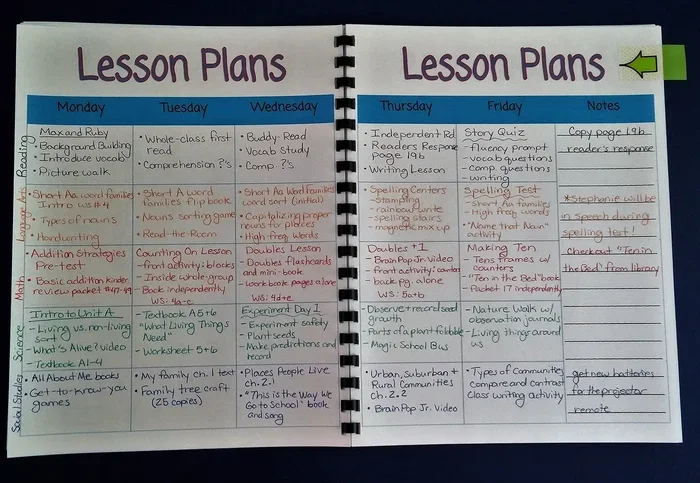
- Teachers rely on lesson plans and instructional materials to bring the curriculum to life in the classroom.
- Regular curriculum review ensures that content stays relevant and effective for modern learners.
- Parents and communities play a vital role in shaping school curriculum priorities and expectations.
- Understanding curriculum planning helps everyone involved in education make informed decisions.
📑 Table of Contents
What Is a Curriculum in Education?
At its core, a curriculum in education is the blueprint for learning. It spells out what students should know, understand, and be able to do at each stage of their academic journey. Think of it as a roadmap that teachers follow to guide students from one level of knowledge to the next.
But a curriculum is so much more than a list of topics. It encompasses learning goals, the teaching methods used to reach those goals, the assessment criteria that measure progress, and the instructional materials that support daily lessons. Every textbook, worksheet, classroom activity, and exam ties back to the curriculum in some way.
When people ask “what is a curriculum in education,” they are really asking about the heart of the learning experience. It answers the big questions: What should students learn? Why does it matter? And how will we know they have learned it? A well-designed educational framework addresses all three of these questions with clarity and purpose.
The concept of a school curriculum has evolved significantly over the decades. In the past, curricula were often rigid and focused mainly on memorization. Today, modern curriculum design emphasizes critical thinking, creativity, collaboration, and real-world application. This shift reflects a deeper understanding of how students learn best.
The Building Blocks of a Curriculum
Every curriculum in education rests on a few essential building blocks. These elements work together to create a cohesive learning experience. Let us break them down.
Learning Objectives are the foundation. They define exactly what a student should be able to do after completing a lesson, unit, or entire course. These objectives are specific, measurable, and tied to broader academic standards.
Content and Subject Areas cover the actual material students will study. This might include math, science, language arts, social studies, and more. A well-organized curriculum ensures that subject areas connect to each other and build on prior knowledge.
Teaching Methods describe how educators deliver content. Some teachers use lectures, while others prefer hands-on projects, group discussions, or technology-based activities. The best curriculum design includes a mix of methods to reach different types of learners.
Assessment and Evaluation tools help teachers measure whether students have met the learning objectives. These can range from quizzes and tests to essays, presentations, and portfolios. Assessment criteria should align directly with what students are expected to learn.
Instructional Materials are the resources teachers use daily. Textbooks, digital tools, manipulatives, videos, and worksheets all fall into this category. High-quality materials make a curriculum more engaging and accessible for every student.
Types of Curriculum Design
Not all curriculum in education models look the same. Different approaches serve different goals and populations. Here are the most common types of curriculum design you will encounter.
Subject-Centered Curriculum
This is the traditional model where the curriculum is organized around specific subjects like mathematics, history, or biology. Each subject stands on its own, and learning goals are defined by discipline. This approach is straightforward and easy to measure, which is why it has been popular for decades. Many standardized tests and academic standards are built on this model.
Learner-Centered Curriculum
A learner-centered curriculum puts the student at the heart of the experience. Instead of focusing only on subjects, it considers individual needs, interests, and learning styles. Teachers act more as facilitators than lecturers. This approach often includes project-based learning, personalized lesson plans, and flexible pacing. It aligns well with modern ideas about competency-based education.
Problem-Centered Curriculum
This model organizes learning around real-world problems. Students tackle complex challenges that require them to draw on knowledge from multiple subject areas. It promotes critical thinking, creativity, and collaboration. Problem-centered curriculum design is popular in STEM education and vocational training programs.
Why a Curriculum in Education Matters
You might wonder why the curriculum in education deserves so much attention. The answer is simple: it affects everything. From the first day of kindergarten to the last day of high school, the curriculum shapes what students learn and how they think about the world.
A clear and well-structured educational framework gives teachers direction. Without it, even the most talented educators would struggle to deliver consistent, meaningful instruction. A good curriculum ensures that every student has access to the same essential knowledge and skills, regardless of which teacher or school they attend.
For students, a strong curriculum provides a sense of purpose and progression. They can see how each lesson connects to the next and how their efforts lead to real growth. This sense of direction boosts motivation and confidence. When learning goals are clear and achievable, students are more likely to stay engaged.
Parents also benefit from understanding the school curriculum. When they know what their children are expected to learn, they can better support learning at home. They can have more productive conversations with teachers and make informed decisions about supplemental resources or tutoring.
Beyond individual classrooms, a thoughtful curriculum shapes communities and societies. It determines what knowledge and values are passed from one generation to the next. A curriculum that emphasizes empathy, diversity, and critical thinking helps build a more informed and compassionate world.
How Curriculum Impacts Student Outcomes
Research consistently shows that curriculum design has a direct impact on student outcomes. When a curriculum in education is well-crafted, students perform better on assessments, show deeper understanding, and retain knowledge longer. On the flip side, a poorly designed curriculum can leave gaps in learning and frustrate both teachers and students.
Effective curriculum planning involves ongoing review and adjustment. Schools that regularly evaluate their educational framework and update instructional materials tend to see better results over time. This process of continuous improvement is key to keeping any curriculum relevant and effective.
The Role of Teachers in Curriculum Implementation
Teachers are the bridge between a curriculum in education and the students who experience it every day. While the curriculum design sets the direction, it is the teacher who brings it to life in the classroom. This role is both powerful and challenging.
Skilled educators understand how to adapt lesson plans to meet the diverse needs of their students. They know when to stick closely to the curriculum and when to improvise based on student questions and interests. This balance between structure and flexibility is what makes teaching such a dynamic profession.
Teachers also play a key role in curriculum review. They are often the first to notice when a particular learning objective is not working or when assessment criteria need adjustment. Their frontline experience provides invaluable feedback that shapes the ongoing evolution of any educational framework.
Professional development is another important piece. Teachers need regular training on new teaching methods, updated instructional materials, and changes to the school curriculum. When schools invest in their teachers, they invest in the quality of the curriculum itself.
Common Challenges in Curriculum Development
Building and maintaining a strong curriculum in education is not easy. Schools and districts face many challenges along the way. Understanding these obstacles can help us appreciate the effort that goes into creating a quality educational framework.
Limited Resources is one of the biggest hurdles. Not every school has the funding for updated textbooks, technology, or training. A curriculum that requires expensive materials may not be practical for all communities. Creative curriculum planning can help bridge these gaps, but it takes time and effort.
Changing Standards create another challenge. Academic standards evolve as research on learning evolves. A curriculum design that was effective five years ago may need significant updates today. Keeping pace with these changes requires commitment and ongoing investment.
Diverse Student Needs add complexity. Every classroom includes students with different backgrounds, abilities, and learning styles. A one-size-fits-all curriculum rarely works well. Teachers must differentiate instruction and find ways to make the core curriculum accessible to every learner.
Balancing Coverage and Depth is a perennial tension. There is always more content than time allows. Teachers must decide which learning objectives to prioritize and how deeply to explore each topic. This decision-making shapes the quality of student outcomes more than almost any other factor.
How to Evaluate a Curriculum
Not all curriculum in education models are created equal. How do you know if a particular curriculum is effective? Here are some key factors to consider.
First, look at alignment with standards. A strong educational framework should align with recognized academic standards at the state or national level. This alignment ensures that students are learning what they need for future success.
Second, check for balance. A good curriculum covers essential content while also leaving room for exploration and creativity. It balances knowledge acquisition with skill development. It addresses subject areas in a way that feels connected rather than fragmented.
Third, consider assessment quality. The assessment criteria should measure more than just memorization. They should test understanding, application, and critical thinking. Strong assessment tools give teachers useful feedback and help students track their own growth.
Fourth, evaluate engagement. Does the curriculum design capture students’ interest? Are instructional materials varied and relevant? Engaging lesson plans lead to better participation and deeper learning.
Finally, seek feedback from stakeholders. Teachers, students, parents, and administrators all have valuable perspectives on how well a curriculum is working. Regular input from these groups helps schools make informed improvements.
Quick Tips for Understanding Any Curriculum
Whether you are a teacher, parent, or student, these tips will help you navigate any curriculum in education with confidence.
- Read the learning objectives carefully. They tell you exactly what is expected at each stage.
- Ask questions about assessment criteria. Understanding how students will be evaluated helps you focus your efforts.
- Look for connections between subject areas. Real learning happens when knowledge from different areas overlaps.
- Review the instructional materials available. Quality resources make a big difference in how effectively a curriculum is delivered.
- Stay curious about curriculum design principles. The more you understand about how curricula are built, the better you can use them.
Language plays a powerful role in education too. Teachers often use similes for education, metaphors for education, and even idioms for education to make complex ideas more relatable and memorable. These figurative language tools help students grasp abstract concepts by connecting them to familiar experiences. For example, describing the learning process as “building a bridge” or comparing knowledge to a “growing tree” can make a lesson more vivid and impactful.
Conclusion
A curriculum in education is far more than a checklist of topics. It is the foundation upon which all meaningful learning is built. From curriculum design and learning objectives to teaching methods and assessment criteria, every element works together to create a coherent and effective learning experience.
Understanding what a curriculum is and why it matters empowers everyone in the education process. Teachers can deliver with greater confidence. Students can learn with more direction. Parents can support with more insight. And communities can invest with more purpose. When we take curriculum planning seriously, we invest in the future of every learner.
The next time you hear the phrase curriculum in education, remember that it represents so much more than a syllabus. It represents hope, opportunity, and the deliberate effort to prepare young minds for the world ahead. A well-crafted educational framework has the power to transform lives, and that is why it deserves our attention and care.
Frequently Asked Questions
What is a curriculum in education in simple terms?
A curriculum in education is the structured plan that outlines what students will learn, how they will learn it, and how their progress will be measured. It includes learning objectives, teaching methods, assessment criteria, and all the instructional materials used in the classroom.
Why is curriculum important in education?
A strong curriculum provides consistency, direction, and quality across classrooms and schools. It ensures that every student has access to essential knowledge and skills. It also gives teachers a clear framework for delivering effective instruction and helps parents understand what their children are expected to learn.
What are the main types of curriculum design?
The three main types are subject-centered, learner-centered, and problem-centered curriculum design. A subject-centered approach organizes learning around specific disciplines. A learner-centered approach focuses on individual student needs and interests. A problem-centered approach uses real-world challenges to drive learning across subject areas.
How often should a curriculum be reviewed?
Most schools aim to review their curriculum in education at least every three to five years. However, rapid changes in knowledge, technology, and academic standards may require more frequent updates. Ongoing curriculum review helps keep the educational framework relevant and effective.
Can parents influence the school curriculum?
Yes, parents can and should have a voice in curriculum planning. Many schools seek parent input through surveys, meetings, and advisory committees. When parents understand the school curriculum and share their perspectives, they help shape a more responsive and inclusive educational framework.
What is the difference between a curriculum and a lesson plan?
A curriculum is the big picture. It defines the overall educational framework, including learning goals and assessment criteria across an entire course or grade level. A lesson plan is a detailed guide for a single class session. It translates the broader curriculum into specific activities and objectives for one day of teaching.


