
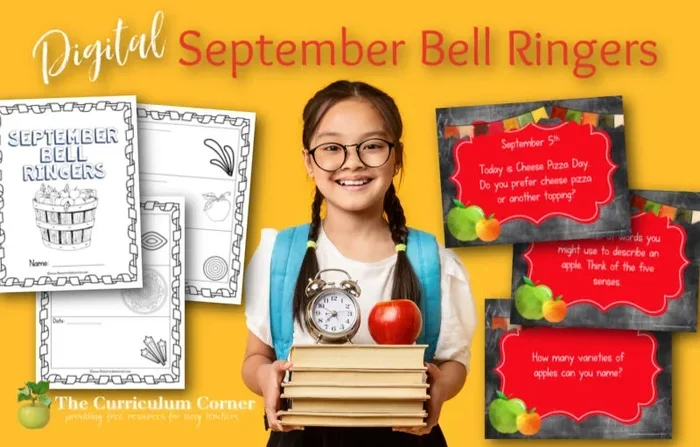
A bell ringer in education is a short warm-up exercise students complete as soon as they enter the classroom. It acts as a lesson starter that grabs attention, reviews prior knowledge, and transitions learners into active learning mode. Teachers use bell work to improve classroom management, save valuable instructional time, and build a consistent academic routine that keeps students focused and ready to learn.
Every great lesson starts before the teacher even begins speaking. The first few minutes of class set the tone for everything that follows. That is exactly where a bell ringer in education comes into play.
If you have ever walked into a classroom where students were chatting, fidgeting, or staring at the clock, you know how hard it can be to get everyone on track. A bell ringer solves that problem. It is a short, focused activity that students begin the moment they walk through the door. Think of it as a warm-up exercise for the brain.
In this article, we will explore everything you need to know about bell ringers. We will look at what they are, why they matter, and how you can use them to transform your classroom routine. Whether you are a new teacher or a seasoned pro, you will find practical ideas you can use right away.
Key Takeaways
- A bell ringer is a quick opening activity done at the start of class: It typically lasts 5 to 10 minutes and primes students for the lesson ahead.
- It dramatically improves student engagement and classroom management: Students settle in faster and waste less time transitioning into learning mode.
- There are many types of bell ringer activities: Quick writes, do-now prompts, review questions, and similes for education or metaphors for education exercises all work well.
- It supports formative assessment and retrieval practice: Teachers can gauge understanding and activate prior knowledge in just a few minutes.
- Consistency is key: When bell work becomes a daily habit, students feel more prepared and confident.
- It benefits both new and experienced teachers: The strategy is flexible, easy to adapt, and works across all grade levels and subjects.
📑 Table of Contents
What Exactly Is a Bell Ringer in Education?
A bell ringer is a brief activity that students complete as soon as they enter the classroom. It is sometimes called bell work, a do now, or a lesson starter. The name comes from the idea that the bell rings to signal the start of class, and students should already be working.
These activities usually last between 5 and 10 minutes. They are designed to be simple and clear. Students should not need a lot of explanation to get started. The goal is to ease them into learning mode without a rocky transition.
Why Do Teachers Call It a Bell Ringer?
The term bell ringer has a long history in schools. In many schools, a bell or chime signals the start and end of each class period. When the bell rings, students are expected to be seated and working. The activity they do right after the bell is the bell ringer. It rings them in, just like a bell rings people into a church or a ceremony.
Over time, the phrase stuck. Today, bell ringers are a staple in classrooms around the world. They appear in elementary schools, middle schools, high schools, and even college lecture halls.
How Is a Bell Ringer Different From a Regular Assignment?
A bell ringer is not graded homework or a major project. It is a low-stakes activity meant to activate thinking. It is not about getting a perfect score. It is about getting students ready to learn. A regular assignment often has clear due dates and detailed instructions. A bell ringer is quick, informal, and designed to build momentum.
Also, a bell ringer connects directly to the day’s lesson. It might review something from yesterday, preview today’s topic, or spark a discussion. This makes it different from busy work, which has no clear learning purpose.
Why Bell Ringers Matter in the Classroom
You might wonder why such a simple activity gets so much attention. The truth is, bell ringers have a big impact. They address some of the most common challenges teachers face every day.
They Improve Student Engagement Right Away
When students walk in and immediately have something to do, they are less likely to get distracted. A bell ringer captures their attention from the first second. Instead of wasting time on off-task behavior, students are focused on the prompt in front of them. This active learning approach sets a positive tone for the entire class period.
Think about it this way. If you start a meeting with a quick icebreaker, everyone pays attention. The same principle applies in the classroom. A bell ringer acts as that icebreaker. It signals that learning has begun.
They Help With Classroom Management
One of the biggest struggles for teachers is managing the chaos of students entering a room. Talking, laughing, running around, and looking for materials can eat up valuable minutes. A bell ringer gives students a clear expectation the moment they walk in. They know exactly what to do. This reduces downtime and minimizes behavioral issues.
When students are engaged in a bell ringer, the teacher can take attendance, hand out papers, or handle other tasks quietly. The classroom runs more smoothly. Everyone benefits.
They Save Precious Instructional Time
Every minute of class time matters. Without a bell ringer, teachers often lose 5 to 10 minutes at the start of class just getting students settled. That adds up over weeks and months. A bell ringer turns wasted transition time into productive learning time.
Over a school year, those saved minutes can translate into hours of extra instruction. That is a powerful teaching strategy that requires almost no extra effort to implement.
They Support Retrieval Practice and Memory
Research in cognitive science shows that retrieving information strengthens memory. A bell ringer that asks students to recall something from a previous lesson acts as a natural formative assessment tool. It helps students retain knowledge over time.
This technique is sometimes called spaced retrieval. By regularly asking students to pull information from memory, bell work helps them remember more in the long run. It is one of the simplest and most effective learning strategies available.
Types of Bell Ringer Activities
The beauty of a bell ringer is its flexibility. You can use many different formats depending on your subject, grade level, and learning goals. Here are some of the most popular types.
Quick Write Prompts
A quick write asks students to respond to a short question or statement in writing. For example, you might display a quote on the board and ask students to explain what it means to them. This type of bell work builds writing skills and encourages reflection.
Quick writes work in almost every subject. In science, you might ask, “What is one thing you remember from yesterday’s experiment?” In history, you could pose a question like, “Why do you think people moved west in the 1800s?”
Do Now Prompts
A do now is similar to a bell ringer but often even shorter. It is a single task that students can complete in 2 to 3 minutes. Examples include solving a math problem, correcting a sentence, or filling in a blank on a diagram.
Do now activities are great for building momentum. They give students a quick win early in class, which builds confidence and motivation.
Review and Spiral Questions
Spiral review means revisiting topics from earlier in the year. A bell ringer that includes a few spiral questions helps students retain knowledge over time. This type of academic routine keeps old material fresh without taking up a lot of class time.
Teachers love spiral review because it reduces the need for extensive test prep later in the year. Students stay familiar with past topics naturally.
Creative Thinking Prompts
Some bell ringers are purely creative. You might ask students to come up with a simile for education or a metaphor for education. These types of prompts encourage students to think outside the box and make connections between ideas.
For example, you could ask, “Write a simile for education that describes how learning feels to you.” This not only activates creative thinking but also gives you insight into how students view their own learning journey. You can also explore similes for a person or metaphors for a person as warm-up exercises that help students practice descriptive language while connecting to personal experiences.
Creative bell work is especially effective in language arts, social studies, and art classes. But it can be adapted for any subject with a little imagination.
Language and Idiom Exercises
Another engaging option is to use idioms for education, similes for education, or metaphors for education as bell ringer prompts. These exercises help students build vocabulary, understand figurative language, and improve comprehension skills. They also make for excellent discussion starters when students share their answers with a partner.
You might ask students to explain what a particular idiom for education means in their own words, or challenge them to create their own metaphor for a forest or simile for a lot. These activities sharpen critical thinking while keeping the opening activity fun and relevant.
How to Implement Bell Ringers Successfully
Setting up a bell ringer routine is easy, but doing it well takes a little planning. Here are some tips to make it work in your classroom.
Start Small and Be Consistent
Do not try to change everything at once. Start with a simple bell ringer that takes just 3 to 5 minutes. Use it every day at the same time. Consistency is what turns a new activity into a habit.
When students know what to expect, they settle in faster. They do not need to be told what to do. The routine becomes automatic, and that frees up more time for actual teaching.
Keep It Visible and Accessible
Display the bell ringer prompt on the board, a projector, or a printed handout. Make sure every student can see it clearly. If you use a digital display, consider posting the same prompt in the same spot every day.
Some teachers use a dedicated board or wall space for bell work. This creates a visual cue that signals the start of the routine. Students see the board and immediately begin working.
Hold Students Accountable
A bell ringer should not be optional. Collect responses regularly or have students share their answers aloud. This keeps everyone engaged and shows that the activity matters.
You do not need to grade every response. A simple check mark or a quick thumbs-up is enough sometimes. The goal is to reinforce the habit, not to create extra grading work for yourself.
Vary the Format to Keep It Fresh
Using the same type of bell ringer every day can get boring. Mix it up. Alternate between quick writes, review questions, creative prompts, and language exercises. You can even let students suggest their own bell ringer ideas once in a while.
Variety keeps students interested and accommodates different learning styles. Some students love writing. Others prefer drawing or discussing. A varied approach reaches more learners.
Connect the Bell Ringer to the Lesson
The best bell ringers are not random. They connect directly to the day’s learning objective. When students see a clear link between the opening activity and the main lesson, they understand the purpose of the exercise.
For example, if the lesson is about the water cycle, a bell ringer might ask students to list three things they already know about water. This activates prior knowledge and creates a natural bridge into the new material.
Common Mistakes to Avoid With Bell Ringers
Even with the best intentions, teachers can make mistakes when using bell ringers. Here are a few pitfalls to watch out for.
Making the Activity Too Complicated
A bell ringer should be simple enough that students can start without asking questions. If the prompt is confusing, you will spend valuable time explaining it. Keep instructions clear and concise. Use simple language and provide examples when needed.
Making It Too Long
The whole point of a bell ringer is brevity. If the activity takes more than 10 minutes, it is not a bell ringer anymore. It becomes a full lesson. Keep it short and focused. You can always extend the discussion later in the class.
Skipping It When You Are Short on Time
Consistency is the backbone of any bell ringer routine. If you skip it often, students will stop taking it seriously. Even if you are running short on time, try to fit in a quick 2-minute version. The habit matters more than the length.
Using Bell Ringers as Punishment
Never use a bell ringer as a consequence for misbehavior. It should always feel like a positive start to the class. If students associate bell work with punishment, they will resist it. Keep the tone light and encouraging.
Expert Insights on Bell Ringers
Many experienced educators swear by bell ringers as one of the most effective teaching strategies they use. According to classroom research, teachers who use opening activities consistently report higher levels of student engagement and fewer behavioral issues during the first 10 minutes of class.
Experts also note that bell ringers are especially powerful for formative assessment. By reviewing student responses to daily prompts, teachers can identify gaps in understanding early. This allows them to adjust instruction in real time rather than waiting for a test to reveal problems.
One veteran teacher shared this insight: “A bell ringer is like a warm-up before a workout. It gets the brain moving. Without it, students sit cold and take much longer to get into the lesson.” This analogy captures the essence of why bell work is so valuable.
Another key benefit that experts highlight is the role bell ringers play in building a classroom culture of respect and routine. When every student starts class with the same task, it creates a sense of fairness and predictability. This is especially important in diverse classrooms where students come from different backgrounds and may need extra structure to feel comfortable.
Educational researchers also point out that bell ringers support active learning by shifting the responsibility from the teacher to the student. Instead of the teacher being the sole source of instruction from the first second, students take ownership of their learning from the moment they enter the room. This small shift can have a profound impact on student motivation and self-direction over the course of a school year.
Final Thoughts on the Power of Bell Ringers
A bell ringer in education is one of those simple strategies that delivers outsized results. It takes just a few minutes a day but can transform the way your classroom runs. Students start class focused, engaged, and ready to learn. Teachers save time and reduce behavior problems.
The key is to start small, stay consistent, and keep the activities varied and meaningful. Whether you use quick writes, review questions, creative prompts, or similes for education exercises, the goal remains the same: get students thinking from the moment they walk in the door.
Try implementing a bell ringer in your classroom this week. You might be surprised at how much of a difference it makes. Over time, it becomes second nature. You will wonder how you ever taught without it. The power of a strong opening activity should never be underestimated. It truly sets the stage for everything that follows.
Remember, the best teaching strategy is one you actually use consistently. A bell ringer is easy to start, easy to maintain, and incredibly effective. Give it a try and watch your classroom management and student engagement improve before your eyes.
Frequently Asked Questions
What is a bell ringer in education?
A bell ringer is a short activity that students complete as soon as they enter the classroom. It typically lasts 5 to 10 minutes and serves as a warm-up to prepare students for the lesson ahead. It helps transition learners from social time into active learning mode.
Why are bell ringers important for teachers?
Bell ringers improve classroom management, save instructional time, and boost student engagement from the very first minute. They give students a clear expectation and help teachers handle administrative tasks quietly while students settle in.
How long should a bell ringer activity take?
A good bell ringer should last between 3 and 10 minutes. It should be short enough to keep students focused but long enough to activate their thinking. The key is consistency and clarity, not duration.
What are some examples of bell ringer activities?
Common examples include quick writes, do now prompts, review questions, creative thinking tasks, and language exercises like similes for education or metaphors for education. You can also use idioms for education or similes for a person as engaging bell work that builds vocabulary and critical thinking.
Can bell ringers be used in any subject?
Absolutely. Bell ringers work in math, science, English, history, art, and every other subject. The format can be adapted to fit any learning objective. The key is to connect the prompt to the day’s lesson in a meaningful way.
How often should teachers use bell ringers?
For the best results, use bell work every day. Consistency builds routine, and routine builds student confidence. Even a short 2-minute bell ringer daily is more effective than a longer activity used only occasionally.


