
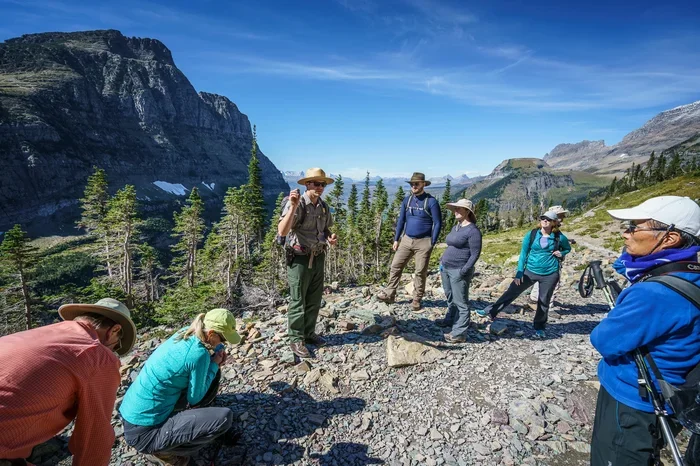
The education required to be a park ranger varies by agency and role, but most paths start with a solid foundation in natural sciences or park management. You can enter the field with just a high school diploma and hands-on experience, though many positions now prefer or require an associate’s or bachelor’s degree. This guide covers every educational route, from certifications to advanced degrees, so you can plan your conservation career with confidence.
Have you ever dreamed of spending your days surrounded by towering trees, clear lakes, and wildlife? Becoming a park ranger might be your perfect career. But before you lace up your hiking boots, you need to know the education required to be a park ranger. The good news? There are several routes, and you don’t need a four-year degree to start.
Park rangers protect natural areas, educate visitors, and enforce park rules. They work for the National Park Service, state agencies, and local recreation departments. The park ranger education you need depends on the specific job you want. Some roles focus on conservation, while others emphasize law enforcement or visitor services. Understanding these paths early helps you plan your steps wisely.
Whether you are a high school student or a career changer, this guide breaks down every educational option. You’ll learn about degrees, certifications, and hands-on experience that make you a strong candidate. Let’s explore what it takes to turn your love for nature into a meaningful career.
Key Takeaways
- No single path exists: A high school diploma plus experience can qualify you for seasonal ranger roles.
- Degrees boost your chances: An associate’s or bachelor’s in environmental science, forestry, or park management is increasingly preferred.
- Certifications matter: Law enforcement commissions and interpretive guide credentials open specialized doors.
- Volunteer work builds your resume: Seasonal internships and trail crew experience are gold.
- Communication skills are key: Rangers use educational idioms and forest similes to connect with visitors.
- Start now: You can begin preparing today with free online courses and local conservation volunteer programs.
📑 Table of Contents
What Does a Park Ranger Actually Do?
Daily Responsibilities
A park ranger wears many hats. On a typical day, you might lead a nature hike, check trail conditions, or answer visitor questions at the ranger station. You could also monitor wildlife, enforce park regulations, or assist in search and rescue operations. The work is physical and outdoors, but it also demands strong people skills.
Rangers often work in teams. They coordinate with conservation officers, maintenance crews, and volunteers. A solid park ranger education helps you understand the science behind the tasks. You’ll learn about ecology, fire management, and public lands stewardship. These knowledge areas make your daily duties easier and more effective.
Seasonal vs. Full-Time Roles
Many ranger positions are seasonal. Summer jobs attract college students and career changers who want to test the waters. Seasonal roles often require less formal education required to be a park ranger and more physical fitness. You might work from May through September, then pursue further studies or other jobs in the off-season.
Full-time positions usually come with more benefits and stability. Agencies prefer candidates with completed degrees in conservation or related fields. Full-time rangers may specialize in law enforcement, resource management, or interpretive programming. Both paths offer incredible experiences, but your education level can shape which one you access first.
The Minimum Education Required to Be a Park Ranger
High School Diploma Pathway
You can start a park ranger career with just a high school diploma or GED. Many agencies hire seasonal rangers who show a passion for the outdoors and basic fitness. This education required to be a park ranger path relies heavily on hands-on experience. Volunteer work, trail crews, and seasonal internships are your best friends here.
To strengthen your application, take high school courses in biology, earth science, or forestry. These subjects give you a head start in understanding natural resources. You can also pursue a park ranger certification through local outdoor organizations. These short programs teach wilderness first aid, Leave No Trace principles, and visitor interpretation basics.
Associate’s Degree Options
An associate’s degree takes about two years and opens more doors. Community colleges often offer programs in natural resources, park management, or outdoor recreation. These degrees combine classroom learning with field labs. You’ll study topics like wildlife habitat, forest ecology, and recreation planning.
An associate’s degree can qualify you for full-time seasonal or entry-level permanent positions. It also makes you eligible for higher pay grades in many agencies. If you want to advance later, you can easily transfer credits toward a bachelor’s degree. This flexible path is a smart choice for those who want to enter the workforce quickly.
Degree Programs That Boost Your Hiring Chances
Environmental Science and Forestry
A bachelor’s degree in environmental science or forestry is a powerful asset. These programs dive deep into ecology, conservation biology, and natural resource management. You’ll learn how to assess forest health, manage water resources, and protect endangered species. This education required to be a park ranger is ideal for those who want to lead resource management teams.
Many park service agencies list a bachelor’s degree as a preferred or required qualification for permanent ranger positions. Graduates often start as park rangers, conservation officers, or environmental scientists. The degree signals that you can handle complex ecological data and policy work. It also prepares you for advanced roles like park superintendent or regional director.
Park Management and Recreation
Some universities offer dedicated degrees in park management, outdoor recreation, or tourism management. These programs focus on the business and visitor side of parks. You’ll study budgeting, marketing, trail design, and interpretive program development. This park ranger education path suits people who love interacting with the public.
Graduates often work as interpretive rangers, recreation planners, or visitor services managers. They design educational hikes, create exhibits, and coordinate special events. While the degree is less science-heavy, it still provides a strong foundation in public lands stewardship. It’s a great fit for those who want to connect people with nature.
Certifications and Specialized Training
Law Enforcement Commission
Some park rangers serve as law enforcement officers. They carry firearms, enforce federal and state laws, and conduct investigations. To qualify for these roles, you usually need a park ranger certification through a law enforcement training academy. Many agencies require seasonal rangers to complete this commission before carrying a badge.
The training covers criminal law, defensive tactics, and emergency vehicle operations. It also includes modules on natural resource protection and search and rescue. You don’t always need a degree for this path, but a background in criminal justice or conservation officer education helps. Physical fitness and a clean background check are mandatory.
Interpretive Guide Certification
Interpretive rangers specialize in educating visitors. They lead talks, run junior ranger programs, and create educational materials. Many agencies require or prefer a certification in interpretive guiding. Organizations like the National Association for Interpretation offer these credentials.
The coursework covers storytelling techniques, audience engagement, and interpretation planning. It teaches you how to explain complex ecological concepts in simple, memorable ways. This training pairs well with any degree in education, communications, or environmental science. It’s a fast track to a rewarding interpretive career.
How Communication Skills Tie into Your Education
Using Idioms and Similes in Visitor Talks
Rangers often explain rules and history to diverse audiences. Using familiar language makes your message stick. When explaining park regulations, you might rely on idioms for education to make complex rules memorable. For example, saying “a watched pot never boils” can help visitors understand why patience is key in wildlife viewing. These phrases connect with people on a relatable level.
Describing a dense woodland or a rushing river might feel like a simile for a forest—vivid and precise. Saying “the trees stood as tall as skyscrapers” paints a clear picture for city visitors. Such comparisons turn a simple walk into a vivid story. Strong communication skills are part of your park ranger education because they bridge the gap between nature and people.
Metaphors That Make Training Stick
In training sessions, instructors use metaphors for education to simplify tough concepts. Comparing a forest ecosystem to a woven blanket helps new rangers see how every species connects. This teaching method makes abstract ideas concrete and easy to remember. Whether you are learning about fire ecology or visitor engagement, these language tools enhance your learning.
As a ranger, you’ll use similar metaphors on the job. Saying “this trail is the spine of the park” gives visitors a mental map. Your ability to craft and share such comparisons grows from your educational background. The more you read and practice, the more naturally these tools come to you. Strong communication is a core part of any education required to be a park ranger.
Real-World Tips for Getting Hired
Gain Volunteer Experience
Agencies value candidates who already know the work. Volunteering with trail crews, wildlife surveys, or visitor centers gives you real-world experience. It also shows your commitment to conservation and public lands. Many seasonal ranger hires come from volunteer pools. Start by contacting your local state or national park office.
Join a trail maintenance crew or a habitat restoration team. These roles teach you practical skills like chain saw operation, GPS mapping, and native plant identification. You’ll also build a network of park professionals. That network can lead to job referrals and strong recommendation letters. Volunteer work is one of the best investments you can make in your career.
Build a Strong Application
Your resume should highlight both education and experience. List your degrees, certifications, and any relevant coursework. Include volunteer hours, seasonal jobs, and outdoor skills like first aid or wilderness navigation. Tailor each application to the specific park ranger job description. Use keywords from the posting, such as “visitor services” or “resource management.”
Prepare for interviews by studying the agency’s mission and current projects. Practice explaining why you want to work in parks. Share stories from your volunteer or educational experiences. A strong application combines the right education required to be a park ranger with a genuine passion for nature. Show them you are ready to learn and serve.
Final Thoughts on Park Ranger Education
The path to becoming a park ranger is as diverse as the landscapes you’ll protect. Whether you start with a high school diploma, earn an associate’s or bachelor’s degree, or pursue specialized certifications, every step counts. Your park ranger education gives you the knowledge to care for natural resources and share them with the public. It also opens doors to advanced roles and higher pay.
Remember that hands-on experience often matters just as much as a diploma. Volunteer, intern, and seek out seasonal positions early. Build your communication skills and learn to connect with people from all walks of life. With the right mix of learning and effort, you can turn your love for the outdoors into a fulfilling career. Start exploring your options today, and take the first step toward protecting the places you love.
Frequently Asked Questions
What is the minimum education required to be a park ranger?
Many seasonal ranger positions require only a high school diploma or GED, along with relevant experience. However, full-time roles often prefer or require an associate’s or bachelor’s degree in a related field. The exact education required to be a park ranger depends on the agency and the specific job duties.
Can I become a park ranger without a degree?
Yes, you can start with a high school diploma and hands-on experience. Seasonal roles and some entry-level positions do not mandate a degree. Gaining volunteer experience and certifications can significantly boost your chances even without a formal degree.
What degree is best for a park ranger career?
Degrees in environmental science, forestry, park management, or outdoor recreation are highly valued. These programs cover ecology, conservation, and visitor services. Choosing a degree in conservation that aligns with your interests gives you the strongest foundation.
How long does it take to get the education required to be a park ranger?
A high school diploma takes four years, an associate’s degree takes two years, and a bachelor’s degree takes four years. Certifications and training programs can be completed in weeks or months. You can start with a shorter credential and continue your park ranger education over time.
Do park rangers need law enforcement training?
Only rangers in law enforcement roles need a commission or academy training. Interpretive rangers and resource managers typically do not carry firearms. The education required to be a park ranger in law enforcement includes additional academy certification and physical fitness standards.
What certifications help besides a degree?
Interpretive guide certification, wilderness first aid, and Leave No Trace training are highly valuable. These credentials show initiative and practical skill. They complement any conservation career path and make your resume stand out to hiring managers.
=== CONCLUSION ===
The education required to be a park ranger is flexible and accessible to many. You can begin with a diploma, build experience through volunteer work, and later pursue a degree or certification. Each step strengthens your knowledge and your resume. Whether you choose a science-focused path or a recreation and interpretation route, your passion for nature is the real foundation.
Start where you are, use what you have, and keep learning. The parks need dedicated people who care about the land and the visitors. With the right park ranger education and a willingness to get your hands dirty, you can build a career that truly makes a difference. Take that first step today and explore the trails ahead of you.


