
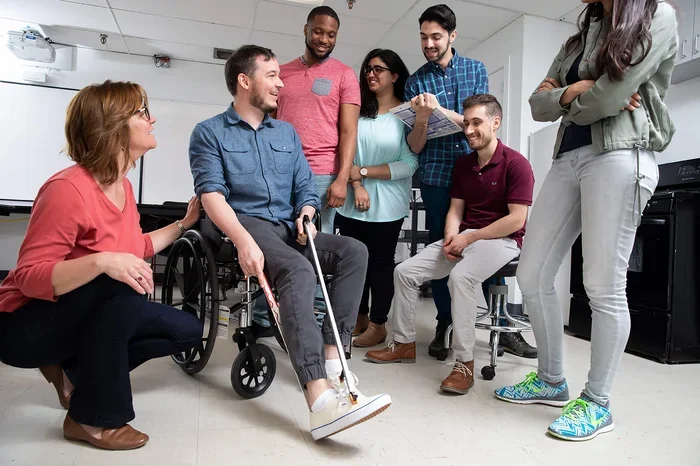
To become an occupational therapist, you need a master’s or doctoral degree from an accredited program, complete supervised fieldwork, and pass a national licensure exam. The journey typically takes six to eight years of higher education. This guide walks you through every step of the OT education requirements, from undergraduate prerequisites to specialization options.
Choosing a career in healthcare is a big decision. If you are drawn to helping people regain independence in their daily lives, occupational therapy might be the perfect fit. But before you dive in, you need to know exactly what education is needed to become an occupational therapist. This guide breaks down every step clearly and simply.
The path to becoming an OT is not short. It involves several years of schooling, hands-on clinical training, and passing a national exam. But the reward is a fulfilling career where you make a real difference in people’s lives. Let us walk through the entire journey together.
Key Takeaways
- Master’s or Doctoral Degree Required: A Master of Occupational Therapy (MOT) or Doctor of Occupational Therapy (OTD) is mandatory for practice.
- Bachelor’s Degree First: You need a bachelor’s degree with specific prerequisites before entering a graduate OT program.
- Fieldwork Is Essential: Supervised clinical fieldwork hours are a core part of every accredited occupational therapy program.
- Licensure Exam Required: Passing the NBCOT exam is the final step before you can practice as a licensed occupational therapist.
- Specializations Exist: You can focus on areas like pediatric OT, geriatric OT, or hand therapy after earning your degree.
- Continuing Education Matters: Licensed OTs must complete ongoing education to maintain their credentials and stay current.
- Timeline Is Six to Eight Years: From undergraduate studies to full licensure, plan for a significant time investment.
📑 Table of Contents
- What Is Occupational Therapy and Why Does It Matter?
- Undergraduate Education: The First Step
- Graduate Education: Master’s or Doctoral Degree
- Fieldwork and Clinical Experience
- Licensure and Certification
- Specializations and Career Paths
- How Long Does the Entire Process Take?
- Common Mistakes to Avoid
- Expert Insights: What OTs Wish They Knew Earlier
- Is Becoming an Occupational Therapist Worth It?
What Is Occupational Therapy and Why Does It Matter?
Occupational therapy helps people of all ages do the things they want and need to do in daily life. This includes tasks like dressing, cooking, working, and playing. OTs work with patients who have injuries, disabilities, or developmental challenges. They create personalized plans to improve function and independence.
The field of occupational therapy is growing fast. More people need rehab services as populations age and awareness of mental health increases. The Bureau of Labor Statistics projects strong job growth for OTs through 2032. This means now is a great time to explore the occupational therapy career path.
Educators often use similes for education to explain complex concepts in simple terms, and the same principle applies here. Think of an occupational therapist as a bridge between a patient’s current abilities and their desired daily life. You help people cross from struggle to independence, one activity at a time.
Undergraduate Education: The First Step
Before you can enter a graduate OT program, you must complete a bachelor’s degree. There is no single required major, but certain subjects build a strong foundation. Most accredited occupational therapy programs expect specific prerequisite courses.
Recommended Bachelor’s Degrees
While you can major in anything, these degrees align well with OT school requirements:
- Biology or Anatomy: Gives you a deep understanding of the human body.
- Psychology: Teaches you about human behavior and mental health.
- Kinesiology or Exercise Science: Covers movement and physical function.
- Health Sciences: A broad foundation in healthcare concepts.
- Sociology or Anthropology: Builds cultural awareness and social understanding.
Key Prerequisite Courses
Most OT graduate programs require these undergraduate courses:
- Human Anatomy and Physiology (usually two semesters)
- General Psychology
- Statistics or Research Methods
- Biology with Lab
- English or Communications
- Medical Terminology
- One Social or Behavioral Science
Keep your GPA competitive. Most graduate programs look for a GPA of 3.0 or higher, but top occupational therapy schools often want 3.5 or above. Also, gain volunteer or observation hours in OT settings. Many programs require 20 to 50 hours of documented experience before you apply.
Graduate Education: Master’s or Doctoral Degree
This is the most important part of your journey. You cannot practice as an occupational therapist without a graduate degree. The two main options are a Master of Occupational Therapy (MOT) or a Doctor of Occupational Therapy (OTD).
Master of Occupational Therapy (MOT)
The MOT is the most common route. It typically takes two to three years to complete. The program includes classroom instruction and extensive clinical fieldwork. You will study topics like patient assessment, therapeutic techniques, and rehabilitation strategies.
Most states require at least a master’s degree for licensure. The MOT prepares you to sit for the national certification exam right after graduation. If you want to enter the workforce quickly, the MOT is your best choice.
Doctor of Occupational Therapy (OTD)
The OTD is a more advanced degree. It usually takes three to four years. This path includes leadership training, research, and advanced clinical practice. The OTD is ideal if you want to teach, lead programs, or specialize deeply.
Some practitioners choose the OTD because it opens doors to higher-level roles. However, the MOT still qualifies you for most clinical positions. The choice depends on your long-term occupational therapy career goals.
Accreditation Matters
Always choose a program accredited by the Accreditation Council for Occupational Therapy Education (ACOTE). Graduating from a non-accredited program can block your path to licensure. Check the ACOTE website before you apply to any school.
Fieldwork and Clinical Experience
Classroom learning is only half the equation. Fieldwork experience is where you apply your knowledge in real settings. Every accredited OT program includes multiple fieldwork levels.
Level I Fieldwork
Level I fieldwork happens during your graduate coursework. You observe licensed OTs in clinics, hospitals, schools, or community settings. These experiences are typically shorter and focus on observation. They help you understand how theory connects to practice.
Level II Fieldwork
Level II is more hands-on. You work directly with patients under supervision. These placements usually last 12 to 16 weeks each. You might work in a hospital rehab unit, a school for children, or a skilled nursing facility for older adults.
Fieldwork is challenging but incredibly valuable. It gives you real-world skills and builds your confidence. Many students say their Level II placements confirmed their passion for the profession. Think of it like learning a craft — you need both the classroom instruction and the hands-on practice to truly master it, much like how metaphors for education help students grasp abstract ideas through vivid comparison.
How Many Fieldwork Hours Are Required?
ACOTE requires a minimum of 24 weeks of Level II fieldwork. Some programs require more. The total fieldwork hours can reach 600 or more by the time you graduate. This is non-negotiable for licensure.
Licensure and Certification
After you graduate, you are not yet an occupational therapist. You must earn your license. The process involves passing a national exam and meeting state-specific requirements.
The NBCOT Exam
The National Board for Certification in Occupational Therapy (NBCOT) administers the certifying exam. This is a computer-based test with 200 multiple-choice questions. You must pass this exam to use the title “Occupational Therapist, Registered” (OTR).
Most graduates study for four to six weeks before taking the exam. Use review courses and practice questions. The pass rate for first-time testers from accredited programs is around 85%. Prepare well, and you will be in good shape.
State Licensure
Each state has its own licensing board. After passing the NBCOT exam, you apply for a state license. Requirements vary by state but usually include:
- Proof of graduation from an accredited program
- NBCOT exam scores
- Background check
- Application fee
- Continuing education credits (for renewal)
Remember, you must renew your license every one to two years. This involves completing continuing education for OT credits. Staying current with new research and techniques is part of the job.
What About the Occupational Therapy Assistant Path?
If the full OT route feels too long, consider becoming an occupational therapy assistant (OTA). OTAs need an associate degree from an accredited program, which takes about two years. They work under the supervision of a licensed OT. However, the scope of practice is different, and OTAs cannot perform all the same tasks as a full occupational therapist.
Specializations and Career Paths
Once you are licensed, you can choose a specialty. Specializing lets you focus on the populations or areas you are most passionate about.
Pediatric Occupational Therapy
Pediatric OTs work with children who have developmental delays, autism, or injuries. You help kids succeed in school, play, and daily routines. This is a rewarding path for those who love working with young people.
Geriatric Occupational Therapy
Geriatric OTs help older adults maintain independence. You might work in nursing homes, hospitals, or home health settings. The aging population makes this one of the fastest-growing specialties.
Hand Therapy
Hand therapists specialize in treating conditions of the upper extremity. This requires additional certification beyond the basic OT license. It is a great option if you enjoy detailed, hands-on work.
Mental Health Occupational Therapy
Mental health OTs help people manage daily life with psychiatric conditions. You might work in community mental health centers, hospitals, or residential programs. This specialty is gaining more recognition and respect in healthcare.
Other Specialties
Additional areas include:
- Workplace ergonomics and rehabilitation
- Driving and mobility assessment
- Low vision rehabilitation
- Spinal cord injury rehabilitation
- Cardiac rehabilitation
Think of your education as the foundation of a building. The degree gets you in the door, but specialization is what makes the structure unique and strong. Just as idioms for education add color and depth to teaching, choosing a specialty adds depth and purpose to your career.
How Long Does the Entire Process Take?
Let us put it all together. Here is a realistic timeline for becoming an occupational therapist:
| Step | Duration |
|---|---|
| Bachelor’s Degree | 4 years |
| Graduate Program (MOT or OTD) | 2 to 4 years |
| Fieldwork (completed during grad school) | Included in grad program |
| NBCOT Exam Preparation and Testing | 1 to 2 months after graduation |
| State Licensure Application | 1 to 3 months |
| Total Timeline | 6 to 8 years |
The timeline varies based on your program and state. Some students complete a combined bachelor’s-to-master’s program in five years. Others take longer if they work while studying. Plan ahead and stay flexible.
Common Mistakes to Avoid
Many aspiring OTs make avoidable mistakes during their education journey. Here are the biggest ones to watch out for:
- Skipping prerequisite courses: Even if your undergraduate degree is unrelated, you still need the required science and math courses.
- Choosing a non-accredited program: This will prevent you from sitting for the NBCOT exam and getting licensed.
- Not enough observation hours: Programs want to see you have real exposure to the profession. Do not wait until the last minute.
- Ignoring the NBCOT exam: Start studying early. Do not cram the week before the test.
- Forgetting about state requirements: Each state has different rules. Research your target state early in the process.
Expert Insights: What OTs Wish They Knew Earlier
We spoke with several licensed occupational therapists about their education journey. Here is what they shared:
“Start observing early and often.” — Sarah M., OTR/L. “I wish I had started shadowing OTs in my freshman year. It helped me confirm my path and strengthened my applications.”
“The fieldwork is where you really learn.” — James T., OTD, OTR/L. “Classroom theory is important, but it is the hands-on clinical work that truly prepares you for practice.”
“Keep learning after you graduate.” — Priya K., MOT, OTR/L. “The field changes fast. Therapists who invest in continuing education advance faster and stay more passionate.”
Is Becoming an Occupational Therapist Worth It?
The answer depends on your goals and values. If you want a career that combines healthcare, psychology, and helping people live better lives, OT is a fantastic choice. The education is demanding, but the payoff is significant.
Occupational therapists enjoy strong job security, competitive pay, and the satisfaction of making a tangible difference. The median annual salary for OTs in the United States is around $93,000, according to the Bureau of Labor Statistics. With experience and specialization, you can earn even more.
More importantly, OTs get to see their patients succeed in real, meaningful ways. You help a child hold a pencil for the first time. You help an elderly person return to cooking their own meals. These moments make the years of education worthwhile.
The journey to becoming an occupational therapist is not easy, but it is deeply rewarding. Every course you take, every hour of fieldwork you complete, and every exam you pass brings you closer to a career that truly matters.
Frequently Asked Questions
What degree do I need to become an occupational therapist?
You need a master’s degree (MOT) or a doctoral degree (OTD) from an accredited occupational therapy program. A bachelor’s degree is required first, but the graduate degree is what qualifies you to practice and sit for the licensure exam.
How long does it take to become an occupational therapist?
The full journey typically takes six to eight years. This includes four years for a bachelor’s degree, two to four years for a graduate OT program, and time for the licensure exam and state application process.
Can I become an occupational therapist with an online degree?
Some occupational therapy programs offer online or hybrid formats for coursework. However, all programs require in-person fieldwork placements. Make sure any online program you consider is accredited by ACOTE.
Do I need a bachelor’s in a science field to get into OT school?
No. You can major in any subject as long as you complete the required prerequisite courses. Common choices include biology, psychology, health sciences, and kinesiology. Focus on maintaining a strong GPA and gaining observation hours.
What is the NBCOT exam and how hard is it?
The NBCOT exam is the national certification exam for occupational therapists. It has 200 questions and covers clinical reasoning and OT knowledge. The pass rate is around 85% for graduates of accredited programs. Studying for four to six weeks with review materials gives you a strong chance of passing.
How much does occupational therapy education cost?
Costs vary widely. Public in-state universities may charge $20,000 to $40,000 per year for graduate school. Private programs can cost $50,000 or more per year. Financial aid, scholarships, and employer tuition assistance can help offset these expenses.
=== CONCLUSION ===
The path to becoming an occupational therapist requires dedication, but the destination is worth every effort. What education is needed to become an occupational therapist comes down to a bachelor’s degree, a graduate MOT or OTD, supervised fieldwork, and passing the NBCOT licensure exam. Each step builds on the last, preparing you to help people live more independent and fulfilling lives.
Start by choosing the right undergraduate path. Focus on prerequisites and gain early observation experience. Then select an accredited graduate program that aligns with your goals. Stay disciplined through fieldwork and exam prep. And once you are licensed, never stop learning.
The healthcare field needs compassionate, skilled occupational therapists. If you feel called to this profession, take the first step today. Your future patients will thank you for it.


