
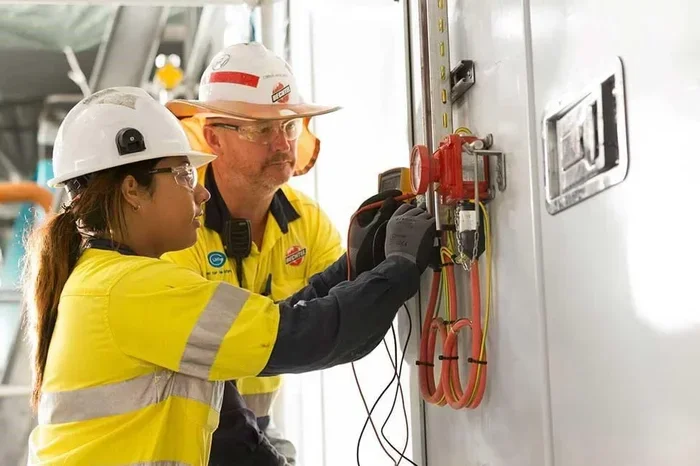
Becoming an electrician requires a mix of formal education, hands-on training, and state licensing. You can start with a high school diploma, then pursue a trade school program or electrical apprenticeship. Most states require 4–5 years of combined classroom learning and on-the-job training before you can work independently.
Have you ever wondered what education do you need to become an electrician? It is a great career choice with strong job demand and solid paychecks. The path is clearer than most people think, and you do not need a four-year college degree to get started. This guide walks you through every step of the educational journey. Whether you are a high school student or someone looking for a career change, you will find the roadmap you need right here.
The electrical trade is one of the most stable and rewarding career paths available today. Every building needs electricity, which means electricians are always in demand. But before you can pick up a wire or wire a panel, you need the right education and training. Let us break down exactly what that looks like.
Key Takeaways
- Formal Education: A high school diploma or GED is the minimum requirement, but trade school or community college programs give you a strong foundation.
- Apprenticeships Are Key: Most electricians complete a 4–5 year apprenticeship that combines paid work with classroom instruction.
- Licensing Is Mandatory: Every state requires electricians to pass a licensing exam that covers electrical codes and safety regulations.
- Certifications Boost Your Career: Additional certifications in specialized areas like solar installation or industrial wiring can open higher-paying doors.
- Continuing Education Matters: Electricians must stay updated on changing codes and technologies throughout their careers.
- Multiple Pathways Exist: You can choose between trade school, community college, or direct apprenticeship entry depending on your goals.
- Soft Skills Count: Communication, problem-solving, and physical stamina are just as important as technical knowledge.
📑 Table of Contents
- Understanding the Role of an Electrician
- Educational Pathways to Becoming an Electrician
- Apprenticeship Programs: The Heart of Electrician Training
- Licensing and Certification Requirements
- Skills You Need Beyond Formal Education
- How Long Does It Take to Become an Electrician?
- Continuing Education and Career Growth
- Common Mistakes to Avoid When Planning Your Education
- Expert Insights: What Experienced Electricians Say
- Final Thoughts: Your Path to Becoming an Electrician
Understanding the Role of an Electrician
Electricians install, maintain, and repair electrical systems in homes, businesses, and industrial settings. They work with wiring, circuit breakers, transformers, and lighting systems. The job requires both technical knowledge and hands-on skill. You need to understand electrical theory, safety codes, and how to read blueprints.
There are different types of electricians. Residential electricians work in homes. Commercial electricians handle office buildings and retail spaces. Industrial electricians power factories and manufacturing plants. Each specialty has its own educational focus, but the core training overlaps significantly.
What Does a Typical Day Look Like?
A day in the life of an electrician can vary widely. You might spend morning hours reading project plans and ordering materials. Afternoon could involve running wire, installing outlets, or troubleshooting electrical faults. Safety checks are a daily priority. Electricians also communicate with clients, contractors, and inspectors throughout the day.
The work can be physically demanding. You may climb ladders, crawl into tight spaces, or lift heavy equipment. But the satisfaction of solving a complex electrical problem is hard to beat. Many electricians describe their work as both challenging and deeply fulfilling.
Educational Pathways to Becoming an Electrician
There are several ways to get started in the electrical trade. The right path depends on your goals, timeline, and learning style. Let us look at the main options available.
High School Diploma or GED
Every journey begins with a high school diploma or GED. This is the absolute minimum requirement for entering the field. During high school, focus on math, physics, and shop classes if available. These subjects build a foundation you will use every day as an electrician.
Classes in algebra are especially important. Electrical work involves calculations for voltage, amperage, and resistance. A solid math background makes the technical training much easier to handle. If your high school offers any vocational or technical electives, take advantage of them.
Trade School Programs
Trade schools offer focused electrical training programs that typically last 9 to 12 months. These programs cover electrical theory, safety practices, wiring methods, and the National Electrical Code. Many trade schools also help students find apprenticeship opportunities after graduation.
Trade school is a great option if you want to get into the field quickly. The cost is usually much lower than a traditional college degree. You also gain practical skills that employers value from day one. Look for accredited programs that include both classroom instruction and lab work.
Community College Programs
Community colleges offer associate degree programs in electrical technology. These programs usually take two years to complete. They provide a broader education that includes general education courses alongside technical training.
An associate degree can give you an edge when applying for apprenticeships or jobs. Some employers prefer candidates with college-level coursework. Community college programs also tend to be more affordable than four-year universities. You can often transfer credits toward a bachelor’s degree later if you choose to advance your education.
Apprenticeship Programs: The Heart of Electrician Training
An apprenticeship is the most common and most valued path to becoming a licensed electrician. Apprenticeships combine paid, on-the-job training with classroom instruction. They typically last four to five years and are sponsored by unions, contractor associations, or trade organizations.
During an apprenticeship, you work under the supervision of a licensed master electrician. You learn by doing real jobs while earning a wage. Classroom sessions teach you the theory behind the work. This blend of hands-on experience and formal learning is what makes apprenticeships so effective.
How to Find an Apprenticeship
Several organizations offer electrical apprenticeships. The Independent Electrical Contractors (IEC) and the Associated Builders and Contractors (ABC) are two major sponsors. Unions like the International Brotherhood of Electrical Workers (IBEW) also run apprenticeship programs.
You can search for local programs through your state’s Department of Labor website. Many trade schools have partnerships with apprenticeship sponsors too. Apply early, as some programs have limited spots and competitive selection processes.
What You Learn During an Apprenticeship
Apprenticeship training covers a wide range of topics. You will learn about electrical theory, blueprint reading, safety protocols, and the National Electrical Code. You will also gain experience with different types of wiring, installation techniques, and troubleshooting methods.
Classroom hours are typically required each year. These courses teach the math and science behind electrical work. You also study local and national electrical codes in depth. Understanding codes is essential because they ensure safety and compliance.
Think of an apprenticeship like learning idioms for education — the more you immerse yourself in the language and practice of the trade, the more natural it becomes. The hands-on experience teaches you nuances that no textbook alone can convey.
Licensing and Certification Requirements
Every state requires electricians to be licensed before they can work independently. Licensing requirements vary by state, but they all involve a combination of education, experience, and passing an exam. Let us look at the general process.
Journeyman Electrician License
After completing your apprenticeship, you can apply for a journeyman electrician license. This is the entry-level license that allows you to work under supervision in most states. You must pass a licensing exam that covers electrical theory, code requirements, and safety standards.
The exam is challenging but very doable with proper preparation. Most applicants study for several weeks before taking the test. Many apprenticeship programs include exam prep as part of their curriculum. Passing the journeyman exam is a major milestone in your career.
Master Electrician License
After working as a journeyman for several years, you can pursue a master electrician license. This requires additional experience, typically two to four years beyond the journeyman level. The master exam is more advanced and covers complex electrical systems and project management.
A master electrician license opens the door to higher-paying positions. You can also pull permits, design electrical systems, and supervise other electricians. Many business owners and contractors hold master licenses because it builds trust with clients and inspectors.
Specialized Certifications
Beyond the basic license, you can earn specialized certifications. These are not always required but they boost your credentials significantly. Popular certifications include:
- Certified Electrician (CE): A general certification that validates your expertise.
- Solar Photovoltaic Installer: For electricians interested in renewable energy.
- Industrial Electrical Maintenance: Focused on manufacturing and industrial settings.
- Low-Voltage Technician: Covers data, voice, and video cabling systems.
- Electrical Safety Certification: Emphasizes workplace safety and hazard prevention.
Specialized certifications can increase your earning potential and make you more competitive in the job market. They also show employers that you are committed to your professional development.
Skills You Need Beyond Formal Education
Education gets you started, but certain skills will make you successful in the long run. Employers look for electricians who combine technical knowledge with strong personal qualities.
Technical Skills
- Math proficiency: You use math daily for calculations and measurements.
- Blueprint reading: Understanding electrical plans and diagrams is essential.
- Code knowledge: Familiarity with the National Electrical Code and local regulations.
- Tool proficiency: Knowing how to use hand tools, power tools, and testing equipment.
- Troubleshooting: The ability to diagnose and fix electrical problems quickly.
Soft Skills
- Communication: You explain technical details to clients and coordinate with other tradespeople.
- Problem-solving: Every job presents unique challenges that require creative solutions.
- Attention to detail: Electrical work demands precision and accuracy.
- Physical stamina: The job requires strength and endurance for long hours on site.
- Customer service: Building trust with clients leads to repeat business and referrals.
Think of it this way — just as metaphors for education help us understand complex ideas through vivid comparison, the best electricians use creative thinking to solve problems on the job. The technical training gives you the foundation, but these soft skills set you apart.
How Long Does It Take to Become an Electrician?
The timeline depends on the path you choose. Here is a general breakdown of the different routes:
| Pathway | Duration | Key Benefit |
|---|---|---|
| Trade School + Apprenticeship | 4–5 years total | Fast entry into the workforce |
| Community College + Apprenticeship | 4–6 years total | Broader education and credentials |
| Direct Apprenticeship (no prior school) | 4–5 years total | Earn while you learn from day one |
| Military Electrical Training | 2–4 years + apprenticeship | Structured training with benefits |
Most people complete their education and training in about four to five years. This includes any classroom instruction plus the required apprenticeship hours. After that, you can sit for your journeyman license exam and start working independently.
The fastest route is typically a direct apprenticeship. You start working immediately and earn a wage while learning. Trade school programs can shorten the classroom portion of your apprenticeship in some states. Either way, the investment of time pays off with a stable, well-paying career.
Continuing Education and Career Growth
Your education does not end after you get your license. Electricians must complete continuing education to maintain their credentials. Electrical codes change regularly, and staying current is essential for safety and compliance.
Many states require a certain number of continuing education hours every renewal cycle. These courses cover new code changes, safety updates, and emerging technologies. Online courses make it easy to fulfill these requirements without disrupting your work schedule.
Career growth opportunities for electricians are excellent. With experience and additional certifications, you can move into specialized roles. Some electricians become project managers or start their own contracting businesses. Others focus on niche areas like smart home technology or industrial automation.
The electrical field also offers strong earning potential. According to the Bureau of Labor Statistics, the median annual wage for electricians is well above the national average for all occupations. Your income typically grows as you gain experience and advance your license level.
Remember, learning never stops in this trade. New technologies like solar panels, electric vehicles, and smart grid systems are constantly reshaping the industry. Electricians who embrace ongoing education will have the best career opportunities for years to come.
Common Mistakes to Avoid When Planning Your Education
Many aspiring electricians make avoidable mistakes when planning their education. Here are a few to watch out for:
- Skipping math preparation: Weak math skills make electrical coursework much harder. Strengthen your math foundation before starting any program.
- Choosing an unaccredited program: Only attend schools and programs recognized by industry organizations. Unaccredited programs may not qualify you for apprenticeships.
- Underestimating the apprenticeship: Some people try to skip the apprenticeship and go straight for the license. This rarely works because most states require documented on-the-job hours.
- Ignoring local codes: Electrical codes vary by location. Make sure your education covers the codes specific to your state or region.
- Not networking early: Connections matter in the trades. Build relationships with instructors, mentors, and fellow apprentices from the start.
Avoiding these pitfalls will save you time and frustration. A clear, well-planned educational path leads to a smoother journey into the profession.
Expert Insights: What Experienced Electricians Say
We asked several licensed electricians about their educational journeys. Here is what they had to say:
“I started with a trade school program and then jumped into a union apprenticeship. The combination gave me both the theory and the hands-on skills I needed. It was challenging, but absolutely worth it.”
— Mark T., Licensed Journeyman Electrician, Ohio
“Do not underestimate the importance of the National Electrical Code. Understanding codes is what separates a good electrician from a great one. Keep studying even after you get licensed.”
— Sarah L., Master Electrician, Texas
“The best thing I did was find a mentor early in my career. Someone who had been in the trade for years could teach me things no classroom ever could.”
— James R., Independent Electrical Contractor, Florida
These insights highlight a common theme: education is a lifelong process in the electrical trade. The foundation you build early matters, but your willingness to keep learning determines how far you go.
Final Thoughts: Your Path to Becoming an Electrician
So what education do you need to become an electrician? The answer is simpler than you might think. Start with a high school diploma or GED. Then choose a pathway — trade school, community college, or direct apprenticeship — that fits your goals and timeline.
Complete an apprenticeship to gain the hands-on experience that employers value most. Pass your licensing exams to work independently. And never stop learning. The electrical industry evolves constantly, and electricians who stay curious and committed to growth will thrive.
The education required to become an electrician is an investment in your future. It takes dedication, but the rewards are substantial. Job stability, competitive pay, and the satisfaction of working with your hands and your mind make this one of the best career choices available today.
If you are ready to take the first step, research accredited programs in your area. Reach out to local apprenticeship sponsors. Talk to working electricians about their experiences. The path is there, and it starts with the right education.
Frequently Asked Questions
Can I become an electrician without going to college?
Yes, absolutely. Many electricians enter the field through direct apprenticeship programs without any college education. A high school diploma or GED is the only formal education requirement in most cases. Apprenticeships provide all the training you need while you earn a wage.
How much does electrician education cost?
Trade school programs typically cost between $1,000 and $15,000. Community college programs range from $3,000 to $10,000 per year. Apprenticeships are often free because you earn a wage while training. Many programs also offer financial aid and scholarships.
Is electrician school hard?
The coursework requires focus and dedication, especially in math and electrical theory. However, most students find the hands-on portions of training much easier and more engaging. With consistent effort and good study habits, the material is very manageable.
Do I need a degree to become a master electrician?
No, a degree is not required. Most master electricians gain their qualifications through apprenticeships and work experience. Some states may require additional classroom hours for the master license, but these can often be completed through trade schools or online courses.
What is the fastest way to become an electrician?
The fastest route is enrolling in a direct apprenticeship program. These programs combine paid work with classroom instruction and typically take four to five years to complete. Trade school can sometimes shorten this timeline by fulfilling some classroom requirements in advance.
How often do electricians need to renew their license?
License renewal requirements vary by state, but most states require renewal every one to three years. Renewal typically involves completing a set number of continuing education hours and paying a renewal fee. Check your state’s licensing board for specific requirements.


