
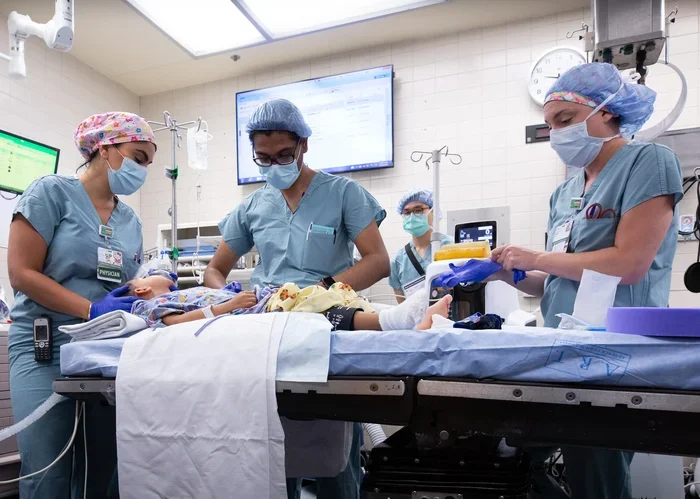
Becoming an anesthesiologist requires years of dedicated education, including a bachelor’s degree, medical school, and a specialized residency program. You will need to complete the MCAT exam, earn a Doctor of Medicine degree, and finish a four-year anesthesiology residency. This guide walks you through every step of the anesthesiologist education journey so you know exactly what to expect.
Have you ever wondered what it takes to become an anesthesiologist? It is not a quick path. It is a long journey that demands hard work, dedication, and a serious commitment to medical education. But if you have a passion for healthcare and helping patients during critical moments, it can be one of the most rewarding careers you can choose.
This guide breaks down every step of the education required to become an anesthesiologist. From undergraduate classes to residency training and beyond, we will walk you through it all. By the end, you will have a clear picture of what lies ahead. Let us dive in.
Key Takeaways
- Undergraduate Degree: You need a bachelor’s degree with pre-med coursework before applying to medical school.
- Medical School: A four-year Doctor of Medicine program is required, including the MCAT exam and clinical rotations.
- Residency Training: A four-year anesthesiology residency gives you hands-on experience in surgical anesthesia and patient care.
- Licensure and Certification: Passing the USMLE and earning board certification are essential steps to practice.
- Continuing Education: Anesthesiologists must complete ongoing training to stay current with medical advances.
- Timeline: The entire process takes 12 to 16 years of education and training after high school.
- Financial Investment: Medical education is costly, but anesthesiologists earn competitive salaries that offset the investment.
📑 Table of Contents
- What Does an Anesthesiologist Do?
- Undergraduate Education: The First Step
- Medical School: The Core of Anesthesiologist Education
- Anesthesiology Residency: Hands-On Training
- Board Certification and Licensure
- How Long Does It All Take?
- Common Mistakes to Avoid on This Path
- Expert Insights on Anesthesiologist Education
- Key Takeaways
- Conclusion
What Does an Anesthesiologist Do?
Before we talk about education, let us understand the role. An anesthesiologist is a medical doctor who specializes in anesthesia, pain management, and critical care. They ensure patients are safe and comfortable during surgery and other medical procedures.
These doctors monitor vital signs, manage pain levels, and respond to emergencies in the operating room. They work closely with surgeons, nurses, and other healthcare professionals. The job requires sharp thinking, steady hands, and deep medical knowledge.
The education path to this career is demanding because the responsibilities are high. Patients trust anesthesiologists with their lives during some of the most vulnerable moments. That is why the training is so thorough.
Undergraduate Education: The First Step
Every journey to becoming an anesthesiologist starts with a bachelor’s degree. This typically takes four years to complete. You do not need to major in a specific field, but certain courses are essential.
Recommended Pre-Med Courses
Most medical schools expect applicants to complete a set of prerequisite classes. These usually include:
- Biology — two to three semesters
- Chemistry — general and organic chemistry
- Physics — at least one semester
- Mathematics — calculus and statistics
- English — composition and writing
Keeping a high GPA during your undergraduate years is crucial. Medical schools look for strong academic performance. You should also gain healthcare experience through volunteering, shadowing, or part-time work in clinics or hospitals.
Think of your undergraduate years as building the foundation. Just like you cannot build a house on weak ground, you cannot succeed in medical school without a solid academic base. Some students also explore idioms for education to better understand the language of learning and academic culture, which helps them navigate the world of higher education more confidently.
Medical School: The Core of Anesthesiologist Education
After earning your bachelor’s degree, the next major milestone is medical school. This is a four-year program that leads to either a Doctor of Medicine (MD) or Doctor of Osteopathic Medicine (DO) degree. Getting into medical school is competitive, and the process starts with one critical exam.
The MCAT Exam
The Medical College Admission Test (MCAT) is a standardized exam required for admission to almost all U.S. medical schools. It tests your knowledge of natural sciences, critical thinking, and problem-solving skills.
Most students spend three to six months preparing for the MCAT. Your score plays a big role in whether you get accepted. Strong schools expect competitive scores, so dedicated study time is non-negotiable.
What Medical School Covers
The first two years of medical school focus on classroom learning. You study subjects like anatomy, biochemistry, pharmacology, and pathology. The last two years involve clinical rotations, where you work directly with patients in hospitals and clinics.
During rotations, you will experience many specialties, including surgery, pediatrics, internal medicine, and obstetrics. These rotations help you discover your interests. For many future anesthesiologists, the operating room rotation is the moment everything clicks.
Medical school is intense. The workload is heavy, and the pressure is real. But it is also where you develop the clinical skills and medical knowledge that form the backbone of your career. Some students find that understanding similes for education helps them visualize and remember complex concepts by comparing them to everyday experiences, making the dense material more approachable and easier to retain.
Anesthesiology Residency: Hands-On Training
Once you graduate from medical school, you must complete a residency program in anesthesiology. This is where real-world training begins. A typical anesthesiology residency lasts four years and provides deep, hands-on experience.
What Happens During Residency?
During your residency, you will work under the supervision of experienced anesthesiologists. You will learn to administer anesthesia for all types of surgeries, from routine procedures to complex open-heart operations. Your responsibilities will grow each year as your skills and confidence build.
Here is a typical breakdown of a four-year anesthesiology residency:
- Year 1 (CA-1): Focus on general anesthesia fundamentals, airway management, and patient monitoring
- Year 2 (CA-2): Increased responsibility with more complex cases and regional anesthesia techniques
- Year 3 (CA-3): Advanced training in subspecialties like cardiac anesthesia or pediatric anesthesia
- Year 4 (CA-4): Leadership roles, teaching junior residents, and elective rotations in specialized areas
Residency hours can be long. You may work 60 to 80 hours per week at times. But the training is invaluable. You will face real emergencies, make critical decisions, and learn to stay calm under pressure. This is where classroom knowledge meets the operating room.
Many residents also choose to pursue additional training through fellowships in areas like pain medicine, obstetric anesthesia, or neuroanesthesia. These one- to two-year programs allow you to specialize further and stand out in the job market. The path of continuing education in medicine is ongoing, and it mirrors the broader idea that learning never truly ends — a concept beautifully captured by metaphors for education, which remind us that education is a journey, not a destination.
Board Certification and Licensure
After completing your residency, you must obtain a medical license and pursue board certification. These are not optional. They are required to practice as an anesthesiologist in the United States.
Getting Licensed
To earn a medical license, you must pass the United States Medical Licensing Examination (USMLE). This is a multi-step exam that tests your ability to apply medical knowledge in real clinical situations. The first two parts are typically taken during medical school, and the final part is completed during or after residency.
Each state has its own licensing requirements, so you will need to check the specific rules for the state where you plan to practice. Some states also require background checks and additional coursework.
Board Certification
The American Board of Anesthesiology (ABA) offers board certification for anesthesiologists. To become certified, you must pass a written exam and an oral exam. Board certification demonstrates that you have met the highest standards of training and competence.
While board certification is not always legally required, most hospitals and employers prefer or require it. It also opens doors to better career opportunities and higher salaries. Keeping your certification active requires completing continuing medical education (CME) credits every few years.
How Long Does It All Take?
Let us talk numbers, because this is a question almost everyone asks. The total time from high school to becoming a practicing anesthesiologist is significant.
| Stage | Duration |
|---|---|
| Undergraduate Degree | 4 years |
| Medical School | 4 years |
| Anesthesiology Residency | 4 years |
| Optional Fellowship | 1 to 2 years |
| Total (Minimum) | 12 years |
That is 12 years minimum after high school. If you pursue a fellowship, it can stretch to 14 or even 16 years. The timeline is long, but each step builds on the last. Every year of training adds another layer of skill and knowledge that prepares you for the responsibility of managing patient safety during surgery.
Many aspiring anesthesiologists ask, “Is it worth it?” The answer depends on your goals. Anesthesiologists are among the highest-paid medical specialists. The career offers excellent job security, work-life balance options, and the deep satisfaction of playing a vital role in patient care. But you must be willing to invest the time and effort.
Common Mistakes to Avoid on This Path
Every journey has pitfalls, and the path to becoming an anesthesiologist is no different. Here are some common mistakes students make:
- Neglecting the MCAT: Many students underestimate how much preparation this exam needs. Start early and study consistently.
- Ignoring Clinical Experience: Medical schools want to see that you understand what healthcare work really looks like. Shadowing and volunteering are not optional extras.
- Choosing the Wrong Major: There is no single “right” major for pre-med students. Choose something you enjoy and excel at, as long as you complete the required prerequisites.
- Skipping Research Opportunities: Research experience strengthens your medical school application and builds critical thinking skills.
- Burning Out Too Early: The path is long. Pace yourself, take care of your mental health, and build strong support networks along the way.
Avoiding these mistakes will not guarantee success, but it will put you in a much stronger position. The key is to stay focused, stay curious, and remember why you started this journey in the first place.
Expert Insights on Anesthesiologist Education
We spoke with several practicing anesthesiologists about their education journeys. Here is what they had to say:
Dr. Sarah Mitchell, MD: “The years of training felt long at the time, but looking back, every single year prepared me for something real. The residency was where I truly learned how to think on my feet and care for patients under pressure.”
Dr. James Chen, DO: “Do not rush through your undergraduate years. Build a strong foundation, seek mentorship, and stay curious about the science behind anesthesia. The knowledge you build early will serve you throughout your career.”
Dr. Maria Gonzalez, MD: “One piece of advice I would give is this: find a work-life balance that works for you early. The training is demanding, but the career is a marathon, not a sprint. Protect your well-being so you can be the best doctor you can be.”
These insights remind us that the education path is challenging but deeply meaningful. Each anesthesiologist’s story is unique, but the commitment to learning and patient care is universal.
Key Takeaways
- Undergraduate Degree: Complete a bachelor’s degree with strong pre-med coursework and a competitive GPA.
- MCAT Exam: Prepare thoroughly for this standardized test, as it is a gateway to medical school.
- Medical School: Earn an MD or DO degree through a four-year program that includes both classroom and clinical training.
- Anesthesiology Residency: Complete a four-year residency program for hands-on experience in surgical anesthesia and patient care.
- Licensure and Certification: Pass the USMLE and earn board certification from the American Board of Anesthesiology.
- Continuing Education: Stay current with medical advances through ongoing CME and potential fellowship training.
Conclusion
The path to becoming an anesthesiologist is long and demanding, but it is also deeply fulfilling. From your first undergraduate class to the day you manage a patient’s anesthesia in the operating room, every step of the anesthesiologist education journey builds your skills and confidence. You will spend at least 12 years in training after high school, but each year brings you closer to a career that truly matters.
If you are considering this path, know that it requires dedication, resilience, and a genuine passion for patient care. The education required to become an anesthesiologist is not easy, but it prepares you for one of the most important roles in healthcare. You will be the calm in the storm for patients facing surgery, and that is a responsibility worth every hour of study and training.
Start where you are, stay focused on your goals, and take each step with purpose. The operating room is waiting for you.
Frequently Asked Questions
What is the minimum education required to become an anesthesiologist?
The minimum education includes a bachelor’s degree, a four-year medical school program, and a four-year anesthesiology residency. This totals 12 years of post-secondary education. Some anesthesiologists also complete a one- to two-year fellowship for additional specialization in areas like pain management or pediatric anesthesia.
Do you need a specific undergraduate major to become an anesthesiologist?
No, you do not need a specific major. However, you must complete prerequisite courses in biology, chemistry, physics, and mathematics. Many students choose majors like biology, chemistry, or biochemistry because they align well with these requirements. The key is maintaining a strong GPA and gaining relevant healthcare experience.
How hard is the MCAT exam for aspiring anesthesiologists?
The MCAT is a challenging exam that covers natural sciences, critical analysis, and reasoning skills. Most students spend several months preparing. A strong score is essential for getting into a competitive medical school. Consistent study, practice exams, and understanding the test format all help improve your performance.
What is the difference between an anesthesiologist and a nurse anesthetist?
An anesthesiologist is a medical doctor (MD or DO) who completes medical school and a four-year residency. A certified registered nurse anesthetist (CRNA) is a registered nurse with advanced training, typically a master’s or doctoral degree. Anesthesiologists have a broader scope of practice and can manage more complex cases, including those involving critically ill patients.
How much does anesthesiologist education cost?
The cost varies widely depending on the medical school and whether you attend a public or private institution. The average medical school debt in the U.S. is significant. However, anesthesiologists earn high salaries that help offset the investment. Many schools also offer scholarships, grants, and loan forgiveness programs for medical professionals.
Can I specialize further after completing an anesthesiology residency?
Yes, you can pursue a fellowship after residency. Popular subspecialties include cardiac anesthesia, pediatric anesthesia, neuroanesthesia, obstetric anesthesia, and pain medicine. Fellowships typically last one to two years and allow you to develop advanced expertise in a specific area of anesthesiology.


