
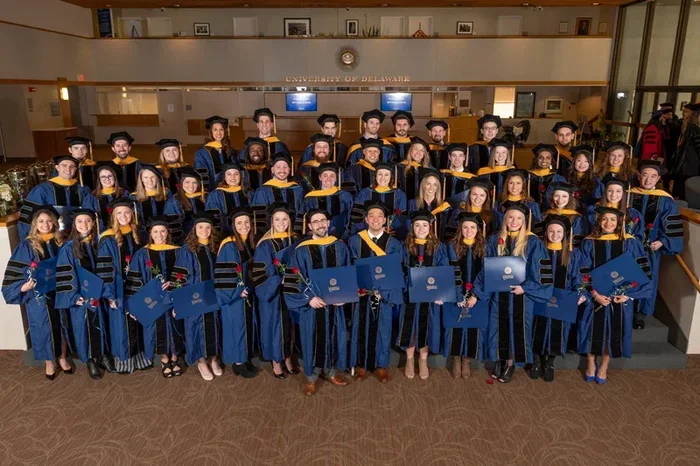
What education do physical therapists need? To become a licensed physical therapist, you must earn a Doctor of Physical Therapy (DPT) degree from an accredited program, complete clinical rotations, and pass the NPTE licensure exam. This guide walks you through every step of the education journey, from prerequisites to specialization and continuing education.
Key Takeaways
- DPT Degree Required: All physical therapists must earn a Doctor of Physical Therapy degree from a CAPTE-accredited program.
- Prerequisites Matter: Strong foundations in anatomy, physiology, biology, and chemistry are essential before entering a DPT program.
- Clinical Experience Is Key: Hands-on clinical rotations give students real-world skills they need to succeed in patient care.
- Licensure Is Mandatory: Passing the NPTE exam and meeting state requirements is the final step to practicing as a physical therapist.
- Continuing Education Keeps You Current: Licensed PTs must pursue ongoing learning to maintain their credentials and advance their careers.
- Specialization Opens Doors: Board certification in areas like orthopedics or neurology can boost your career and earning potential.
📑 Table of Contents
- What Education Do Physical Therapists Need to Succeed
- The Education Path to Becoming a Physical Therapist
- Accredited Programs and Prerequisites
- Clinical Experience and Licensing
- Continuing Education and Career Advancement
- Common Mistakes to Avoid
- Quick Tips for Aspiring Physical Therapists
- Expert Insights on Physical Therapy Education
- Conclusion
- FAQs
What Education Do Physical Therapists Need to Succeed
Physical therapy is a rewarding healthcare career that helps people recover from injuries, manage chronic pain, and regain mobility. But before you can help patients, you need the right education. If you have ever wondered what education do physical therapists need, you are in the right place. The path to becoming a physical therapist is rigorous, but it is also incredibly fulfilling. In this guide, we break down every step of the education journey so you know exactly what to expect.
The short answer is that physical therapists need a doctoral-level degree, clinical training, and state licensure. However, the full picture is much more detailed. From undergraduate prerequisites to specialized residencies, every stage of the education process plays a vital role. Let us walk through it all together.
Education in healthcare is not just about classroom learning. It also involves hands-on practice, critical thinking, and continuous growth. Much like the way similes for education draw vivid comparisons to describe learning journeys, the path to becoming a physical therapist involves many layered steps that build on one another. Each phase prepares you for the next challenge ahead.
The Education Path to Becoming a Physical Therapist
Understanding the full education timeline helps you plan your career effectively. The journey typically takes six to eight years after high school. Let us look at each stage in detail.
Undergraduate Preparation
Before you can enter a Doctor of Physical Therapy program, you need a bachelor’s degree. Most aspiring PTs choose a science-related major such as biology, kinesiology, or exercise science. During your undergraduate years, you will complete prerequisite courses that build a strong academic foundation.
Common prerequisite courses include:
- Anatomy and physiology
- General biology
- Chemistry and organic chemistry
- Physics
- Statistics and psychology
- Kinesiology and biomechanics
Maintaining a strong GPA during your undergraduate years is essential. Most DPT programs require a minimum GPA of 3.0, but competitive programs often look for 3.5 or higher. Physical therapist schooling starts long before you apply to a graduate program, so take your undergraduate studies seriously.
Beyond coursework, gaining relevant experience is important. Many programs value volunteer hours, shadowing experiences, and work in healthcare settings. These activities show admissions committees that you understand the profession and are genuinely committed to patient care.
Doctor of Physical Therapy (DPT) Program
The DPT degree is the gold standard for physical therapy education. All practicing physical therapists in the United States must hold a DPT degree from a program accredited by the Commission on Accreditation in Physical Therapy Education (CAPTE). These programs typically take three years to complete.
During your DPT program, you will study a wide range of subjects:
- Musculoskeletal anatomy and biomechanics
- Neuroscience and neuroanatomy
- Cardiovascular and pulmonary systems
- Pathology and disease processes
- Pharmacology for physical therapists
- Evidence-based practice and research methods
- Patient management and clinical reasoning
DPT programs blend classroom instruction with hands-on lab work. You will learn how to assess patients, develop treatment plans, and use therapeutic techniques effectively. Think of it this way: just as metaphors for education help us understand complex ideas through vivid imagery, the clinical lab sessions in a DPT program give you a concrete picture of what real patient care looks like.
Most programs also include research components. You may complete a capstone project or participate in faculty-led studies. These experiences sharpen your critical thinking skills and prepare you to stay current with the latest advancements in rehabilitation science.
Accredited Programs and Prerequisites
Not all physical therapy programs are created equal. Choosing a CAPTE-accredited program ensures that your education meets the highest professional standards. Accreditation also affects your eligibility for licensure and certification.
When evaluating programs, consider these factors:
- Program reputation and graduate outcomes
- Clinical placement opportunities
- Faculty expertise and research focus
- Location and tuition costs
- Available specializations and elective courses
The admissions process for DPT programs is competitive. Most programs require the Graduate Record Examination (GRE), letters of recommendation, and a personal statement. Strong interpersonal skills and a genuine passion for helping others also set successful applicants apart.
It helps to think about your application the way you would approach idioms for education — each element of your application tells a part of your story. Together, they paint a complete picture of who you are as a future physical therapist.
Currently, there are over 250 accredited DPT programs across the United States. This variety gives you many options to find a program that fits your goals and circumstances. Some programs offer early admission tracks for outstanding undergraduate students, allowing them to secure a spot before completing their bachelor’s degree.
Clinical Experience and Licensing
Education without practice is incomplete. That is why clinical rotations are a cornerstone of physical therapy training. These hands-on experiences allow you to work directly with patients under the supervision of licensed professionals.
Clinical Rotations
DPT programs include multiple clinical internships throughout the three-year curriculum. These rotations take place in hospitals, outpatient clinics, rehabilitation centers, and other healthcare settings. Students typically complete between 27 and 35 weeks of clinical education before graduation.
During clinical rotations, you will:
- Conduct patient assessments and evaluations
- Develop and implement treatment plans
- Practice manual therapy and therapeutic exercises
- Collaborate with other healthcare professionals
- Learn how to manage patient progress over time
Clinical rotations are where classroom knowledge meets real-world practice. They build your confidence and sharpen your clinical reasoning skills. Many students find that these experiences solidify their passion for the profession.
NPTE and State Licensure
After completing your DPT degree, you must pass the National Physical Therapy Examination (NPTE) to become licensed. The NPTE is a comprehensive exam that tests your knowledge of physical therapy theory and practice. It covers areas such as clinical applications, foundational sciences, and patient care systems.
Each state has its own licensing board and additional requirements. Some states require a jurisprudence exam that tests your knowledge of state-specific laws and regulations. Once you pass the NPTE and meet your state’s requirements, you can officially practice as a licensed physical therapist.
Maintaining your license requires ongoing effort. Most states mandate continuing education credits to renew your license every one to two years. This ensures that physical therapists stay up to date with the latest research and treatment techniques.
Continuing Education and Career Advancement
Your education does not end after you earn your license. The healthcare field evolves constantly, and physical therapists must keep learning throughout their careers. Continuing education (CE) is both a professional responsibility and a career growth strategy.
There are many ways to pursue continuing education:
- Attend workshops and conferences
- Complete online courses and webinars
- Earn advanced certifications in specialized areas
- Participate in journal clubs and research groups
- Pursue a residency or fellowship program
Board certification is a great way to stand out in the field. The American Board of Physical Therapy Specialties (ABPTS) offers certification in several areas, including orthopedics, neurology, geriatrics, pediatrics, and sports physical therapy. Earning a board certification demonstrates advanced expertise and can open doors to higher-paying positions.
Many physical therapists also choose to pursue a residency or fellowship after graduation. These programs provide intensive training in a specific area of practice. A residency typically lasts one year, while a fellowship may last one to three years. Both options deepen your clinical skills and build your professional network.
Some PTs go even further by earning a PhD or a Doctor of Science (DSc) in physical therapy. These advanced degrees are ideal for those interested in research, academia, or leadership roles within the profession.
Common Mistakes to Avoid
As you navigate the education path, watch out for these common pitfalls:
- Skipping prerequisite courses: Every required course matters. Falling behind on prerequisites can delay your application timeline.
- Neglecting clinical experience: Strong grades alone do not guarantee admission. Hands-on experience shows admissions committees you are serious about the field.
- Ignoring state-specific requirements: Licensure rules vary by state. Research your target state early so you are fully prepared.
- Underestimating the NPTE: This exam is challenging. Start studying well in advance and use quality review materials.
- Stopping your education too early: The learning does not end with your DPT. Continuing education keeps your skills sharp and your career moving forward.
Quick Tips for Aspiring Physical Therapists
- Start volunteering at physical therapy clinics early to build experience and confirm your career choice.
- Build relationships with professors and clinical instructors who can write strong letters of recommendation.
- Join professional organizations like the American Physical Therapy Association (APTA) to access resources and networking opportunities.
- Use study groups and peer support to stay motivated through the demanding DPT curriculum.
- Explore different practice settings during clinical rotations to find the area that excites you most.
Expert Insights on Physical Therapy Education
Industry professionals consistently emphasize the importance of a well-rounded education. Dr. Sarah Mitchell, a licensed physical therapist with over 15 years of experience, notes that “the best physical therapists are those who never stop learning. Your DPT degree gives you the foundation, but your curiosity and dedication to growth will define your career.”
Clinical instructors also stress the value of communication skills. Physical therapists work closely with patients, families, and other healthcare providers. Being able to explain complex concepts in simple terms is a skill that sets great PTs apart from good ones.
Mentorship plays a significant role in career development. Finding a mentor who has walked the path before you can provide guidance, encouragement, and practical advice. Many professional organizations offer formal mentorship programs for students and new graduates.
Conclusion
Understanding what education do physical therapists need is the first step toward a successful career in this dynamic healthcare field. From undergraduate prerequisites to a Doctor of Physical Therapy degree, clinical rotations, licensure, and continuing education, every stage of the journey builds the knowledge and skills you need to make a real difference in people’s lives.
The road to becoming a physical therapist is challenging, but it is also full of opportunity. With dedication, the right education, and a genuine passion for helping others, you can build a career that is both meaningful and rewarding. Start planning your education path today, and take the first step toward a fulfilling career in physical therapy.
FAQs
How long does it take to become a physical therapist?
Most physical therapists spend about eight years in education after high school. This includes four years of undergraduate study and three years in a DPT program. Some students may take additional time for residencies or fellowships.
Can I become a physical therapist with a master’s degree?
No. Since 2015, all new physical therapists in the United States must earn a Doctor of Physical Therapy degree. Master’s-level programs are no longer available for new students in physical therapy.
What is the NPTE exam like?
The NPTE is a computer-based exam with multiple-choice questions. It covers five content areas: musculoskeletal, cardiovascular/pulmonary, integumentary, neuromuscular, and metabolic/endocrine systems. The exam tests both clinical knowledge and application skills.
Do physical therapists need to be licensed in every state?
Yes. Physical therapists must hold a valid license in the state where they practice. Licensure requirements vary by state, but all require passing the NPTE and completing continuing education credits.
What is the difference between a DPT and a PhD in physical therapy?
A DPT is a clinical doctorate focused on hands-on patient care and practice. A PhD in physical therapy is a research-focused degree designed for those interested in academia, scientific inquiry, and advancing the profession through evidence-based research.
How much does physical therapy education cost?
Tuition for DPT programs varies widely depending on whether you attend a public or private institution. On average, total tuition ranges from $60,000 to over $180,000. Many programs offer financial aid, scholarships, and assistantships to help manage costs.


