
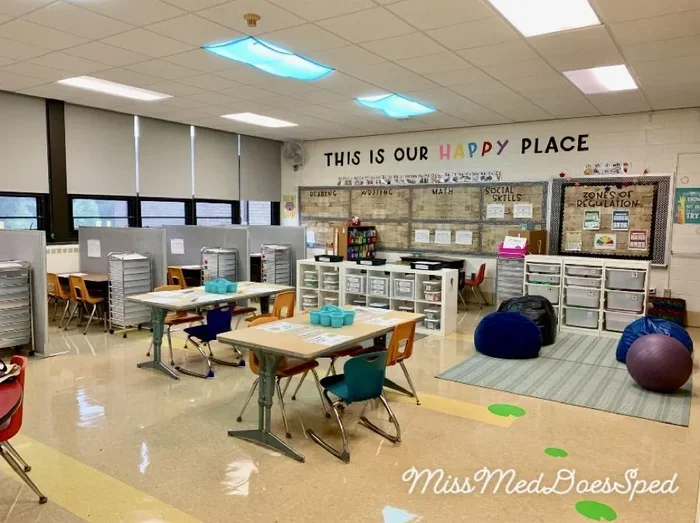
So, what does SPED stand for in education? It stands for Special Education, a tailored approach designed to help students with disabilities succeed academically and socially. SPED programs provide individualized support, including IEP plans, specialized instruction, and related services. Understanding SPED matters because it ensures every child receives the free and appropriate public education they deserve.
Have you ever heard someone say “my child is in SPED” and wondered what that really means? You are not alone. The term what does SPED stand for in education comes up a lot, and for good reason. Special Education, commonly known as SPED, is one of the most important parts of our school system. It exists to make sure that every child, no matter their challenges, gets a fair shot at learning and growing.
In this article, we will break down everything you need to know about SPED. We will cover what it means, how it works, who qualifies, and why it matters so much. Whether you are a parent, a teacher, or just someone curious, this guide has you covered. Let us dive right in.
Key Takeaways
- SPED stands for Special Education: It is a federally mandated system that provides customized learning support for students with disabilities.
- IEP is the cornerstone: Every SPED student has an Individualized Education Program that outlines specific goals, accommodations, and services.
- SPED covers a wide range of needs: From learning disabilities to behavioral disorders, SPED services address diverse challenges.
- Legal protections exist: Laws like IDEA guarantee that SPED students receive a free and appropriate public education in the least restrictive environment.
- SPED teachers play a vital role: These professionals are trained to adapt curriculum, manage classrooms, and advocate for students.
- Inclusive classrooms benefit everyone: SPED programs promote inclusion, helping all students learn together and grow as a community.
- Early intervention is key: The sooner a child receives SPED services, the better their long-term academic and social outcomes.
📑 Table of Contents
What Does SPED Stand For in Education?
SPED is short for Special Education. It refers to specially designed instruction, services, and supports for students who have disabilities that affect their ability to learn in a typical classroom setting. The goal of SPED is to give each student the tools they need to reach their full potential.
Special Education is not one-size-fits-all. It is deeply personal. Every SPED program is built around the unique needs of the individual student. This is why you will often hear the term individualized education in SPED conversations. The whole system is designed to be flexible and responsive.
Now, you might wonder how SPED fits into the bigger picture of education reform and school policy. The truth is, SPED has been a part of American education for decades. Laws have evolved over time to strengthen protections and expand access. Understanding the history helps you see why SPED matters so much today.
The History of SPED in American Schools
Before the 1970s, many students with disabilities were simply excluded from public schools. They were denied the right to learn alongside their peers. That changed with the passage of the Individuals with Disabilities Education Act, commonly known as IDEA. This landmark law guaranteed children with disabilities the right to a free appropriate public education, often shortened to FAPE.
IDEA was a game-changer. It forced schools to create SPED programs and hire trained professionals. It also introduced the concept of the IEP, or Individualized Education Program. Today, IDEA still governs SPED services across the country. It has been updated many times to improve outcomes for students.
Who Qualifies for SPED Services?
Not every student who struggles in school qualifies for SPED. There is a specific process in place to determine eligibility. Schools must evaluate a child to see if they have one of the 13 disability categories recognized under federal law.
Here are some of the most common categories that make a student eligible for SPED services:
- Specific Learning Disability (SLD): This includes conditions like dyslexia, dyscalculia, and dysgraphia. Students with SLD struggle with reading, writing, or math despite having average or above-average intelligence.
- Autism Spectrum Disorder (ASD): Students with autism may face challenges in communication, social interaction, and behavior. SPED services can provide structured support and therapy.
- Speech or Language Impairment: Some students need help with articulation, fluency, or language processing. Speech therapy is a common SPED service.
- Emotional Disturbance: This covers conditions like anxiety disorders, depression, and behavioral disorders that significantly impact learning.
- Intellectual Disability: Students with cognitive delays may need modified curriculum and more hands-on support.
- Other Health Impairments: This category includes ADHD, epilepsy, and chronic illnesses that affect a child’s ability to focus or attend school regularly.
The evaluation process usually starts with a referral. A teacher, parent, or doctor can request an evaluation. Then, a team of professionals reviews the student’s performance, behavior, and any relevant medical information. If the team determines the student qualifies, an IEP meeting is scheduled to build a personalized plan.
How Does a SPED Program Work?
Once a student is eligible, the school creates an Individualized Education Program, or IEP. The IEP is a legal document that outlines the student’s unique needs and the services the school will provide. Think of it as a roadmap for the student’s academic year.
Key Components of an IEP
Every IEP includes several important elements. Here is what you can expect:
- Present Levels of Performance: This section describes where the student is right now academically, socially, and emotionally. It sets the baseline for all future goals.
- Annual Goals: These are measurable targets the student is expected to reach within the school year. Goals are specific, achievable, and tied to the student’s needs.
- Special Education Services: This lists the exact services the student will receive, such as resource room time, speech therapy, or occupational therapy.
- Accommodations and Modifications: Accommodations change how the student learns (like extended test time). Modifications change what the student is expected to learn (like simplified assignments).
- Progress Monitoring: The school must regularly report on the student’s progress toward their IEP goals. Parents have the right to review this data.
SPED services can take many forms. Some students spend most of their day in a general education classroom with support. Others may need a more structured special education classroom for part or all of the day. The placement decision is always based on what is best for the individual student, a principle known as the least restrictive environment.
Who Are SPED Teachers and What Do They Do?
SPED teachers are the backbone of the special education system. These professionals are trained to work with students who have a wide range of disabilities. They adapt curriculum, manage behavioral challenges, and collaborate with general education teachers to create inclusive learning spaces.
Being a SPED teacher requires patience, creativity, and deep empathy. These educators often wear many hats. They are not just instructors; they are advocates, counselors, and sometimes even mediators between families and school systems.
Here is a quick look at what SPED teachers typically do on a daily basis:
- Develop and implement individualized lesson plans based on each student’s IEP goals.
- Use specialized teaching methods and assistive technology to help students access the curriculum.
- Collaborate with parents, general education teachers, and school psychologists to monitor progress.
- Manage classroom behavior using positive reinforcement and de-escalation techniques.
- Advocate for their students’ needs during IEP meetings and school policy discussions.
The demand for qualified SPED teachers continues to grow across the country. Many school districts face shortages, which makes this career path both challenging and deeply rewarding. If you are considering a career in education, special education offers incredible opportunities to make a real difference.
Why SPED Matters: The Bigger Picture
SPED is not just about helping students with disabilities pass tests. It is about giving every child the chance to belong, grow, and thrive. When schools invest in quality SPED programs, the entire school community benefits.
Think about it this way. In the same way that metaphors for change in life help us reframe challenges as opportunities, SPED reframes disability not as a limitation but as a different way of learning. Students in SPED programs often develop remarkable resilience, creativity, and problem-solving skills that serve them well throughout their lives.
The Benefits of Inclusive SPED Practices
Research consistently shows that inclusive classrooms, where SPED and general education students learn together, produce better outcomes for everyone. Here are some of the key benefits:
- Stronger social skills: All students learn empathy, patience, and cooperation when they interact with peers of different abilities.
- Higher academic achievement: Differentiated instruction, a core SPED strategy, benefits all learners by meeting them where they are.
- Reduced stigma: When inclusion is the norm, students are less likely to label or exclude their peers based on differences.
- Better preparation for adulthood: SPED programs teach practical life skills that help students transition to work, college, or independent living.
It is also worth noting that SPED services extend beyond academics. Many SPED programs include speech therapy, occupational therapy, counseling, and assistive technology. These related services address the whole child, not just their academic struggles.
Common Myths About SPED
There are many misconceptions about special education that can prevent families from seeking help. Let us clear up a few of the most common ones:
Myth 1: SPED Is Only for Students with Severe Disabilities
This is far from the truth. SPED serves students with a broad spectrum of needs. Some may have mild dyslexia, while others may have more complex challenges. The key factor is not the severity of the disability but whether it affects the student’s ability to access the general education curriculum.
Myth 2: SPED Students Are Separated from Their Peers
While some SPED students do spend time in separate classrooms, the goal is always to include them as much as possible. The least restrictive environment principle ensures that students are placed in settings where they can learn alongside their peers whenever appropriate.
Myth 3: SPED Lowers Academic Standards
SPED does not lower the bar. It adjusts the path to reach the bar. Accommodations and modifications ensure that students can demonstrate their knowledge in ways that work for them. The standards remain high; the support just changes.
Myth 4: Parents Have No Say in the SPED Process
Parents are actually essential members of the IEP team. Federal law gives parents the right to participate in every decision about their child’s education. If a parent disagrees with the school’s evaluation or IEP, they have the right to request mediation or a due process hearing.
How Parents Can Advocate for Their Child in SPED
If you suspect your child may need SPED services, the first step is to reach out to your school. You can request an evaluation in writing. Schools are legally required to respond to such requests. Here are some tips to help you navigate the process:
- Keep detailed records: Save all emails, reports, and meeting notes related to your child’s education.
- Ask questions: Do not be afraid to ask for clarification about any part of the IEP or evaluation process.
- Know your rights: Familiarize yourself with IDEA and your state’s special education regulations.
- Build a team: Connect with other parents, advocacy groups, and educational consultants who can offer support and guidance.
- Stay involved: Attend every IEP meeting and review your child’s progress regularly. Your involvement makes a real difference.
Advocacy is one of the most powerful tools a parent has. The more you understand the system, the better you can champion your child’s needs. And remember, seeking help is not a sign of weakness. It is a sign of strength and love.
Key Takeaways
- SPED stands for Special Education: It is a federally mandated system that provides customized learning support for students with disabilities.
- IEP is the cornerstone: Every SPED student has an Individualized Education Program that outlines specific goals, accommodations, and services.
- SPED covers a wide range of needs: From learning disabilities to behavioral disorders, SPED services address diverse challenges.
- Legal protections exist: Laws like IDEA guarantee that SPED students receive a free and appropriate public education in the least restrictive environment.
- SPED teachers play a vital role: These professionals are trained to adapt curriculum, manage classrooms, and advocate for students.
- Inclusive classrooms benefit everyone: SPED programs promote inclusion, helping all students learn together and grow as a community.
- Early intervention is key: The sooner a child receives SPED services, the better their long-term academic and social outcomes.
Final Thoughts
So, what does SPED stand for in education? It stands for much more than just a label. It stands for opportunity, inclusion, and the belief that every child can learn. Special Education has come a long way since its early days, and it continues to evolve as our understanding of learning differences grows.
Whether you are a parent navigating the system for the first time, a teacher looking for better ways to support your students, or simply someone who wants to understand the world of education better, SPED is a topic worth knowing about. The more we understand, the better we can build schools that work for everyone.
If you want to explore more about the language of education and how words shape our understanding of learning, check out these resources on idioms for education, metaphors for education, and similes for education. They offer great insights into how we talk about learning and teaching in everyday language.
Remember, every child deserves the chance to shine. SPED exists to make sure that promise is kept.
Frequently Asked Questions
What does SPED stand for in education?
SPED stands for Special Education. It refers to specially designed instruction and services for students with disabilities that affect their ability to learn in a traditional classroom setting. SPED programs are tailored to meet each student’s unique needs through individualized plans and specialized support.
Who qualifies for SPED services?
Students who have one of the 13 disability categories recognized under federal law (IDEA) may qualify for SPED services. These include learning disabilities, autism, speech impairments, emotional disturbances, and intellectual disabilities, among others. A formal evaluation by a school team determines eligibility.
What is an IEP in SPED?
An IEP, or Individualized Education Program, is a legal document that outlines a SPED student’s unique needs, goals, and the services the school will provide. It is developed by a team that includes parents, teachers, and school psychologists. The IEP is reviewed and updated at least once a year.
How is SPED different from general education?
SPED provides customized instruction, accommodations, and related services that are not typically available in a general education classroom. While general education follows a standard curriculum, SPED adapts the content, pace, and delivery method to meet the needs of students with disabilities. Both settings aim to help students succeed, but SPED offers additional targeted support.
What laws protect SPED students?
The primary law is the Individuals with Disabilities Education Act (IDEA). It guarantees SPED students the right to a free appropriate public education (FAPE) in the least restrictive environment. Section 504 of the Rehabilitation Act and the Americans with Disabilities Act (ADA) also provide important protections for students with disabilities.
Can parents request a SPED evaluation for their child?
Yes, parents have the legal right to request a SPED evaluation at any time. Schools are required to respond to written requests and, if appropriate, conduct an evaluation. Parents are full members of the IEP team and have the right to participate in every decision about their child’s education.


