
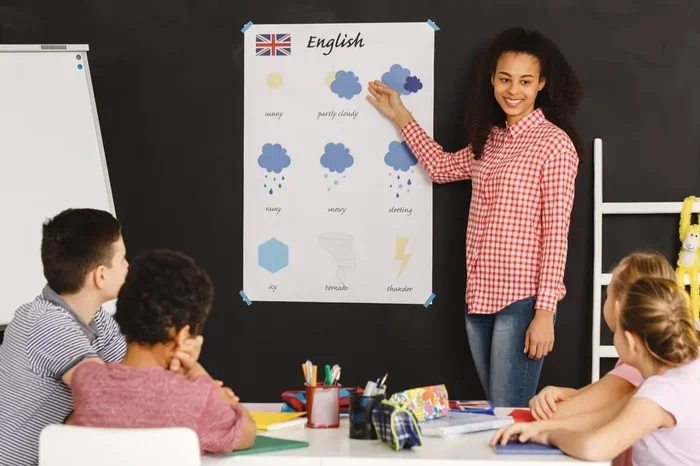
EFL stands for English as a Foreign Language, and it refers to learning English in a non-English-speaking country. Understanding EFL meaning in education is essential for teachers, students, and anyone involved in language learning. This guide covers everything from EFL definitions and teaching methods to career opportunities and practical tips for success.
If you have ever wondered what does EFL stand for in education, you are not alone. The abbreviation EFL pops up everywhere in language learning circles. But what does it really mean, and why should you care?
EFL stands for English as a Foreign Language. It describes the process of learning English in a country where English is not the primary language. Think about students in China, Brazil, or France studying English in their own classrooms. That is EFL in action.
Understanding the EFL definition in education matters because it shapes how teachers plan lessons, how students learn, and how schools design programs. Whether you are a curious learner, a future teacher, or just someone who loves language, knowing what EFL means gives you a solid foundation.
In this article, we will break down everything you need to know. We will explore the EFL meaning in education, compare it to related terms, dive into teaching methods, and look at real-world applications. By the end, you will have a clear picture of why EFL plays such a big role in global education.
Key Takeaways
- EFL Definition: EFL stands for English as a Foreign Language, meaning English learned outside an English-speaking environment.
- EFL vs ESL: EFL and ESL differ in setting — EFL happens in non-English countries, while ESL occurs in English-speaking ones.
- Teaching Methods: EFL classrooms use approaches like Communicative Language Teaching, Task-Based Learning, and the Direct Method.
- Career Paths: EFL opens doors to teaching abroad, online tutoring, curriculum design, and more.
- Challenges: EFL learners face hurdles like limited exposure, cultural barriers, and lack of authentic practice.
- Certification Matters: EFL certification boosts credibility and job prospects for aspiring teachers.
- Technology Helps: Digital tools and apps make EFL learning more accessible and engaging.
📑 Table of Contents
What Does EFL Stand for in Education?
The EFL meaning in education is straightforward but powerful. EFL stands for English as a Foreign Language. It refers to the study of English by speakers whose first language is not English. This learning typically takes place in the learner’s home country, where English is not the dominant language used in daily life.
For example, a student in Japan learning English in a classroom is engaging in EFL. A student in the UK learning English is not doing EFL — that would be ESL, which we will cover soon.
The History of EFL in Education
EFL has been around for centuries. As trade and travel expanded, people needed a common language to communicate. English became that language. Schools around the world began offering English classes to prepare students for international business, travel, and academic opportunities.
In the 20th century, EFL grew rapidly. Globalization, the internet, and international travel made English even more important. Today, millions of people worldwide study English as a foreign language. It is one of the most widely taught subjects on the planet.
Why EFL Matters in Modern Education
EFL matters for several key reasons. First, it opens doors. English is the language of science, technology, business, and entertainment. Knowing English gives learners access to a world of opportunities.
Second, EFL supports cognitive development. Studies show that learning a second language improves memory, problem-solving skills, and even creativity. EFL programs in schools help students grow in many ways beyond just language.
Third, EFL promotes cultural understanding. When students learn English, they also learn about the cultures where English is spoken. This builds empathy and global awareness.
EFL vs ESL: What Is the Difference?
People often confuse EFL with ESL. Both deal with learning English, but the settings are different. Let us break it down clearly.
What Is ESL?
ESL stands for English as a Second Language. It refers to learning English in an English-speaking country. For example, a student from Mexico moving to the United States and taking English classes is learning ESL. The environment is immersive, and English is used daily outside the classroom.
Key Differences Between EFL and ESL
Here are the main differences at a glance:
- Setting: EFL happens in non-English-speaking countries. ESL happens in English-speaking countries.
- Exposure: EFL students have limited daily contact with English. ESL students are surrounded by English all the time.
- Purpose: EFL is often for academic or career advancement. ESL is usually for survival and integration in a new country.
- Classroom Focus: EFL relies heavily on textbook learning. ESL uses real-world interaction as a teaching tool.
- Motivation: EFL learners may be motivated by travel or global career goals. ESL learners are often motivated by immediate daily needs.
Understanding this distinction helps teachers choose the right EFL teaching methods. What works in an ESL classroom may not work in an EFL setting. The lack of daily English exposure in EFL environments means teachers must create those opportunities inside the classroom.
Common EFL Teaching Methods and Approaches
Teaching English as a Foreign Language requires specific strategies. Since students have limited exposure to English outside the classroom, teachers must make every minute count. Let us look at the most effective approaches.
Communicative Language Teaching
Communicative Language Teaching, or CLT, focuses on real communication. Instead of memorizing grammar rules, students practice using English in meaningful situations. For example, a teacher might set up a role-play where students order food at a restaurant in English.
This approach works well for EFL because it simulates real-life English use. Students get to practice speaking and listening in ways that feel natural and relevant.
Task-Based Language Teaching
Task-Based Language Teaching, or TBLT, centers on completing real-world tasks. Students might work in groups to plan a trip, write an email, or solve a problem — all in English. The task itself drives the learning.
TBLT is popular in EFL classrooms because it gives students a clear purpose for using English. It also encourages collaboration and critical thinking.
The Direct Method
The Direct Method teaches English entirely in English. No translation is used. Teachers use visuals, gestures, and objects to explain meaning. This method helps EFL students think directly in English rather than translating from their native language.
However, the Direct Method can be challenging for beginners. Teachers often combine it with other approaches to meet students where they are.
Grammar-Translation Method
The Grammar-Translation Method is the traditional approach. Students learn grammar rules and translate sentences between their native language and English. While this method has its critics, it still has a place in EFL education, especially for reading and writing skills.
Many teachers blend the Grammar-Translation Method with more communicative approaches. This balanced strategy gives students a strong grammatical foundation while also building real-world communication skills.
Challenges in EFL Education
EFL education comes with its own set of challenges. Understanding these hurdles helps teachers and students find better solutions.
Limited Exposure to English
The biggest challenge in EFL is the lack of daily English exposure. Unlike ESL students, EFL learners do not hear English on the street, at the grocery store, or in casual conversations. This limited input can slow down language acquisition.
Teachers can address this by creating immersion-like environments in the classroom. Playing English music, showing English videos, and encouraging English-only speaking during activities all help bridge the gap.
Cultural Barriers
Culture plays a big role in language learning. Some EFL students come from backgrounds where speaking up in class is discouraged. Others may feel shy about making mistakes in front of peers.
Building a supportive classroom culture is essential. Teachers should encourage mistakes as part of the learning process. Using similes for education and metaphors for education can also make lessons more relatable and fun for diverse student groups.
Motivation and Engagement
Keeping EFL students motivated is a constant challenge. Many students learn English because they have to, not because they want to. This can lead to disengagement and poor attendance.
Teachers can boost motivation by connecting lessons to students’ real lives and interests. Using games, competitions, and multimedia resources makes EFL classes more engaging and enjoyable.
Large Class Sizes
In many countries, EFL classes are huge. A single teacher might have 40 or more students. This makes it hard to give individual attention and practice opportunities.
Pair and group work can help. When students work together, they get more speaking time and learn from each other. Teachers can also rotate activities to keep things fresh and manageable.
EFL Certification and Career Opportunities
If you are considering a career in EFL, there are many paths available. EFL certification can open up exciting opportunities both at home and abroad.
Popular EFL Certifications
Several certifications are recognized worldwide for EFL teaching:
- TEFL (Teaching English as a Foreign Language): The most common certification for EFL teachers. It covers lesson planning, classroom management, and language theory.
- TESOL (Teaching English to Speakers of Other Languages): Similar to TEFL but often includes more focus on ESL and EFL combined.
- CELTA (Certificate in Teaching English to Speakers of Other Languages): A prestigious qualification from Cambridge. It is highly respected and widely recognized.
- DELTA (Diploma in Teaching English to Speakers of Other Languages): An advanced qualification for experienced EFL teachers looking to deepen their expertise.
Career Paths for EFL Professionals
EFL opens up a wide range of career options:
- Teaching Abroad: Many EFL certified teachers work in countries like China, Spain, South Korea, and Brazil. Teaching abroad is a rewarding way to travel and experience new cultures.
- Online Tutoring: The rise of online learning has created huge demand for EFL tutors. You can teach from anywhere with a reliable internet connection.
- Curriculum Design: Some EFL professionals create lesson plans and programs for schools and language centers.
- Teacher Training: Experienced EFL teachers can train new educators and lead professional development workshops.
- Educational Publishing: EFL experts can write textbooks, work on apps, and develop learning materials for language learners worldwide.
The demand for EFL teachers continues to grow. As more countries recognize the importance of English in the global economy, EFL programs are expanding in schools and language centers everywhere.
Tips for Succeeding in EFL Learning
Whether you are an EFL student or a teacher working with EFL learners, these tips can help you get the most out of the experience.
For Students
- Practice daily: Even 15 minutes of English practice each day adds up over time. Consistency is key in language learning.
- Immerse yourself: Watch English movies, listen to English podcasts, and read English books. The more you surround yourself with English, the faster you will improve.
- Do not fear mistakes: Making mistakes is a natural part of learning. Every error is a chance to grow and improve.
- Find a language partner: Practicing with a friend or language exchange partner gives you real conversation experience.
- Set clear goals: Know why you are learning English and what you want to achieve. Clear goals keep you focused and motivated.
For Teachers
- Know your students: Understand their goals, interests, and challenges. Tailor your lessons to meet their needs.
- Use varied activities: Mix up your lessons with games, discussions, writing tasks, and multimedia. Variety keeps students engaged.
- Provide feedback: Give constructive, encouraging feedback. Help students see their progress and areas for improvement.
- Stay current: Keep learning new teaching methods and EFL resources. The field of language education is always evolving.
- Use authentic materials: Bring real-world English into the classroom. News articles, songs, and videos make learning feel relevant and alive.
The Future of EFL in Education
The world of EFL is changing fast. Technology is transforming how people learn English as a foreign language. Here are some trends shaping the future of EFL education.
Artificial intelligence is making personalized learning possible. AI-powered apps can adapt to each student’s level and learning style. This means EFL learners get lessons tailored specifically to their needs.
Virtual reality is another exciting development. Imagine walking through a virtual English-speaking city and practicing real-life conversations. VR makes EFL learning immersive and engaging in ways that were not possible before.
Online learning platforms have also expanded access to EFL education. Students in remote areas can now connect with qualified teachers from around the world. This is breaking down barriers and making quality EFL instruction more available than ever.
As the world becomes more connected, the importance of EFL will only continue to grow. English remains the global lingua franca, and EFL programs will play a vital role in preparing the next generation for international opportunities.
Conclusion
EFL stands for English as a Foreign Language, and it is one of the most important aspects of modern education. Understanding the EFL meaning in education helps teachers teach better and learners learn faster. From teaching methods to career opportunities, EFL touches millions of lives around the world every day.
Whether you are an EFL student just starting out or a teacher looking to improve your craft, the key is to stay curious and keep practicing. The journey of learning English as a foreign language is challenging but incredibly rewarding. Embrace the process, seek out EFL resources, and never stop growing.
The world is more connected than ever, and English is the bridge that brings people together. EFL education makes that bridge stronger, one classroom at a time.
Frequently Asked Questions
What does EFL stand for in simple terms?
EFL stands for English as a Foreign Language. It means learning English in a country where English is not the main language spoken. This is different from ESL, which happens in English-speaking countries.
Is EFL the same as ESL?
No, EFL and ESL are not the same. EFL takes place in non-English-speaking countries, while ESL happens in English-speaking countries. The learning environment and daily exposure to English are very different between the two.
What are the best EFL teaching methods?
Some of the best EFL teaching methods include Communicative Language Teaching, Task-Based Language Teaching, and the Direct Method. Many teachers also blend these with the Grammar-Translation Method for a balanced approach that covers all language skills.
Do I need EFL certification to teach English abroad?
While not always required, EFL certification greatly improves your chances of landing a good teaching job abroad. Certifications like TEFL, TESOL, and CELTA are widely recognized and respected by employers worldwide.
How long does it take to learn English as a foreign language?
The time it takes varies greatly depending on your native language, how often you practice, and your learning environment. On average, it takes 600 to 750 hours of study to reach a basic level of English proficiency. Consistent daily practice makes a big difference.
Can I learn EFL online?
Absolutely. Online EFL learning has grown rapidly, and there are many high-quality platforms available. You can take courses, work with tutors, and access EFL resources from anywhere in the world with an internet connection.


