
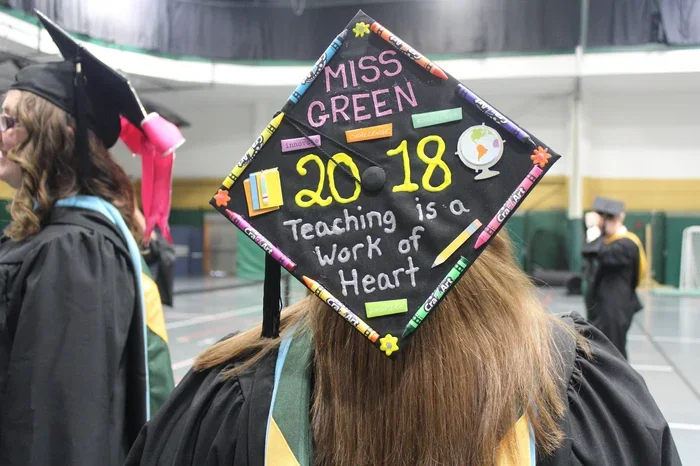
A masters in education opens doors to higher-paying teaching roles, school leadership positions, and specialized careers in curriculum design and policy. This degree boosts your earning potential, builds advanced skills, and gives you a competitive edge in the education sector. Whether you want to lead a school or shape learning programs, a masters in education gets you there.
Earning a masters in education is one of the smartest moves you can make for your career. Whether you are a current teacher looking to move up or someone new to the field, this degree changes the game. It gives you access to better jobs, higher pay, and skills that set you apart. Many professionals find that a masters in education opens doors they never knew existed.
The education sector is growing fast. Schools, colleges, and training centers need qualified leaders. A master degree in education positions you as someone who can lead, design, and shape the future of learning. If you have been wondering what a masters in education gets you, this guide breaks it all down.
Key Takeaways
- Higher Salary Potential: Degree holders often earn significantly more than those with only a bachelor’s degree.
- Expanded Career Options: You gain access to roles like instructional designer, education administrator, and academic counselor.
- Leadership Opportunities: A masters in education prepares you for school leadership and policy-making positions.
- Specialized Skills: You develop expertise in curriculum development, classroom management, and education research.
- Job Security: Advanced qualifications make you more competitive in a growing job market.
- Personal Growth: The degree deepens your understanding of how people learn and how to teach better.
📑 Table of Contents
- What a Masters in Education Gets You Career Wise
- Top Career Paths After Earning a Masters in Education
- Skills You Build With a Masters in Education
- Is a Masters in Education Worth It?
- How to Get the Most Out of Your Masters in Education
- Quick Tips for Success
- Common Mistakes to Avoid
- Expert Insights
- Final Thoughts
What a Masters in Education Gets You Career Wise
A masters in education is more than just a piece of paper. It is a ticket to better opportunities and career growth. The career advancement options are wide and varied. Let us look at what you can expect after earning this degree.
Higher Earning Potential
One of the biggest reasons people pursue a master degree in education is the salary boost. Studies show that degree holders in education earn more over their lifetime than those with only a bachelor’s. The exact numbers depend on your role, location, and experience level.
For example, a teacher with a master’s can earn anywhere from 10 to 25 percent more than a peer with just a bachelor’s. School administrators with advanced degrees often earn even more. The salary increase alone can make the investment worth it.
Access to Leadership Roles
With a masters in education, you can step into leadership positions. These roles include department head, assistant principal, or even full principal. You also become eligible for district-level positions that shape education policy and strategy.
Leadership roles pay well and carry more responsibility. They let you influence how schools operate and how students learn. If you have always wanted to make a bigger impact, this is the path.
Top Career Paths After Earning a Masters in Education
The teaching career landscape changes a lot when you hold a master’s degree. You are no longer limited to classroom teaching. Let us explore the top career paths available to degree holders in education.
School Administrator
School administrators run the day-to-day operations of a school. They manage staff, set budgets, and ensure students get a quality education. A masters in education is typically the minimum requirement for these roles.
Administrators earn some of the highest salaries in the education sector. They also get the chance to shape school culture and improve student outcomes. It is a rewarding path for those who love leading teams.
Instructional Designer
Instructional designers create learning materials and programs. They work with schools, businesses, and online platforms to build effective courses. This role requires a deep understanding of how people learn, which you gain through a master degree in education.
The demand for instructional designers is growing. More companies and schools are moving to online and blended learning models. This means more job opportunities for qualified professionals.
Academic Counselor
Academic counselors help students navigate their educational journeys. They guide students through course selection, career planning, and personal challenges. A masters in education gives you the knowledge and credentials to serve in this role.
Counselors play a vital part in student success. They work closely with teachers, parents, and administrators to support each student’s growth.
Education Policy Analyst
Policy analysts study how education laws and rules affect schools and students. They work for government agencies, think tanks, and advocacy groups. A master degree in education gives you the research skills and subject knowledge needed for this career.
If you care about big-picture changes in education, this role lets you make a difference on a large scale. You help shape the rules that govern how millions of students learn.
Skills You Build With a Masters in Education
A masters in education does more than open job doors. It builds real, transferable skills that you use every day. These skills make you valuable in any education career.
Curriculum Development
You learn how to design and improve curricula. This means creating lesson plans, choosing materials, and setting learning goals. Curriculum development is a skill that applies to schools, training programs, and even corporate learning departments.
Strong curriculum skills let you create engaging and effective learning experiences. You understand what works and why it works. This makes you a powerful asset to any organization.
Classroom Management and Instruction
Even if you move into leadership, your teaching skills remain valuable. A masters in education sharpens your ability to manage classrooms and deliver clear instruction. You learn new methods and strategies backed by research.
These skills help you train other teachers and improve overall teaching quality. They also make you a better communicator in any setting.
Research and Data Analysis
Graduate programs teach you how to conduct research and analyze data. You learn to evaluate programs, measure outcomes, and make evidence-based decisions. These research skills are useful in many roles beyond the classroom.
Data-driven decision making is a hot skill in the education sector. Schools and organizations want leaders who can use numbers to drive improvement.
Communication and Collaboration
Graduate study pushes your communication skills to a higher level. You learn to write clearly, present ideas effectively, and work well with diverse teams. These professional development skills serve you in every career path.
Whether you are leading a meeting, writing a grant proposal, or presenting to a board, strong communication makes you stand out.
Is a Masters in Education Worth It?
This is a fair question, and the answer depends on your goals. Let us look at the pros and cons to help you decide.
The Pros
- Higher earning potential over your career lifetime.
- More job opportunities in teaching, administration, and policy.
- Greater job security because advanced degrees are valued.
- Personal satisfaction from gaining deep expertise.
- Networking opportunities with fellow professionals and professors.
The Cons
- Time commitment — most programs take 1.5 to 3 years to complete.
- Cost — tuition can be significant, though many programs offer financial aid.
- Opportunity cost — you may need to reduce work hours while studying.
Overall, most professionals find that the benefits of a masters in education outweigh the costs. The career growth and personal development are well worth the effort.
How to Get the Most Out of Your Masters in Education
Earning the degree is only the first step. You need to use it wisely to maximize your career advancement. Here are some tips.
Choose the Right Specialization
Many programs let you focus on a specific area. Popular specializations include curriculum design, educational technology, school leadership, and higher education. Pick the one that aligns with your career goals.
If you want to lead a school, go for an administration focus. If you love creating learning materials, choose instructional design. The right specialization makes your degree more valuable.
Build Your Network
Graduate school is a great place to build connections. Attend events, join clubs, and connect with classmates and professors. Your network can lead to job opportunities and mentorship.
Many education jobs are filled through word of mouth. A strong professional network gives you an edge in the job market.
Gain Practical Experience
Look for internships, volunteer roles, or part-time positions while you study. Real-world experience makes your resume stronger. It also helps you apply what you learn in the classroom to actual situations.
Employers value candidates who can hit the ground running. Practical experience gives you that advantage.
Stay Current With Trends
The education sector is always changing. New technologies, teaching methods, and policies emerge all the time. Stay informed by reading industry publications, attending conferences, and joining professional groups.
If you want to express your passion for teaching in creative ways, check out our guide on Idioms for Falling in Love for fun and expressive language ideas. You can also explore Similes for Education to add flair when writing about learning and teaching.
For more creative ways to describe the education world, our Metaphors for Education collection is a great resource. And if you want to sound professional in academic settings, browse our Idioms for Education list to sharpen your language skills.
Quick Tips for Success
- Start your job search early — many positions fill up fast.
- Tailor your resume to highlight skills gained during your program.
- Practice interviewing by explaining how your degree applies to real-world challenges.
- Consider online programs if you need flexibility while working.
- Join professional organizations like ASCD or ISTE to stay connected.
Common Mistakes to Avoid
- Choosing a program just for the degree: Make sure the program aligns with your specific career goals.
- Ignoring accreditation: Only enroll in accredited programs that employers recognize.
- Neglecting networking: Your connections matter just as much as your coursework.
- Not applying what you learn: Seek opportunities to use new skills immediately.
Expert Insights
Education professionals agree that a masters in education is one of the most valuable investments you can make. According to the Bureau of Labor Statistics, many education careers with advanced degrees show strong growth through 2030 and beyond. School administrators, instructional coordinators, and policy analysts are in high demand.
Dr. Linda Brown, an education professor with over 20 years of experience, says: “A master degree in education transforms how you think about teaching and learning. It shifts you from being a classroom practitioner to a thought leader in the field.”
Another expert, Dr. James Carter, adds that the professional development gained during a master’s program is unmatched. “You leave not just with a degree but with a toolkit of strategies, research skills, and a professional network that lasts a lifetime.”
Final Thoughts
So, what does a masters in education get you career wise? The answer is clear. It opens up higher-paying roles, leadership positions, and specialized careers in curriculum design, policy, and counseling. It builds skills that make you a stronger professional. And it gives you the confidence to lead and inspire others in the education sector.
If you are serious about growing your career in education, a master’s degree is a powerful step forward. The investment pays off in salary, job satisfaction, and opportunities. Start exploring programs today and take control of your future.
Frequently Asked Questions
What jobs can you get with a masters in education?
You can pursue roles like school administrator, instructional designer, academic counselor, and education policy analyst. The degree also qualifies you for higher-level teaching positions and curriculum development roles in schools and organizations.
How much more can you earn with a masters in education?
Salary increases vary by role and location. On average, degree holders earn 10 to 25 percent more than those with only a bachelor’s. Administrators and policy analysts tend to see the biggest salary boosts.
How long does it take to complete a masters in education?
Most programs take between 1.5 and 3 years to finish. Online programs often offer flexible schedules that let you work while you study. Full-time students typically finish faster than part-time learners.
Is a masters in education worth the cost?
For most professionals, yes. The career advancement opportunities, higher salary potential, and personal growth make it a worthwhile investment. Many programs also offer financial aid and scholarships to help manage costs.
Can you teach with a masters in education?
Absolutely. In fact, a master degree in education can qualify you for advanced teaching roles, such as teaching at community colleges or leading curriculum teams. Some states also offer higher certification levels for degree holders.
What skills do you gain from a masters in education?
You develop skills in curriculum development, classroom management, research, data analysis, and communication. These professional development skills apply to a wide range of careers in and beyond the classroom.
=== CONCLUSION ===
A masters in education is a career-changing investment that pays real dividends. From higher salaries to leadership roles and specialized career paths, the benefits are clear and significant. The education sector needs qualified, skilled professionals who can lead and innovate. A master’s degree equips you to do exactly that. Whether you want to shape curricula, lead a school, or influence policy, this degree gives you the tools and credentials to succeed. Take the next step today and unlock what a masters in education can do for your career.


