
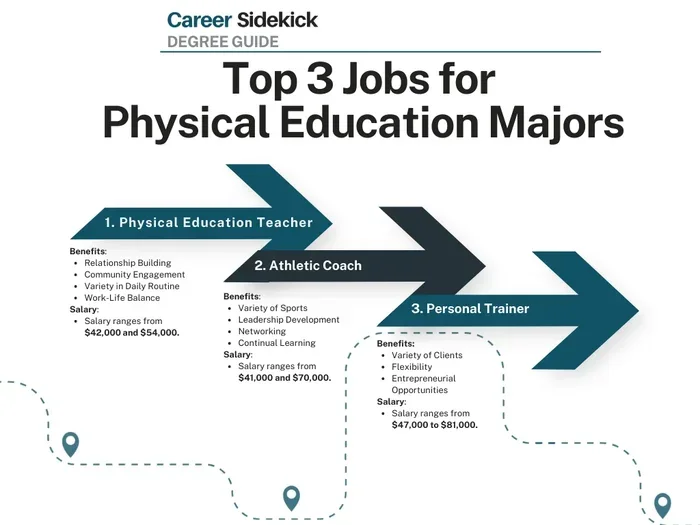
A physical education degree opens doors to many exciting careers beyond just gym class. You can become a teacher, coach, fitness trainer, or even work in sports management. This guide covers all the PE degree careers available and how to get started.
A physical education degree is one of the most versatile degrees you can earn. People often think PE degrees only lead to teaching gym class. But the truth is far more exciting. The skills you build during a PE program apply to many industries. From coaching to fitness, from health promotion to sports management, the options are wide open.
If you are considering a physical education degree, you are probably wondering what comes next. Maybe you love sports and want to share that passion. Or perhaps you care deeply about health and want to help others stay active. Whatever your reason, this guide will walk you through every path you can take. Let us dive in and explore the world of possibilities.
### What Is a Physical Education Degree?
A physical education degree focuses on human movement, sports science, and health. Students learn how the body works during exercise. They also study teaching methods and curriculum design. Most programs include courses in kinesiology, exercise physiology, and sports psychology.
During your studies, you will gain hands-on experience. You will learn how to plan lessons and lead activities. Many programs also require student teaching hours. This real-world experience is invaluable. It prepares you for the classroom or the coaching field.
There are different levels of education degree programs available. You can earn an associate, bachelor’s, or master’s degree. Each level opens different doors. A bachelor’s degree is the most common choice for aspiring PE teachers.
### Career Options With a Physical Education Degree
The range of PE degree careers is surprisingly broad. Let us look at the most popular options.
#### Physical Education Teacher
This is the most common path. PE teachers work in elementary, middle, and high schools. They teach students about fitness, teamwork, and healthy habits. A physical education degree gives you the knowledge to design effective lessons. You will also need a teaching certificate in most states.
#### School Coach
Many PE teachers also coach sports teams. You might lead a basketball, soccer, or track program. Coaching lets you share your love of sports. It also builds leadership skills that serve you well in any career.
#### Fitness Instructor
If you prefer a gym setting, this could be a great fit. Fitness instructors lead group classes like yoga, spinning, or boot camp. A physical education degree gives you a strong foundation in exercise science. You will know how to design safe and effective workouts.
#### Athletic Director
Athletic directors manage sports programs at schools or recreation centers. They handle scheduling, budgets, and staff. This role requires strong organizational skills. A PE degree provides the sports knowledge needed for this position.
#### Health Educator
Some PE graduates move into health education. They teach communities about nutrition, disease prevention, and wellness. This work can happen in schools, hospitals, or nonprofits. It is a rewarding way to make a broader health impact.
### Teaching and Coaching Paths
If you want to work in schools, a physical education degree is your best starting point. But there are a few things to know.
#### Getting Certified to Teach
Most states require a teaching license for PE teachers. The process usually involves these steps:
- Complete a physical education degree program from an accredited school.
- Complete student teaching hours under a licensed teacher.
- Pass your state’s certification exams.
- Apply for a teaching license in your state.
Each state has its own requirements. Some states also offer alternative certification paths. These are great for career changers who already have a degree in another field.
#### Coaching at the School Level
School coaching is a natural fit for PE graduates. You will work with student athletes. You will help them build skills and confidence. A good coach does more than teach plays. They mentor young people and build team culture.
Using creative teaching methods helps a lot in both roles. For example, using a simile for education can make a lesson more memorable. When you compare a relay race to a “chain of teamwork,” students grasp the concept faster. Similarly, a well-chosen metaphor for education can turn a tough concept into something students easily understand. These language tools are powerful in any classroom.
#### Youth Sports Coaching
You do not have to work in a school to coach. Many PE graduates coach youth sports leagues. This work happens after school or on weekends. It is a great way to stay connected to sports and community.
### Alternative Careers for PE Graduates
Not everyone wants to work in a school. The good news is that a physical education degree opens many other doors.
#### Corporate Wellness Programs
Companies are investing more in employee health. Wellness coordinators design fitness programs for staff. They organize challenges, classes, and health screenings. A PE background gives you the expertise to run these programs effectively.
#### Sports Management
The sports industry needs people who understand both fitness and business. PE graduates can work in event planning, marketing, or operations for sports organizations. This path combines your love of sports with business skills.
#### Recreation Coordinator
Parks and recreation departments hire PE graduates. You would plan community activities like sports leagues, fitness classes, and summer camps. This work keeps you active and connected to your community.
#### Personal Trainer
Many PE graduates become personal trainers. You can work in a gym, start your own business, or train clients online. A physical education degree gives you the science background to create safe programs. You will understand anatomy, biomechanics, and nutrition.
#### Military or Law Enforcement Fitness
Some PE graduates find roles in the military or police departments. These jobs involve training recruits and maintaining fitness standards. The discipline and physical knowledge from a PE program are a strong foundation.
### How to Maximize Your Physical Education Degree
Your degree is only as strong as how you use it. Here are some tips to stand out.
#### Gain Extra Certifications
Adding certifications boosts your resume. Consider certifications in these areas:
- Certified Personal Trainer (CPT)
- Strength and Conditioning Specialist (CSCS)
- Yoga or Pilates Instructor
- First Aid and CPR
- Sports Nutrition Specialist
Each certification adds a new skill set. It also shows employers you are serious about your field.
#### Build a Strong Network
Connect with other PE professionals. Join organizations like the Society of Health and Physical Educators (SHAPE America). Attend conferences and workshops. Networking leads to job opportunities and mentorship.
#### Stay Current on Trends
The fitness and education worlds change fast. Follow industry blogs and research. Learn about new teaching methods and fitness trends. Using a well-placed idiom for education in your teaching can also keep lessons fresh and engaging. When students hear familiar phrases used in new ways, it sparks curiosity and deeper learning.
#### Consider Graduate School
A master’s degree can open higher-level positions. You could move into administration, curriculum design, or sports psychology. Graduate programs also increase your earning potential over time.
### Is a Physical Education Degree Worth It?
This is a common question, and the answer depends on your goals. A physical education degree is worth it if you are passionate about health, fitness, and working with people.
The job market for PE teachers is stable. Schools always need qualified educators. Coaching and fitness roles are growing as wellness becomes a priority. According to the Bureau of Labor Statistics, jobs for health educators and community health workers are expected to grow significantly in the coming years.
Beyond job security, a PE degree offers personal fulfillment. You get to make a difference in people’s lives. You help children build healthy habits that last a lifetime. You inspire athletes to reach their potential. Few degrees offer that kind of impact.
### Common Mistakes PE Graduates Make
Avoiding these pitfalls can save you time and frustration.
- Skipping Certification: Do not assume your degree alone qualifies you to teach. Always check your state’s requirements.
- Limiting Your Search: Do not only look for teaching jobs. The skills from a physical education degree apply to many fields.
- Neglecting Networking: Connections matter. Many jobs come through referrals, not just online applications.
- Stopping Your Education: The learning does not end with your degree. Keep building your skills and knowledge.
### Expert Insights on PE Degree Value
Experienced professionals in the field agree that a physical education degree is a strong foundation. Dr. Karen Miller, a professor of kinesiology, notes that “PE graduates develop a unique blend of leadership, communication, and scientific knowledge. These skills transfer across many industries.”
Coach David Thompson, who has worked with school and youth sports for 20 years, adds that “PE teachers bring something special to coaching. They understand child development and how to motivate young athletes. That combination is hard to find elsewhere.”
These insights show that a PE degree is not just about running laps. It is about building people and communities.
### Final Thoughts
A physical education degree is a powerful tool for building a meaningful career. Whether you choose to teach, coach, train, or manage, your skills will serve you well. The key is to explore all the options and find the path that fits your passions.
Do not let anyone tell you that a PE degree limits you. It does the opposite. It gives you the freedom to work in many fields and make a real difference. Start building your plan today. The world of PE degree careers is waiting for you.
Key Takeaways
- Diverse Career Paths: A physical education degree leads to teaching, coaching, fitness, and administrative roles.
- Teaching Certification Matters: Most teaching jobs require a state license or certification after graduation.
- Coaching Is a Popular Choice: Many PE graduates thrive as school or youth sports coaches.
- Fitness Industry Offers Growth: Careers like personal training and wellness coaching are in high demand.
- Alternative Paths Exist: You can work in sports management, recreation, or health education with this degree.
- Further Education Boosts Options: Graduate degrees open doors to higher-paying and specialized roles.
Frequently Asked Questions
Can I teach with just a physical education degree?
In most cases, you will also need a teaching certificate or license. The exact requirements vary by state. Many PE degree programs include the coursework needed for certification. Check with your state’s education department for specific details.
How long does it take to earn a physical education degree?
A bachelor’s degree typically takes four years of full-time study. An associate degree takes about two years. A master’s degree adds another one to two years beyond the bachelor’s. Part-time students may take longer.
Can a PE degree lead to a career in fitness?
Absolutely. Many PE graduates work as personal trainers, group fitness instructors, or wellness coordinators. The degree gives you a strong foundation in exercise science and human movement. Adding a certification like a CPT can boost your fitness career even more.
What is the average salary for PE degree holders?
Salaries vary by role and location. PE teachers earn a median salary of around $60,000 to $65,000 per year. Coaches and fitness instructors may earn less at first. With experience and extra certifications, your earning potential grows significantly.
Do I need a master’s degree to advance in this field?
A master’s degree is not always required, but it helps. It can qualify you for higher-level positions like athletic director or curriculum specialist. Some states also require a master’s degree for salary advancement. It is a worthwhile investment for long-term growth.
What skills will I gain from a physical education degree?
You will develop skills in leadership, communication, lesson planning, and exercise science. You will also learn how to motivate others and manage programs. These skills apply to many careers beyond just teaching and coaching.
=== CONCLUSION ===
A physical education degree is far more than a path to teaching gym class. It is a gateway to a wide range of rewarding careers. You can shape young minds as a teacher, lead teams as a coach, or promote wellness in communities and corporations. The skills you build are transferable, valuable, and in demand.
Whether you are just starting your journey or looking to pivot your career, a PE degree gives you a strong foundation. Take the time to explore your options, gain certifications, and build your network. The right path is out there, and it starts with the knowledge and passion you already have.


