
Education credits on taxes are powerful tax benefits that help students and families reduce their tax bill for higher education expenses. The two main types — the American Opportunity Tax Credit and the Lifetime Learning Credit — can offset tuition, fees, and course costs. Understanding these education tax benefits can save you hundreds or even thousands of dollars each year.
Understanding taxes can feel like learning a foreign language. Between deductions, credits, and qualifying expenses, the tax code throws a lot of curveballs at taxpayers. But when it comes to education credits on taxes, the rules are actually pretty straightforward once you break them down. These credits are designed to help families and students manage the rising cost of higher education. They can make a real difference in your tax return.
So, what exactly are education tax credits, and how do they work? Let us walk through everything you need to know. Whether you are a parent paying for a child’s college tuition or an adult heading back to school, this guide covers it all.
## What Are Education Credits on Taxes?
Education credits on taxes are special tax benefits that reduce the amount of tax you owe. Unlike deductions, which lower your taxable income, credits reduce your actual tax bill. This makes them incredibly valuable. Think of it this way — a deduction might save you a few dollars here and there, but a tax credit gives you a direct break on what you owe.
The federal government offers two main education tax credits for individuals paying for qualified education expenses. These credits are available on your annual tax return and can significantly lower your overall tax burden. They reward you for investing in education, whether for yourself, a spouse, or a dependent.
### How Education Credits Work
When you file your taxes, you claim the credit on your return. The credit is applied directly to the tax you owe. For example, if you owe $3,000 in taxes and qualify for a $2,500 credit, your bill drops to just $500. Some credits are even partially refundable, meaning you can receive a refund even if you owe no tax at all.
The key to making these credits work for you is understanding which expenses qualify and whether you meet the eligibility requirements. Let us dig deeper into the specifics.
## The Two Main Types of Education Tax Credits
Not all education credits are the same. The IRS offers two primary options, and each has its own rules, limits, and benefits. Choosing the right one can make a big difference in your savings.
### American Opportunity Tax Credit (AOTC)
The American Opportunity Tax Credit is one of the most popular education tax benefits available today. It provides up to $2,500 per eligible student for each of the first four years of post-secondary education. What makes it especially attractive is that up to 40% of the credit is refundable. This means you can receive up to $1,000 back even if you do not owe any taxes.
To qualify for the AOTC, the student must be pursuing a degree or other recognized credential. They must be enrolled at least half-time in the first four years of college. The student cannot have a felony drug conviction on their record.
Here are the key details of the AOTC:
- Maximum credit: $2,500 per student per year
- Refundable portion: Up to $1,000
- Eligible years: First four years of post-secondary education
- Income limit (single filers): $80,000 or less
- Income limit (married filing jointly): $160,000 or less
- Qualifying expenses: Tuition, fees, and required course materials
### Lifetime Learning Credit (LLC)
The Lifetime Learning Credit is a more flexible option for taxpayers. It offers up to $2,000 per tax return, regardless of how many students are in college. Unlike the AOTC, there is no limit on the number of years you can claim the LLC. You can use it for undergraduate courses, graduate school, or even professional development classes.
The LLC is non-refundable, which means it can only reduce your tax bill to zero. It cannot generate a refund beyond that. However, it has fewer restrictions on enrollment status and degree pursuit.
Key features of the Lifetime Learning Credit include:
- Maximum credit: $2,000 per tax return per year
- Refundable: No
- Eligible years: Unlimited — no cap on years
- Income limit (single filers): $80,000 or less
- Income limit (married filing jointly): $160,000 or less
- Qualifying expenses: Tuition and fees required for enrollment
### AOTC vs. LLC: Quick Comparison
Understanding the difference between the two credits is essential for maximizing your savings. Here is a side-by-side comparison:
| Feature | AOTC | LLC |
|---|---|---|
| Maximum Credit | $2,500 per student | $2,000 per return |
| Refundable | Yes (up to $1,000) | No |
| Years Eligible | First 4 years only | Unlimited |
| Half-Time Enrollment Required | Yes | No |
| Degree Pursuit Required | Yes | No |
| Cover Room & Board | No | No |
## Who Qualifies for Education Credits on Taxes?
Eligibility for education tax credits depends on several factors. The IRS looks at your income, filing status, and who is paying for the education. Understanding these requirements helps you avoid surprises when filing.
### Income Limits
Both the AOTC and LLC have income phase-outs. If your modified adjusted gross income exceeds the threshold, your credit amount may be reduced or eliminated entirely. For single filers, the phase-out begins at $80,000. For married couples filing jointly, it starts at $160,000.
These limits are important to keep in mind. If you are close to the threshold, even a small increase in income could affect your eligibility. It is worth planning ahead if you have control over your income for the year.
### Who Can Be Claimed
You do not have to be the student to claim the credit. Parents who pay for their child’s education can claim the credit on their own return. Similarly, a spouse, grandparent, or other family member can qualify as long as they are the one making the payments.
The key requirement is that you must be the one paying the qualifying education expenses. Scholarships and grants may reduce the amount you can claim. Any amount paid from a tax-free scholarship is generally not eligible.
### Qualifying Institutions
Not every school qualifies. The institution must be an eligible post-secondary school that participates in federal student aid programs. This includes most accredited colleges, universities, vocational schools, and technical schools. You can verify a school’s eligibility through the Department of Education’s database.
## Qualifying Education Expenses: What Counts?
One of the most common questions about education credits is what expenses actually qualify. The answer is not always obvious, and getting it wrong can cost you. Here is a clear breakdown of what the IRS allows.
### Expenses That Qualify
The following expenses typically count toward your education credit:
- Tuition and fees required for enrollment or attendance
- Required course materials such as textbooks and supplies
- Student activity fees that are mandatory
- Equipment required for a specific course
These expenses must be paid directly to the educational institution or for materials the institution requires. Keeping receipts and records is essential for a smooth tax filing process.
### Expenses That Do NOT Qualify
Some costs are commonly mistaken as eligible. They are not. These include:
- Room and board or housing expenses
- Transportation costs to and from school
- Insurance payments (health or student)
- Medical expenses related to education
- Equipment or supplies not required for a specific course
Understanding this distinction can save you a lot of frustration. It is easy to assume all education-related spending qualifies, but the IRS has clear boundaries.
## How to Claim Education Credits on Your Tax Return
Claiming your education tax credits is straightforward if you stay organized. The process starts with gathering the right documents and ends with completing the appropriate IRS form.
### Step 1: Gather Your Documents
Before you start filing, collect the following:
- Form 1098-T from your educational institution
- Receipts for tuition payments and course materials
- Records of scholarships or grants received
- Student enrollment verification showing at least half-time status (for AOTC)
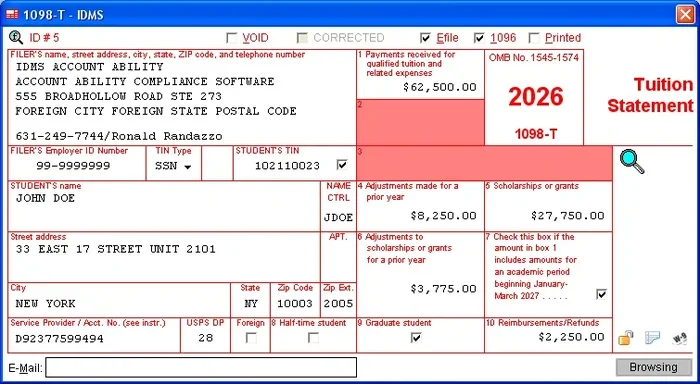
The Form 1098-T is issued by your school and summarizes the tuition payments and scholarships for the year. Most schools mail this by January 31st of the following year.
### Step 2: Complete the Correct IRS Form
For the American Opportunity Tax Credit, you will need to fill out IRS Form 8863. For the Lifetime Learning Credit, the same form is used. Both credits are claimed on Form 8863, which you then attach to your Form 1040.
If you are using tax preparation software, the form is typically completed automatically based on the information you enter. Just double-check that all amounts are correct.
### Step 3: Claim the Credit on Your Return
Once Form 8863 is complete, the credit amount flows to your main tax return. It reduces your total tax liability directly. If the credit is refundable (as with the AOTC), any excess amount is refunded to you.
### Quick Tips for a Smooth Claim
Here are a few practical tips to make the process easier:
- File early to avoid last-minute errors and delays
- Keep copies of all documents for at least three years
- Double-check student enrollment status before claiming
- Use tax software to automate calculations and reduce mistakes
- Consult a tax professional if your situation is complex
## Common Mistakes to Avoid with Education Tax Credits
Even careful taxpayers make mistakes when claiming education credits. Avoiding these common errors can save you time, money, and potential IRS headaches.
### Claiming the Wrong Credit
One of the biggest mistakes is choosing the wrong credit. Many taxpayers do not realize they have options. If you are in your first four years of college and enrolled at least half-time, the AOTC is usually the better choice. But if you are a part-time student or taking courses for career advancement, the LLC may be more appropriate.
### Forgetting to Include All Qualifying Expenses
Some taxpayers only count tuition and forget about required textbooks and course materials. These expenses add up and can increase your credit amount. Make sure you include every qualifying expense when calculating your credit.
### Ignoring Income Limits
If your income is close to the phase-out threshold, you may not qualify for the full credit — or any credit at all. Checking your income before filing helps set realistic expectations and avoids a rejected claim.
### Claiming for Someone Else’s Expenses
You can only claim a credit for expenses you actually paid. If a student pays their own tuition with their own funds, the parent cannot claim the credit. The IRS is strict about this, and getting it wrong can trigger an audit.
## Expert Insights on Maximizing Your Education Tax Benefits
Tax professionals often emphasize that education tax credits are one of the most overlooked opportunities for taxpayers. Many families leave money on the table simply because they do not know what is available.
According to tax advisors, the best approach is to plan ahead. Review your education expenses at the beginning of the year so you know what to expect when tax time arrives. If you have multiple students in college, the AOTC can be claimed for each eligible student, potentially saving your family thousands of dollars over four years.
Another expert tip is to understand how education credits interact with other tax benefits. For instance, you cannot claim both an education credit and the tuition and fees deduction in the same year. You must choose the option that saves you more. This is where understanding the full picture of your higher education expenses becomes critical.
Think of navigating tax credits like understanding idioms for education — the terms may seem familiar, but their actual meaning in the tax world is quite specific and different from everyday use. Just as similes for education help us compare learning concepts, comparing credit options helps you find the best financial outcome. Similarly, thinking of tax strategies in terms of metaphors for education — like building blocks — can help you see how each credit or deduction stacks together to support your overall financial plan.
## Key Takeaways to Remember
Let us recap the most important points about education credits on taxes:
- The AOTC offers up to $2,500 per student and is partially refundable.
- The LLC provides up to $2,000 per return with no year limit.
- Qualifying expenses are limited to tuition, fees, and required materials.
- Income limits determine whether you qualify for the full or partial credit.
- You can claim credits for yourself, your spouse, or a dependent.
- Always compare your options to maximize your tax savings.
## Conclusion
Education credits on taxes are a powerful tool for managing the cost of higher learning. Whether you are a first-time college student, a parent supporting a child, or an adult returning to school, these credits can provide meaningful financial relief. The key is understanding your options, staying organized, and claiming every credit you are eligible for.
Do not let confusion about the tax code stop you from taking advantage of these benefits. With the right knowledge and a little preparation, you can reduce your tax bill and keep more money in your pocket. Start gathering your documents today, and make the most of the education tax credits available to you.
Your future self will thank you for taking the time to understand how these credits work. Education is an investment, and these tax benefits help make that investment a little more affordable.
Key Takeaways
- Education tax credits directly reduce your tax bill dollar for dollar, making them more valuable than deductions in many cases.
- The American Opportunity Tax Credit offers up to $2,500 per eligible student for the first four years of college.
- The Lifetime Learning Credit provides up to $2,000 per tax return and has no limit on years you can claim it.
- Qualifying expenses include tuition, fees, and required course materials — but not room and board.
- Income limits apply, so higher earners may not qualify for the full credit amount.
- You can claim these credits even if you are not the student, as long as you pay for their education.
- Always compare credits vs. deductions to choose the option that saves you the most money.
Frequently Asked Questions
What is the difference between an education credit and a tax deduction?
A tax credit reduces the amount of tax you owe dollar for dollar, while a tax deduction only reduces your taxable income. Credits are generally more valuable because they provide a direct reduction in your tax bill. For example, a $2,500 credit saves you $2,500 in taxes, whereas a deduction saves you less depending on your tax bracket.
Can I claim education credits if I am not a full-time student?
It depends on the credit. The American Opportunity Tax Credit requires at least half-time enrollment in the first four years of college. However, the Lifetime Learning Credit has no enrollment requirement. You can claim the LLC even if you are taking just one course per year for personal or professional development.
What happens if my income exceeds the credit limits?
If your modified adjusted gross income exceeds the IRS threshold, your credit amount may be reduced or eliminated entirely. The phase-out range is relatively narrow, so even a small increase in income can affect eligibility. It is worth consulting a tax professional if your income is near the cutoff.
Can I claim both the AOTC and the LLC in the same year?
No, you cannot claim both credits for the same student in the same tax year. You must choose the one that provides the greater benefit. However, you can claim the AOTC for one student and the LLC for a different student in the same year if you have multiple dependents in school.
Are online courses eligible for education tax credits?
Yes, online courses are eligible as long as the institution is an accredited post-secondary school that participates in federal student aid programs. The same qualifying expenses apply — tuition, fees, and required course materials. Room and board for online students are still not eligible.
Do I need to keep receipts for my education expenses?
Absolutely. The IRS recommends keeping all records related to your education expenses for at least three years after filing. This includes receipts, Form 1098-T, enrollment verification, and any records of scholarships or grants. Organized records make filing easier and protect you in case of an audit.


