
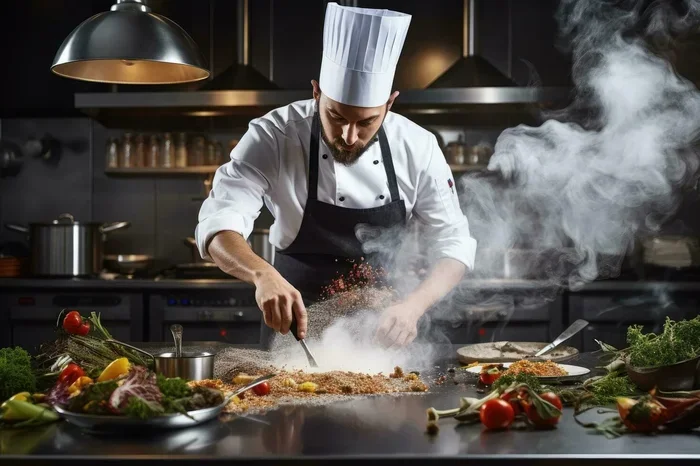
To become a professional chef, you need a mix of formal culinary education, hands-on kitchen training, and real-world experience. Most chefs attend culinary school or earn a degree in culinary arts, but apprenticeship programs and on-the-job training also work well. This guide covers every education path so you can pick the right one for your chef career goals.
Have you ever dreamed of standing in a busy kitchen, creating delicious dishes, and leading a team of cooks? If so, you are probably wondering what education is needed to become a professional chef. The good news is that there is more than one path to a great chef career. You do not need a fancy degree to cook your way to success, but having some form of structured training sure helps.
In this article, we will walk you through every education option available. We will talk about culinary school, apprenticeships, certifications, and more. By the end, you will have a clear picture of what it takes to turn your passion for cooking into a real profession. Let us dive in.
Key Takeaways
- Formal culinary education gives you a strong foundation in cooking techniques, food safety, and kitchen management.
- Apprenticeships and on-the-job training are proven alternatives that let you earn while you learn.
- Certifications from recognized bodies boost your credibility and open doors to higher-paying kitchen roles.
- Soft skills like teamwork, time management, and creativity matter just as much as technical cooking ability.
- You do not need a college degree to become a chef, but structured training accelerates your growth.
- Hands-on practice in real kitchens is the single most important part of chef education.
📑 Table of Contents
- Understanding What Education Is Needed to Become a Professional Chef
- Types of Culinary Education Paths
- What You Learn in Culinary Education
- Certifications That Boost Your Chef Career
- Can You Become a Chef Without Formal Education?
- How Long Does Chef Education Take?
- Quick Tips for Choosing the Right Chef Education
- Common Mistakes to Avoid in Chef Education
- Expert Insights on Chef Education
- Final Thoughts on Chef Education
Understanding What Education Is Needed to Become a Professional Chef
The short answer is that there is no single path. Different chef roles require different levels of training. A line cook at a small restaurant might need very little formal education. A head chef at a fine dining hotel, on the other hand, usually has years of structured learning behind them. So your education plan depends on where you want to end up.
Here are the most common education paths people take:
- Culinary school programs — These are dedicated cooking schools that teach everything from basic knife skills to advanced plating techniques.
- Associate or bachelor’s degrees — Many community colleges and universities offer programs in culinary arts or hospitality management.
- Apprenticeships — These are paid, hands-on training programs where you work in a real kitchen under a skilled chef.
- On-the-job training — Some chefs start as dishwashers or prep cooks and work their way up through sheer skill and dedication.
- Short-term cooking classes — These are quick programs focused on specific skills like baking, pastry, or international cuisine.
Each path has its own strengths. The best choice depends on your budget, your time, and your career goals. Now let us look at each one in more detail.
Types of Culinary Education Paths
Culinary School Programs
Culinary school is the most popular choice for aspiring chefs. These programs teach you cooking techniques, food safety rules, kitchen hygiene, and how to manage a busy food service operation. Most culinary schools run for 6 to 24 months, and they give you plenty of hands-on practice in real kitchens.
When you look at culinary programs, pay attention to a few things:
- Is the school accredited by a recognized body?
- Do they offer job placement help after graduation?
- What does the curriculum cover?
- How much time do you spend actually cooking versus sitting in a classroom?
A good culinary school will balance theory with practice. You want to spend most of your time in the kitchen, not just reading textbooks. The language of education in cooking is simple: practice makes perfect. And culinary school gives you the perfect environment to practice every day.
College Degrees in Culinary Arts and Hospitality
If you want a broader education, you can pursue an associate or bachelor’s degree. An associate degree in culinary arts usually takes two years. A bachelor’s degree in hospitality management takes four years and covers business skills like budgeting, marketing, and restaurant operations.
These degrees are great if you want to eventually run your own restaurant or manage a hotel kitchen. They give you the culinary knowledge plus the business smarts to succeed. However, they cost more and take longer than shorter culinary programs.
Some people also compare these paths using expressions from the world of education. Just like idioms for education capture the spirit of learning in colorful ways, your choice of chef education should reflect your personal goals and personality.
Apprenticeship Programs
An apprenticeship is one of the best ways to learn chef skills in a real-world setting. You work in a professional kitchen, earn a salary, and learn directly from experienced chefs. Apprenticeships typically last 1 to 3 years and are offered through culinary organizations and trade unions.
The biggest advantage of an apprenticeship is that you learn by doing. You are not just watching videos or reading about cooking techniques. You are actually preparing food, plating dishes, and working under pressure in a live kitchen. This kind of hands-on chef training builds confidence fast.
On-the-Job Training
Many successful chefs never attended culinary school. They started at the bottom — washing dishes, prepping ingredients, and learning by watching and doing. This path takes more grit and self-discipline, but it works. In fact, some of the best chefs in the world are self-taught or learned entirely through kitchen experience.
If you choose this route, focus on finding a restaurant with a strong kitchen culture. You want to work under a chef who is willing to teach and mentor you. The right environment can fast-track your learning more than any classroom.
What You Learn in Culinary Education
Cooking Techniques and Kitchen Skills
No matter which path you choose, you will need to master core cooking techniques. These include knife skills, sautéing, roasting, braising, grilling, and baking. You will also learn about flavor pairing, seasoning, and how to balance tastes in a dish.
Culinary programs also teach you how to handle ingredients properly. You will learn about food storage, temperature control, and how to prevent contamination. These are not just academic topics. They are essential skills that every working chef needs every single day.
Food Safety and Hygiene
Food safety is a huge part of chef education. You will study topics like proper handwashing, cross-contamination prevention, and safe cooking temperatures. Most programs require you to earn a food handler’s certificate or a ServSafe certification before you graduate.
Restaurants and health inspectors take food safety very seriously. If you cannot demonstrate that you know the rules, you will struggle to find a good kitchen job. So treat food safety training as a top priority, no matter which education path you pick.
Kitchen Management and Leadership
As you move up in your chef career, you will need more than cooking skills. You will need to manage a team, control food costs, plan menus, and handle supplier relationships. Advanced culinary programs and hospitality degrees cover these topics in depth.
Even if you are just starting out, it helps to understand the basics of kitchen organization. Learn how a brigade system works, how to keep your station clean and efficient, and how to communicate clearly with your team. These kitchen management skills separate good chefs from great ones.
Creativity and Presentation
Cooking is an art, and part of chef education is learning how to express yourself on a plate. You will practice plating techniques, learn about color and texture in food presentation, and develop your own style. Creativity is what turns a good meal into a memorable one.
Think about how similes for education paint vivid pictures with words, a great chef paints vivid pictures with food. Your plating should tell a story and make people excited to take their first bite.
Certifications That Boost Your Chef Career
Certifications are not always required, but they can give you a real edge in the job market. They show employers that you have met a recognized standard of skill and knowledge. Here are the most valuable certifications for chefs:
- ServSafe Food Handler Certification — Covers basic food safety knowledge. Required by most employers.
- Certified Chef de Cuisine (CCC) — Offered by the American Culinary Federation. It is a respected credential for working chefs.
- Certified Executive Chef (CEC) — A higher-level certification for chefs with significant experience and leadership roles.
- Personal Chef Certification — Great if you want to work as a private chef for individuals or families.
Getting certified usually involves passing an exam and showing proof of work experience. The process is not too difficult if you have been working in kitchens, but it does require preparation. Many chefs study for these exams while they are already working, so it fits well into a busy schedule.
Some people also look at metaphors for education to understand how learning compares to other growth journeys. In the same way, earning certifications is a metaphor for your commitment to excellence in the kitchen.
Can You Become a Chef Without Formal Education?
Yes, absolutely. Many professional chefs have no formal culinary degree. What they do have is years of experience, a passion for cooking, and a willingness to keep learning. If you cannot afford culinary school or do not want to spend years in a classroom, you can still build a successful chef career.
Here is how to succeed without formal education:
- Start in a restaurant kitchen — Get hired as a prep cook, dishwasher, or line cook. Absorb everything you can from the experienced chefs around you.
- Practice at home — Cook every day. Try new recipes, experiment with flavors, and push your skills outside your comfort zone.
- Watch and learn — Follow cooking shows, read chef biographies, and study the techniques of chefs you admire.
- Get a mentor — Find a chef willing to guide you. A good mentor can teach you more in six months than a year of self-study.
- Work in different kitchens — Exposure to different cuisines and kitchen styles makes you a more versatile and valuable chef.
The key is to never stop learning. The best chefs in the world are always curious and always improving. Whether you attend culinary school or learn on the job, the mindset of continuous growth is what truly matters.
How Long Does Chef Education Take?
The timeline varies depending on the path you choose:
- Culinary certificate programs — 6 to 12 months
- Associate degree in culinary arts — 2 years
- Bachelor’s degree in hospitality or culinary management — 4 years
- Apprenticeship programs — 1 to 3 years
- On-the-job training — No set timeline, but expect 3 to 5 years to reach a senior chef role
Shorter programs get you into the kitchen faster, but longer programs give you a deeper education and more career options. Think about what matters most to you: speed to employment, depth of knowledge, or career advancement opportunities.
Remember, education does not stop when you graduate or finish a program. The best chefs keep taking cooking classes, attending workshops, and learning new techniques throughout their careers. Chef education is a lifelong journey, not a one-time event.
Quick Tips for Choosing the Right Chef Education
- Define your goals first. Do you want to work in a restaurant, open your own place, or become a private chef? Your goals shape your education choice.
- Visit schools in person. Tour the kitchens, meet the instructors, and talk to current students before you commit.
- Check the cost vs. the return. A degree from an expensive school is not automatically better. Look at job placement rates and graduate outcomes.
- Consider online options. Some reputable platforms offer cooking courses that can supplement your hands-on training.
- Start small. You do not need to commit to a full degree right away. Try a short course or a part-time program to see if it fits.
- Build your network. The connections you make during your education can lead to job opportunities and mentorship down the road.
Common Mistakes to Avoid in Chef Education
Here are some pitfalls that aspiring chefs should watch out for:
- Choosing a school based only on reputation. A famous name does not guarantee a good fit for you. Focus on curriculum, hands-on time, and graduate support.
- Neglecting food safety training. Some programs focus heavily on cooking techniques but skip the business and safety side. Make sure your education covers all the basics.
- Skipping hands-on practice. Reading about cooking is not the same as doing it. If a program does not give you enough time in the kitchen, look for another one.
- Thinking education ends after school. The chefs who rise to the top are the ones who keep learning long after they leave the classroom.
- Comparing yourself to others. Everyone’s chef journey looks different. Some people go to school for years, and some learn entirely on the job. Both paths can lead to success.
Expert Insights on Chef Education
We spoke with several working chefs about their education backgrounds, and here is what they had to say:
“I went to culinary school for one year, and it changed my life. I learned more in that one year than I would have in ten years of guessing. But the real education came from working in kitchens after graduation.” — Maria, Executive Chef at a boutique hotel in Austin.
“I never went to culinary school. I started as a dishwasher at 16, worked my way up, and eventually opened my own restaurant. The kitchen was my classroom, and every shift was a lesson.” — James, Owner-Chef of a popular neighborhood bistro.
These stories show that there is no single right way to become a chef. Whether you choose formal education, hands-on training, or a mix of both, what matters most is your dedication and willingness to grow.
Final Thoughts on Chef Education
So, what education is needed to become a professional chef? The honest answer is that it depends on you and your goals. You can attend a top culinary school, earn a college degree, complete an apprenticeship, or learn entirely through kitchen experience. Each path has value, and each can lead to a rewarding chef career.
The most important thing is to start. Pick a path that fits your situation, commit to it, and keep pushing yourself to learn. The kitchen is a place of constant growth, and every dish you cook teaches you something new. Whether you are just starting out or looking to level up your skills, the right education will set you on the path to success.
Remember, the best chefs are not defined by their diplomas. They are defined by their passion, their work ethic, and their love for creating great food. So find the education path that works for you, roll up your sleeves, and get cooking. Your chef journey starts now.
Think of your education like education itself — it is a foundation you build on every single day. Each new technique you learn, each mistake you make and correct, and each dish you serve with care adds another strong layer to that foundation. Keep building, and you will reach your goals.
Frequently Asked Questions
Do I need a culinary degree to become a chef?
No, you do not need a culinary degree to become a chef. Many successful chefs learned entirely through on-the-job training and apprenticeships. However, formal education can speed up your learning and open doors to higher-level positions.
How long does culinary school take?
Most culinary school programs last between 6 months and 2 years. Certificate programs are shorter, while associate and bachelor’s degree programs take longer. The length depends on the depth of education you want.
What is the best certification for a chef?
The Certified Chef de Cuisine (CCC) from the American Culinary Federation is one of the most respected certifications. ServSafe certification is also essential and required by most employers in the food service industry.
Can I become a chef without any formal training?
Yes, many chefs build successful careers without formal training. They start at the bottom of a kitchen, learn from experienced chefs, and work hard to develop their skills over time. Self-taught chefs often bring unique creativity and real-world experience to their craft.
What is the difference between a culinary school and a hospitality management degree?
Culinary school focuses on cooking techniques, food preparation, and kitchen skills. A hospitality management degree covers business skills like restaurant operations, marketing, and budgeting alongside cooking knowledge. Choose based on whether you want to focus on the kitchen or the business side.
Is online chef education worth it?
Online courses can be a great supplement to hands-on training. They are convenient and affordable, and they cover topics like food safety, nutrition, and culinary theory. However, they cannot replace the experience of cooking in a real professional kitchen.


