
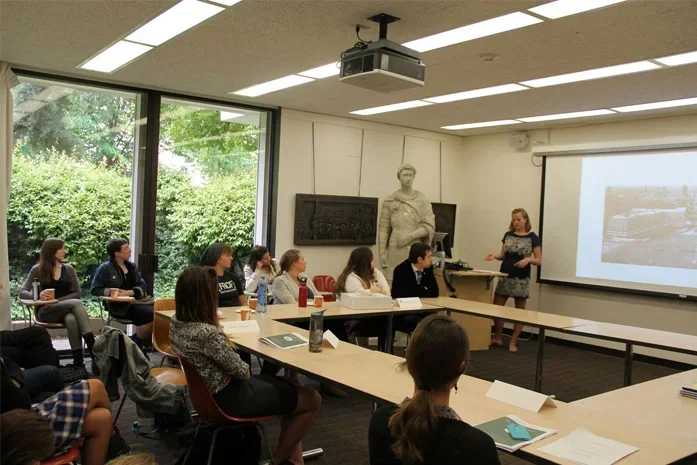
So, is education a humanities major? The short answer is yes — education is widely classified as a humanities major in most universities. It blends critical thinking, communication skills, and academic disciplines like literature, philosophy, and history to prepare students for teaching careers and beyond.
Key Takeaways
- Education is a humanities major: Most colleges categorize education under the humanities or liberal arts umbrella.
- You gain versatile skills: Critical thinking, communication, and analytical abilities are core outcomes of an education degree.
- Career options go beyond teaching: Graduates can pursue roles in administration, curriculum design, and educational policy.
- Coursework is diverse: Expect classes in literature, history, philosophy, and social sciences alongside teaching methods.
- It pairs well with other fields: Combining education with a subject-area focus opens up even more career paths.
- Licensure matters: Most teaching roles require state certification in addition to your degree.
📑 Table of Contents
- Is Education a Humanities Major? Here Is Everything You Need to Know
- What Does It Mean for Education to Be a Humanities Major?
- What Will You Study in an Education Major?
- Skills You Build With an Education Humanities Major
- Career Paths for Education Humanities Majors
- How Education Compares to Other Humanities Majors
- Common Misconceptions About Education as a Humanities Major
- Quick Tips for Succeeding in an Education Humanities Program
- Final Thoughts: Is Education a Humanities Major Worth Choosing?
Is Education a Humanities Major? Here Is Everything You Need to Know
Let us get straight to the point. Is education a humanities major? In most cases, the answer is a clear yes. Education programs sit comfortably within the humanities and liberal arts family at the majority of universities. But the full picture is a bit more nuanced than a simple yes or no. You see, education draws from many academic disciplines. It wraps together ideas from literature, philosophy, history, and social sciences. That is what makes it such a rich and rewarding field of study.
If you are wondering whether an education degree fits your goals, you are in the right place. This guide breaks down everything you need to know. We will cover what the major involves, what you will study, and where it can take you. By the end, you will have a clear picture of whether this path aligns with your dreams.
What Does It Mean for Education to Be a Humanities Major?
When we talk about humanities majors, we refer to fields that explore human culture, thought, and expression. These include subjects like literature, philosophy, history, languages, and the arts. Education fits right into this group because it studies how humans learn, grow, and share knowledge.
A humanities degree in education focuses on more than just classroom techniques. It digs into the philosophy of learning. It asks big questions like “How do people absorb information?” and “What role does culture play in education?” These are deeply human questions. That is exactly what the humanities are all about.
Some universities place education under a dedicated College of Education. Others group it with liberal arts or social sciences. The classification can vary. But the core of the discipline remains rooted in humanities principles.
The Liberal Arts Connection
Many people use the terms “liberal arts” and “humanities” interchangeably. They overlap quite a bit. A liberal arts education encourages broad thinking. It pushes students to explore many subjects instead of narrowing focus too early. An education major thrives in this environment. You will read classic texts. You will discuss ideas. You will learn to think on your feet.
This broad foundation is a huge advantage. It gives you flexibility in your career. Unlike some technical majors that train you for one specific job, education opens many doors.
What Will You Study in an Education Major?
An education degree program covers a wide range of topics. You will not just learn how to stand in front of a class. You will explore the deeper layers of how people learn and grow.
Core Courses You Can Expect
Here are some typical courses you will encounter:
- Foundations of Education: This course covers the history and purpose of schooling. You will learn how education systems developed over time.
- Educational Psychology: This class dives into how students think and learn at different ages. It connects to social sciences heavily.
- Literacy and Language Arts: You will study how reading and writing skills develop. This ties directly to literature and language studies.
- Philosophy of Education: This course explores the big ideas behind teaching. It asks what knowledge is worth sharing and why.
- Curriculum and Instruction: You will learn how to design lesson plans and deliver content effectively.
- History of Education: This class looks at how schools and teaching methods have changed through the centuries.
Electives and Specializations
Most programs let you choose electives. Some students focus on early childhood education. Others lean toward secondary education in subjects like English or social studies. You might also find courses in special education, educational technology, or adult learning. These options let you shape your degree around your interests.
Many programs also require student teaching. This hands-on experience lets you practice classroom management and lesson planning in real schools. It is one of the most valuable parts of the entire degree program.
Skills You Build With an Education Humanities Major
One of the best things about an education humanities degree is the skill set you develop. These abilities go far beyond the classroom.
Critical Thinking
You will learn to analyze ideas and texts carefully. This is a core humanities skill. In education classes, you will evaluate teaching methods, question assumptions, and solve problems creatively. Critical thinking is something employers value in every industry.
Communication Skills
Teaching is all about communication. You will practice explaining complex ideas in simple ways. You will learn to write clearly and speak confidently. These communication skills are essential whether you become a teacher or pursue another career.
Cultural Awareness
Studying education means learning about diverse communities and backgrounds. You will explore how culture shapes learning. This cultural awareness makes you a more thoughtful and effective professional in any setting.
Adaptability
Classrooms are unpredictable. You will learn to adjust your plans on the fly. This adaptability is a life skill that serves you well in every area of work and personal life.
Career Paths for Education Humanities Majors
So, what can you do with an education major? The options are wider than most people think. Teaching is the obvious choice, but it is far from the only one.
Teaching Careers
Most graduates go on to become classroom teachers. You can teach at the elementary, middle, or high school level. Some pursue special education roles. Others teach in adult education or community programs. Each path offers its own rewards and challenges.
Keep in mind that most teaching positions require state licensure or certification. Your degree is the foundation, but you will also need to pass exams and complete a certification process. Check with your state’s education department for specific requirements.
Beyond the Classroom
An education degree program opens doors in many fields:
- Curriculum Designer: You create lesson plans and educational materials for schools or companies.
- Education Administrator: You manage schools, programs, or departments. This role requires strong leadership skills.
- Instructional Coordinator: You help teachers improve their methods and align with standards.
- Education Policy Analyst: You study and shape the rules that govern schools and learning systems.
- Corporate Trainer: You design and deliver training programs for businesses and organizations.
- Academic Advisor: You guide students through their educational journeys at colleges or universities.
These roles all value the critical thinking and communication skills that education majors develop. The humanities background gives you a well-rounded perspective that sets you apart.
Further Education Options
Many education graduates go on to earn advanced degrees. A master’s degree in education can lead to higher-paying roles and specialized positions. Some pursue a PhD in Education for research or university teaching. Others shift into law, public policy, or nonprofit work. The flexibility of a humanities education major makes these transitions smoother.
How Education Compares to Other Humanities Majors
Education shares a lot in common with other humanities majors. But it also has its own unique flavor. Let us look at how it stacks up against some related fields.
| Aspect | Education | English / Literature | History | Philosophy |
|---|---|---|---|---|
| Focus | Teaching and learning processes | Written works and language | Past events and societies | Fundamental questions about knowledge and ethics |
| Career Paths | Teaching, administration, policy | Writing, editing, publishing | Research, archiving, teaching | Academia, law, ethics consulting |
| Hands-On Component | Student teaching required | Internships in writing or media | Archival research | Less hands-on, more theoretical |
| Skill Emphasis | Communication and pedagogy | Writing and analysis | Research and interpretation | Logic and argumentation |
| Versatility | Very high | Moderate | Moderate | Moderate |
As you can see, education stands out for its practical application. While other humanities majors focus on studying content, education focuses on how to share that content with others. That makes it one of the most action-oriented humanities degrees you can choose.
Common Misconceptions About Education as a Humanities Major
There are a few myths about education degrees that need clearing up.
Myth 1: It Is Not Academic Enough
Some people think education is just about learning teaching tricks. That is far from the truth. Education majors engage with philosophy, history, and psychology. The coursework is rigorous and intellectually demanding.
Myth 2: You Can Only Become a Teacher
While teaching is a popular path, it is not the only one. The skills you build in an education program apply to many industries. Communication, critical thinking, and cultural awareness are valued everywhere.
Myth 3: Education Majors Do Not Read Much
On the contrary, education majors read extensively. You will analyze educational texts, literature, research papers, and policy documents. Reading and writing are central to the major.
Quick Tips for Succeeding in an Education Humanities Program
Here are some practical tips to help you thrive:
- Stay curious. Ask questions in every class. Curiosity drives deeper learning and makes the material more engaging.
- Practice early. Volunteer to tutor or mentor. Real-world experience strengthens your resume and your confidence.
- Read widely. Explore topics outside your core coursework. The more you read, the better your critical thinking becomes.
- Build relationships. Connect with professors and fellow students. These relationships can lead to mentorship and job opportunities.
- Embrace feedback. Use criticism as a tool for growth. Teaching is all about improving, and that starts with accepting input.
- Explore specializations. Try different areas like special education or educational technology to find your passion.
Following these tips will help you make the most of your education degree program. They also build habits that serve you throughout your career.
Final Thoughts: Is Education a Humanities Major Worth Choosing?
To answer the question once more: yes, education is a humanities major. It sits firmly within the humanities tradition. It builds on the same academic disciplines that define the humanities. But it adds a practical, action-oriented layer that sets it apart.
If you love learning and want to share that passion with others, education is a fantastic choice. You will develop critical thinking, communication skills, and cultural awareness. These qualities make you valuable in any career you choose.
The world always needs great teachers and thoughtful educators. An education humanities degree prepares you to make a real difference. Whether you step into a classroom or pursue another path, the skills you gain will stay with you for life.
So if you have been wondering whether this major is right for you, the answer is worth exploring. Dig deeper. Talk to advisors. And trust that your curiosity is leading you in the right direction.
Frequently Asked Questions
Is an education degree considered a humanities degree?
Yes, in most universities, education is classified as a humanities major. It falls under the broader liberal arts umbrella and draws from disciplines like literature, philosophy, and history. However, some programs may place it in social sciences or a separate education college.
What can you do with a humanities degree in education?
A humanities degree in education opens many doors. You can become a classroom teacher, a curriculum designer, an education administrator, or a policy analyst. The critical thinking and communication skills you develop are valued across many industries, not just in schools.
How is education different from other humanities majors?
While other humanities majors focus on studying content like texts, events, or ideas, education focuses on how people learn. It combines humanities knowledge with practical teaching methods. This makes it one of the most applied humanities degrees available.
Do you need a license to teach with an education degree?
Yes, most teaching positions require state licensure or certification. Your degree provides the academic foundation, but you will typically need to pass exams and complete a student teaching requirement. Requirements vary by state and grade level.
Can you pair education with another subject area?
Absolutely. Many programs offer double majors or concentrations in specific subjects like English, math, or social studies. Pairing education with another field increases your career options and makes you a more competitive candidate in the job market.
What skills will I develop as an education humanities major?
You will build strong critical thinking, communication, and cultural awareness skills. You will also develop classroom management abilities, lesson planning expertise, and adaptability. These skills are highly transferable to many careers beyond teaching.
=== INTERNAL LINKS ===
As you explore the world of education, you will find that language plays a powerful role in how we understand learning. For example, using similes for education can make complex ideas easier to grasp for students of all ages. Similarly, metaphors for education help bring abstract concepts to life in the classroom. These tools are essential for any educator who wants to connect with learners on a deeper level.
Beyond the classroom, the way we talk about education shapes public perception. If you enjoy exploring the colorful language around learning, check out idioms for education to discover how everyday expressions enrich our understanding of teaching and learning.
=== CONCLUSION ===
Is education a humanities major? The evidence is clear: education belongs firmly in the humanities family. It blends literature, philosophy, history, and critical thinking into a degree that prepares you for meaningful work. Whether you dream of standing in a classroom or shaping educational policy, an education humanities degree gives you the foundation you need.
The journey starts with understanding what the major offers. From communication skills to cultural awareness, the benefits extend well beyond graduation. Choose a path that matches your passion for learning and your desire to make a difference. Education might just be the perfect humanities major for you.


