
Many people wonder whether education is a constitutional right under US law. The short answer is that it is not explicitly guaranteed by the federal Constitution, but state constitutions often protect it strongly. Understanding education constitutional rights helps families, students, and advocates fight for equal access to quality learning. This guide breaks down the legal landscape in simple, practical terms so you can know your rights and take action.
Is education a constitutional right? This question pops up more often than you might think. Parents, students, teachers, and policymakers all want to know where education stands in the eyes of the law. The answer is not as simple as yes or no. It depends on whether you are looking at the federal Constitution, state constitutions, or international agreements.
Understanding education constitutional rights can feel overwhelming. Legal language is tricky. Court rulings span decades. But here is the good news. Once you grasp the basics, everything starts to make sense. You will see how laws shape your daily learning experience and what you can do to protect them.
In this article, we will walk through the full picture. We will cover federal law, state law, landmark court cases, and global perspectives. By the end, you will have a clear picture of where education stands as a right and why it matters so much for every person.
Key Takeaways
- No federal constitutional right: The US Constitution does not explicitly guarantee education as a fundamental right.
- State constitutions matter: Most state constitutions include strong education clauses that protect access to schooling.
- Equal protection applies: The 14th Amendment ensures that students cannot be denied equal educational opportunities based on race or background.
- Landmark court cases shaped policy: Cases like San Antonio v. Rodriguez defined how courts view education rights at the federal level.
- Global standards exist: Many countries recognize education as a fundamental human right through international treaties.
- You can advocate: Understanding your rights empowers you to push for better education policies in your community.
📑 Table of Contents
- What Does Education a Constitutional Right Actually Mean?
- The Federal Constitution and Education
- State Constitutions and Education Rights
- How Education Rights Impact Students and Families
- The Global Perspective on Education as a Right
- What This Means for You and Your Community
- Common Mistakes People Make About Education Rights
- Expert Insights on Education Constitutional Rights
- Conclusion
What Does Education a Constitutional Right Actually Mean?
When people ask whether education is a constitutional right, they want to know if the government must provide schooling. The word “constitutional” points to the foundational legal documents that govern a country. In the United States, this means the US Constitution and individual state constitutions.
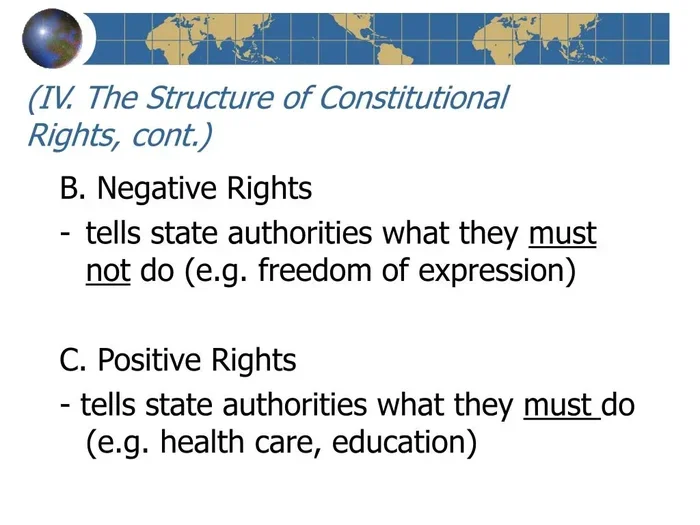
A constitutional right is a protection written directly into a constitution. Think of it as the highest level of legal protection. Rights like freedom of speech and freedom of religion are constitutional rights. They are spelled out in the Constitution and cannot be easily taken away.
Education does not enjoy the same level of protection at the federal level in the US. However, many state constitutions explicitly mention education. This creates a patchwork of protections. Some states guarantee a strong right to education. Others provide weaker or vaguer protections.
Why the Confusion Exists
The confusion comes from the difference between federal and state law. People often assume that what applies nationally applies everywhere. But the US system gives significant power to individual states. Each state can add rights beyond what the federal Constitution provides.
Also, many people confuse education rights with other fundamental rights. The right to free speech and the right to equal protection are well known. Education rights are less discussed but equally important. They affect millions of students every single day.
Think of it this way. The federal Constitution sets a floor. State constitutions can build higher. When it comes to education, most of the important protections live at the state level.
The Federal Constitution and Education
The US Constitution does not mention education anywhere in its text. This surprises many people. The Founding Fathers did not include a right to education in the original document or the Bill of Rights. So at the federal level, education is not a fundamental right in the same way that voting or free speech is.
What the Federal Government Does Guarantee
Even without a direct education clause, the federal government plays a big role. Several constitutional provisions indirectly protect education:
- The Equal Protection Clause (14th Amendment): This clause prevents states from denying any person equal protection under the law. Courts have used this to fight discrimination in schools.
- The Due Process Clause (14th Amendment): This ensures that the government cannot take away your rights without proper legal steps. It has been used in education-related cases.
- The Commerce Clause: This gives Congress power over interstate commerce. It has been used to fund and regulate aspects of education.
- The Necessary and Proper Clause: This allows the federal government to make laws needed to carry out its powers. Education funding often falls here.
These provisions do not create a direct right to education. But they provide a legal foundation for fighting inequality in schools. When a school district denies students opportunities based on race or income, these clauses come into play.
Key Federal Court Rulings
Several court cases have shaped how education is viewed under federal law. The most famous is San Antonio Independent School District v. Rodriguez (1973). In this case, the Supreme Court ruled that education is not a fundamental right under the US Constitution. The Court said that unequal school funding based on local property taxes did not violate the Equal Protection Clause.
This ruling was a turning point. It shifted the responsibility for education funding and quality to the states. After Rodriguez, advocates focused on state courts to push for stronger education protections.
Another important case is Plyler v. Doe (1982). The Supreme Court ruled that states cannot deny free public education to undocumented children. This case used the 14th Amendment to protect access to schooling. It shows how federal constitutional principles can still shape education policy.
State Constitutions and Education Rights
Here is where the real action is. Almost every state constitution includes some form of education clause. These clauses vary widely in strength and detail. Some states guarantee a thorough education system. Others simply mention education in passing.
How State Education Clauses Work
State education clauses serve as the primary legal protection for students in most cases. They are often more specific than anything in the federal Constitution. For example, many state constitutions require the state to provide a system of free public schools.
Some states go further. They guarantee the right to a quality education or an adequate education. These stronger clauses give courts more power to intervene when schools fail students.
Let us look at a few examples:
- California: The state constitution requires the legislature to promote and encourage constitutional rights for students by providing a system of public schools.
- New York: The constitution guarantees the right to an education and has been used in lawsuits to demand better school funding.
- Massachusetts: The constitution calls for the preservation of rights and liberties in education and has strong provisions for public schooling.
- Texas: The constitution requires the legislature to establish a free public education system.
These state-level protections matter a lot. They give parents, students, and advocates a legal basis to challenge unfair practices. When a state fails to fund schools properly, lawyers can point to the state constitution. This is why education constitutional rights at the state level are so powerful.
Landmark State Court Cases
State courts have heard many education-related cases. Some of these have led to major changes in how states fund and run schools. For instance, in Campaign for Fiscal Equity v. State of New York, the court ruled that students have a constitutional right to a basic education. This decision led to major changes in school funding across the state.
In Abbott v. Burke (New Jersey), the court ordered the state to provide equal educational opportunities to students in poor districts. These cases show that state courts can be powerful allies in the fight for education equity.
When state constitutions include strong education clauses, they create a roadmap for reform. Advocates use these clauses to push for better resources, fairer funding, and improved outcomes for all students.
How Education Rights Impact Students and Families
Understanding education rights is not just about legal theory. It has real-world impact on students and families every day. When you know your rights, you can advocate for better conditions, fairer treatment, and more opportunities.
Equal Access to Quality Education
One of the most important aspects of education rights is equal access. Every student deserves the chance to learn, regardless of their background. The 14th Amendment’s Equal Protection Clause helps make this a reality.
Schools cannot legally discriminate based on race, gender, disability, or immigration status. Federal laws like Title VI of the Civil Rights Act build on constitutional principles. They give students concrete tools to fight discrimination.
Families should know that if their child faces unequal treatment at school, there are legal protections in place. These protections come from both constitutional clauses and federal and state laws. Understanding them is the first step toward taking action.
The Role of Compulsory Education Laws
All 50 states have compulsory education laws. These laws require children to attend school up to a certain age. While these laws are not constitutional rights themselves, they support the broader goal of universal education. They ensure that every child has access to basic schooling.
Compulsory education laws work hand in hand with state constitutional provisions. Together, they create a framework that supports educational opportunities for all students. When these laws are enforced properly, they help close gaps and reduce inequality.
Student Free Speech and Expression
Students also have constitutional rights inside the classroom. The First Amendment protects freedom of speech, even for students. The landmark case Tinker v. Des Moines (1969) confirmed that students do not lose their constitutional rights at the school door.
This means students can express their opinions, wear symbolic clothing, and participate in peaceful protests. Schools can set reasonable limits, but they cannot silence students simply to avoid discomfort. These student rights are an important part of the broader education rights picture.
Knowing these rights helps students speak up when something feels wrong. It also helps parents support their children in navigating school policies with confidence. Think of it as one of those idioms for a person that gives you the power to stand tall and make your voice heard.
The Global Perspective on Education as a Right
The United States is not alone in grappling with education rights. Many countries around the world recognize education as a fundamental human right. International treaties and agreements set global standards that the US has signed onto.
International Human Rights and Education
The Universal Declaration of Human Rights, adopted in 1948, declares that everyone has the right to education. Article 26 states that education shall be free, at least in the elementary and fundamental stages. This is a powerful global statement.
The International Covenant on Economic, Social and Cultural Rights also recognizes education as a right. The United States has signed but not ratified this treaty. Still, its principles influence how advocates push for education reform domestically.
Countries like Finland, South Korea, and Germany have strong constitutional guarantees for education. These nations often rank high in global education rankings. Their success shows that treating education as a constitutional right leads to better outcomes for everyone.
What the US Can Learn
The global perspective highlights a gap in the US system. Many other countries enshrine education as a fundamental right in their constitutions. The US federal Constitution does not do the same. This puts the US behind many of its peers in terms of legal protections for education.
Advocates in the US often point to international standards when pushing for change. They argue that if other nations can guarantee education, the US should too. This conversation continues to shape policy debates at the state and federal levels.
When we compare education constitutional rights across countries, we see a clear pattern. Nations that treat education as a right invest more in their schools. They achieve better literacy rates, higher graduation rates, and stronger economies. The US has a lot to gain from following this global trend.
What This Means for You and Your Community
Now that you understand the legal landscape, you might wonder what you can actually do. The good news is that knowledge is power. When you know your rights, you can take meaningful steps to protect them.
Start by learning your state constitution. Look up the education clause. Understand what it promises. This simple step gives you a foundation for advocacy. If your local school is underfunded or unfair, you now know which legal tools to explore.
You can also get involved in local education policy. Attend school board meetings. Join parent organizations. Speak up about issues that matter. These actions may seem small, but they add up. They create pressure for change from the ground up.
Remember that many successful education reforms started with ordinary people who cared enough to speak out. Whether you are a parent, a student, a teacher, or a concerned citizen, your voice matters. Use it to champion education equity and access to education for everyone.
Think of the English language as a tool for change. Just as similes for education help us compare and describe learning experiences, understanding your rights helps you describe and fight for better schools. Similarly, metaphors for education give us vivid ways to talk about the learning journey, and knowing your constitutional protections gives you the strength to keep that journey fair and open for all.
Common Mistakes People Make About Education Rights
There are several misconceptions about education constitutional rights. Let us clear up a few of them:
- Mistake 1: Assuming education is a federal right. It is not explicitly guaranteed by the US Constitution. Most protections come from state constitutions and federal laws.
- Mistake 2: Thinking court cases do not matter. Landmark rulings like Plyler v. Doe and San Antonio v. Rodriguez have shaped education policy for decades.
- Mistake 3: Believing only lawyers can advocate. Anyone can learn about their rights and push for change. You do not need a law degree to make a difference.
- Mistake 4: Ignoring state-level protections. Many people focus only on the federal Constitution and miss the powerful protections in their own state constitutions.
- Mistake 5: Confusing education rights with education funding. Funding is a major issue, but rights go beyond money. They include equal treatment, free speech, and access to quality instruction.
Expert Insights on Education Constitutional Rights
Legal experts emphasize that understanding education rights requires looking at the full picture. It is not just about one document or one court case. It is about how federal law, state law, and international standards work together.
Professor Erwin Chemerinsky, a leading constitutional law scholar, has written extensively about the gap in federal education protections. He argues that the US should follow the lead of other nations and enshrine education as a fundamental right in the federal Constitution. Until then, state courts remain the primary battleground for education equity.
Advocacy organizations like the ACLU and the National Education Association also stress the importance of knowing your rights. They provide resources and support for families and students who face educational discrimination or inequality.
The conversation around education constitutional rights is evolving. New cases continue to shape the legal landscape. Advocates use creative legal strategies to push for change. Staying informed is one of the best things you can do.
Just as we use similes for a forest to paint vivid pictures of nature, we use legal language to paint a picture of what education rights should look like. And just as idioms for education capture the spirit of learning in memorable phrases, constitutional protections capture the spirit of fairness in our schools.
Conclusion
So, is education a constitutional right? The answer is nuanced. At the federal level, the US Constitution does not explicitly guarantee education as a fundamental right. But state constitutions often provide strong protections. And international law recognizes education as a basic human right for everyone.
Understanding education constitutional rights empowers you to advocate for better schools, fairer policies, and equal opportunities for all students. Whether you are a parent fighting for your child’s school, a student standing up for your voice, or a community member pushing for reform, knowledge is your greatest tool.
The legal landscape may be complex, but the core message is simple. Every person deserves access to quality education. Every student deserves to be treated fairly. And every community benefits when education is treated as the fundamental right it truly is. Use what you have learned here today to make a difference in your school, your neighborhood, and your future.
Frequently Asked Questions
Is education a constitutional right in the United States?
At the federal level, the US Constitution does not explicitly guarantee education as a right. However, most state constitutions include education clauses that protect access to schooling. These state-level protections are often strong and enforceable in court.
Which amendment guarantees the right to education?
No single federal amendment explicitly guarantees education. However, the 14th Amendment’s Equal Protection Clause has been used to fight discrimination in schools and protect student access to educational opportunities.
Can states provide stronger education protections than the federal government?
Yes, absolutely. State constitutions often include education clauses that go beyond federal protections. These state-level provisions are the primary legal foundation for education rights in the US.
What was the San Antonio v. Rodriguez case about?
This 1973 Supreme Court case ruled that education is not a fundamental right under the US Constitution. The decision shifted education funding responsibility to the states and has shaped education law ever since.
How can I advocate for education rights in my community?
Start by learning your state constitution’s education clause. Attend school board meetings, join parent organizations, and speak up about issues that matter. You can also contact your local representatives to push for better education policies and funding.
Do students have constitutional rights inside the classroom?
Yes. The First Amendment protects student free speech and expression. The landmark Tinker v. Des Moines case confirmed that students do not lose their constitutional rights at the school door. Schools can set reasonable limits, but they cannot silence students without cause.


