
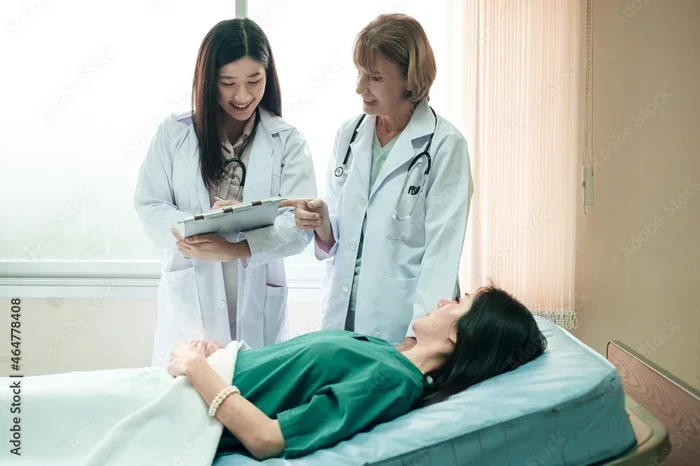
Improving patient education means helping people understand their health so they can make better decisions. Good patient education leads to stronger treatment adherence, fewer hospital visits, and improved health outcomes. This guide covers simple, actionable strategies that any healthcare provider or caregiver can use right away.
Key Takeaways
- Clear communication is the foundation: Using simple language and visual aids dramatically improves patient understanding.
- Barriers are real and common: Low health literacy, cultural differences, and emotional stress all get in the way of learning.
- Technology helps bridge gaps: Apps, videos, and online portals make patient education more accessible than ever.
- Teaching back works: Asking patients to explain what they learned confirms real comprehension.
- Follow-up matters: Ongoing support and reinforcement keep patients engaged long after the appointment ends.
- Language shapes learning: Using relatable examples, educational idioms, and creative analogies makes health information stick.
- Small changes create big results: Even minor adjustments in how you deliver information can transform patient outcomes.
📑 Table of Contents
- Understanding Patient Education and Why It Matters
- Common Barriers to Effective Patient Education
- Strategies to Improve Patient Education
- The Role of Healthcare Providers in Patient Learning
- Measuring the Success of Patient Education Efforts
- Tools and Resources for Better Patient Education
- Quick Tips for Better Patient Education
- Common Mistakes to Avoid in Patient Education
- Expert Insights on Improving Patient Education
- Conclusion
Understanding Patient Education and Why It Matters
Patient education is the process of helping people understand their health conditions, treatments, and next steps. It is one of the most powerful tools in modern healthcare. When patients truly understand what is happening, they take an active role in their own care.
Think about it this way. If someone hands you a complex medical document full of jargon, how much would you actually retain? Most people would feel overwhelmed. That is exactly why how to improve patient education matters so much. Better education leads to better decisions, fewer complications, and stronger trust between patients and providers.
Research shows that patients who understand their conditions follow treatment plans more closely. They also report higher satisfaction with their care. This is not just about handing someone a pamphlet. It is about building a genuine understanding that lasts.
Common Barriers to Effective Patient Education
Before we dive into solutions, let us talk about what gets in the way. Understanding these barriers helps you address the real problems patients face every day.
Low Health Literacy
Health literacy is the ability to read, understand, and act on health information. Studies suggest that nearly one in three adults struggles with basic health literacy. This means they cannot fully grasp diagnosis instructions, medication labels, or discharge paperwork. Low health literacy is not about intelligence. It is about how information is presented.
Language and Cultural Differences
Patients come from diverse backgrounds. For many, English is a second language. Cultural beliefs also shape how people view illness and treatment. When education materials do not account for these factors, patients feel lost or disconnected.
Emotional Overload
Receiving a diagnosis can be stressful. Anxiety and fear cloud a person’s ability to absorb new information. This is sometimes called “teachable moment blindness.” Even the best education materials fail if the patient is too overwhelmed to process them.
Information Overload
Healthcare providers sometimes overload patients with too much information at once. Bombarding someone with ten different instructions in a single visit does not work. People need information broken into small, manageable pieces. This is where patient engagement strategies come in handy.
Strategies to Improve Patient Education
Now for the good part. Here are proven strategies that make patient education more effective and accessible.
Use Simple, Clear Language
The single most impactful change you can make is to simplify your language. Replace medical terms with everyday words. Instead of saying “myocardial infarction,” say “heart attack.” Instead of “hypertension,” say “high blood pressure.” This small shift makes a huge difference in how well patients understand their care.
Also, avoid talking down to patients. Respect their intelligence while keeping things clear. A good rule of thumb is to write or speak at a sixth-grade reading level. This ensures that most adults can follow along without difficulty.
Leverage Visual Aids and Demonstrations
People remember pictures far better than words alone. Diagrams, charts, and videos can explain complex ideas in seconds. For example, showing a simple illustration of how a medication works inside the body helps patients connect the dots.
Demonstrations are equally powerful. If you are teaching a patient how to use an inhaler, show them step by step. Let them practice while you watch. This hands-on approach builds confidence and competence.
Use the Teach-Back Method
The teach-back method is a simple but powerful technique. After explaining something, ask the patient to repeat it back in their own words. This confirms whether they truly understand the information.
Do not frame it as a test. Instead, say something like, “I want to make sure I explained this clearly. Can you tell me what you understood?” This approach shows respect and keeps communication open. It is one of the most effective ways to improve patient education in clinical settings.
Incorporate Relatable Analogies and Examples
Analogies bridge the gap between medical complexity and everyday understanding. When you compare a health concept to something familiar, patients grasp it faster. For instance, you might explain cholesterol by comparing it to grease building up in a pipe. Or you could describe the immune system as an army defending the body.
Using creative language, including education-focused similes and metaphors for education, makes health information more relatable and memorable. These literary tools transform dry medical facts into vivid mental images that patients can hold onto.
Provide Written Materials at the Right Level
Handouts, brochures, and take-home guides reinforce what patients learn during appointments. However, the materials must match the patient’s reading level. Avoid dense paragraphs and tiny fonts. Use bullet points, short sentences, and plenty of white space.
Also, consider offering materials in multiple languages. This simple step removes a major barrier for non-English-speaking patients. Many clinics and hospitals now offer translated resources, and digital platforms make this even easier.
Break Information into Small Chunks
People can only process so much at once. Instead of cramming everything into one session, spread the information across multiple visits or follow-ups. Focus on the most critical points first. Once the patient feels confident, move on to the next topic.
This approach respects cognitive limits and reduces overwhelm. It also gives patients time to practice and ask questions between sessions. Chunking information is a core principle of effective health teaching.
The Role of Healthcare Providers in Patient Learning
Healthcare providers are the frontline of patient education. Your communication style, empathy, and patience directly shape how well patients learn and retain information.
Build Trust and Rapport
Patients learn better when they trust their provider. Take time to listen. Ask open-ended questions about their concerns and goals. When patients feel heard, they are more open to receiving and acting on information.
Trust also grows when you are honest and transparent. If you do not know the answer to a question, say so. Offer to find out and follow up. This honesty strengthens the patient-provider relationship.
Adapt to Individual Needs
Every patient is different. A teenager learning about diabetes needs a different approach than an elderly patient managing heart disease. Consider the patient’s age, background, learning style, and emotional state when planning your education strategy.
Some patients learn best by reading. Others prefer listening or watching. The best providers use a mix of methods to reach every learner. This personalized approach is at the heart of patient-centered care.
Practice Active Listening
Education is a two-way street. Pay attention to what patients say and do not say. Their body language, tone, and hesitation often reveal confusion or worry. Active listening helps you adjust your approach in real time.
When you listen well, patients feel valued. They are more likely to ask questions, share concerns, and follow through with their care plan. Active listening is a skill worth developing for every healthcare professional.
Measuring the Success of Patient Education Efforts
How do you know if your education efforts are working? Measuring outcomes keeps you accountable and helps you refine your approach over time.
Track Treatment Adherence
One of the clearest signs of effective patient education is improved adherence to treatment plans. Are patients taking their medications as prescribed? Are they attending follow-up appointments? These behaviors reflect genuine understanding.
Monitor Health Outcomes
Better education should lead to better health outcomes. Track metrics like hospital readmission rates, emergency room visits, and chronic disease management scores. When these numbers improve, your education strategies are likely working.
Gather Patient Feedback
Ask patients directly whether they feel informed and confident. Short surveys or quick conversations after appointments provide valuable insights. Use this feedback to identify what is working and what needs improvement.
Assess Comprehension Through Follow-Up
Follow-up calls or messages are a great way to check understanding. Ask patients to recap key instructions. This not only reinforces learning but also catches any misunderstandings early. Consistent follow-up shows patients that you genuinely care about their progress.
Tools and Resources for Better Patient Education
Technology has opened up exciting possibilities for patient education. The right tools can make learning more engaging, accessible, and effective.
Patient Portals and Apps
Online patient portals give people 24/7 access to their health information. They can view lab results, message their provider, and access educational resources anytime. Mobile apps take this a step further by offering interactive lessons, medication reminders, and symptom trackers.
Many of these platforms also include health literacy tools, such as simplified language options and visual guides. They empower patients to learn at their own pace and revisit information whenever they need it.
Video and Multimedia Content
Videos are incredibly effective for patient education. A well-made video can demonstrate a procedure, explain a condition, or walk through medication instructions in minutes. Patients can pause, rewind, and rewatch as many times as they need.
Some clinics create short, custom videos for specific conditions. Others curate high-quality content from trusted medical organizations. Either way, video adds a dynamic layer to traditional education methods.
Printed Materials and Infographics
Do not overlook the power of a well-designed handout. Infographics combine images and text to deliver key messages quickly. They are especially useful for patients with low literacy or those who prefer visual learning.
Keep printed materials concise and visually appealing. Use large fonts, clear headings, and plenty of white space. A clean design makes information easier to absorb and remember.
Community Health Workers and Peer Educators
Sometimes the most effective educator is someone who shares a similar background or experience. Community health workers and peer educators bridge the gap between clinical settings and everyday life. They offer culturally sensitive guidance and build trust in ways that providers sometimes cannot.
These individuals can reinforce key messages, answer questions in plain language, and help patients navigate the healthcare system. Their role in patient empowerment should not be underestimated.
Interactive Workshops and Support Groups
Group settings create a supportive environment for learning. Workshops allow patients to ask questions, share experiences, and learn from one another. Support groups for chronic conditions like diabetes, cancer, or heart disease are especially valuable.
These settings reduce isolation and build a sense of community. Patients realize they are not alone in their journey, which boosts motivation and confidence. Group education is a powerful complement to one-on-one teaching.
Quick Tips for Better Patient Education
- Always use plain language. Avoid medical jargon unless you explain it first.
- Limit each session to three to five key points. Less is more.
- Use the teach-back method after every major explanation.
- Offer materials in multiple formats: written, verbal, visual, and digital.
- Check in with patients regularly through follow-up calls or messages.
- Create a safe, judgment-free space where patients feel comfortable asking questions.
- Use analogies and real-life examples to make abstract concepts concrete.
- Leverage technology like apps and patient portals for ongoing education.
Common Mistakes to Avoid in Patient Education
Even well-meaning providers can fall into habits that undermine patient learning. Here are some common mistakes to watch out for.
- Assuming everyone understands at the same level. Always assess individual needs and adjust your approach accordingly.
- Using too much medical terminology. Jargon creates confusion, not clarity. Keep it simple.
- Rushing through explanations. Patients need time to process information. Do not hurry them along.
- Providing too much information at once. Overloading patients leads to confusion and disengagement.
- Skipping follow-up. One-time education rarely sticks. Reinforcement is essential for lasting change.
- Ignoring emotional barriers. Fear, anxiety, and depression all affect a patient’s ability to learn. Address these first.
Expert Insights on Improving Patient Education
Leading healthcare educators emphasize that patient education is not a one-time event. It is an ongoing process that evolves with each patient’s journey. The most successful programs combine clear communication, cultural sensitivity, and continuous support.
Experts also highlight the importance of measuring results. Without data, it is hard to know what is working. Regular assessment helps you refine your methods and achieve better health outcomes over time.
One widely shared insight is this: the best patient education happens when providers treat patients as partners, not passive recipients. When people feel involved in their own care, they become active participants in their health journey. This shift in mindset transforms everything.
Conclusion
How to improve patient education comes down to clear communication, empathy, and consistency. By understanding barriers, using proven strategies, and leveraging the right tools, healthcare providers can make a real difference in people’s lives. Every interaction is an opportunity to teach, support, and empower.
The strategies outlined in this article are practical and actionable. You do not need expensive technology or advanced training to get started. Start small. Use simpler language. Try the teach-back method. Offer a helpful handout. Build from there.
Remember that improving patient education is a journey, not a destination. Keep learning, keep adapting, and always put the patient at the center. The results will follow.
Frequently Asked Questions
What is patient education and why does it matter?
Patient education is the process of teaching people about their health conditions, treatments, and self-care strategies. It matters because informed patients make better decisions, follow treatment plans more closely, and achieve better health outcomes. Strong patient education also builds trust between patients and providers.
How can healthcare providers improve patient education?
Providers can improve patient education by using simple language, visual aids, and the teach-back method. Breaking information into small chunks, offering materials at the right reading level, and following up regularly also help. Adapting to each patient’s unique needs and learning style makes education even more effective.
What are the biggest barriers to patient education?
The most common barriers include low health literacy, language differences, emotional stress, and information overload. Cultural beliefs and a lack of trust can also get in the way. Recognizing these barriers is the first step toward overcoming them.
How does health literacy affect patient outcomes?
Health literacy directly impacts a patient’s ability to understand and act on health information. People with low health literacy are more likely to miss appointments, take medications incorrectly, and experience complications. Improving health literacy through better education leads to stronger patient outcomes and fewer hospital visits.
What role does technology play in patient education?
Technology makes patient education more accessible and engaging. Patient portals, mobile apps, videos, and interactive tools allow people to learn at their own pace. These resources provide ongoing support between appointments and help reinforce key health messages over time.
Can family members help improve patient education?
Absolutely. Family members can reinforce key instructions, help patients remember appointments, and provide emotional support. Involving trusted family members in the education process creates a support system that extends beyond the clinic. This teamwork strengthens patient confidence and treatment adherence.


