
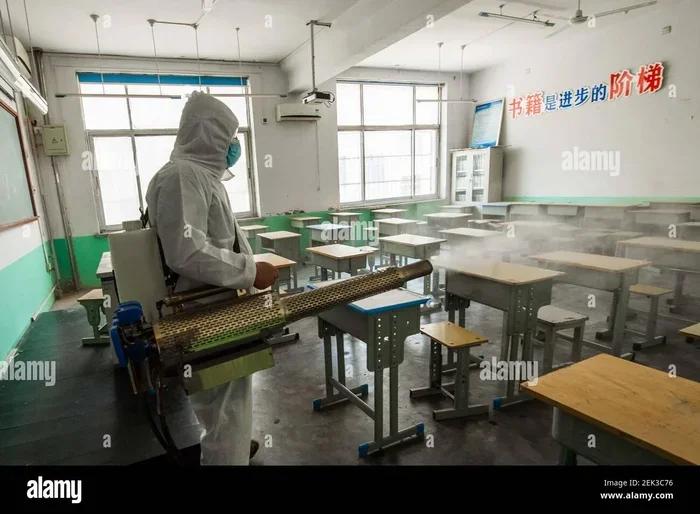
COVID-19 completely transformed education worldwide, forcing schools to close and shifting millions of students to remote learning overnight. This pandemic exposed deep inequalities and sparked a massive push toward digital tools. We’ll explore how has covid affected education, the lasting challenges, and what the future holds.
Key Takeaways
- Massive disruption: School closures affected over 1.6 billion learners globally, reshaping daily routines.
- Remote learning boom: EdTech tools became essential, but not all students had equal access.
- Widening gaps: The digital divide deepened educational inequality for low-income families.
- Mental health toll: Students and teachers faced increased anxiety, burnout, and social isolation.
- Hybrid future: Blended learning models are here to stay, combining online and in-person instruction.
- Resilience and adaptation: Educators found creative ways to keep students engaged during uncertainty.
📑 Table of Contents
The Immediate Impact of School Closures
The question how has covid affected education is still on everyone’s mind. The pandemic triggered the largest disruption to schooling in modern history. In March 2020, schools around the world shut their doors almost overnight. Teachers scrambled to set up virtual classrooms, and families suddenly became homeschoolers.
Remote learning was a real simile for education—a mixed bag of good intentions and bumpy execution. Some districts had laptops and Wi-Fi ready, while others sent home paper packets. The sudden shift left many students feeling lost and disconnected.
Parents took on new roles as tech support and learning coaches. Younger children struggled with screen time limits, while older teens juggled multiple platforms. The chaos was real, but so was the determination to keep learning going.
Who Was Hit Hardest?
Not all students experienced the shutdown the same way. Rural communities often lacked reliable internet. Families with essential workers faced childcare gaps. Students with disabilities lost access to hands-on support. The pandemic quickly showed that educational inequality was not a new problem—it just got worse.
The Rise of Remote Learning and EdTech
When buildings closed, technology rushed in to fill the gap. Video calls, learning management systems, and digital assignments became the norm. E-learning platforms like Zoom, Google Classroom, and Microsoft Teams saw usage explode within weeks.
Teachers had to learn new tools fast. Many attended late-night training sessions and shared tips in online forums. The shift was bumpy, but it also sparked creativity. Some educators used virtual breakout rooms for small group discussions. Others recorded short videos for students to watch at their own pace.
Here is a quick look at the changes:
- Before COVID: Chalkboards, printed worksheets, and face-to-face group work ruled the day.
- During COVID: Screens, cloud storage, and live streams took center stage.
- After COVID: A blend of digital and in-person tools now supports flexible learning.
The pandemic became a metaphor for education, showing both our resilience and our fragility. Schools discovered that education technology could support learning, but it cannot replace the warmth of a caring teacher.
Quick Tips for Effective Online Lessons
- Keep video calls short and interactive.
- Use polls and chat features to boost student engagement.
- Provide clear, written instructions for every task.
- Offer office hours for one-on-one help.
- Record sessions so absent students can catch up easily.
The Digital Divide and Educational Inequality
One of the harshest truths how has covid affected education revealed is the digital divide. Millions of kids lacked a quiet place to study, a working laptop, or a stable internet connection. This gap turned a temporary crisis into a long-term learning emergency.
In wealthy neighborhoods, families could afford private tutors and fast broadband. In poorer areas, students shared a single phone with siblings. The learning loss piled up quickly for those without resources. By the end of 2020, experts warned that educational inequality had grown significantly.
Common mistakes made during this time included assuming every student had a device and skipping offline activities. Schools that provided loaner laptops and Wi-Fi hotspots made a huge difference. Community organizations also stepped up with free Wi-Fi zones in parking lots and libraries.
Expert Insight: Bridging the Gap
Dr. Maria Torres, an education policy researcher, notes that catch-up learning must be a top priority. “We need targeted tutoring and extended learning time for students who fell behind,” she says. “Technology is a tool, not a solution on its own.”
Mental Health and the Hidden Costs
The pandemic took a heavy toll on mental health. Students missed friends, milestones, and the simple joy of being in a school building. Teacher burnout became a serious concern as educators juggled health fears, larger class sizes, and constant tech troubleshooting.
Many young people reported feeling anxious, lonely, and unmotivated. Schools that prioritized social-emotional learning and check-in circles saw better outcomes. Counselors worked overtime to support students through grief, family stress, and uncertainty.
Here are a few signs that a student might be struggling:
- Sudden drop in grades or participation.
- Withdrawal from friends and activities.
- Frequent headaches or stomachaches.
- Irritability or sadness that lasts for weeks.
We have all used education idioms to describe tough times, but the real work is to listen and offer support. Building a strong support system is just as important as teaching math or reading.
What Comes Next: The Future of Education
So what comes next after the worst of the pandemic? Most experts agree that hybrid learning will stay. Blended models combine the best of in-person and online experiences. Students can watch lectures at home and use class time for hands-on projects and discussions.
Schools are also rethinking assessment methods. Standardized tests lost their shine when grading shifted to pass/fail. Many districts now use formative assessments like quick quizzes and project portfolios to track progress. This approach gives teachers real-time feedback and reduces stress for students.
Here is a comparison of old and new approaches:
- Traditional model: One-size-fits-all lectures, paper exams, and strict schedules.
- Modern model: Flexible pacing, digital badges, and mastery-based progression.
The pandemic forced us to ask big questions. Do we need six-hour school days? Can learning happen anywhere? How do we keep kids safe while still giving them a great education? The answers are still forming, but one thing is clear: education must be more resilient and flexible than ever before.
Key Takeaways for Parents and Teachers
Stay patient and keep communication open. Celebrate small wins. Encourage curiosity over grades. Use online tutoring when extra help is needed. And remember, student well-being always comes first.
Lessons Learned and Moving Forward
The past few years taught us that how has covid affected education goes far beyond test scores. It changed routines, relationships, and the way we think about school. The lessons we carry forward include the value of adaptability, the power of community, and the need for equity in every classroom.
Schools that invested in teacher training and mental health resources came out stronger. Districts that listened to families built trust and improved outcomes. The road ahead is not about going back to normal—it is about building a better normal.
As we look forward, let us focus on recovery and renewal. Every student deserves a chance to catch up, grow, and thrive. The pandemic was a painful chapter, but it also sparked innovation and compassion that will shape learning for years to come.
Frequently Asked Questions
How has covid affected education in developing countries?
In many developing regions, school closures lasted longer due to limited access to technology and vaccines. Students faced severe learning loss and higher dropout rates, especially girls and rural communities.
What lasting changes did the pandemic bring to classrooms?
Blended learning, digital tools, and formative assessment practices are now standard. Schools also pay more attention to mental health and social-emotional learning than before.
Did remote learning work for all students?
No, remote learning widened gaps for students without devices or quiet study spaces. Educational inequality grew, but targeted support like tutoring and loaner tech helped many catch up.
How can schools prevent teacher burnout in the future?
Schools can reduce burnout by offering flexible schedules, mental health days, and peer support groups. Investing in teacher well-being directly improves student engagement and retention.
What role did parents play during pandemic schooling?
Parents became essential learning partners, managing schedules and tech issues. Clear communication from schools and simple e-learning platforms made this role easier for families.
Will schools fully return to pre-pandemic routines?
Most experts believe a hybrid model will remain. The future combines the best of in-person interaction with the flexibility of digital resources.


