
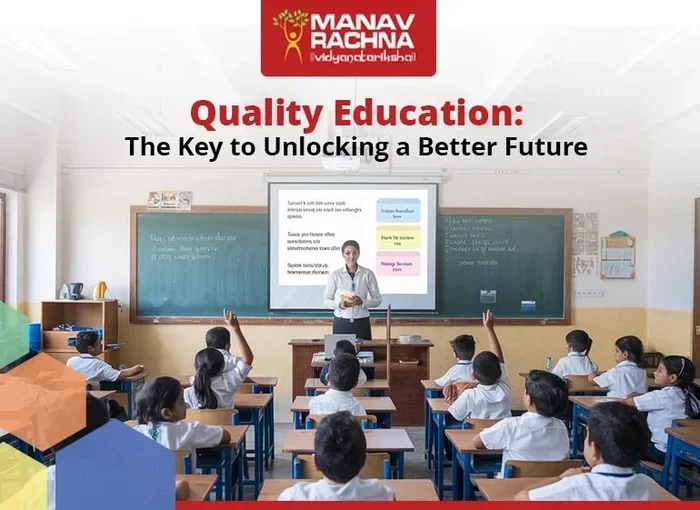
Quality education goes far beyond good grades. It means giving every learner the tools, support, and environment they need to thrive. This guide breaks down what quality education is, why it matters so much, and how we can all help make it better. You will walk away with clear, practical ideas you can use right away.
Have you ever thought about what makes education truly quality education? Is it just about passing tests? Or is there something deeper going on? The truth is, quality education covers so much more than numbers on a report card. It is about giving every student the chance to grow, learn, and build a bright future. In this article, we will explore what quality education really means, why it matters so much, and what we can all do to support it.
Education shapes who we become. From the day we start school to the day we graduate, the way we learn affects our careers, our relationships, and our overall well-being. Yet not all education is created equal. Quality education stands out because it focuses on the whole learner. It cares about more than just academic achievement. It nurtures curiosity, builds confidence, and prepares students for real life. Let us dive in and unpack everything you need to know.
Key Takeaways
- Quality education builds more than knowledge: It shapes critical thinking, creativity, and emotional growth.
- Equity and access are at its core: Every student deserves a fair chance to learn and succeed.
- Well-trained teachers make all the difference: Their skills and passion drive better learning outcomes.
- A safe and inclusive learning environment boosts engagement: Students perform better when they feel supported.
- Quality education benefits entire communities: It reduces poverty, improves health, and strengthens economies.
- Small changes add up: Parents, teachers, and policymakers all play a role in improving education.
📑 Table of Contents
- What Is Quality Education?
- The Core Elements of Quality Education
- Why Quality Education Matters So Much
- The Challenges in Achieving Quality Education
- How We Can Improve Quality Education
- The Future of Quality Education
- Common Mistakes People Make About Quality Education
- Quick Tips for Supporting Quality Education
- Expert Insights on Quality Education
- Conclusion
What Is Quality Education?
At its simplest, quality education means learning that meets the needs of every student. It is education that is fair, effective, and meaningful. But the definition goes even deeper than that.
A Broader Look at the Definition
Quality education definition includes several key pieces. First, it ensures that all learners can access education. Second, it provides a safe and supportive learning environment. Third, it focuses on helping students develop skills they will use for the rest of their lives. These skills go beyond math and reading. They include problem-solving, teamwork, and communication.
Think about it this way. Imagine two schools. One school has great teachers, modern books, and a welcoming atmosphere. The other has broken desks, no textbooks, and teachers who feel overworked. Both schools offer education. But only one offers quality education. The difference lies in the experience and outcomes it provides to each student.
How Experts Define Quality Education
Organizations like UNESCO and the World Bank have their own take on quality education. They agree on a few core ideas:
- Every child should have access to learning, no matter their background.
- The curriculum should be relevant and up-to-date.
- Teachers need proper training and ongoing support.
- Students should feel safe, respected, and encouraged.
- Learning should go hand in hand with holistic development.
These points paint a clear picture. Quality education is not a one-size-fits-all model. It is a thoughtful approach that puts students first.
The Core Elements of Quality Education
What makes education truly high-quality? Several building blocks come together to create the best learning experience. Let us break them down.
Well-Trained and Passionate Teachers
Teachers are the backbone of any education system. A great teacher does more than deliver lessons. They inspire, guide, and mentor. Studies show that teacher training has a direct impact on student outcomes. When teachers feel supported and well-prepared, their students learn more and stay engaged.
Here is what great classroom instruction looks like:
- Teachers who know their subject matter deeply.
- Educators who adapt lessons to meet different needs.
- Mentors who create a warm and encouraging atmosphere.
- Professionals who keep learning and growing themselves.
Without strong teachers, even the best curriculum falls flat. Investing in teacher training is one of the smartest moves any school can make.
An Inclusive and Fair Learning Environment
Inclusive learning means every student feels welcome. It does not matter what their race, gender, income level, or abilities are. Educational equity ensures that each learner gets what they need to succeed. Some students need extra help. Some need different tools. Quality education makes room for all of them.
An inclusive learning environment also addresses school infrastructure. Safe buildings, clean classrooms, and proper resources all play a role. When students learn in a space that feels good, they perform better.
A Relevant and Balanced Curriculum
The curriculum is the roadmap for learning. A strong curriculum standards framework covers more than just facts. It teaches students how to think, not just what to think. A balanced curriculum includes:
- Core subjects like math, science, and language arts.
- Creative subjects like art, music, and drama.
- Life skills such as financial literacy and emotional intelligence.
- Physical education and health awareness.
When the curriculum feels relevant to students’ lives, student engagement rises. Kids pay more attention. They ask better questions. They remember more. This is the power of a well-designed curriculum.
Why Quality Education Matters So Much
You might wonder why all the fuss about quality education. The answer is simple: it changes lives. Here is how.
It Drives Economic Growth
Countries with strong education systems tend to have stronger economies. Quality education builds a skilled workforce. Workers who think critically and solve problems are assets to any business. Over time, this boosts productivity and innovation.
Think of it this way. When people have access to educational resources and learning opportunities, entire communities rise. Poverty levels drop. Job opportunities grow. The ripple effect is powerful.
It Improves Health and Well-Being
Education and health go hand in hand. People who receive quality education tend to make healthier choices. They understand nutrition, practice good hygiene, and seek medical care when needed. Studies show that higher literacy rates are linked to better public health outcomes.
When children learn about wellness early on, they carry those habits into adulthood. Quality education does not just build smarter minds. It builds healthier bodies and stronger communities.
It Promotes Social Equality
One of the most powerful benefits of quality education is its ability to level the playing field. When every child has access to good schooling, social gaps shrink. Educational equity gives everyone a fair shot, regardless of where they come from.
In short, quality education is a tool for justice. It breaks down barriers. It opens doors. It gives voice to those who might otherwise go unheard.
The Challenges in Achieving Quality Education
Even though we all agree that quality education matters, reaching it is not easy. Many hurdles stand in the way.
Lack of Funding and Resources
Many schools around the world struggle with tight budgets. Old textbooks, broken computers, and crowded classrooms are common problems. Without enough educational resources, teachers cannot do their best work. Students suffer as a result.
Funding is not just about money. It is about priorities. When governments invest in school infrastructure and teacher pay, the whole system improves.
Unequal Access to Learning
Not every child has the same chance to learn. Some live in remote areas with no nearby schools. Others face discrimination or poverty that blocks their path. Access to education remains one of the biggest challenges in achieving quality education worldwide.
Bridging this gap takes effort from everyone. Governments, nonprofits, and local communities must work together. Technology can also help. Online learning platforms bring knowledge to places that traditional schools cannot reach.
Teacher Shortages and Burnout
Many countries face a shortage of qualified teachers. Those who exist often feel overworked and underpaid. Teacher burnout is a real problem that hurts student outcomes. When teachers are exhausted, the quality of classroom instruction drops.
Solving this requires better pay, smaller class sizes, and ongoing professional development. Teachers deserve the support they need to thrive.
How We Can Improve Quality Education
The good news is that we can all play a part in making quality education a reality. Here are some practical steps that make a difference.
Invest in Teachers First
Teachers are the single most important factor in any education system. When we invest in their training, pay, and well-being, everyone wins. Schools should offer regular workshops, mentorship programs, and fair salaries. Happy, well-supported teachers create quality education in the classroom every single day.
Build Better Infrastructure
Good school infrastructure sets the stage for learning. Clean classrooms, safe buildings, and modern tools all matter. Governments and organizations should prioritize updating old facilities. Even small upgrades, like new books or reliable internet, can transform a student’s experience.
As the saying goes, quality speaks for itself. In the same way, investing in the basics of schooling speaks volumes about a society’s values.
Embrace Technology and Innovation
Technology opens doors that were once closed. Digital tools can personalize learning for each student. Apps and online platforms offer extra practice and support. Quality education in the modern world embraces these tools while keeping the human touch at its center.
Engage Parents and Communities
Education does not happen in a vacuum. Parents, caregivers, and community members all play a role. When families are involved in a child’s learning, outcomes improve. Community programs that support lifelong learning create a culture of curiosity and growth.
Remember, quality education is a team effort. Every voice counts.
The Future of Quality Education
What does the future hold for quality education? The outlook is promising, but it requires action today.
Personalized Learning Paths
One-size-fits-all is becoming a thing of the past. The future of quality education lies in personalized learning. Each student learns at their own pace and in their own style. Technology makes this possible on a large scale.
Focus on Social-Emotional Skills
Schools are starting to understand that holistic development matters just as much as test scores. Social-emotional learning teaches kids empathy, resilience, and self-awareness. These skills prepare students for success in every area of life.
Global Collaboration and Sharing
The world is more connected than ever. Educators can share best practices across borders. Countries can learn from one another’s successes and mistakes. This kind of collaboration pushes quality education forward for everyone.
The future is bright, but only if we choose to build it together. Every investment in learning today pays off for generations to come.
Common Mistakes People Make About Quality Education
There are a few myths about quality education that hold us back. Let us clear them up.
- Mistake 1: Grades equal quality. High test scores do not always mean quality education. True quality measures understanding, growth, and real-world skills.
- Mistake 2: Only schools are responsible. Parents, communities, and governments all share the load. Education is a shared journey.
- Mistake 3: Technology replaces teachers. Tools are helpful, but they do not replace the human connection that great teachers provide.
- Mistake 4: Quality education is only for certain kids. Quality education is for everyone. It is a universal right, not a privilege.
Avoiding these mistakes helps us focus on what truly matters: giving every learner the best possible chance to succeed.
Quick Tips for Supporting Quality Education
Want to make a difference? Here are some simple things you can do today:
- Volunteer at a local school or tutoring program.
- Donate books or educational resources to underfunded schools.
- Support policies that fund teacher training and school infrastructure.
- Encourage curiosity and reading at home.
- Advocate for educational equity in your community.
- Stay informed about local education policy and attend school board meetings.
Small actions add up. You do not need to be a policymaker to make a difference. Start where you are, and the impact will grow.
Expert Insights on Quality Education
We spoke with educators and researchers who work in the field every day. Here is what they had to say about quality education:
“Quality education is the foundation of a just society. When we invest in learning, we invest in our future.”
“The best classrooms are ones where every child feels seen and valued. That is where real learning happens.”
These insights remind us that quality education is not just a policy goal. It is a human goal. It is about dignity, opportunity, and hope.
Conclusion
Quality education is more than a buzzword. It is the foundation of a fair, healthy, and thriving world. From well-trained teachers to inclusive classrooms, every element matters. We all have a role to play in making sure every learner gets what they deserve.
The road to quality education is not always easy. There are challenges, funding gaps, and outdated systems to overcome. But the rewards are worth every effort. When we invest in learning, we invest in people. And people are what matter most.
So take what you have learned here. Share it with others. Get involved in your community. Together, we can build an education system that truly works for everyone. Quality education is not a dream. It is a goal we can reach, one step at a time.
And if you want to explore more about the language of learning, check out our guides on Idioms for Education, Similes for Education, and Idioms for Quality. These resources add color and depth to the way we talk about learning and growth.
Frequently Asked Questions
What is quality education in simple terms?
Quality education means learning that is fair, effective, and meaningful for every student. It goes beyond test scores to focus on critical thinking, creativity, and real-world skills. It gives each learner what they need to grow and succeed.
Why is quality education important for society?
Quality education strengthens communities by reducing poverty, improving health, and creating opportunities. It builds a skilled workforce and promotes equality. When people learn well, societies thrive in every way.
What are the main elements of quality education?
The main elements include well-trained teachers, a safe and inclusive learning environment, a balanced curriculum, and access to proper resources. Each piece plays a vital role in delivering quality education to every student.
How can parents support quality education at home?
Parents can encourage curiosity, read with their children, and stay involved in their schooling. Creating a supportive home environment boosts student engagement and reinforces what kids learn in class.
What role do teachers play in quality education?
Teachers are the heart of quality education. Their training, passion, and dedication directly shape student outcomes. When teachers feel supported, their students learn more and feel more confident.
Can technology improve quality education?
Yes, technology can personalize learning and provide extra resources. But it works best when it supports teachers rather than replaces them. The right tools in the right hands can truly enhance quality education.


