
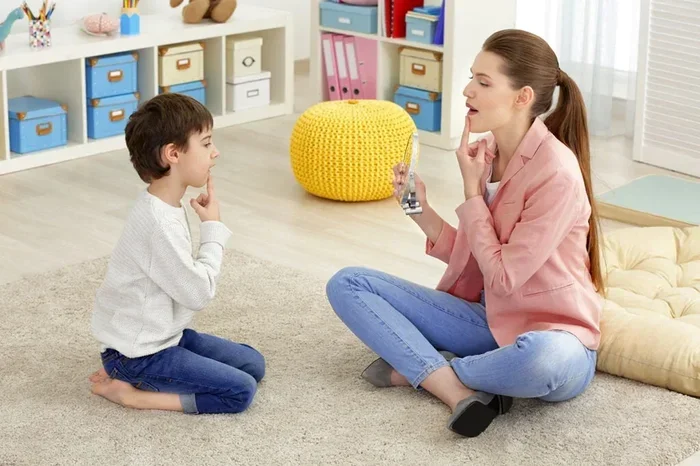
Speech is widely considered a special education need when it impacts a child’s learning, communication, or daily functioning. Schools provide speech-language services through Individualized Education Programs (IEPs) under federal law. Understanding how speech qualifies for special education helps parents and educators advocate for the right support.
Many parents and educators wonder about is speech considered special education. The short answer is yes — when speech challenges affect a child’s ability to learn, communicate, or participate in daily activities, schools treat them as special education needs. But the full picture is more nuanced than a simple yes or no.
Speech considered special education depends on several factors. These include the severity of the communication disorder, its impact on academic performance, and the child’s overall developmental profile. Federal law under the Individuals with Disabilities Education Act (IDEA) protects students who need speech-language services. This law ensures that every eligible child receives a free and appropriate public education.
In this article, we break down exactly how speech fits into the special education system. You will learn about evaluation processes, IEP plans, common speech challenges, and how schools determine eligibility. Whether you are a parent, teacher, or caregiver, this guide gives you clear and practical information.
Understanding speech special education empowers you to advocate for the support a child truly needs. Let us walk through everything you should know.
Key Takeaways
- Speech qualifies as special education: When speech delays or disorders affect learning, schools must provide services under IDEA.
- IEP plans cover speech services: Individualized Education Programs outline specific speech-language goals and accommodations.
- Evaluation is the first step: Schools assess communication skills to determine eligibility for speech special education support.
- Early intervention matters: The sooner speech challenges are identified, the better the outcomes for children.
- Speech goes beyond articulation: It includes language comprehension, social communication, and fluency.
- Parents have rights: You can request evaluations and dispute decisions if you feel your child needs speech services.
📑 Table of Contents
- What Does It Mean for Speech to Be a Special Education Service?
- How Speech Therapy Fits Into Special Education Plans
- Common Speech and Language Challenges in Students
- How Schools Determine If Speech Qualifies as Special Education
- Figurative Language and Communication Skills in Education
- What Parents Should Know About Advocating for Speech Services
- Common Mistakes Parents and Educators Make
- Conclusion
What Does It Mean for Speech to Be a Special Education Service?
When we ask is speech considered special education, we are really asking whether speech and language challenges qualify a child for educational support. The answer lies in how these challenges affect learning and daily life.
Speech is not just about saying words clearly. It involves comprehension, expression, fluency, voice quality, and social communication. When any of these areas create barriers, schools step in to help.
Under IDEA, speech and language impairments fall under the category of “speech or language impairment.” This is one of the most common disability categories in special education. Schools must provide related services — including speech therapy — at no cost to families.
Here is what makes speech a special education service:
- It affects academic performance: A child who struggles to communicate may fall behind in reading, writing, and classroom discussions.
- It impacts social development: Speech challenges can make it hard for children to build friendships and participate in group activities.
- It requires specialized instruction: Regular classroom teachers often cannot address deep speech and language needs alone.
- It is legally protected: Federal law requires schools to identify and serve children with speech and language needs.
The Role of Speech-Language Pathologists
Speech-language pathologists (SLPs) are the professionals who evaluate and treat speech disorders in schools. These specialists assess communication skills and design individualized treatment plans. They work closely with teachers, parents, and IEP teams to support each child’s progress.
SLPs also help with speech and language development in early childhood settings. Their role extends beyond articulation drills. They address listening skills, vocabulary building, sentence structure, and pragmatic language use.
How Speech Therapy Fits Into Special Education Plans
Once a child qualifies, speech services special education become part of their official plan. Most often, this means an Individualized Education Program, or IEP. The IEP is a legally binding document that outlines the child’s unique needs and the services the school will provide.
Speech therapy within an IEP can look very different from one child to another. Some children receive pull-out sessions with the SLP. Others get in-class support or consultation services. The frequency and duration depend on the severity of the communication disorder.
Types of Speech and Language Services
Schools offer several types of speech and language support. Here are the most common ones:
- Articulation therapy: Focuses on producing sounds correctly, such as fixing a lisp or addressing sound substitutions.
- Language intervention: Targets vocabulary, grammar, comprehension, and expressive language skills.
- Fluency therapy: Helps children who stutter or experience disruptions in their speech flow.
- Voice therapy: Addresses vocal quality issues like hoarseness or breathiness.
- Pragmatic language support: Builds skills for social communication, turn-taking, and understanding nonverbal cues.
Speech Services vs. Speech Special Education
It is important to understand the difference between speech services and full special education placement. Not every child who receives speech therapy needs special education in the traditional sense. Some children qualify only for speech services as a related service. This means they stay in the general education classroom but receive targeted speech support.
Other children may need a broader special education program alongside speech services. The decision depends on the child’s complete profile — not just their speech needs alone.
Common Speech and Language Challenges in Students
Understanding is speech considered special education also means knowing the types of challenges schools look for. Several speech and language disorders can qualify a child for services.
Articulation disorders are among the most common. These occur when a child has difficulty producing specific sounds. For example, a child might say “wabbit” instead of “rabbit” or “thith” instead of “this.” While some articulation errors are normal at young ages, persistent issues may require intervention.
Language delays affect how children understand or use words. A child with a receptive language delay struggles to follow instructions or grasp what others say. A child with an expressive language delay has trouble putting thoughts into words or forming complete sentences.
Fluency disorders like stuttering disrupt the natural rhythm of speech. Children who stutter may repeat sounds, prolong words, or experience blocks where no sound comes out.
Voice disorders involve problems with pitch, volume, or quality of the voice. A child may sound hoarse, breathy, or unusually nasal.
Social communication challenges go beyond words. They involve understanding body language, taking turns in conversation, and adjusting speech to different social situations. These challenges often overlap with conditions like autism spectrum disorder.
How Early Intervention Helps
Early identification makes a huge difference. Research shows that children who receive speech-language services early make faster and stronger progress. Speech development in the first few years of life sets the foundation for literacy, academic success, and social confidence.
Many schools offer screening programs for preschool-aged children. Parents can also request evaluations at any time. Do not wait for a teacher to raise concerns — you know your child best.
How Schools Determine If Speech Qualifies as Special Education
The process of determining is speech considered special education for a specific child involves several steps. Schools follow a structured evaluation process to ensure every decision is fair and accurate.
Step 1: Referral and Screening
The process usually starts with a referral. A parent, teacher, or doctor can request an evaluation. The school then conducts a screening to see if a full assessment is warranted.
Step 2: Comprehensive Evaluation
If the screening suggests a need, the school performs a full evaluation. This includes standardized tests, observations, and interviews with parents and teachers. The SLP plays a central role in this process.
The evaluation looks at several areas:
- Articulation and phonological skills
- Receptive and expressive language
- Fluency and voice quality
- Social communication abilities
- Impact on academic performance
Step 3: Eligibility Determination
After the evaluation, the IEP team meets to review the results. They decide whether the child qualifies under IDEA. The team includes the parents, the SLP, a general education teacher, and often a school psychologist.
To qualify, the child must meet two criteria. First, they must have a recognized speech or language impairment. Second, that impairment must negatively affect their educational performance. Both conditions must be present.
Step 4: Developing the IEP
If the child qualifies, the team develops an IEP. This document sets specific goals for speech and language improvement. It also outlines the services, frequency, and setting where those services will be delivered.
Parents have the right to participate fully in IEP meetings. You can ask questions, share concerns, and request changes. Your voice matters in this process.
Figurative Language and Communication Skills in Education
Communication is not just about clear speech. It also involves understanding and using figurative language. Skills like similes for education and metaphors for education help students think creatively and express ideas with depth. These language abilities are part of a child’s overall communication competence.
When children struggle with basic speech and language skills, figurative language can become even harder. A child with a language delay might take idioms literally or have trouble understanding comparisons. This is why speech considered special education matters — it addresses the full spectrum of communication, not just pronunciation.
Educators sometimes use figurative language exercises as part of speech therapy. Comparing a simile for someone special or a metaphor for education can make language learning fun and engaging. These activities build vocabulary, critical thinking, and social understanding all at once.
For students with special education needs, figurative language support can be woven into their IEP goals. SLPs and teachers work together to create activities that strengthen both literal and figurative communication skills. This holistic approach ensures students are prepared for the complexity of academic language.
What Parents Should Know About Advocating for Speech Services
Parents play a vital role in the special education process. You are your child’s strongest advocate. Understanding your rights and the process can make a real difference.
Here are some practical tips for parents:
- Document everything: Keep records of conversations, evaluations, and IEP meetings. Written notes help you track progress and stay organized.
- Ask questions: If you do not understand something, ask for clarification. The school must explain the process in plain language.
- Know your timeline: Schools must follow specific timelines for evaluations and IEP development. Familiarize yourself with these deadlines.
- Request independent evaluations: If you disagree with the school’s assessment, you have the right to seek an outside evaluation.
- Stay involved: Attend every IEP meeting and share your observations about your child’s communication at home and in the community.
Remember, advocating for speech services is not about being difficult. It is about making sure your child gets the support they deserve. Every child deserves the chance to communicate clearly and confidently.
Common Mistakes Parents and Educators Make
Even well-meaning adults can make missteps when navigating speech and special education. Here are some common ones to avoid:
- Waiting too long: Some parents assume speech delays will resolve on their own. Early intervention leads to better outcomes.
- Assuming speech is just about talking: Speech covers comprehension, social skills, and voice quality too.
- Skipping the evaluation: Do not skip the formal process. A proper evaluation ensures your child gets the right services.
- Not following up: Once services begin, regular progress monitoring is essential. Do not assume everything is fine without checking.
- Ignoring the IEP: The IEP is a legal document. Treating it casually can lead to gaps in services and support.
Conclusion
Speech considered special education is a reality for millions of children across the country. When speech and language challenges interfere with learning, schools have a legal and moral obligation to step in. Through IEPs, speech therapy, and dedicated professionals, students receive the targeted support they need to thrive.
Understanding the process empowers parents and educators alike. You now know how evaluations work, what IEP plans cover, and why early intervention matters so much. You also understand that speech is about far more than just saying words clearly — it encompasses the entire spectrum of communication.
Whether your child is just beginning the evaluation process or you are deep into IEP planning, remember that you are not alone. Resources, professionals, and communities exist to support you every step of the way. The most important thing you can do is stay informed, stay involved, and never stop advocating for the child in your care.
Speech special education is not just a label — it is a pathway to better communication, stronger confidence, and brighter futures. Embrace it, understand it, and use it to open doors for the children who need it most.
Frequently Asked Questions
What does it mean when speech is considered special education?
It means that a child’s speech or language disorder significantly impacts their learning or daily functioning, and the school is legally required to provide free services. Speech qualifies under IDEA as a related service or a standalone special education category depending on the severity of the need.
How do schools evaluate if a child needs speech special education services?
Schools conduct comprehensive evaluations that include standardized tests, classroom observations, and interviews with parents and teachers. A speech-language pathologist leads the assessment and determines if the child’s communication challenges affect their educational performance.
Can a child receive speech therapy without being in special education?
Yes. Some children qualify for speech services as a related service only. They remain in the general education classroom but receive targeted speech-language support through their IEP or a 504 plan. Full special education placement is not always necessary.
What age can a child start receiving speech special education services?
Children as young as birth can receive early intervention speech services. School districts are required to evaluate and serve children from age three onward. Many states also offer preschool programs that include speech-language support for younger children.
How long does a child receive speech services through special education?
The duration depends on the child’s individual needs and progress. Some children need services for a few months, while others require support for several years. The IEP is reviewed annually, and services are adjusted based on the child’s progress and ongoing needs.
What is the difference between speech therapy and speech special education?
Speech therapy is a specific treatment provided by a speech-language pathologist. Speech special education is the broader educational framework that may include speech therapy as one component. Special education encompasses the full IEP process, accommodations, and any other services a child needs to succeed academically.
=== INTERNAL LINKS ===
Building strong communication skills starts with understanding language in all its forms. Learning about similes for education can help students grasp how comparisons make language more vivid and memorable. Similarly, exploring metaphors for education opens doors to deeper thinking and creative expression in the classroom.
For those supporting someone with unique learning needs, resources like idioms for someone special offer meaningful ways to connect through language and celebrate individual strengths.


