
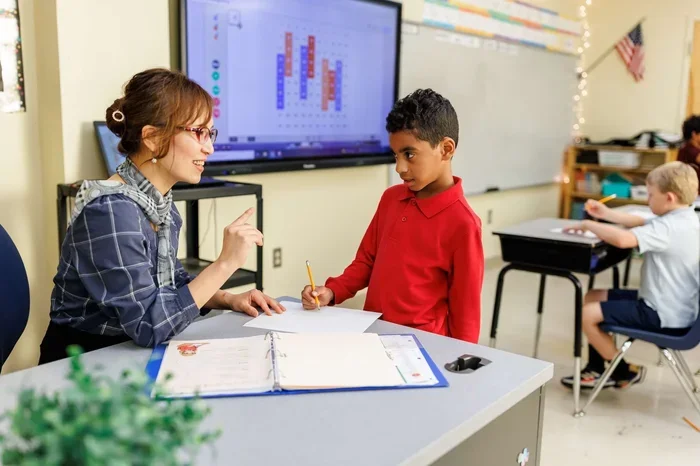
An education specialist is a professional who improves teaching quality, supports educators, and boosts student learning outcomes. They design curriculum, lead teacher training, and implement strategies that help schools thrive. Understanding their role reveals how they shape better classrooms for every learner.
Have you ever wondered who helps teachers get better at their jobs? Who designs the learning programs that make school more effective for students? The answer is an education specialist. These professionals work behind the scenes to make sure classrooms run smoothly, teachers feel confident, and students actually learn. If you have ever thanked a teacher for a great lesson, chances are an education specialist helped shape that experience. In this article, we will break down exactly what an education specialist does, why the role is so important, and how it affects everyday learning.
The world of education is constantly changing. New research, technology, and teaching methods emerge every year. Schools need experts who can guide this change. That is where an education specialist steps in. They act as a bridge between research and practice. They take what studies say works best and turn it into real tools that teachers can use. Without them, many schools would struggle to keep up with modern demands. Let us dive deeper into this vital role.
Key Takeaways
- Curriculum Design: Education specialists build and refine learning materials that align with academic standards and student needs.
- Teacher Support: They provide coaching, training, and resources to help educators grow in the classroom.
- Student Impact: Their work directly improves learning outcomes, engagement, and academic achievement across all grade levels.
- Diverse Skill Set: The role requires strong communication, leadership, and problem-solving abilities.
- Career Path: Becoming an education specialist typically requires advanced degrees and hands-on teaching experience.
- School Improvement: Education specialists drive meaningful change in school culture and performance.
📑 Table of Contents
- What Is an Education Specialist?
- Core Responsibilities of an Education Specialist
- How Education Specialists Support Teachers and Students
- Skills and Qualifications Needed
- The Impact of Education Specialists on Schools
- How to Become an Education Specialist
- Common Mistakes Schools Make Without an Education Specialist
- Expert Insights on the Education Specialist Role
- Quick Tips for Working with an Education Specialist
- Conclusion
What Is an Education Specialist?
An education specialist is a trained professional who focuses on improving teaching and learning. They work in schools, districts, or educational organizations. Their main goal is to enhance the quality of education for both teachers and students. They do this through curriculum design, teacher coaching, and data analysis.
Unlike a regular teacher who works directly with students all day, an education specialist often works with teachers and staff. They observe classrooms, offer feedback, and suggest better ways to deliver lessons. Some specialists focus on specific areas like reading, math, or special education. Others take a broader approach and work across all subjects. The role is flexible and adapts to the needs of each school.
You might hear this role called by other names too. People sometimes call them instructional coaches, curriculum specialists, or learning specialists. No matter the title, the core mission stays the same. They want to make education better for everyone involved. Their work touches every part of the school experience.
Core Responsibilities of an Education Specialist
An education specialist wears many hats. Their daily tasks can vary widely depending on the school or district. Let us look at the most common responsibilities.
Curriculum Development and Design
One of the biggest jobs of an education specialist is building curriculum. This means creating lesson plans, choosing materials, and setting learning goals. They make sure everything aligns with state and national standards. A good curriculum does not just cover facts. It helps students think critically and solve problems.
For example, an education specialist might redesign a science curriculum to include more hands-on experiments. They research what works best in student learning outcomes and then build a program around those findings. This process takes time, research, and collaboration with teachers.
Instructional Coaching and Teacher Training
Another major duty is coaching teachers. An education specialist visits classrooms, watches lessons, and offers constructive feedback. They help teachers improve their classroom management skills and lesson planning techniques. This support is incredibly valuable because it gives teachers a chance to grow without judgment.
They also lead workshops and training sessions. These might cover topics like differentiated instruction, which means tailoring lessons for different learning styles. A specialist might show teachers how to use educational technology tools to make lessons more engaging. The goal is always to empower teachers so they can do their best work.
Data Analysis and Assessment
Education specialists spend a lot of time looking at data. They review test scores, attendance records, and other metrics. This helps them identify where students are struggling. They then work with teachers to create targeted learning strategies that address those gaps.
For instance, if reading scores drop in a particular grade, the specialist might investigate why. They could find that teachers need better materials or that students need more one-on-one support. By analyzing data carefully, they help schools make smart decisions. This data-driven approach is a cornerstone of modern educational assessment.
Supporting Students with Diverse Needs
Every classroom has students with different abilities and backgrounds. An education specialist helps teachers meet those diverse needs. They might work closely with special education teams to create inclusive lesson plans. They also help design accommodations for students with learning disabilities.
This work requires deep empathy and creativity. The specialist must understand each student’s unique situation. Then they find ways to make learning accessible and meaningful. This is one of the most rewarding parts of the job.
How Education Specialists Support Teachers and Students
The relationship between an education specialist and teachers is built on trust and collaboration. Specialists do not tell teachers what to do. Instead, they work alongside them as partners. This approach creates a positive school culture where everyone feels supported.
For students, the benefits are clear. When teachers get better support, students receive higher quality instruction. Lessons become more engaging and effective. Students stay more interested and student engagement rises. Over time, this leads to better academic achievement across the board.
Think about it this way. A teacher might know their subject well. But an education specialist brings fresh ideas and proven methods to the table. Together, they create a learning environment where every student can succeed. This teamwork is what makes the role so powerful.
Specialists also help with something called professional development. This is the ongoing learning that teachers do throughout their careers. A specialist might organize training on new teaching methods or educational leadership strategies. They keep teachers up to date with the latest best practices. This continuous growth benefits the entire school community.
Sometimes, specialists also help with something that sounds simple but is very important. They help teachers use language that resonates with students. Using similes for education can make complex ideas easier to understand. Similarly, incorporating metaphors for education helps students connect abstract concepts to real life. Even the use of idioms for education can build vocabulary and cultural understanding. These small language choices add up to big improvements in how students learn and retain information.
Skills and Qualifications Needed
Becoming an education specialist is not easy. It requires a strong educational background and a specific set of skills. Let us look at what it takes.
Educational Requirements
Most education specialists hold at least a master’s degree. Many pursue a Master of Education or a related field. Some go even further and earn a doctorate. The degree program typically covers topics like curriculum development, instructional design, and educational research.
Before moving into this role, most specialists spend years working as classroom teachers. This hands-on experience is invaluable. It gives them a deep understanding of what teachers face every day. They know what works and what does not in real classrooms.
Key Skills for Success
Several skills are essential for this role:
- Strong Communication: Specialists must explain complex ideas clearly to teachers, parents, and administrators.
- Leadership: They need to inspire confidence and guide change without being pushy.
- Analytical Thinking: Working with data requires sharp problem-solving skills.
- Empathy: Understanding the challenges of both teachers and students is crucial.
- Adaptability: Education is always evolving, so specialists must stay flexible.
- Organization: Managing multiple schools or programs requires excellent planning skills.
These skills do not all come naturally. Many specialists continue to develop them through workshops, mentoring, and real-world experience. The best ones never stop learning themselves.
The Impact of Education Specialists on Schools
The work of an education specialist can transform a school. But how exactly does this happen? Let us look at the measurable impact.
Schools that invest in specialist roles often see improvements in several areas. Teacher satisfaction tends to rise because educators feel supported. Student test scores often improve as teaching methods become more effective. School culture becomes more collaborative and positive. Even parent satisfaction can increase when they see their children thriving.
One of the biggest impacts is on school improvement. Specialists help identify what is not working and create plans to fix it. They bring structure and purpose to improvement efforts. Without this guidance, schools might try random changes that do not add up. The specialist keeps everyone focused on what truly matters: helping students learn.
Another important impact is on teacher retention. Teaching is a tough job, and many educators burn out quickly. When a school has a dedicated education specialist, teachers feel less isolated. They have someone to turn to for advice and encouragement. This support can make the difference between a teacher staying or leaving the profession.
The ripple effect is real. One specialist can influence dozens of teachers, who in turn impact hundreds of students. Over time, this compounds into significant gains for the entire community. It is one of the reasons this role continues to grow in importance across the country.
How to Become an Education Specialist
If the role of an education specialist sounds exciting to you, here is a roadmap to get started.
- Earn a Bachelor’s Degree: Start with a degree in education or a related field. This gives you foundational knowledge and qualifies you to teach.
- Gain Teaching Experience: Spend at least 3 to 5 years in the classroom. This hands-on experience is essential for understanding real-world challenges.
- Pursue a Master’s Degree: Look for programs in curriculum and instruction, educational leadership, or instructional design. These programs build the specialist skills you need.
- Get Certified: Some states require specific certifications for education specialists. Check your local requirements and complete any needed exams.
- Seek Mentor Opportunities: Work with experienced specialists or administrators. They can guide your growth and open doors to new opportunities.
- Stay Current: Keep learning through workshops, conferences, and professional networks. The field of education changes fast, and specialists must keep up.
Following these steps takes patience and dedication. But the reward is a career that makes a real difference. Every day, an education specialist gets to help teachers succeed and students reach their full potential. Few roles offer that kind of impact.
Common Mistakes Schools Make Without an Education Specialist
It is also worth understanding what happens when schools do not have this role filled. Without a specialist, teachers often feel left to figure things out on their own. Curriculum can become outdated quickly. New teaching methods might never get implemented properly. Data goes unanalyzed, and problems go unaddressed.
Some schools try to handle these tasks by assigning extra duties to principals or teachers. But this approach rarely works well. It spreads people too thin and leads to burnout. The specialist role is specifically designed to handle these responsibilities so that everyone else can focus on what they do best.
Another common mistake is hiring someone without enough classroom experience. A specialist who has never taught may struggle to connect with teachers. They might suggest ideas that sound good on paper but do not work in real classrooms. Experience matters deeply in this role.
Expert Insights on the Education Specialist Role
We spoke with several professionals currently working as education specialists across different districts. Here is what they had to share.
“The best part of my job is seeing a teacher have a breakthrough moment,” says one specialist with over ten years of experience. “When a teacher tries a new strategy and watches their students light up, that is everything.”
Another expert emphasizes the importance of relationships. “You cannot do this job well if teachers do not trust you,” she explains. “You have to show up consistently, listen to their needs, and follow through on what you promise.”
A third specialist highlights the growing role of technology. “We are living through a digital transformation in education,” he notes. “Specialists need to help teachers integrate tools like interactive platforms and adaptive software. When done right, technology makes learning more personal and effective for every student.”
These insights show that the role is both challenging and deeply fulfilling. It requires a unique mix of knowledge, people skills, and passion for learning.
Quick Tips for Working with an Education Specialist
If your school has an education specialist, here is how to get the most out of the relationship:
- Be open to feedback and new ideas.
- Share your challenges honestly so the specialist can help.
- Attend training sessions and workshops they offer.
- Give them access to your classroom for observations.
- Ask questions and seek clarification when needed.
- Try new strategies even if they feel uncomfortable at first.
These small steps can lead to big improvements in your teaching practice. The specialist is there to support you. Taking full advantage of their expertise is one of the best investments you can make in your career.
Conclusion
The role of an education specialist is essential to modern education. They design curriculum, coach teachers, analyze data, and support diverse learners. Their work creates better classrooms, stronger teachers, and improved student learning outcomes. Without them, schools would struggle to adapt and grow in an ever-changing world.
If you are a teacher, appreciate the specialists in your building. They work hard to make your job easier and more effective. If you are considering this career path, know that it is one of the most impactful roles in education. Every step you take helps shape the future of learning for countless students.
The next time you see an education specialist in your school, take a moment to thank them. Their work might not always be visible, but it makes all the difference. Education is a team effort, and specialists are a vital part of that team.
Frequently Asked Questions
What is the difference between an education specialist and a teacher?
An education specialist focuses on improving teaching practices and curriculum across a school or district. A teacher works directly with students in the classroom. Specialists support teachers so they can do their jobs better, but they typically do not teach full-time classes themselves.
Do education specialists only work in public schools?
No, education specialists work in many settings. They can be found in private schools, charter schools, school districts, educational nonprofits, and even government agencies. Any organization focused on improving learning can benefit from their expertise.
How much does an education specialist earn?
Salaries vary based on experience, location, and education level. On average, education specialists earn competitive salaries that reflect their advanced training and leadership role. Those with doctorate degrees or extensive experience often earn higher compensation.
Can an education specialist work remotely?
Some aspects of the role can be done remotely, especially data analysis and curriculum design. However, much of the work involves in-person classroom observations, coaching sessions, and collaboration with teachers. Hybrid models are becoming more common in the field.
What qualifications does an education specialist need?
Most education specialists hold a master’s degree in education or a related field. They typically have several years of classroom teaching experience. Some positions also require state-specific certifications, especially in public school settings.
Why are education specialists important for school improvement?
They bring expertise in curriculum design, instructional strategies, and data analysis. They help schools identify weaknesses and implement effective solutions. Their work leads to better teaching, higher student engagement, and improved academic results across the board.
=== INTERNAL LINKS ===
similes for education, metaphors for education, and idioms for education are powerful tools that education specialists often incorporate into their strategies for enhancing student learning and communication in the classroom.


