
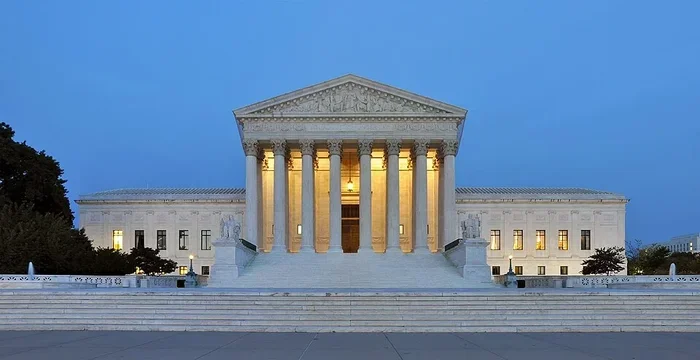
The plaintiffs won Brown v. Board of Education in 1954, ending legal racial segregation in public schools. The Supreme Court unanimously ruled that “separate but equal” facilities were inherently unequal, violating the 14th Amendment. This decision overturned Plessy v. Ferguson and became one of the most important victories in the civil rights movement.
Key Takeaways
- The plaintiffs won: The Supreme Court ruled unanimously that segregated schools were unconstitutional.
- It overturned Plessy v. Ferguson: The 1896 “separate but equal” doctrine was officially dismantled.
- Linda Brown was central: Her family’s case became the face of the fight against school segregation.
- Thurgood Marshall led the legal charge: His work at the NAACP Legal Defense Fund made this victory possible.
- The ruling sparked desegregation: It set the stage for the broader civil rights movement of the 1960s.
- It matters today: Educational equity remains a challenge, and the case still influences policy debates.
📑 Table of Contents
The Story Behind Brown v. Board of Education
So, who won Brown vs Board of Education? That question opens the door to one of the most powerful stories in American history. The case changed how this country thinks about race, fairness, and the right to a good education.
In the 1950s, Black children in many parts of America could not attend the same schools as white children. They had to go to separate schools. These schools were often worse. They had old books, broken desks, and fewer teachers. This was the reality of racial segregation in public schools.
The families who fought back were brave. They knew the system was wrong. And they were willing to stand up for their children. Their fight led to a Supreme Court decision that shook the entire nation.
But winning was not just about a court ruling. It was about changing hearts and minds. It was about saying that every child deserves a fair shot. And that message still matters today. If you want to explore how language shapes our understanding of education, check out our guide on Idioms For Education.
What Was Brown v. Board of Education?
Brown v. Board of Education was a legal case filed in 1951. It challenged the idea that Black and white children could attend separate but equal schools. The case combined several lawsuits from different states. But the heart of the case came from Topeka, Kansas.
The Families Behind the Case
At the center of the case was a woman named Oliver Brown. His daughter, Linda Brown, had to walk a long way to get to her school. There was a white school much closer to their home. But Linda could not attend it because of the color of her skin.
Oliver Brown joined a group of parents who were tired of this unfair system. Together, they filed a lawsuit against the Board of Education in Topeka. They argued that segregated schools hurt Black children. They made the children feel inferior. And that was wrong.
The case eventually reached the U.S. Supreme Court. It was combined with similar cases from South Carolina, Virginia, and Delaware. The Court heard arguments in December 1952. Then it waited. And waited. Finally, on May 17, 1954, the decision came down.
Who Won Brown vs Board of Education?
The answer is clear: the plaintiffs won. The Supreme Court ruled unanimously, 9 to 0, that racial segregation in public schools was unconstitutional.
The Unanimous Decision
Chief Justice Earl Warren delivered the opinion. He wrote that separating children based on race sends a message of inferiority. The Court agreed that this violated the Equal Protection Clause of the 14th Amendment. That amendment guarantees all citizens equal protection under the law.
The Court overturned its own earlier ruling from Plessy v. Ferguson in 1896. That old case had allowed “separate but equal” facilities. But the Brown Court said that was never truly equal. In education, separation itself was harm.
This was a massive win for civil rights. It gave hope to millions of people. And it showed that the law could be a tool for justice, not just oppression.
The Role of Thurgood Marshall
No conversation about this case is complete without mentioning Thurgood Marshall. He was the lead attorney for the plaintiffs. Marshall was brilliant and fearless. He argued the case with passion and precision.
Marshall worked for the NAACP Legal Defense Fund. He had been building this case for years. He gathered evidence. He found experts. He proved that segregation damaged children. And when the Court ruled in his clients’ favor, it was a triumph for his life’s work.
Marshall later became the first Black Supreme Court Justice. His journey from plaintiff’s lawyer to Justice is one of the most inspiring stories in American law.
Why Did the Ruling Matter?
The Brown decision was not just a legal victory. It was a turning point in American history. Let us look at why it mattered so much.
Ending Legal Segregation in Schools
Before Brown, many states had laws that required segregated schools. These laws were called Jim Crow laws. They enforced racial separation in every part of life. Schools, buses, restaurants, hospitals, even drinking fountains were all separated.
The Brown ruling said that segregation in public schools was illegal. It did not end all racism overnight. But it struck a huge blow against the legal framework of de jure segregation. It told the country that separate was not equal. And it gave civil rights activists a powerful legal tool.
Fueling the Broader Civil Rights Movement
The Brown decision inspired people across the nation. It showed that the courts could be a path to change. After Brown, activists pushed for more reforms. They fought for voting rights. They marched for equality. They demanded an end to discrimination in all areas of life.
The ruling helped launch the civil rights movement of the 1950s and 1960s. Leaders like Martin Luther King Jr. drew strength from the Brown decision. It proved that the fight for justice could win.
Changing How We Think About Education
Brown also changed the conversation around education equity. It forced Americans to confront the fact that not all children had the same opportunities. It highlighted the deep inequalities in the school system.
Even today, the case reminds us that access to quality education is a civil right. Every child deserves a fair chance to learn and grow. That idea is at the core of the American promise.
If you are interested in how figurative language captures the spirit of education and justice, you might enjoy our collection of Similes For Education or our piece on Metaphors For Education.
The Road to Desegregation Was Not Easy
Winning the case was only the beginning. The road to real change was long and hard.
Resistance and “Massive Resistance”
Many Southern states refused to comply. They passed laws to resist desegregation. Some politicians even closed public schools rather than integrate them. This era was known as “massive resistance.”
In 1957, President Eisenhower sent federal troops to Little Rock, Arkansas. Nine Black students, known as the Little Rock Nine, were trying to enter a white high school. They faced angry mobs. They faced hatred and fear. But they also showed incredible courage.
These moments remind us that legal victories do not automatically change society. They require people to stand up and enforce them.
Slow Progress and Ongoing Challenges
Desegregation happened slowly. Many school districts dragged their feet. Some communities found ways to keep schools segregated even after the ruling. The fight for truly equal education continued for decades.
Today, many schools are still segregated. Not always by law, but by housing patterns and funding inequalities. The Brown decision set a powerful principle. But the work of making that principle real is still ongoing.
Brown v. Board’s Legacy Today
More than 70 years later, the Brown decision still echoes. It reminds us that the law can drive progress. It reminds us that equality is worth fighting for.
What Can We Learn?
There are several powerful lessons from Brown v. Board of Education:
- Courage matters: Ordinary families took extraordinary stands.
- The law is a tool for justice: Legal victories can change society.
- Equality is not passive: It requires constant effort and vigilance.
- Education is a right: Not a privilege for the few.
- Change takes time: Legal wins are just the first step.
The case also reminds us that words have power. How we talk about race, education, and fairness shapes how we think about them. If you are curious about how language influences our views on education, our article on Idioms For Education is a great read.
The Ongoing Fight for Educational Equity
Schools today still face deep inequities. Some districts have far more funding than others. Many schools in low-income communities lack basic resources. The achievement gap between white students and students of color persists.
Brown v. Board of Education gave us a legal foundation for addressing these issues. It declared that segregation is wrong. It affirmed that education must be equal for all. But turning that promise into reality requires work from all of us.
Parents, teachers, policymakers, and citizens all have a role to play. The fight for education equity is not just a legal battle. It is a moral one.
Key Takeaways from the Case
Let us pull together the most important lessons from Brown v. Board of Education:
- The plaintiffs won a unanimous Supreme Court ruling in 1954.
- The decision overturned the “separate but equal” doctrine from Plessy v. Ferguson.
- Thurgood Marshall was the lead attorney and later became a Supreme Court Justice.
- The ruling declared that segregated schools violated the 14th Amendment.
- It sparked the broader civil rights movement and inspired generations of activists.
- Desegregation faced massive resistance and took decades to move forward.
- The fight for educational equity continues to this day.
The case is a powerful reminder that one decision can change the course of history. But it also shows that justice requires persistence. Legal wins must be followed by real action.
Conclusion
So, who won Brown vs Board of Education? The answer is the families, the lawyers, and the millions of people who believed in a fairer America. They won a landmark Supreme Court ruling that ended legal segregation in public schools.
This case changed the United States forever. It gave hope to the oppressed. It challenged the nation to live up to its promises. And it set a legal precedent that still protects civil rights today.
But the story does not end with a court ruling. The real victory comes when we put the principles of Brown into practice every day. When every child, regardless of race or background, has access to a quality education. That is the true meaning of the Brown decision.
The fight for educational equity is not over. But thanks to Brown v. Board of Education, we know what is possible. And we know that justice, equality, and fairness are worth the struggle.
Frequently Asked Questions
Who actually won Brown v. Board of Education?
The plaintiffs won the case. The Supreme Court ruled unanimously that racial segregation in public schools was unconstitutional. This meant the families who filed the lawsuit, led by Oliver Brown, achieved a historic legal victory.
What was the ruling in Brown v. Board of Education?
The Court ruled that “separate but equal” educational facilities were inherently unequal. It violated the Equal Protection Clause of the 14th Amendment. The decision overturned the earlier Plessy v. Ferguson ruling from 1896.
When was the Brown v. Board of Education decision made?
The Supreme Court issued its decision on May 17, 1954. Chief Justice Earl Warren delivered the unanimous opinion. It was one of the most significant rulings in the history of the Court.
Who was the lead attorney in Brown v. Board of Education?
Thurgood Marshall was the lead attorney. He represented the plaintiffs before the Supreme Court. Marshall later became the first African American Supreme Court Justice in 1967.
Did Brown v. Board of Education end segregation in schools?
The ruling declared segregation in public schools unconstitutional. However, it did not end segregation immediately. Many states resisted desegregation for years. The fight for truly integrated schools continues to this day.
Why is Brown v. Board of Education considered a landmark case?
It is considered a landmark case because it dismantled the legal basis for racial segregation in schools. It was a major victory for the civil rights movement. And it established the principle that separate educational facilities are inherently unequal.


