
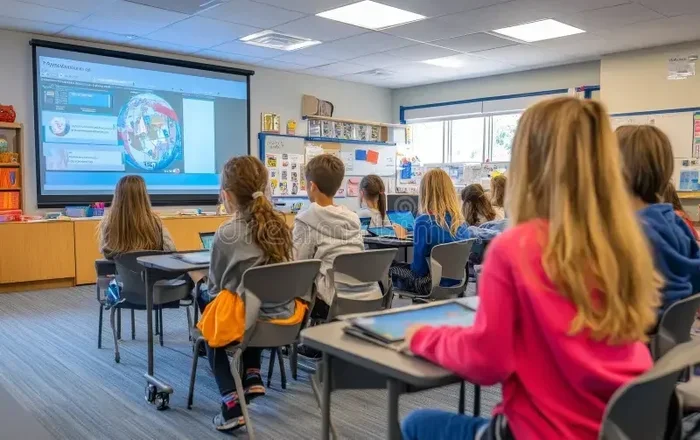
Innovation in education means using new tools, methods, and ideas to make learning better for every student. It goes beyond just adding technology — it reshapes how teachers teach and how students engage with content. When classrooms embrace creative approaches, learning outcomes improve and students develop critical thinking skills. This guide breaks down what innovation in education looks like in practice and why it matters now more than ever.
Innovation in education is one of the most talked-about topics in schools and universities today. But what does it really mean? Simply put, innovation in education refers to the use of new ideas, tools, and methods to improve how students learn and how teachers deliver lessons. It is not just about adding shiny new devices to a classroom. It is about rethinking the entire learning experience so that every student has a fair shot at success.
In today’s fast-moving world, the way we teach needs to keep up with the way students learn. Kids today grow up with tablets, smartphones, and instant access to information. Old-school lecture-style teaching does not always grab their attention or help them retain what they learn. That is where classroom innovation steps in. It bridges the gap between traditional teaching and the needs of modern learners.
In this article, we will explore the meaning of innovation in education, look at different types of approaches, and share real examples that show what works. Whether you are a teacher, a parent, or just someone curious about modern education, you will find practical insights here. We will also cover common challenges and offer tips for getting started. Let us dive in.
Key Takeaways
- Innovation in education means rethinking how knowledge is delivered and absorbed, not just using new gadgets.
- Modern approaches like blended learning and personalized learning put students at the center of the experience.
- Teachers play a huge role in driving classroom innovation through creative lesson design and adaptive tools.
- Real-world examples show that digital learning boosts engagement and improves long-term outcomes.
- Challenges like budget limits and resistance to change can be overcome with the right strategy and support.
- Understanding idioms for education can help you communicate ideas about modern teaching more effectively.
📑 Table of Contents
What Does Innovation in Education Really Mean?
At its core, innovation in education means finding better ways to help students learn. It involves reimagining old methods and replacing them with approaches that are more effective, inclusive, and engaging. Innovation can happen in a single lesson plan or across an entire school system.
It Is Not Just About Technology
Many people think that educational technology is the same as innovation. But that is only part of the picture. Technology is a powerful tool, yes. However, real innovation starts with a mindset. It asks questions like: How can we make learning more relevant? How can we help every student succeed at their own pace? A teacher who redesigns a lesson around group problem-solving is being innovative, even without a single screen.
Why Innovation Matters Now More Than Ever
The world is changing fast. Jobs that exist today may not exist in ten years. Students need skills like critical thinking, creativity, and adaptability. Traditional teaching methods often focus on memorization and repetition. Innovative approaches push students to think deeper, collaborate, and solve real problems. This shift prepares them for the future, not just for tests.
When schools embrace education reform, they create environments where curiosity is encouraged and mistakes are seen as learning opportunities. That kind of culture is hard to build but incredibly valuable.
Types of Innovation in the Classroom
There are many ways to bring innovation into a learning space. Below are some of the most popular and effective approaches used by educators around the world.
Blended Learning
Blended learning combines in-person instruction with online activities. Students might watch a video lesson at home and then discuss it in class the next day. This model gives students more control over their pace. It also frees up class time for hands-on activities and deeper conversations.
Personalized Learning
Every student learns differently. Personalized learning uses data and adaptive tools to tailor lessons to individual needs. For example, a math app might adjust the difficulty level based on how a student performs. This way, no one gets left behind and no one gets bored.
Experiential Learning
Experiential learning lets students learn by doing. Instead of just reading about a topic, they get their hands dirty. Science experiments, field trips, and mock debates are all forms of experiential learning. This approach makes lessons memorable and helps students connect theory to real life.
Flipped Classroom
In a flipped classroom, students study new material at home (often through videos or readings) and use class time for practice and discussion. This model flips the traditional homework and lecture structure. It works well because students come to class already familiar with the topic and ready to dig deeper.
Benefits of Innovation in Education
Why should schools and teachers invest time in innovation? The benefits go far beyond test scores. Here is what research and real-world experience tell us.
Better Student Engagement
When lessons are interactive and relevant, students pay more attention. Student engagement rises when learners feel ownership of their education. Innovative methods like gamification and project-based learning tap into natural curiosity and keep students motivated.
Improved Learning Outcomes
Studies show that schools using innovative teaching methods often see higher grades and better retention. When students understand the “why” behind what they learn, they remember it longer. They also develop skills they can use in college and careers.
Stronger Collaboration Skills
Many modern approaches require teamwork. Students learn to communicate, share ideas, and work toward a common goal. These collaboration skills are essential in almost every job and in everyday life.
Greater Inclusivity
Innovation allows teachers to reach students with different learning styles and abilities. Adaptive tools, visual aids, and varied activities make lessons accessible to more learners. This creates a more inclusive learning environment where everyone has a chance to thrive.
Preparation for the Future
Perhaps the biggest benefit is that students graduate ready for the real world. They know how to use educational technology, solve complex problems, and think independently. These are the exact skills employers look for in today’s job market.
Real-World Examples of Innovation in Education
Theory is great, but seeing innovation in education in action makes it click. Here are a few examples that show how creative ideas are changing classrooms.
Example 1: A School That Uses Virtual Reality
Some schools now use VR headsets to take students on virtual field trips. Imagine a history class visiting ancient Rome without leaving the room. These experiences make abstract ideas feel real and spark excitement about learning.
Example 2: A Teacher Who Redesigned Homework
One middle school teacher replaced traditional worksheets with real-world projects. Instead of solving 30 math problems, students designed a budget for a pretend trip. The result? Higher participation and deeper understanding of math concepts.
Example 3: A District-Wide Shift to Adaptive Learning
A large school district adopted adaptive software across all its middle schools. Teachers received training on how to use the data from these tools. Within one year, reading scores improved and students reported feeling more confident in their abilities.
These examples show that classroom innovation does not require a huge budget. It requires vision, willingness to experiment, and a focus on student needs.
How Teachers Can Foster Innovation
Teachers are the heart of any educational transformation. You do not need to overhaul your entire curriculum overnight. Small, thoughtful changes can make a big difference.
Start Small and Build
Pick one lesson or one unit to try something new. Maybe you add a group discussion, a digital quiz, or a hands-on activity. Once it works, build on it. Innovation grows when teachers feel supported, not pressured.
Collaborate with Colleagues
Share ideas with other teachers. Attend workshops or join online communities. Some of the best creative teaching ideas come from simple conversations with peers who face the same challenges.
Listen to Your Students
Students often have great ideas about what helps them learn. Ask them for feedback. When students feel heard, they become more invested in the learning process. This feedback loop is a simple but powerful form of education reform.
Embrace Failure as Part of the Process
Not every new idea will work the first time. That is okay. Treat setbacks as learning moments — for you and your students. A growth mindset applies to teachers too.
Use Available Tools Wisely
There are countless educator tools available today, from free apps to full learning management systems. You do not need to use all of them. Choose the ones that solve a real problem in your classroom and fit your teaching style.
Challenges of Innovation in Education (And How to Overcome Them)
Innovation is not without its hurdles. Understanding these challenges helps schools plan better and set realistic expectations.
Limited Budget
Many schools operate on tight budgets. Buying new devices or software can feel impossible. The good news is that innovation does not always require money. A well-designed discussion or a student-led project costs nothing. Start with low-cost solutions and scale up as support grows.
Resistance to Change
Change can be scary — for teachers, parents, and even students. Some people prefer the way things have always been done. The key is to communicate the “why” behind new approaches. Share success stories and data. When people see real results, resistance often fades.
Lack of Training
Teachers need proper training to use new tools and methods effectively. Without support, even the best pedagogical approaches can fail. Schools should invest in ongoing professional development, not just one-time workshops.
Keeping Up With Trends
Educational trends come and go. It is easy to chase every new fad. Focus on strategies that are backed by research and aligned with your students’ actual needs. Remember that the best modern education practices are timeless in their focus on student growth.
For those who want to communicate ideas about education more effectively, exploring idioms for education, similes for education, and metaphors for education can add color and clarity to your language when discussing these topics with colleagues, parents, or students.
Key Takeaways
- Innovation in education means improving learning through new ideas, tools, and methods — not just technology.
- Approaches like blended learning, personalized learning, and experiential learning put students at the center.
- The benefits include better engagement, improved outcomes, stronger collaboration, and greater inclusivity.
- Real-world examples prove that even small changes can have a big impact.
- Teachers can foster innovation by starting small, collaborating, listening to students, and embracing failure.
- Challenges like budget limits and resistance to change are real but solvable with the right approach.
- Understanding education idioms and related language helps educators communicate their vision more clearly.
Conclusion
Innovation in education is not a passing trend. It is a necessary evolution that helps students thrive in a complex and ever-changing world. Whether you are a veteran teacher looking for fresh ideas or a school leader planning a district-wide initiative, the key is to start with purpose and empathy. Every student deserves a learning experience that is engaging, relevant, and effective.
You do not need a massive budget or a tech degree to make a difference. Sometimes the most powerful innovation is a simple shift in perspective. Ask yourself: What if my students could learn by doing? What if they could move at their own pace? What if their ideas actually shaped the lesson?
The answers to these questions can transform a classroom. And when one classroom transforms, the ripple effect reaches families, communities, and future generations. Innovation in education starts with you. Take that first small step today.
Frequently Asked Questions
What is innovation in education in simple terms?
Innovation in education means using new ideas, tools, or methods to make learning better and more effective for students. It goes beyond just adding technology and focuses on improving how teachers teach and how students engage with content. The goal is to create a more relevant, inclusive, and impactful learning experience.
Why is innovation important in modern education?
Innovation matters because today’s students need skills like critical thinking, creativity, and problem-solving to succeed in the real world. Traditional teaching methods often do not prepare them for the fast-changing demands of the modern workplace. Innovative approaches help bridge that gap and keep learning meaningful and engaging.
What are some examples of innovation in the classroom?
Common examples include blended learning, flipped classrooms, personalized learning paths, virtual reality field trips, and project-based assignments. Even a teacher who redesigns a lesson around student interests is practicing classroom innovation. The key is that the approach is new and more effective than the old way.
How can teachers promote innovation without a big budget?
Teachers can start by redesigning lessons to be more interactive, using free online tools, and encouraging student-led discussions. Collaboration with colleagues and asking for student feedback also cost nothing but yield powerful results. Innovation is about creative thinking, not spending money.
What role does technology play in innovation in education?
Technology is a valuable tool that supports innovation, but it is not the only ingredient. Adaptive learning software, educational apps, and digital resources can personalize instruction and boost engagement. However, the real innovation happens when teachers use these tools thoughtfully to improve learning outcomes.
How does innovation in education benefit students long-term?
Students who experience innovative learning develop stronger problem-solving skills, adaptability, and confidence. These qualities help them succeed in college, careers, and everyday life. They also learn how to learn, which is one of the most valuable skills anyone can have.
=== CONCLUSION ===
Innovation in education is a powerful force that transforms how we teach and how we learn. From blended learning to personalized approaches, the possibilities are wide open. The examples and tips in this article show that anyone — teachers, parents, and school leaders — can take steps toward more creative and effective learning environments.
Remember, innovation does not have to be complicated or expensive. It starts with a willingness to try something new and a genuine focus on student needs. Explore the resources linked throughout this article, experiment with new methods, and keep the conversation going with your peers. The future of modern education belongs to those who dare to reimagine it.


