
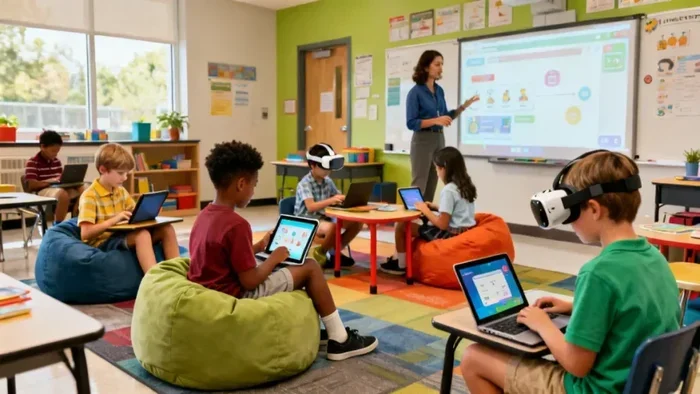
Personalized learning in education is a student-centered approach that tailors instruction to each learner’s unique needs, interests, and pace. Instead of a one-size-fits-all model, teachers use customized learning paths and data-driven strategies to help every student succeed. This guide covers everything from adaptive technology to practical classroom examples that make tailored education a reality.
Imagine walking into a classroom where every student learns differently, at their own speed, and on their own path. That is the core idea behind personalized learning in education. It is a teaching approach that says no two students are the same, so why should their education be?
For decades, schools followed a traditional model. One teacher, one lesson, thirty students. Everyone learned the same material at the same pace. But we now know that individual learning styles vary widely. Some students grasp concepts quickly. Others need more time. Some thrive with visuals. Others prefer hands-on activities. Personalized learning recognizes these differences and builds instruction around them.
This approach is not just a trend. It is backed by research and adopted by schools worldwide. In this article, we will explore what personalized learning in education really means, how it works, and why it matters. We will also look at practical examples, benefits, challenges, and the future of customized learning in classrooms.
Key Takeaways
- Student-Centered Approach: Personalized learning puts the student at the center, adjusting content, pace, and methods to fit individual needs.
- Technology Plays a Key Role: Adaptive platforms and educational tools make it easier to track progress and customize lessons.
- Flexible Pacing Matters: Students move through material at their own speed, ensuring mastery before advancing.
- Teacher Involvement Is Essential: Teachers act as guides, using formative assessment data to shape instruction.
- Improved Engagement and Outcomes: Tailored learning boosts student motivation, engagement, and academic achievement.
- Not Without Challenges: Implementation requires training, resources, and a shift in traditional teaching mindsets.
📑 Table of Contents
What Is Personalized Learning in Education?
At its simplest, personalized learning means designing instruction to meet each student where they are. It focuses on learning goals that are specific to the individual. Rather than following a rigid curriculum map, teachers adapt content, methods, and pacing based on each student’s strengths and gaps.
The student-centered learning philosophy is at the heart of this model. Students take an active role in their education. They set goals, track progress, and make choices about how they learn. Teachers shift from being the “sage on the stage” to becoming a “guide on the side.”
Key Elements of Personalized Learning
Several core components make up a truly personalized learning environment:
- Flexible Pacing: Students advance only when they demonstrate mastery. This ties closely to competency-based education, where progression is based on skill level, not time spent.
- Customized Learning Paths: Each student follows a unique route through the curriculum. One student might focus on reading projects while another works on math simulations.
- Learner Autonomy: Students develop self-direction. They choose how to engage with material and reflect on their own growth.
- Data-Driven Instruction: Teachers use formative assessment data to understand where each student stands and adjust lessons accordingly.
- Flexible Learning Environments: The physical setup of the classroom supports different modes of learning. Group work, quiet zones, and tech stations all play a role.
How Personalized Learning Works in Practice
You might wonder how this looks day to day. The truth is, personalized learning in education takes many forms. It depends on the grade level, subject, and resources available. But there are common patterns that show up in classrooms that get it right.
Using Technology to Tailor Instruction
Educational technology has been a game-changer for adaptive learning. Platforms like Khan Academy, DreamBox, and IXL adjust the difficulty of questions based on how a student performs. If a child struggles with fractions, the software provides more practice in that area. If they excel, it moves them forward.
This kind of adaptive technology gives teachers real-time insight into student progress. Instead of waiting for a test at the end of the unit, teachers can intervene early. They can spot gaps and address them before they grow into bigger problems.
Differentiated Instruction in Action
Differentiated instruction is one of the building blocks of personalized learning. It means teachers offer multiple ways to access the same content. For example, in a science lesson about ecosystems:
- One group might read a text passage and answer questions.
- Another group might watch a short video and discuss it.
- A third group might build a model ecosystem in a jar.
All students are learning the same core concept. But they are engaging with it in ways that match their individual learning styles. This approach respects the fact that every brain works differently.
Project-Based and Choice-Driven Learning
Another powerful strategy is giving students choices. Instead of assigning the same essay to everyone, a teacher might offer options:
- Write a traditional essay
- Create a podcast episode
- Design an infographic
- Build a presentation
When students choose how to demonstrate their understanding, they feel more ownership. This boosts student engagement and makes learning more meaningful. It also connects to how similes for education can help students express ideas creatively and metaphors for education can deepen conceptual understanding across subjects.
Benefits of Personalized Learning
Why are so many schools investing in personalized learning in education? The benefits are clear and well-documented.
Improved Academic Achievement
When instruction matches a student’s level and pace, learning sticks better. Research shows that students in personalized environments often score higher on learning outcomes assessments. They understand material more deeply because they are not just memorizing for a test.
Greater Student Motivation
Let us face it. Sitting through a lesson that is too easy or too hard is boring. Personalized learning keeps students challenged but not overwhelmed. When students see progress that is meaningful to them, their motivation soars. They start to see themselves as capable learners.
Stronger Teacher-Student Relationships
Teachers who use personalized strategies get to know their students better. They understand what makes each child tick. This builds trust and creates a classroom culture where students feel safe to take risks and ask questions.
Better Preparation for the Real World
The modern world demands adaptability, critical thinking, and self-direction. Personalized learning develops all of these skills. Students learn how to set goals, manage their time, and seek help when needed. These are life skills that go far beyond the classroom.
Challenges and Considerations
No approach is perfect, and personalized learning in education is no exception. It is important to understand the hurdles schools face when implementing this model.
Resource and Funding Gaps
Personalized learning often requires technology, training, and smaller class sizes. Not all schools have the budget for these investments. Rural and underfunded districts may struggle to provide the same level of customized education as wealthier schools.
Teacher Training and Support
Shifting to a personalized model requires a big mindset change for teachers. Many were trained in traditional methods. They need ongoing professional development to learn instructional strategies that support individualization. Without proper support, even the best plans can fall flat.
Data Privacy Concerns
When schools use adaptive platforms, they collect a lot of student data. This raises questions about privacy and security. Schools must have clear policies and use trusted tools to protect student information.
Avoiding Over-Reliance on Technology
Technology is a powerful tool, but it is not a replacement for great teaching. Some schools fall into the trap of letting software do all the work. The best personalized learning environments blend tech with human connection, mentorship, and meaningful classroom discussion.
The Role of Assessment in Personalized Learning
Assessment looks very different in a personalized classroom compared to a traditional one. Instead of relying only on summative tests at the end of a unit, teachers use ongoing, informal checks to guide instruction.
Formative Assessment as a Compass
Formative assessment is the heartbeat of personalized learning. It includes quick checks like exit tickets, thumbs-up polls, one-on-one conferences, and observation notes. These tools give teachers immediate feedback on what students understand and where they struggle.
With this information, teachers can adjust their instructional strategies in real time. If half the class is confused about a math concept, the teacher can re-teach it that same day. This responsiveness is what makes personalized learning in education so effective.
Student-Led Assessment and Reflection
In a truly personalized model, students also assess themselves. They set personal learning goals and track their own progress. This builds learner autonomy and helps students develop a growth mindset. They learn that mistakes are not failures but stepping stones to improvement.
Personalized Learning Models You Should Know
Several well-known models have shaped how schools think about customized learning. Each offers a unique take on putting students first.
The Montessori Method
Maria Montessori pioneered the idea that children learn best when they choose their own activities. In a Montessori classroom, students work independently or in small groups. The teacher observes and guides rather than directs. This model has influenced modern personalized learning in many ways.
The Flipped Classroom
In a flipped classroom, students watch lectures at home and do hands-on work in class. This frees up classroom time for deeper exploration and one-on-one support. It is a simple but powerful way to create more flexible pacing and individual attention.
Competency-Based Education
This model focuses on mastery rather than seat time. Students move forward only when they can prove they understand the material. It aligns closely with the principles of personalized learning and is gaining popularity in schools across the country.
Blended Learning
Blended learning combines online and in-person instruction. Students might use an adaptive platform for part of the day and then gather for group discussions and projects. This hybrid approach gives teachers more flexibility to address individual learning styles while still maintaining a sense of community.
Using similes for learning can help students in blended environments draw creative connections between concepts, while idioms for education enrich classroom discussions and make language learning more engaging and memorable.
Getting Started with Personalized Learning
If you are a teacher, parent, or administrator looking to embrace personalized learning in education, here are some practical steps to begin.
Start Small
You do not need to overhaul your entire classroom overnight. Pick one subject or one unit and try offering students a choice in how they learn. Maybe let them pick between a video, a reading, or a hands-on activity. Small steps lead to big changes.
Use What You Have
You do not need expensive software to personalize learning. Even simple tools like choice boards, learning menus, and flexible grouping can make a huge difference. The key is to focus on the student, not the technology.
Gather and Use Data
Start collecting more informal data about your students. What do they enjoy? Where do they struggle? What motivates them? Use this information to shape your daily lessons. Over time, this becomes second nature.
Collaborate with Colleagues
Personalized learning works best when teachers share ideas and support each other. Start a professional learning group at your school. Share successes and challenges. Learning together makes the journey easier and more enjoyable.
Keep the Student in the Center
Always ask yourself: “What does this student need right now?” That simple question can guide every decision you make. When you keep the learner at the heart of your practice, personalized learning stops being a strategy and becomes a mindset.
Conclusion
Personalized learning in education is more than a buzzword. It is a powerful shift in how we think about teaching and learning. By honoring each student’s unique strengths, needs, and interests, we create classrooms where everyone can thrive. Technology supports this model, but the heart of personalized learning is the relationship between teacher and student.
The benefits are real. Students become more engaged, more motivated, and more confident. They develop skills that prepare them for life beyond school. Yes, there are challenges. But the rewards of seeing every child grow at their own pace make the effort worthwhile.
If you are ready to take the next step, start with one small change. Try offering a choice. Use a quick formative check. Get to know your students as individuals. Personalized learning in education is a journey, and every step forward counts.
For more ways to enrich your teaching and learning experience, explore resources on similes for education, dive into metaphors for education, and discover how idioms for education can bring creative expression into your classroom.
Frequently Asked Questions
What is personalized learning in education?
Personalized learning in education is an approach where instruction is tailored to each student’s needs, interests, and pace. Instead of a one-size-fits-all model, teachers use customized learning paths and data to meet every student where they are. It puts the student at the center of the learning experience.
How does personalized learning differ from traditional teaching?
Traditional teaching follows a fixed curriculum and pace for all students. Personalized learning adjusts content, methods, and speed based on individual needs. Students have more choices and take an active role in setting learning goals and tracking their own progress.
What role does technology play in personalized learning?
Technology is a key enabler of adaptive learning. Platforms and software adjust difficulty levels in real time based on student performance. They give teachers valuable data to inform instruction and help students work at their own pace through flexible pacing models.
Is personalized learning only for certain subjects or grade levels?
No, personalized learning in education can be applied across all subjects and grade levels. From elementary reading groups to high school science projects, the principles of differentiated instruction and student-centered learning work in any context. The approach simply adapts to the age and subject matter.
What are the biggest challenges of implementing personalized learning?
The main challenges include funding for technology, the need for teacher training, data privacy concerns, and avoiding over-reliance on digital tools. Schools also need to shift their culture from traditional models to embrace learner autonomy and flexible classroom environments.
Can parents support personalized learning at home?
Absolutely. Parents can support customized learning by encouraging curiosity, offering choices in how homework is approached, and communicating with teachers about their child’s strengths and interests. Creating a supportive environment at home reinforces the personalized learning values practiced in school.


