
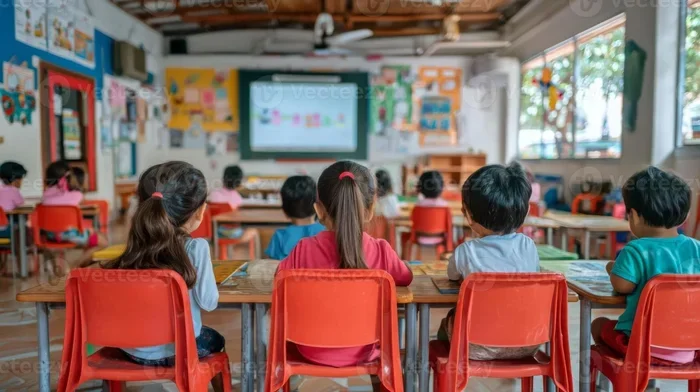
The purpose of early childhood education is to build a strong foundation for lifelong learning, social growth, and emotional well-being. It focuses on developing cognitive, physical, and language skills during the most critical years of brain development. Understanding this purpose helps parents and educators give children the best possible start in life.
Key Takeaways
- Foundation for Lifelong Learning: Early childhood education sets the stage for academic success and curiosity that lasts a lifetime.
- Social and Emotional Growth: Children learn empathy, cooperation, and self-regulation through structured early learning environments.
- Brain Development Boost: The first five years are crucial for neural connections that support future learning and problem-solving.
- School Readiness: Quality preschool programs help children enter kindergarten with essential literacy and numeracy skills.
- Parental Involvement Matters: Engaged families amplify the benefits of early childhood education significantly.
- Long-Term Academic Gains: Research shows early learners perform better in school and have higher graduation rates.
📑 Table of Contents
- What Is the Purpose of Early Childhood Education?
- The Core Goals of Early Childhood Education
- Why the First Five Years Are So Important
- The Role of Parents and Caregivers in Early Education
- Long-Term Benefits of Quality Early Education
- Common Mistakes People Make About Early Childhood Education
- How to Choose the Right Early Childhood Program
- Conclusion
What Is the Purpose of Early Childhood Education?
The purpose of early childhood education goes far beyond keeping kids busy while parents work. It is about nurturing young minds during the most formative years of life. From birth to age eight, children experience rapid brain growth that shapes how they think, feel, and relate to the world.
Early childhood education serves as the first structured learning experience for most kids. It introduces them to early learning routines, social settings, and foundational skills. Think of it as planting seeds. The care and attention given during these years determine how beautifully those seeds bloom later.
Many people underestimate what happens in a preschool classroom. But behind the fun activities and playful games lies a carefully designed approach to child development. Every puzzle, song, and group activity has a purpose.
So why does this matter so much? Because the experiences children have before age five directly impact their future. They influence academic performance, emotional health, and even career success. The purpose of early childhood education is to give every child a fair and strong start.
The Core Goals of Early Childhood Education
Building Cognitive and Language Skills
One of the primary goals of early childhood education is to stimulate cognitive development. Young brains are like sponges. They absorb information from every interaction, every sight, and every sound.
During these early years, children begin to develop literacy skills and numeracy skills. They learn to recognize letters, count objects, and understand basic patterns. These are not just academic tricks. They are building blocks for future problem-solving.
Language development is equally important. Children expand their vocabulary through conversations, stories, and songs. They learn to express their needs and feelings. This early learning foundation makes later reading and writing much easier.
Here is what quality cognitive development looks like in practice:
- Sorting objects by color, shape, or size
- Listening to stories and answering simple questions
- Singing alphabet songs and counting games
- Exploring cause-and-effect through hands-on play
Developing Social and Emotional Intelligence
Another critical goal is helping children build social skills and emotional awareness. A good early learning program teaches kids how to share, take turns, and resolve conflicts.
Children learn emotional growth by observing adults and peers. They begin to understand feelings, both their own and others’. This is where empathy starts to take root.
In a structured learning environment, children practice cooperation. They work on group projects, follow simple rules, and manage transitions. These skills are just as important as reading and math.
Consider these social-emotional milestones that early education supports:
- Separating from parents without excessive anxiety
- Showing concern for a friend who is upset
- Following two-step instructions independently
- Expressing frustration in healthy ways
Promoting Physical Development and Coordination
Early childhood education also focuses on gross and fine motor skills. Children run, jump, climb, and play. These activities build strength, balance, and coordination.
Fine motor skills develop through drawing, cutting with safety scissors, and manipulating small objects. These abilities prepare children for writing later on. Physical development is a key part of the purpose of early childhood education that often gets overlooked.
Why the First Five Years Are So Important
Research consistently shows that brain development is most rapid during the first five years of life. During this window, a child’s brain forms over one million new neural connections every second. No other period of life comes close to this level of activity.
These neural connections create the wiring for all future learning. When children receive rich, stimulating experiences during these years, their brains develop stronger pathways for language acquisition, critical thinking, and memory.
Studies on developmental milestones confirm that children who participate in quality early education programs reach key benchmarks faster. They show stronger attention spans and better impulse control. The purpose of early childhood education aligns directly with this biological reality.
Think of it this way. If a child’s brain is a house being built, the first five years are when the foundation is poured. A strong foundation supports everything above it. A weak foundation creates problems that show up years later.
How Play-Based Learning Supports Development
Play-based learning is at the heart of most effective early childhood programs. Through play, children explore, experiment, and make sense of the world. It is not just fun and games. Play is serious work for young learners.
When a child builds a tower with blocks, they learn about balance and spatial reasoning. When they pretend to cook in a play kitchen, they develop imagination and language. Play-based learning turns everyday moments into powerful educational experiences.
Here are examples of how different types of play support development:
- Dramatic play builds social skills and emotional expression
- Construction play develops problem-solving and spatial awareness
- Sensory play strengthens neural pathways and fine motor control
- Outdoor play promotes physical fitness and risk assessment
The beauty of play-based approaches is that children stay engaged naturally. They do not feel pressured or stressed. Instead, they develop a genuine love for exploration and discovery. This mindset is essential for lifelong learning.
The Role of Parents and Caregivers in Early Education
Why Home Learning Complements School Programs
While formal early childhood education programs provide structure, parental involvement amplifies the results enormously. Parents are a child’s first and most important teachers. The learning that happens at home is just as valuable as what happens in a classroom.
Simple activities like reading bedtime stories, counting stairs, or naming colors during a walk all contribute to early learning. These everyday moments build vocabulary, number sense, and curiosity.
Research on school readiness shows that children whose families actively engage in learning activities at home enter kindergarten better prepared. They have larger vocabularies, stronger attention skills, and more confidence. The purpose of early childhood education extends beyond the classroom and into the home.
Tips for Parents to Support Early Learning at Home
You do not need a teaching degree to support your child’s development. Here are practical steps any parent can take:
- Read together every day. Even ten minutes of reading builds language skills and bonding.
- Ask open-ended questions. Instead of “Did you have fun?” try “What was the most fun part?”
- Encourage curiosity. When your child asks “why,” explore the answer together.
- Establish routines. Consistent schedules help children feel secure and develop self-discipline.
- Limit screen time. Real-world interactions build stronger neural connections than passive viewing.
These small habits create a rich learning environment at home. They reinforce what children learn in preschool or childcare settings and help them reach important developmental milestones.
Long-Term Benefits of Quality Early Education
The impact of early childhood education extends far beyond kindergarten. Studies tracking children over decades reveal remarkable long-term benefits. These outcomes touch every area of a person’s life.
Children who attend quality preschool programs tend to achieve higher academic achievement throughout their school years. They score better on standardized tests and are less likely to need special education services. The investment in early learning pays dividends for years and even decades.
But academic success is not the only benefit. Research also shows that early learners have better social skills, higher graduation rates, and even improved health outcomes later in life. The purpose of early childhood education is truly a lifelong investment.
Breaking the Cycle Through Education
One of the most powerful aspects of early childhood education is its potential to break cycles of inequality. Children from disadvantaged backgrounds often start school already behind their peers. Quality early programs help close this gap.
When every child has access to strong early learning opportunities, entire communities benefit. Educator training and program quality are key factors in making this impact real. Well-trained teachers create environments where every child can thrive.
The ripple effects are profound. Better-educated children grow into more productive adults. They contribute more to their communities and face fewer challenges related to poverty and unemployment. This is why investing in early childhood education is one of the smartest decisions a society can make.
Common Mistakes People Make About Early Childhood Education
Even well-meaning parents and caregivers sometimes misunderstand the purpose of early childhood education. Here are a few common pitfalls to avoid:
Mistake 1: Thinking it is just babysitting. Early education is intentional and structured. Every activity has a developmental goal behind it.
Mistake 2: Focusing only on academics. Social-emotional skills matter just as much as reading and math. A balanced approach yields the best results.
Mistake 3: Underestimating the power of play. Play is not a break from learning. It IS learning for young children. Figurative language like comparing a child’s mind to a garden helps illustrate this point. Just as a garden needs the right soil, water, and sunlight to grow, a child’s mind needs the right environment to flourish. Similarly, using metaphors for education like “building blocks for the future” makes the concept tangible for parents and educators alike. And just as similes for education help us compare learning experiences in relatable ways, they remind us that every child’s journey is unique and beautiful in its own way. Idioms for education also carry wisdom about the learning process that resonates deeply with anyone who has ever taught or raised a child.
Mistake 4: Waiting too long to start. The early years are the most critical. Delaying enrollment means missing key windows for development.
Mistake 5: Neglecting consistency. Irregular attendance or unpredictable routines can undermine the progress children make. Consistency builds security and accelerates learning.
Quick Tip: The best early childhood programs balance academics, play, social time, and physical activity. Look for programs that address all four areas when choosing a setting for your child.
How to Choose the Right Early Childhood Program
Not all early childhood programs are created equal. Choosing the right one can feel overwhelming, but a few key factors make the decision clearer.
First, look for programs that align with the purpose of early childhood education. A quality program focuses on the whole child. It addresses cognitive, social, emotional, and physical development equally.
Second, check the qualifications of the educators. Educator training and ongoing professional development matter greatly. Teachers who understand child development create better learning experiences.
Third, visit the program in person. Observe how teachers interact with children. Look for warmth, patience, and engagement. A good learning environment feels welcoming and safe.
Finally, consider your child’s unique needs and personality. Every child is different. The best program is one where your child feels comfortable, challenged, and supported.
Questions to Ask When Visiting Programs
- What is your daily schedule and routine?
- How do you handle behavioral challenges?
- What does a typical lesson or activity look like?
- How do you communicate with parents about progress?
- What qualifications do your teachers hold?
Asking these questions helps you find a program that truly serves the purpose of early childhood education. It also gives you confidence that your child is in good hands.
Conclusion
The purpose of early childhood education is clear and compelling. It is about giving children the strongest possible start in life. It is about building brains, hearts, and skills that serve them for decades to come.
From cognitive development to emotional growth, from literacy skills to social confidence, early education touches every aspect of a child’s future. The research is overwhelming. The benefits are real and lasting. And the investment is worth every penny.
Whether you are a parent, caregiver, or educator, you now have a clear understanding of why early childhood education matters. You know the goals, the long-term benefits, and the common mistakes to avoid. More importantly, you know that every moment you invest in a young child’s learning creates a ripple effect that lasts a lifetime.
The purpose of early childhood education is not just about preparing children for school. It is about preparing them for life. And that is a purpose worth fighting for.
Frequently Asked Questions
What age range does early childhood education cover?
Early childhood education typically covers birth through age eight. The most critical period is from birth to age five, when brain development is fastest. However, programs for children up to age eight continue to build on the foundation laid in those early years.
Is play-based learning effective for preparing kids for school?
Yes, play-based learning is highly effective. Research shows that children learn best through hands-on, play-based experiences during their early years. This approach builds critical thinking, creativity, and problem-solving skills that directly support later academic success.
How does early childhood education impact long-term academic success?
Studies show that children who attend quality early education programs have higher test scores, better graduation rates, and lower rates of grade repetition. The early foundation in literacy and numeracy creates a strong base for all future learning.
Can parents provide early childhood education at home?
Absolutely. Parents are a child’s first teachers. Simple daily activities like reading, counting, and exploring nature provide rich learning experiences. However, formal programs offer social interaction and structured learning that complement home education.
What should I look for in a quality early childhood program?
Look for qualified educators, a balanced curriculum that includes play and academics, a safe and welcoming environment, and strong parent communication. The program should address cognitive, social, emotional, and physical development equally.
Why is early childhood education considered a high return on investment?
Research from economists and child development experts shows that every dollar invested in quality early childhood education returns seven to twelve dollars in long-term benefits. These include reduced special education costs, higher earnings, and lower crime rates later in life.


