
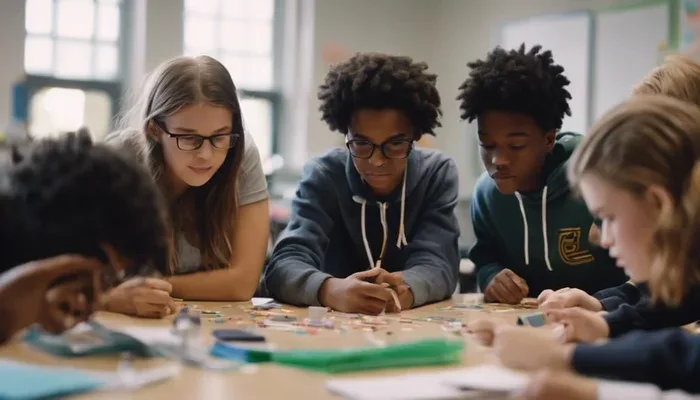
Critical consciousness in education is a powerful teaching approach that helps students question the world around them and understand social inequality. It was developed by Paulo Freire and focuses on transformative learning and empowerment. This method encourages reflective practice, civic engagement, and deeper critical thinking in every classroom.
Key Takeaways
- Definition: Critical consciousness is the ability to recognize and challenge social, political, and economic inequalities through education.
- Origins: It was developed by Brazilian educator Paulo Freire in his groundbreaking book Pedagogy of the Oppressed.
- Core Principles: It relies on dialogue, reflection, action, and awareness of power dynamics in society.
- Benefits: It fosters educational equity, empowers marginalized students, and promotes transformative learning.
- Challenges: Implementing it requires teacher training, supportive policies, and a willingness to address sensitive topics.
- Real-World Impact: Schools using this approach see higher student engagement and stronger civic engagement skills.
📑 Table of Contents
- What Is Critical Consciousness in Education?
- The Origins of Critical Consciousness
- Core Principles of Critical Consciousness
- Why Critical Consciousness Matters in Today’s Classrooms
- How to Implement Critical Consciousness in the Classroom
- Challenges and Criticisms of Critical Consciousness
- The Impact of Critical Consciousness on Students
- Key Takeaways
- Conclusion
What Is Critical Consciousness in Education?
So, what exactly is critical consciousness in education? At its core, it is a teaching approach that pushes students to look beyond the surface of what they learn. It asks them to question why things are the way they are in society. This idea helps learners see unfairness, inequality, and oppression in the world around them.
The term comes from the work of Paulo Freire, a Brazilian educator who changed how we think about teaching. He believed that education should not just fill students’ minds with facts. Instead, it should help them understand the world and their place in it. Critical consciousness is all about that deeper understanding.
When we talk about critical consciousness, we mean the ability to spot patterns of injustice. It also means having the courage to challenge them. This is not just an academic concept. It is a life skill that helps people become active, thoughtful citizens.
In today’s classrooms, critical consciousness is more important than ever. Students face complex issues like racism, poverty, and climate change. They need tools to make sense of these challenges. That is exactly what this approach provides.
The Origins of Critical Consciousness
The idea of critical consciousness started with Paulo Freire. He wrote his famous book, Pedagogy of the Oppressed, in 1968. In it, he criticized the traditional way of teaching. He called it the “banking model” of education. In this model, teachers deposit facts into students’ minds. Students are expected to memorize and repeat them. Freire thought this was deeply flawed.
Why the Banking Model Falls Short
The banking model treats students as empty containers. It does not respect their own experiences or ideas. Freire argued that this approach keeps people passive. It stops them from thinking for themselves. Over time, students learn to accept the world as it is. They stop asking questions.
Freire wanted something different. He believed education should be a dialogue. Teachers and students should learn from each other. This idea became the foundation of critical pedagogy, which is closely tied to critical consciousness.
Freire’s Three Stages
Freire described three stages of consciousness raising:
- Magical Consciousness: This is when people believe events happen by chance or fate. They feel powerless to change things.
- Naive Consciousness: People start to notice problems but blame themselves. They do not see the bigger social forces at play.
- Critical Consciousness: People understand the root causes of problems. They see how power and society shape their lives. They feel empowered to take action.
These stages help us understand why some people stay silent while others speak up. Critical consciousness is the goal. It moves people from feeling helpless to feeling powerful.
Core Principles of Critical Consciousness
What makes critical consciousness in education work? It rests on a few key principles. Each one plays a vital role in helping students grow.
1. Dialogue Over Lecture
Traditional classrooms rely on one-way communication. The teacher talks. The students listen. Critical consciousness flips this. It values dialogue. Teachers and students share ideas openly. Everyone’s voice matters.
This does not mean teachers have no role. They guide conversations and ask tough questions. But they also listen. The classroom becomes a space for real exchange.
2. Reflection and Action
Freire believed that reflection must lead to action. Students should not just think about problems. They should also work to solve them. This cycle of reflection and action is central to transformative learning.
For example, a class might study food deserts in their city. They reflect on why certain neighborhoods lack fresh food. Then they take action by organizing a community garden. This hands-on approach makes learning meaningful.
3. Awareness of Power Dynamics
A key part of critical consciousness is understanding power. Who holds it? Who lacks it? How does it affect people’s lives? Students learn to see how systems like government, media, and schools can reinforce inequality.
This awareness helps students recognize their own position in society. It also helps them stand in solidarity with others. It builds empathy and a sense of shared responsibility.
4. Cultural Relevance
Critical consciousness also values students’ cultural backgrounds. It draws on their lived experiences as a starting point for learning. When students see themselves reflected in the curriculum, they engage more deeply.
This connects to the idea of educational equity. Every student deserves to see their identity honored in the classroom. It is not just about representation. It is about validation.
Why Critical Consciousness Matters in Today’s Classrooms
You might wonder why critical consciousness is so important right now. The world has changed a lot in recent years. Students face challenges that previous generations did not. They need more than just academic skills. They need the ability to think deeply and act wisely.
Addressing Social Injustice
Issues like racial injustice, gender inequality, and economic disparity are everywhere. Students see these problems in the news and in their own communities. Without a framework to understand them, they can feel overwhelmed or confused.
Critical consciousness gives them that framework. It teaches them to analyze problems and identify solutions. This is not about pushing a political agenda. It is about building informed, thoughtful citizens.
Building Stronger Communities
When students develop critical consciousness, they also build stronger connections with others. They learn to listen, empathize, and collaborate. These skills are essential for healthy communities.
Schools that embrace this approach often see less bullying and more cooperation. Students learn to respect differences. They also learn to find common ground. This creates a more positive learning environment for everyone.
Prepare Students for Real Life
Let us be honest. School is not just about passing tests. It is about preparing students for life. Critical consciousness equips them with real-world skills. They learn to question information. They learn to think independently. They learn to stand up for what is right.
These are skills that no standardized test can measure. But they are among the most valuable a person can have. They help students navigate an increasingly complex world.
How to Implement Critical Consciousness in the Classroom
Wondering how to bring critical consciousness into your own teaching? It is easier than you might think. You do not need a complete curriculum overhaul. Small changes can make a big difference.
Start with Open-Ended Questions
Instead of asking students to recall facts, ask them to think critically. Questions like “Why do you think this happened?” or “Who benefits from this situation?” open the door to deeper discussion. These questions encourage reflective practice and help students connect learning to real life.
Use Real-World Examples
Students engage more when they see the connection between school and the real world. Use current events, local issues, or personal stories as teaching tools. For instance, you might explore how a local policy affects different communities. This makes abstract ideas feel concrete and relevant.
Encourage Student Voice
Give students a platform to share their own perspectives. Let them lead discussions or create projects based on their interests. When students feel heard, they become more invested in their learning. This is a key part of empowerment.
Create a Safe Space for Difficult Conversations
Talking about inequality and injustice can be uncomfortable. That is okay. It is also necessary. Set ground rules for respectful dialogue. Make it clear that all viewpoints are welcome. Help students understand that disagreement can be productive, not threatening.
Connect to Broader Themes
Tie your lessons to larger social themes. For example, a literature class might explore how characters challenge unfair systems. A science class might examine how environmental policies affect vulnerable populations. This helps students see the big picture and understand how different subjects connect.
You can also draw inspiration from resources like similes for education or metaphors for education to help students express complex ideas creatively.
Challenges and Criticisms of Critical Consciousness
No approach is perfect. Critical consciousness in education faces its share of challenges. It is important to acknowledge these honestly.
Resistance from Institutions
Some schools and administrators are wary of critical pedagogy. They fear it may be seen as political or controversial. This resistance can make it hard for teachers to implement the approach fully. They may feel pressure to stick to traditional methods and standardized testing.
Teacher Training Gaps
Teaching for critical consciousness requires skill and preparation. Many teachers never receive training in this area during their education programs. Without proper support, it can be difficult to facilitate meaningful discussions about sensitive topics.
Balancing Curriculum Demands
Teachers already juggle a lot. They must cover required content and prepare students for exams. Adding consciousness raising activities can feel like one more thing on a long to-do list. Finding the right balance is an ongoing challenge.
Navigating Diverse Perspectives
Classrooms are full of diverse viewpoints. Some students may come from backgrounds that differ greatly from the topics being discussed. Teachers must navigate these differences with care. They need to ensure that no student feels attacked or excluded.
Despite these challenges, the benefits of critical consciousness far outweigh the drawbacks. With proper training and support, teachers can overcome these obstacles and create truly transformative learning experiences.
The Impact of Critical Consciousness on Students
What happens when students engage with critical consciousness? The effects can be profound.
Deeper Academic Engagement
Students who learn to think critically are more engaged in their studies. They ask questions, seek answers, and connect ideas across subjects. This deeper engagement often leads to better academic outcomes. Students remember what they learn because it matters to them personally.
Stronger Sense of Identity
When students see their experiences reflected in the curriculum, it strengthens their sense of self. They feel valued and understood. This is especially powerful for students from marginalized communities who rarely see themselves in textbooks or lesson plans.
Greater Civic Responsibility
Critical consciousness fosters a sense of civic duty. Students learn that they have a role to play in shaping society. They become more likely to vote, volunteer, and advocate for change. This kind of civic engagement benefits not just the individual but the entire community.
Improved Social Skills
Through dialogue and collaboration, students develop strong social skills. They learn to listen actively, express their ideas clearly, and respect others’ viewpoints. These skills serve them well beyond the classroom, in their careers and personal relationships.
A Lifelong Love of Learning
Perhaps the most lasting impact is this: students develop a love of learning that extends far beyond school. They become curious, reflective, and proactive. They do not stop asking questions when they leave the classroom. That is the true gift of critical consciousness.
Key Takeaways
- Critical consciousness in education is a teaching approach that helps students question social inequality and injustice.
- Paulo Freire developed this concept as an alternative to the passive “banking model” of education.
- Core principles include dialogue, reflection, action, awareness of power dynamics, and cultural relevance.
- Benefits include deeper engagement, stronger identity, greater civic responsibility, and a lifelong love of learning.
- Challenges include institutional resistance, teacher training gaps, and balancing curriculum demands.
- Implementation starts with small changes like open-ended questions, real-world examples, and encouraging student voice.
Conclusion
Critical consciousness in education is more than a teaching method. It is a mindset. It asks us to see education as a tool for liberation and empowerment. When students learn to question the world around them, they gain something far more valuable than test scores. They gain the ability to understand, challenge, and change the world.
Paulo Freire showed us decades ago that education is never neutral. Every lesson sends a message. The question is whether that message opens minds or closes them. Critical consciousness chooses to open them. It invites curiosity, empathy, and action into the classroom.
If you are a teacher, a parent, or simply someone who cares about education, consider the power of critical consciousness. Start small. Ask better questions. Listen more deeply. You might be surprised by what your students can teach you in return. After all, education is a dialogue. And it is one of the most important conversations we can have.
You can also explore related concepts through resources like idioms for education to deepen your understanding of how language shapes learning.
Frequently Asked Questions
What is the difference between critical consciousness and critical thinking?
Critical thinking is the ability to analyze information and make reasoned judgments. Critical consciousness goes a step further. It adds a social and political dimension. It asks students not just to think clearly, but to understand how power and society shape what they think about. Both skills are valuable, but critical consciousness includes a call to action.
Who developed the concept of critical consciousness?
The concept was developed by Paulo Freire, a Brazilian educator and philosopher. He introduced it in his 1968 book, Pedagogy of the Oppressed. Freire believed that education should empower oppressed people to recognize and challenge the systems that keep them down. His ideas have influenced critical pedagogy worldwide.
Can critical consciousness be taught in all subjects?
Yes, absolutely. Critical consciousness is not limited to social studies or history classes. It can be woven into science, math, literature, and even art. For example, a science class might examine how environmental policies affect different communities. A math class might analyze data on income inequality. The key is connecting the subject matter to real-world social issues.
Is critical consciousness the same as activism?
Not exactly, but they are closely related. Critical consciousness is the awareness and understanding of social injustice. Activism is the action taken to address that injustice. You can have one without the other, but critical consciousness often leads to activism. It gives people the knowledge and motivation to make a difference.
What age group is appropriate for critical consciousness education?
Critical consciousness can be adapted for any age group. Young children can start with simple questions about fairness and empathy. Older students can tackle more complex topics like systemic inequality and power structures. The key is to tailor the content and discussion to be age-appropriate and respectful of students’ experiences.
How does critical consciousness support educational equity?
Educational equity means giving every student what they need to succeed. Critical consciousness supports this by validating students’ diverse backgrounds and experiences. It ensures that marginalized voices are heard and respected. When students see themselves in the curriculum, they feel a stronger sense of belonging. This leads to more equitable outcomes for all learners.


