
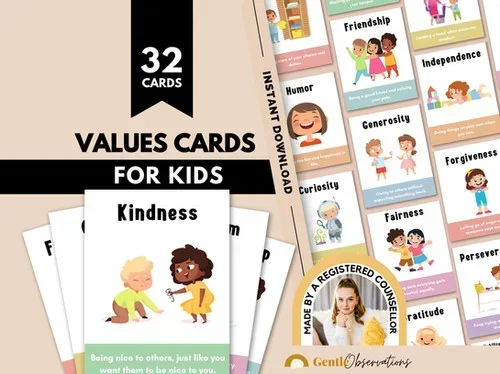
Moral education teaches students right from wrong through values, ethics, and character building. It helps young people develop a strong moral compass, make better decisions, and become responsible citizens. Without moral education, schools miss a core chance to shape empathetic, thoughtful humans.
Key Takeaways
- Moral education builds character: It teaches kids core values like honesty, respect, and empathy from an early age.
- It shapes better decision makers: Students learn ethical reasoning so they can navigate tough choices with confidence.
- Schools benefit greatly: Classrooms with moral education see less bullying and more cooperation among students.
- Parents play a key role: Home and school must work together to reinforce moral values consistently.
- It prepares kids for real life: Moral literacy helps students handle peer pressure, conflict, and social challenges.
- Teaching methods matter: Stories, role play, and discussions work better than lectures alone.
- Society wins too: A generation trained in ethics creates a more compassionate and just world.
📑 Table of Contents
- What Is Moral Education And Why It Matters So Much
- What Does Moral Education Mean
- Why Moral Education Matters So Much
- How Moral Education Works In Practice
- The Role Of Parents And Families
- Challenges In Teaching Moral Education
- Benefits Of Moral Education For Society
- Quick Tips For Teaching Moral Education
- Common Mistakes To Avoid In Moral Education
- Expert Insights On Moral Education
- Conclusion
What Is Moral Education And Why It Matters So Much
Have you ever wondered why some kids grow up to be kind and fair while others struggle with basic respect? The answer often comes down to one thing: moral education. This type of learning goes way beyond math and science. It teaches young people how to tell right from wrong, how to care about others, and how to live with integrity. Moral education is the foundation of character building in every child.
Schools and families have always taught values in some form. But today, ethical development in young people matters more than ever. Kids face complex social pressures online and offline. They need a solid moral compass to navigate these challenges. That is exactly what values education provides. In this article, we will explore what moral education really means, why it is so important, and how you can support it at home and in the classroom.
What Does Moral Education Mean
At its core, moral education is the process of teaching people about values, ethics, and right behavior. It helps learners understand concepts like fairness, honesty, respect, and responsibility. But it is not just about memorizing rules. Moral education is about developing a deep inner understanding of why these values matter.
Think of it this way. You can tell a child “do not lie,” but moral education helps them understand why lying hurts trust and damages relationships. It moves from simple rules to genuine ethical reasoning. This deeper level of learning is what sets character education apart from regular classroom instruction.
The History Of Moral Education
Teaching morals is not new. Ancient Greek philosophers like Aristotle talked about virtue and ethical behavior. In many cultures, religious and community leaders have passed down moral lessons for thousands of years. In modern education, moral development theories from thinkers like Lawrence Kohlberg shaped how schools approach this topic.
Today, moral education looks different from what it did decades ago. Modern approaches focus less on preaching and more on discussion, reflection, and real-world practice. Teachers use stories, group activities, and problem-solving exercises to help students build their own moral awareness.
Why Moral Education Matters So Much
You might ask, “Why do we need a whole subject dedicated to morals?” The answer is simple. Moral education shapes who we are as people. It affects every part of our lives, from our friendships to our careers to our communities. Here is why it matters so much.
It Builds Strong Character
Character is not something you are born with. It is built over time through choices, habits, and learning. Moral education gives students the tools they need to build a strong, positive character. When kids learn about moral principles like honesty and kindness, they start to live by them every day.
This is where values clarification comes in. Students explore different values and figure out which ones they want to stand for. This process makes their character stronger and more authentic. They are not just following rules because someone told them to. They believe in the values they hold.
It Improves Decision Making
Every day, we face small and big decisions. Should I cheat on this test? Should I stand up for someone being bullied? Moral education trains the brain to think through these moments carefully. It builds moral reasoning skills that help students make better choices.
When students learn ethical decision making, they start to consider how their actions affect others. This kind of thinking is a life skill. It helps in school, at work, and in personal relationships. People with strong moral reasoning tend to handle peer pressure much better too.
It Reduces Bullying And Conflict
Schools that invest in character education often see less bullying and fewer conflicts. Why? Because students learn empathy and respect early on. They understand how their words and actions impact others. This awareness creates a more positive and safe learning environment for everyone.
Studies show that classrooms with values-based learning programs have higher levels of cooperation. Students work together more and fight less. Teachers spend less time managing behavior and more time teaching. That is a win for everyone.
How Moral Education Works In Practice
Theory is great, but how does moral education actually look in a real classroom? Teachers use many creative methods to make ethics in education come alive. Let us look at some of the most effective approaches.
Storytelling And Literature
One of the oldest and most powerful ways to teach morals is through stories. When students read about characters who face tough choices, they think about what they would do. Good stories spark moral awareness in a natural and engaging way.
Teachers often use fables, folk tales, and modern novels to explore moral values. After reading, students discuss the characters’ choices and what they learned. This method works beautifully because it lets students discover lessons on their own, rather than being told what to think.
Role Play And Simulations
Nothing beats hands-on learning. Role play activities let students step into someone else’s shoes. They experience different perspectives and practice ethical decision making in a safe space.
For example, a teacher might set up a scenario where a student finds a lost wallet. The class discusses what to do and why. These simulations build real moral reasoning skills. Students remember these lessons far longer than they remember a lecture.
Discussion And Dialogue
Open conversations about values are at the heart of moral education. When students share their thoughts and listen to others, they grow in understanding. Good discussions teach respect for different viewpoints.
Teachers can use similes for education to spark deeper conversations. For example, comparing a kind act to sunshine helps students visualize abstract ideas. Similarly, using metaphors for education like “knowledge is a treasure” makes lessons more memorable. Even common idioms for education like “knowledge is power” can open doors to meaningful talks about values and learning.
Service Learning And Community Projects
Some of the best moral education happens outside the classroom. When students volunteer, help their neighbors, or work on community projects, they learn empathy through action. Service learning connects values education to real life in a powerful way.
Students who participate in community service often develop a stronger sense of responsibility. They see firsthand how their actions can make a positive difference. This experience builds a lasting commitment to ethical behavior and civic education.
The Role Of Parents And Families
Schools do not carry the whole load of moral education. Families are the first and most important teachers of values. Parents model moral principles every single day, often without realizing it.
When a parent tells the truth even when it is hard, that is moral education in action. When a family discusses fairness at the dinner table, that is character building happening naturally. The home environment shapes a child’s moral development just as much as the school does.
Here are some simple ways families can support moral education at home:
- Model good behavior: Kids watch and learn from what adults do more than what adults say.
- Talk about values daily: Use everyday situations to discuss honesty, kindness, and fairness.
- Read stories together: Books are a wonderful way to explore moral themes as a family.
- Praise moral actions: When your child shows empathy or stands up for someone, notice and celebrate it.
- Be consistent: Reinforce the same values at home and at school to create a strong foundation.
Challenges In Teaching Moral Education
Even though moral education is incredibly important, it is not without challenges. Schools and parents face real obstacles when trying to teach values effectively. Understanding these challenges helps us find better solutions.
Cultural And Religious Differences
One of the biggest challenges in values education is the diversity of backgrounds. Students come from different cultures, religions, and family traditions. What one family considers a core value might differ from another’s perspective.
The key is to focus on universal values that most people agree on. Respect, kindness, honesty, and fairness cross cultural lines. Good moral education teaches these shared values while also respecting differences. It creates space for students to learn from each other’s perspectives.
Balancing Rules With Critical Thinking
Some people worry that moral education just means forcing rules on kids. But effective programs do the opposite. They encourage moral reasoning and critical thinking. Students learn to question, reflect, and form their own understanding of right and wrong.
Teachers must balance structure with freedom. Too many rules without discussion leads to compliance without understanding. Too much freedom without guidance can leave students confused. The sweet spot is where students explore values through guided conversation and thoughtful reflection.
Measuring Progress
How do you test whether a student has learned to be kind or fair? Moral literacy is hard to measure with a standard test. This is a real challenge for schools that need to show results.
Teachers can use observation, portfolios, and reflective writing to track moral development. Looking at how students treat each other over time tells a powerful story. Self-assessment tools also help students reflect on their own growth in ethical behavior and character building.
Benefits Of Moral Education For Society
The impact of moral education goes far beyond the individual student. When we teach values to young people, we invest in the future of our entire society. Here are some of the broader benefits.
Stronger Communities
People who received strong moral education tend to be more involved in their communities. They volunteer, help neighbors, and stand up for what is right. Over time, this creates neighborhoods and societies that are more connected and supportive.
Better Workplace Culture
Employers value people with strong ethical behavior and integrity. Moral education in schools prepares students for the workplace. They learn teamwork, respect, and accountability. These skills make them better employees and leaders.
A More Just World
When people understand moral principles like justice and equality, they work to build a fairer society. Moral education helps students recognize unfairness and take action. This is the foundation of civic education and active citizenship.
Quick Tips For Teaching Moral Education
Want to weave moral education into your teaching or parenting? Here are some quick and practical tips.
- Start with stories. Use books, movies, and real-life examples to spark conversations about values.
- Ask open-ended questions. Instead of “Is this right or wrong?” ask “What would you do and why?”
- Create a safe space. Let students share their thoughts without fear of judgment.
- Use real-life scenarios. Connect lessons to situations students actually face every day.
- Be a role model. Your actions teach more than your words ever could.
- Make it fun. Use games, role play, and group projects to keep values education engaging.
- Be patient. Moral development is a gradual process. Trust the journey.
Common Mistakes To Avoid In Moral Education
Even well-meaning educators and parents can make mistakes when teaching morals. Here are some common pitfalls to watch out for.
- Lecturing instead of discussing: Kids tune out long lectures. Use conversations and activities instead.
- Being too rigid: Morals are not always black and white. Allow room for nuance and reflection.
- Ignoring real-world connections: Abstract lessons feel irrelevant. Always tie moral education to real life.
- One-size-fits-all approaches: Different age groups need different methods. Tailor your approach to the learners.
- Skipping follow-up: One lesson is not enough. Revisit values regularly to reinforce moral awareness.
Expert Insights On Moral Education
Educators and researchers agree that moral education is one of the most valuable investments we can make. Dr. James Comer, a leading expert in child development, once said that no significant learning happens without a significant relationship. This idea is at the heart of values-based learning. When teachers build trusting relationships with students, moral lessons stick.
Research from the Collaborative for Academic, Social, and Emotional Learning (CASEL) shows that social-emotional learning and moral education go hand in hand. Students who develop both academic and moral skills perform better in school and in life. This research proves that character education is not a luxury. It is a necessity.
Conclusion
Moral education is one of the most important things we can offer to young people. It shapes character, builds empathy, and prepares students for the real challenges of life. Through stories, discussions, role play, and community service, students develop a deep understanding of moral values and ethical behavior.
Parents and teachers must work together to reinforce these lessons. When home and school align on moral principles, children grow up with a strong and authentic moral compass. The benefits ripple outward, creating stronger families, better schools, and a more just society.
Now is the time to invest in moral education. Whether you are a teacher, a parent, or a community member, you have the power to shape the next generation. Teach values. Model integrity. And watch young people grow into the kind, responsible adults our world needs.
Frequently Asked Questions
What is the main goal of moral education?
The main goal of moral education is to help students develop a strong understanding of values like honesty, respect, and responsibility. It aims to build character and ethical reasoning so students can make good choices on their own. The ultimate goal is to create thoughtful, compassionate people who contribute positively to society.
How is moral education different from regular ethics classes?
While ethics classes often focus on theory and philosophy, moral education is more practical and applied. It teaches students how to live out values in everyday situations. Moral education uses stories, role play, and real-life scenarios to make learning personal and relevant. It is less about memorizing rules and more about building genuine moral awareness.
At what age should moral education begin?
Moral education can start as early as preschool. Young children learn values through simple lessons about sharing, kindness, and telling the truth. As children grow, the complexity of moral reasoning grows too. By elementary school, students can explore deeper topics like fairness, empathy, and ethical decision making.
Can moral education reduce bullying in schools?
Yes, research shows that values-based learning programs can significantly reduce bullying. When students learn empathy and respect, they are less likely to engage in harmful behavior. Schools with strong character education create safer and more supportive environments for all students.
What role do parents play in moral education?
Parents are the first and most powerful teachers of moral values. Children learn by watching their parents’ actions and hearing their words. When families model honesty, kindness, and fairness at home, it reinforces what students learn at school. Consistent messaging between home and school makes moral education far more effective.
Is moral education only relevant in schools?
No, moral education happens everywhere. Families, communities, sports teams, and religious organizations all play a role. However, schools are uniquely positioned to reach every child and provide structured values education. The most effective approach combines school-based learning with consistent reinforcement at home and in the community.


