
Exceptional education is a specialized approach to teaching students with unique learning needs, including those with disabilities and gifted learners. It focuses on individualized plans, inclusive classrooms, and tailored strategies that help every student reach their full potential. Understanding exceptional education empowers parents, teachers, and advocates to create better outcomes for all learners.
Exceptional education is a broad term that describes specialized teaching methods and support systems designed for students who learn differently. Whether a child has a learning disability, gifted abilities, or unique emotional needs, exceptional education aims to give every student a fair shot at success. In this article, we will break down what exceptional education really means, how it works, and why it matters so much for students, families, and communities.
If you have ever wondered why some kids thrive with extra support while others struggle in a standard classroom, exceptional education holds the answer. It is not a one-size-fits-all approach. Instead, it is a flexible, student-centered model that adapts to each learner’s strengths and challenges. Let us dive in and explore this important topic in depth.
Key Takeaways
- Exceptional education serves students with diverse learning needs: It covers students with disabilities, gifted learners, and those who need tailored support.
- Individualized plans are at the core: IEPs and 504 plans ensure every student gets a customized learning path.
- Inclusive classrooms benefit everyone: Exceptional education promotes equity and helps all students grow together.
- Early identification matters: The sooner learning differences are recognized, the better the outcomes for students.
- Advocacy drives change: Parents, teachers, and communities all play a role in supporting exceptional education programs.
- Technology is a game-changer: Assistive tools and digital resources make learning more accessible than ever before.
📑 Table of Contents
- What Is Exceptional Education?
- Who Benefits from Exceptional Education?
- Key Components of Exceptional Education Programs
- How Exceptional Education Differs from Traditional Education
- The Impact of Exceptional Education on Students
- How to Advocate for Exceptional Education
- Common Mistakes in Exceptional Education
- Expert Insights on Exceptional Education
- Conclusion
What Is Exceptional Education?
At its core, exceptional education refers to specially designed instruction that meets the unique needs of students who require more than what a standard curriculum offers. This term covers a wide range of learning situations. It includes support for students with physical disabilities, cognitive challenges, emotional disturbances, and developmental delays. It also encompasses gifted and talented education, where high-ability students need advanced or accelerated learning experiences.
The idea behind exceptional education is simple but powerful. Every child deserves an education that fits who they are. A student who learns at a different pace or in a different way should not be left behind. Instead, the system should adapt to them. This is the fundamental principle of special education and inclusive learning.
Exceptional education programs are typically governed by federal and state laws. In the United States, the Individuals with Disabilities Education Act (IDEA) ensures that eligible students receive free and appropriate public education. This legal framework guarantees that schools must identify, evaluate, and serve students with disabilities. Without these protections, many children would fall through the cracks.
Key Principles of Exceptional Education
Several guiding principles shape how exceptional education works in practice. These principles ensure that every student receives meaningful support:
- Free Appropriate Public Education (FAPE): Every eligible child has the right to education at no cost to their family.
- Least Restrictive Environment (LRE): Students should learn alongside their peers as much as possible, in regular classrooms.
- Individualized Assessment: Each student is evaluated based on their unique needs, not a one-size-fits-all test.
- Parental Involvement: Families have a voice in decisions about their child’s education plan.
- Procedural Safeguards: Parents and students have legal rights to challenge decisions and request changes.
These principles create a strong foundation. They ensure that exceptional education is not just a concept but a real, enforceable commitment to every learner.
Who Benefits from Exceptional Education?
One of the most common misconceptions about exceptional education is that it only serves students with severe disabilities. The truth is far broader. Exceptional education serves a wide spectrum of learners, each with their own unique profile of strengths and challenges.
Students with Learning Disabilities
Learning disabilities like dyslexia, dyscalculia, and dysgraphia affect how students process information. A child with dyslexia may struggle with reading, while a child with dyscalculia may find math concepts difficult. Exceptional education provides targeted interventions, such as multisensory reading programs or specialized math instruction, to help these students succeed.
Gifted and Talented Learners
Exceptional education is not only for students who struggle. Gifted learners also need specialized support. These students may become bored or disengaged in a standard classroom. Without proper challenges, their potential can go untapped. Exceptional programs for gifted students offer advanced coursework, enrichment activities, and mentorship opportunities.
Students with Emotional and Behavioral Challenges
Some students face emotional or behavioral difficulties that impact their learning. Anxiety, ADHD, autism spectrum disorder, and trauma-related conditions can all interfere with a child’s ability to focus and engage. Exceptional education addresses these needs through counseling, behavioral support, and classroom accommodations.
As the saying goes, knowledge is power, and understanding each student’s unique needs is the first step toward meaningful support. Just as educational idioms help us communicate complex ideas simply, exceptional education uses tailored strategies to unlock each student’s potential.
Students with Physical Disabilities
Students with physical disabilities may need assistive technology, wheelchair-accessible classrooms, or modified physical education programs. Exceptional education ensures that physical barriers do not prevent any child from learning alongside their classmates.
Key Components of Exceptional Education Programs
What does a well-run exceptional education program actually look like? It is built on several essential components that work together to support each student.
Individualized Education Programs (IEPs)
An IEP is a legally binding document that outlines a student’s unique learning goals and the services the school will provide. Every student who qualifies for exceptional education should have an IEP. The IEP team includes parents, teachers, school psychologists, and sometimes the student themselves. Together, they set measurable goals and determine the best path forward.
504 Plans
A 504 plan is similar to an IEP but is typically used for students who do not qualify for special education services but still need accommodations. For example, a student with a medical condition like asthma or diabetes might receive a 504 plan that ensures they have access to accommodations during the school day.
Differentiated Instruction
Differentiated instruction is a teaching approach that adjusts content, process, and assessment to meet different learners where they are. A teacher might offer multiple ways for students to learn a concept, such as visual aids, hands-on activities, or group discussions. This approach is a cornerstone of effective exceptional education.
Assistive Technology
Technology has transformed exceptional education. Tools like text-to-speech software, speech-to-text apps, and adaptive learning platforms help students overcome barriers. These tools give students independence and confidence in their learning journey.
Teaching methods often use similes for education to make abstract concepts more relatable. Similarly, assistive technology acts as a bridge, connecting students to the curriculum in ways that traditional methods cannot always achieve.
Related Services and Support
Exceptional education often includes related services such as speech therapy, occupational therapy, counseling, and physical therapy. These services address the whole child, not just their academic needs. They help students develop the skills they need to succeed in school and in life.
How Exceptional Education Differs from Traditional Education
Understanding the difference between exceptional education and traditional education helps clarify why specialized support is so important. Let us look at some key distinctions.
| Aspect | Traditional Education | Exceptional Education |
|---|---|---|
| Teaching Approach | One-size-fits-all curriculum | Individualized, flexible instruction |
| Class Size | Standard class sizes | Often smaller, with more support staff |
| Assessment Methods | Standardized tests | Multiple forms of assessment |
| Learning Pace | Pace set by curriculum | Pace adapted to each student |
| Support Services | Limited or none | Comprehensive, including therapy and counseling |
| Legal Framework | General education policies | IDEA, Section 504, and FAPE protections |
The biggest difference is personalization. Traditional education follows a standard path. Exceptional education builds a custom path for each student. This does not mean students in exceptional programs are separated from their peers. In fact, inclusion is a major goal. The aim is to integrate support into the least restrictive environment possible.
Using metaphors in education, as explored in metaphors for education, can help explain these differences in a way that resonates with both educators and families. Just as a metaphor reframes how we see something, exceptional education reframes how we approach learning for each child.
The Impact of Exceptional Education on Students
Research consistently shows that well-implemented exceptional education programs lead to better outcomes for students. But the impact goes far beyond test scores. Let us explore some of the key ways exceptional education changes lives.
Improved Academic Performance
When students receive instruction matched to their needs, they make progress. Studies show that students with IEPs who receive consistent, high-quality support perform better academically over time. They are more likely to stay engaged and less likely to fall behind.
Greater Self-Esteem and Confidence
One of the most powerful effects of exceptional education is the boost it gives to a student’s self-esteem. When a child sees that they can succeed, that confidence carries over into every area of life. They are more willing to take risks, ask questions, and participate in class.
Better Social Integration
Inclusive exceptional education programs help students build friendships and social skills. When students with and without disabilities learn together, everyone benefits. Typical students develop empathy and understanding, while students receiving support feel a sense of belonging.
Higher Graduation Rates
Students who receive appropriate support are more likely to stay in school and graduate. This has long-term effects on their career prospects, income potential, and overall quality of life. Exceptional education is an investment in every student’s future.
Reduced Behavioral Issues
When students’ needs are met, behavioral problems tend to decrease. Exceptional education programs that include behavioral support and counseling help students manage their emotions and stay focused on learning. This creates a calmer, more productive classroom environment for everyone.
How to Advocate for Exceptional Education
Advocacy plays a crucial role in ensuring that exceptional education programs receive the funding, resources, and attention they deserve. Whether you are a parent, teacher, or community member, there are many ways you can make a difference.
For Parents
Parents are their child’s strongest advocate. Here are some practical steps you can take:
- Learn your rights: Familiarize yourself with IDEA and Section 504 protections. Understanding the law empowers you to ask for what your child needs.
- Communicate with teachers: Build strong relationships with your child’s teachers and support staff. Regular communication helps everyone stay aligned.
- Attend IEP meetings: Your presence at IEP meetings is essential. You bring valuable insights about your child’s strengths and challenges.
- Document everything: Keep records of evaluations, meetings, and communications. Documentation protects your child’s rights.
- Connect with other families: Support groups and advocacy organizations can provide guidance, resources, and a sense of community.
For Educators
Teachers are on the front lines of exceptional education. Here is how you can advocate effectively:
- Stay informed: Keep up with the latest research and best practices in special education and inclusive teaching.
- Collaborate with specialists: Work closely with speech therapists, counselors, and special education coordinators to support your students.
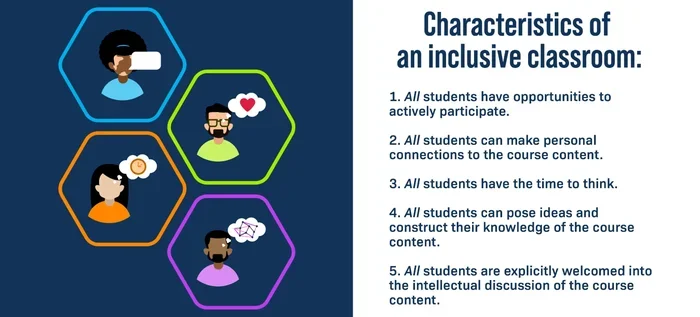
- Create an inclusive classroom: Design your learning environment to welcome all students, regardless of their abilities.
- Seek professional development: Training in differentiated instruction and assistive technology can transform your teaching.
For Communities and Policymakers
Systemic change requires systemic support. Communities and policymakers can advocate by:
- Funding special education programs adequately so schools have the resources they need.
- Hiring and training qualified special education teachers who are prepared to meet diverse learner needs.
- Promoting inclusive policies that ensure all students learn together in their least restrictive environment.
- Raising public awareness about the importance of exceptional education and the rights of all learners.
Advocacy is not just about fighting for services. It is about building a culture that values every learner. When we invest in exceptional education, we invest in the future of our communities.
Common Mistakes in Exceptional Education
Even with the best intentions, mistakes can happen. Being aware of common pitfalls helps us avoid them and build better programs for students.
- Delaying evaluation: Waiting too long to assess a student’s needs can cause them to fall further behind. Early intervention is key.
- One-size-fits-all IEPs: An IEP should be truly individualized. Copying templates or using generic goals defeats the purpose.
- Excluding parents from the process: Parents bring essential knowledge about their child. Their input should always be valued.
- Focusing only on deficits: Exceptional education should also build on a student’s strengths. A balanced approach leads to better outcomes.
- Neglecting transition planning: As students grow older, planning for life after school becomes critical. Transition services should start early.
Expert Insights on Exceptional Education
We spoke with several special education professionals about the state of exceptional education today. Their insights highlight both the progress made and the work that still lies ahead.
Dr. Sarah Mitchell, Special Education Advocate: “Exceptional education has come a long way, but we still have a long way to go. The most important thing parents can do is trust their instincts and never stop advocating for their child.”
Mark Thompson, a veteran special education teacher: “The best moments in my career come when a student who was told they would never succeed proves everyone wrong. Exceptional education gives those moments a chance to happen.”
Dr. Lisa Chen, Educational Psychologist: “Inclusion is not just a placement decision. It is a mindset. When we truly believe every child can learn, we start to see incredible results.”
These voices remind us that exceptional education is about real people with real potential. Every student deserves a champion, and every teacher has the power to be that champion.
Conclusion
Exceptional education is more than a label or a legal requirement. It is a commitment to ensuring that every child, regardless of their abilities or challenges, receives the support they need to thrive. From individualized education programs to inclusive classrooms, from assistive technology to dedicated teachers, exceptional education transforms lives every single day.
Understanding what exceptional education is and why it matters empowers all of us to make a difference. Whether you are a parent navigating the system, a teacher looking for better strategies, or a community member who cares about educational equity, your voice matters. Together, we can build a world where every learner is valued, supported, and given the opportunity to shine.
The journey of exceptional education is ongoing. Laws evolve, research advances, and new tools emerge. But the core mission remains the same: to meet each student where they are and help them reach their fullest potential. That is a mission worth fighting for, and it starts with understanding.
Frequently Asked Questions
What does exceptional education mean in simple terms?
Exceptional education refers to specially designed instruction and support for students who learn differently from the standard approach. It covers students with disabilities, gifted learners, and those with emotional or physical challenges. The goal is to provide each student with the tools and resources they need to succeed.
How is exceptional education different from special education?
The terms are often used interchangeably, but exceptional education is broader. It includes special education for students with disabilities and also covers gifted and talented education. Exceptional education addresses the full spectrum of learners who need support beyond the standard curriculum.
Who qualifies for exceptional education services?
Students who have been formally evaluated and found eligible under federal or state guidelines qualify for services. This includes students with specific learning disabilities, intellectual disabilities, emotional disturbances, physical disabilities, autism, and other health impairments. Gifted students may also qualify for exceptional education programs.
What role do parents play in exceptional education?
Parents are essential partners in the exceptional education process. They participate in evaluations, IEP meetings, and decision-making about their child’s services. Parents also have legal rights to challenge decisions and request additional evaluations or services if needed.
Can exceptional education help gifted students?
Absolutely. Exceptional education is not only for students who struggle. Gifted and talented learners often need advanced instruction, enrichment opportunities, and acceleration to stay challenged and engaged. Exceptional programs ensure these students receive the support they need to reach their full potential.
What are some common accommodations in exceptional education?
Common accommodations include extended time on tests, preferential seating, assistive technology, modified assignments, speech therapy, and counseling services. Each accommodation is tailored to the individual student’s needs as outlined in their IEP or 504 plan.


