
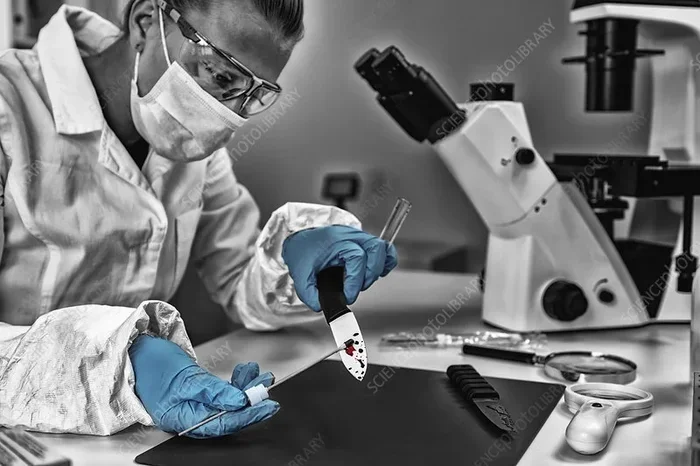
Becoming a forensic scientist requires a strong foundation in science, starting with a bachelor’s degree in forensic science or a related field. Most professionals pursue additional education, such as a master’s degree or specialized certifications, to advance their careers. This guide covers every step of the education needed to be a forensic scientist, from high school prep to job outlook.
Have you ever wondered what it takes to solve crimes using science? The answer starts with the right education. The education needed to be a forensic scientist is pretty specific. You need a solid background in natural sciences, analytical thinking, and lab skills.
This guide walks you through every step. Whether you are a high school student exploring options or a career changer looking for a new path, you will find everything you need here. We will cover degrees, certifications, specializations, and what employers really want.
Forensic science is one of the most exciting careers in the criminal justice field. It combines laboratory work with real-world problem solving. And the good news? The path to getting there is clearer than you might think.
Key Takeaways
- Bachelor’s Degree Required: A bachelor’s in forensic science, chemistry, or biology is the minimum education needed to enter the field.
- Advanced Degrees Help: A master’s degree opens doors to higher-paying and specialized forensic science roles.
- Certifications Matter: Earning professional certifications boosts credibility and career prospects.
- High School Prep Counts: Taking chemistry, biology, and math early sets a strong foundation.
- Internships Are Key: Hands-on lab experience during school gives a major career advantage.
- Strong Job Outlook: Demand for forensic scientists is growing steadily through 2032.
- Multiple Career Paths: Forensic science offers diverse specializations, from DNA analysis to digital forensics.
📑 Table of Contents
- What Does a Forensic Scientist Do?
- High School Preparation for Forensic Science
- Bachelor’s Degree in Forensic Science
- Master’s Degree and Advanced Education
- Certifications and Continuing Education
- Career Outlook and Salary Expectations
- Common Mistakes to Avoid When Pursuing This Career
- Final Thoughts
What Does a Forensic Scientist Do?
Before diving into education, let us quickly understand the job. A forensic scientist analyzes physical evidence from crime scenes. This can include DNA samples, fingerprints, blood spatter patterns, and digital data. The work happens mostly in a lab, but it also involves testifying in court and collaborating with law enforcement.
Here are some common tasks forensic scientists handle:
- Collecting and preserving physical evidence
- Running DNA and toxicology tests
- Analyzing digital files and electronic devices
- Preparing detailed reports for legal proceedings
- Testifying as an expert witness in court
The role demands precision, patience, and strong analytical skills. It is not just about watching crime shows. Real forensic work is methodical, detailed, and deeply rooted in science.
High School Preparation for Forensic Science
You might think high school is too early to plan a career in forensic science. But it is actually the perfect time to start building a strong base. The right courses in high school make college-level science classes much easier.
Focus on these subjects during your high school years:
- Chemistry: This is the backbone of forensic analysis. Understanding chemical reactions helps you interpret lab results.
- Biology: DNA, cells, and genetics play a huge role in modern forensics.
- Mathematics and Statistics: You need strong math skills for data analysis and lab calculations.
- English and Communication: Writing clear reports and presenting findings is a big part of the job.
Beyond coursework, look for science clubs, volunteer opportunities, or part-time jobs in labs. Even reading books about forensic methods can spark curiosity and build early knowledge. Some students also explore educational similes to make complex science concepts easier to remember and explain.
Tips for High School Students
Start small but stay consistent. Join a science club or participate in a science fair project related to crime scene investigation. These experiences look great on college applications and give you a head start.
Bachelor’s Degree in Forensic Science
This is the most important step in your journey. Almost every forensic scientist position requires at least a bachelor’s degree in forensic science or a closely related field. Most programs take four years to complete and combine classroom learning with hands-on lab work.
Here are popular degree options for aspiring forensic scientists:
- Forensic Science: The most direct path. Covers DNA analysis, toxicology, criminalistics, and crime scene investigation.
- Chemistry: A great alternative. Forensic labs heavily rely on chemical analysis skills.
- Biology: Ideal for those interested in DNA profiling and biological evidence.
- Biochemistry: Combines biology and chemistry for a well-rounded scientific foundation.
- Criminal Justice with a Science Focus: Good for those interested in the legal side of forensics.
When choosing a program, look for accreditation from the Forensic Science Education Programs Accreditation Commission (FEPAC). Accredited programs meet high standards and are respected by employers. During your undergraduate years, try to secure an internship at a crime lab or law enforcement agency. Real-world experience is invaluable.
Many students also explore educational metaphors to better understand complex scientific relationships and processes. This kind of creative learning can make tough material stick.
What to Expect in a Forensic Science Program
A typical bachelor’s program includes courses in organic chemistry, molecular biology, criminal law, and evidence handling. You will spend a lot of time in the lab running tests and analyzing samples. Most programs also require a capstone project or thesis in your final year.
| Course Type | Example Courses | Why It Matters |
|---|---|---|
| Chemistry | Organic Chemistry, Analytical Chemistry, Toxicology | Forms the core of lab-based forensic analysis |
| Biology | Molecular Biology, Genetics, Microbiology | Essential for DNA and biological evidence work |
| Criminal Justice | Criminal Law, Evidence Handling, Ethics | Teaches the legal framework for forensic work |
| Lab Techniques | Microscopy, Chromatography, Spectroscopy | Builds hands-on analytical skills |
| Digital Forensics | Data Recovery, Network Analysis | Growing field with high demand |
Master’s Degree and Advanced Education
While a bachelor’s degree gets you in the door, a master’s degree in forensic science can significantly boost your career. Many senior forensic scientists and lab directors hold advanced degrees. If you want to specialize or move into research, a master’s is almost essential.
A master’s program typically takes two years and allows you to focus on a specific area. Common specializations include:
- Forensic Pathology: Studying the causes and manner of death through autopsies and medical analysis.
- Digital Forensics: Recovering and analyzing electronic evidence from computers, phones, and networks.
- Forensic Toxicology: Testing for drugs, poisons, and chemicals in biological samples.
- Forensic DNA Analysis: Advanced techniques for profiling and interpreting genetic evidence.
- Criminalistics: The broad study of physical evidence and its role in criminal investigations.
Some professionals also pursue a PhD in forensic science if they want to teach at the university level or lead major research projects. Advanced degrees are especially valuable for those aiming for leadership roles in crime labs or academic positions.
For those interested in expanding their vocabulary and communication skills in scientific settings, exploring educational idioms can be surprisingly helpful. Clear communication is critical when presenting complex forensic findings to non-scientists.
Online vs. On-Campus Programs
Many universities now offer online forensic science degrees at both the bachelor’s and master’s levels. Online programs offer flexibility for working professionals. However, hands-on lab components are essential in forensic science, so make sure any online program includes practical lab experiences or in-person intensives.
Certifications and Continuing Education
Education does not stop after you earn your degree. The forensic science field evolves rapidly with new technologies and methods. Staying current requires ongoing learning and professional development.
Several organizations offer certifications that validate your expertise. Here are the most recognized ones:
- American Board of Criminalistics (ABC): Offers board certification in several forensic specialties. This is one of the most respected credentials in the field.
- International Association for Identification (IAI): Provides certifications in areas like latent print examination and crime scene investigation.
- American Board of Forensic Toxicology (ABFT): For those specializing in toxicology and drug analysis.
- Digital Forensics Certifications: Organizations like GIAC and EnCE offer credentials for digital forensic analysts.
Certifications demonstrate your commitment to the profession. They also help you stand out when applying for jobs or promotions. Many employers prefer or require specific certifications for certain roles.
Continuing Education Opportunities
Attend conferences, workshops, and webinars to stay updated on the latest forensic techniques. Many crime labs offer in-house training programs as well. Reading professional journals like the Journal of Forensic Sciences keeps you informed about new research and methods.
Career Outlook and Salary Expectations
Now for the exciting part: what can you expect after all that education? The job outlook for forensic scientists is strong. The Bureau of Labor Statistics projects steady growth in forensic science technician roles through 2032. Demand is driven by increasing reliance on scientific evidence in criminal cases.
Here is a quick look at what to expect:
- Entry-Level Salary: Around $45,000 to $55,000 per year for those with a bachelor’s degree.
- Mid-Career Salary: $65,000 to $85,000 with several years of experience and possibly a master’s degree.
- Senior or Specialized Roles: $90,000 to $120,000+ for lab directors, expert witnesses, or those with advanced certifications.
Salaries vary by location, employer, and specialization. Federal agencies like the FBI typically pay more than state or local crime labs. Digital forensics and forensic pathology tend to offer the highest earning potential.
Keep in mind that the education needed to be a forensic scientist is an investment. The payoff comes in job stability, intellectual challenge, and the satisfaction of contributing to justice.
Where Forensic Scientists Work
Forensic scientists find employment in a variety of settings. Crime laboratories at the local, state, and federal levels are the most common employers. Hospitals and medical examiner offices hire forensic pathologists and toxicologists. Universities employ forensic scientists as professors and researchers. Private consulting firms also offer opportunities for experienced professionals.
Common Mistakes to Avoid When Pursuing This Career
Here are some pitfalls that aspiring forensic scientists should watch out for:
- Skipping Chemistry and Biology: These subjects are non-negotiable. Without a strong science foundation, you will struggle in both college and the lab.
- Ignoring Communication Skills: Forensic scientists must write clear reports and speak confidently in court. Do not neglect your writing and public speaking abilities.
- Choosing an Unaccredited Program: Always verify that your program is accredited. Degrees from unaccredited schools may not be recognized by employers.
- Waiting for Internships: Start looking for internship opportunities early. Many competitive programs fill their spots a year in advance.
- Stopping Education After the Bachelor’s: The field is becoming more competitive. Advanced degrees and certifications give you a real edge.
Final Thoughts
The path to becoming a forensic scientist is challenging but incredibly rewarding. The education needed to be a forensic scientist starts in high school with science and math courses and continues through a bachelor’s degree at minimum. Many professionals go on to earn master’s degrees and certifications to advance their careers.
What makes this career so fulfilling is the direct impact it has on justice. Every test you run, every report you write, and every court testimony you give helps tell the story of what really happened. If you love science and want to make a difference, forensic science could be the perfect career for you.
Start planning your educational path today. Choose the right courses, find a good program, and gain as much hands-on experience as you can. The world of forensic science is waiting for you.
Frequently Asked Questions
What degree do you need to be a forensic scientist?
A bachelor’s degree in forensic science, chemistry, biology, or a related field is the minimum requirement. Many professionals go on to earn a master’s degree for advanced roles and higher salaries.
How long does it take to become a forensic scientist?
It typically takes four years to earn a bachelor’s degree. Adding a master’s degree extends the timeline by two more years. Internships and certifications may add additional time but are well worth the effort.
Is forensic science a good career choice?
Yes, forensic science offers strong job growth, competitive salaries, and the satisfaction of contributing to criminal justice. The demand for skilled forensic analysts continues to rise across the country.
Do forensic scientists need certifications?
Certifications are not always required but are highly recommended. They validate your expertise and make you more competitive in the job market. Organizations like the American Board of Criminalistics offer well-recognized credentials.
Can you become a forensic scientist with a biology degree?
Absolutely. A biology degree provides an excellent foundation for forensic work, especially in DNA analysis and biological evidence. You may want to supplement it with forensic-specific coursework or a master’s degree.
What is the difference between a forensic scientist and a crime scene investigator?
A forensic scientist primarily works in a lab analyzing evidence. A crime scene investigator collects evidence at the scene. Both roles are essential, but they require different training and skill sets.
=== CONCLUSION ===
The education needed to be a forensic scientist is a journey that starts with curiosity and a love for science. From high school chemistry classes to advanced lab certifications, every step builds the skills you need to succeed. Whether you choose a bachelor’s degree in forensic science or a related field like biology or chemistry, the key is to stay committed to learning and hands-on practice.
Certifications and continuing education keep your skills sharp in a rapidly evolving field. And with a strong job outlook and meaningful work, the effort pays off in every way. Start your path today, and you could be the next forensic scientist helping to solve the most critical cases of our time.


