
The federal government spends hundreds of billions of dollars on education annually, covering everything from K-12 schools to college aid. Most of this money flows through programs like Title I, Pell Grants, and other federal education initiatives. Understanding where this funding goes helps taxpayers and students see the bigger picture of how the government supports learning across the country.
When we talk about how much does the federal government spend on education, the numbers can be staggering. Every year, the U.S. government sets aside hundreds of billions of dollars to support schools, students, and educational programs nationwide. This funding touches everything from kindergarten classrooms to college financial aid offices.
Understanding federal education spending matters for taxpayers, educators, and students alike. It shapes the quality of schools, the availability of grants, and the future of American education. In this article, we break down the budget, explore where the money goes, and look at the trends shaping federal education funding today.
Key Takeaways
- Massive Budget: The federal government allocates over $100 billion annually for education-related spending across multiple departments.
- K-12 and Higher Ed: Funding supports both primary and secondary schools, as well as college financial aid programs.
- Targeted Programs: Programs like Title I and Pell Grants direct money to underserved students and families in need.
- Growing Trend: Federal education spending has steadily increased over the past two decades.
- State and Local Match: Federal funding is only a portion of total education spending, with states and districts covering the bulk.
- Policy Impact: Changes in federal education policy directly affect how much money flows to schools and students.
📑 Table of Contents
The Federal Education Budget at a Glance
The federal government spend on education is spread across many agencies and departments. The Department of Education handles the lion’s share, but other agencies also contribute. Together, these funds support a wide range of educational activities.
What’s Included in the Education Budget?
The education budget covers several categories. These include direct grants to schools, student financial aid, research funding, and vocational training programs. Some money also goes toward special education initiatives and technology upgrades in classrooms.
Here is a simple breakdown of where the money typically lands:
- K-12 School Grants: Money sent directly to public schools, especially those serving low-income communities.
- Student Financial Aid: Grants, loans, and work-study programs for college students.
- Special Education: Funding for students with disabilities through IDEA and similar programs.
- Research and Innovation: Grants for educational research and STEM programs.
- Vocational and Career Training: Programs that prepare students for trades and technical careers.
The total federal education budget fluctuates each year based on congressional appropriations and national priorities. In recent years, the number has hovered around $100 billion to $150 billion when you include all education-related spending across the federal government.
Where Does the Money Actually Go?
Breaking down the federal government spend on education by destination helps us understand the real impact. The money does not just sit in one pile. It flows through many channels to reach students and schools in different ways.
K-12 Education Funding
A significant portion of federal education dollars goes to primary and secondary schools. The Department of Education distributes billions to states and school districts through grant programs. These grants help fund teacher salaries, classroom supplies, and school infrastructure.
The largest K-12 program is Title I, which targets schools with high percentages of low-income students. Title I aims to close achievement gaps and give every child a fair shot at a quality education. Without this funding, many schools would struggle to provide basic resources.
Another key program is IDEA, which supports special education services. Federal law requires schools to provide free appropriate public education to students with disabilities. The federal government helps cover the extra costs associated with these services.
Higher Education Funding
Federal spending on higher education is equally important. The government provides billions in financial aid to college students each year. This includes Pell Grants, federal student loans, and work-study opportunities.
Pell Grants deserve special mention. These grants do not need to be repaid, making them a lifeline for low-income students. The maximum Pell Grant award has grown over the years, but it still does not cover the full cost of attending many colleges. Students often need to supplement grants with loans or personal savings.
Federal loans also play a huge role. Direct Subsidized and Unsubsidized Loans help millions of students pay for college each year. These loans offer lower interest rates and flexible repayment options compared to private loans.
Key Federal Education Programs and Grants
The federal government runs dozens of programs aimed at improving education outcomes. Each program serves a specific purpose and targets a particular group of students or schools. Understanding these programs helps us see the full picture of education funding at the federal level.
Title I: Supporting High-Poverty Schools
Title I is the cornerstone of federal K-12 funding. It provides supplemental money to schools where a large share of students come from low-income families. The goal is simple but powerful: ensure that poverty does not determine a child’s educational opportunities.
Schools use Title I funds for many purposes. They might hire additional teachers, extend learning time, or purchase instructional materials. The flexibility allows schools to address their unique needs and challenges.
Pell Grants and Student Aid
Pell Grants represent one of the most impactful forms of federal aid to education. In a typical year, millions of students receive Pell Grants to help pay for college. The program is need-based, meaning it targets students with the lowest family incomes.
Beyond Pell Grants, the federal government offers several other aid programs. Federal Work-Study provides part-time jobs for students with financial need. Supplemental Educational Opportunity Grants (SEOG) offer additional funding for the neediest students. Together, these programs form a safety net that keeps college accessible.
When you look at the language used in education policy, you will notice terms like “achievement gap,” “equity,” and “access.” These words carry deep meaning in the context of federal education programs. For anyone interested in the cultural side of education, exploring Idioms for Education reveals how deeply embedded education language is in everyday speech.
Other Notable Programs
Several other programs deserve attention. The Individuals with Disabilities Education Act (IDEA) ensures students with disabilities receive appropriate services. The Career and Technical Education (CTE) fund supports vocational training. The National School Lunch Program, while not purely educational, directly impacts student readiness and attendance.
Each of these programs plays a vital role. They address different aspects of the education system and work together to support students from all backgrounds.
How Federal Education Spending Compares to Other Government Spending
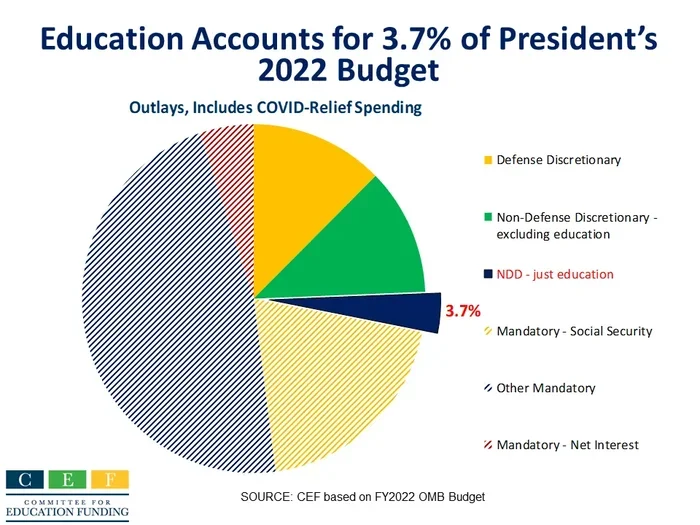
To put how much does the federal government spend on education in perspective, it helps to compare it to other budget categories. Education is a significant priority, but it competes with defense, healthcare, and infrastructure for federal dollars.
In the overall federal budget, education spending represents a relatively small percentage. Defense and social security typically take up much larger shares. However, education funding still amounts to hundreds of billions of dollars, which is a massive investment in the nation’s future.
State and local governments actually spend far more on education than the federal government. Combined, state and local spending on K-12 education dwarfs federal contributions. The federal role is more about supplementing and targeting support rather than leading the way.
This distribution matters because it shows that education is a shared responsibility. The federal government sets broad policy goals and provides targeted funding, while states and districts manage day-to-day operations and most of the spending.
Recent Trends in Federal Education Funding
The landscape of federal government spend on education has changed over time. Several trends shape current and future funding patterns.
First, federal education spending has generally trended upward over the past two decades. More money has flowed into programs like Title I and Pell Grants as the government recognizes the importance of education investment. However, this growth has not always kept pace with rising costs.
Second, there is growing focus on equity and access. Programs targeting underserved communities have received increased attention. The idea is simple: direct resources where they are needed most to close gaps in opportunity and outcomes.
Third, technology and digital learning have become a bigger part of the funding conversation. Federal grants now support classroom technology, internet access, and digital literacy programs. The COVID-19 pandemic accelerated this shift, with emergency funding flowing to schools for remote learning tools.
When we compare different approaches to expressing ideas in education, language matters. Consider how a simile for education can make complex ideas feel relatable. Similarly, a metaphor for education can inspire fresh thinking about funding and policy.
The Future of Federal Education Spending
Looking ahead, the future of federal education funding will likely be shaped by several factors. Political priorities, economic conditions, and public demand all play a role in determining how much money flows to education.
One major question is whether federal spending on education will continue to grow. Many policymakers argue that increased investment is essential for competing in a global economy. Others push for more efficient use of existing funds rather than simply increasing the budget.
Technology will likely drive new spending priorities. Artificial intelligence in education, personalized learning platforms, and expanded broadband access all require investment. The federal government has a role to play in ensuring these tools reach all students, not just those in wealthy districts.
Equity will remain a central theme. Federal programs will continue to target resources toward underserved communities. The goal is to create a system where every child, regardless of background, has access to quality education.
Finally, the relationship between federal, state, and local funding will evolve. Coordination across levels of government is essential for maximizing the impact of every education dollar. When all partners work together, students and schools benefit the most.
Key Takeaways
- Massive Investment: The federal government allocates over $100 billion each year for education, making it a significant national priority.
- K-12 and Higher Ed: Funding supports both primary and secondary schools through grants like Title I, as well as college financial aid through Pell Grants and federal loans.
- Targeted Support: Programs like Title I and Pell Grants direct resources to underserved students and schools that need them most.
- Growing Focus on Equity: Recent trends emphasize closing achievement gaps and expanding access to quality education for all students.
- Technology and Innovation: Federal funding increasingly supports digital learning tools, broadband access, and modern classroom technology.
- Shared Responsibility: While federal spending is substantial, state and local governments contribute the majority of education funding overall.
- Bright Future Ahead: As education needs evolve, federal spending will adapt to address new challenges and opportunities in American schools.
Conclusion
The answer to how much does the federal government spend on education is clear: hundreds of billions of dollars each year. This funding supports millions of students, thousands of schools, and countless educational programs across the country. From Title I grants to Pell Grants, federal money plays a vital role in shaping the American education landscape.
While federal spending is only part of the total education funding picture, its impact is enormous. It targets resources where they are needed most, supports students from low-income families, and drives innovation in teaching and learning. As education challenges continue to evolve, federal investment will remain a cornerstone of progress.
Understanding where this money comes from and how it is used empowers us all. Whether you are a taxpayer, a teacher, or a student, knowing the facts about federal education spending helps you engage in meaningful conversations about the future of American education.
Frequently Asked Questions
How much does the federal government spend on education annually?
The federal government spends over $100 billion on education each year. This includes funding for K-12 schools, higher education financial aid, special education, and various educational programs. The exact amount varies from year to year based on congressional appropriations and national priorities.
What is the largest federal education program?
Title I is the largest federal K-12 education program. It provides supplemental funding to schools with high percentages of low-income students. At the higher education level, Pell Grants represent the single largest source of federal student aid, helping millions of students pay for college each year.
Does the federal government fund K-12 schools directly?
The federal government does not fund K-12 schools directly in most cases. Instead, it provides grants to states and school districts. These funds are then distributed to individual schools based on need and eligibility criteria. Federal funding typically makes up about 8-10% of total K-12 spending nationwide.
How has federal education spending changed over time?
Federal education spending has generally increased over the past two decades. More money has flowed into programs targeting underserved students and schools. However, the rate of growth has varied, and federal funding still represents a smaller share of total education spending compared to state and local contributions.
What role does the Department of Education play in federal education spending?
The Department of Education oversees the distribution of most federal education funds. It administers grant programs, manages student financial aid, and enforces federal education laws. The department also collects data on education outcomes and works to improve the effectiveness of federal programs.
Can federal education funding be used for technology and digital learning?
Yes, federal education funding can support technology and digital learning initiatives. Grants are available for classroom technology, internet connectivity, and digital literacy programs. The federal government has increasingly prioritized these areas, especially since the shift to remote learning during the COVID-19 pandemic.


