
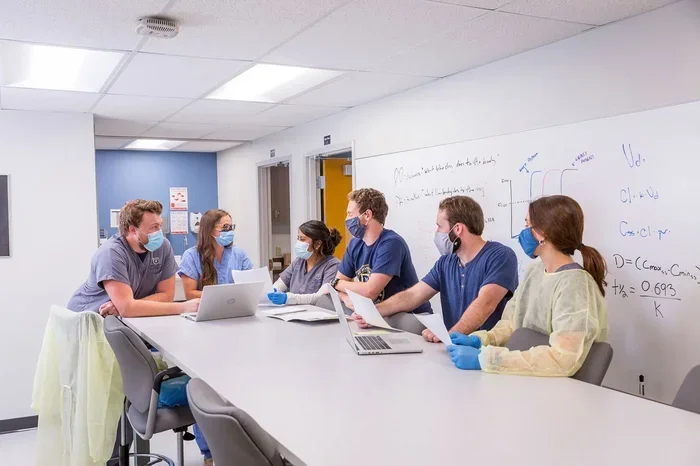
To become a physician assistant, you must earn a master’s degree from an accredited PA program after completing a bachelor’s degree and pre-med courses. The journey includes clinical rotations, national certification through the PANCE exam, and state licensure. This guide covers every step of physician assistant education so you can plan your healthcare career with confidence.
Choosing a healthcare career is one of the most rewarding decisions you can make. If you have been asking yourself what education do you need to be a physician assistant, you are in the right place. The path to becoming a physician assistant is structured, challenging, and deeply fulfilling. It combines classroom learning with hands-on patient care from day one.
The physician assistant profession sits at the heart of modern healthcare. PAs work alongside doctors, surgeons, and other medical professionals to diagnose illnesses, treat patients, and save lives. But before you can step into that role, you need the right education and training. This guide breaks down every step of the journey.
The language of education is filled with idioms for education that capture the spirit of learning and growth. Similarly, the journey through physician assistant education is full of vivid expressions that describe the hard work and dedication required. Understanding this journey starts with knowing the educational requirements inside and out.
Key Takeaways
- Master’s Degree Required: A master’s degree from an accredited physician assistant program is the minimum education needed to practice as a PA.
- Bachelor’s Degree First: Most PA programs require a bachelor’s degree with pre-med coursework before you can apply.
- Clinical Hours Matter: Gathering hands-on clinical experience strengthens your PA school application significantly.
- Certification Is Mandatory: Passing the PANCE exam is required to earn your PA-C credential and practice legally.
- State Licensure Follows: Each state has specific licensing requirements beyond national certification.
- Strong Career Outlook: The healthcare workforce needs more physician assistants, making this a promising and stable career choice.
📑 Table of Contents
What Education Do You Need To Be A Physician Assistant
The core answer to what education do you need to be a physician assistant is straightforward: a master’s degree from an accredited PA program. However, the road to that degree involves several important steps. Each step builds on the last, creating a strong foundation for your career in healthcare.
Many metaphors for education compare the learning journey to climbing a mountain or building a strong foundation. This is especially true for physician assistant education. Every layer of learning prepares you for the next challenge ahead.
Bachelor’s Degree Requirements
Before you can enter a physician assistant program, you need a solid undergraduate foundation. Most PA schools require applicants to hold a bachelor’s degree from an accredited institution. There is no specific major required, but science-heavy fields like biology, chemistry, and health sciences are popular choices among aspiring PAs.
During your undergraduate years, you will take a variety of courses that build your knowledge base. These classes prepare you for the rigorous graduate-level work ahead. The typical bachelor’s degree takes four years to complete if you attend full-time. Many students choose to complete their degree while also gaining healthcare experience. This dual approach strengthens your application and gives you a realistic view of the profession. The bachelor’s degree is the essential first step on your path to becoming a PA.
Pre-Requisite Courses
Every physician assistant program has specific pre-requisite courses that applicants must complete. These courses ensure you have the foundational knowledge needed for graduate-level medical training. Common pre-requisites include biology, anatomy, physiology, chemistry, and microbiology.
Most programs also require coursework in statistics, psychology, and medical terminology. The exact requirements vary from one PA program to another, so you should check each school’s guidelines carefully. Taking these courses seriously and earning strong grades will boost your application significantly.
Some students complete their pre-requisites as part of their bachelor’s degree, while others take additional courses after graduation. Either approach works, but planning ahead saves time and money. Strong performance in pre-med courses signals to admissions committees that you are ready for the challenge of a graduate-level physician assistant program.
How to Get Into PA School
Getting into a physician assistant program is competitive. Admission committees look for more than just good grades. They want to see a well-rounded candidate who is passionate about patient care and committed to the healthcare profession.
GPA and Test Scores
Your grade point average matters a great deal when applying to PA school. Most accredited programs expect a minimum GPA of 3.0, but competitive applicants often have GPAs above 3.5. Your science GPA is especially important because it reflects your ability to handle medical coursework.
While the GRE is no longer required by most programs, strong academic performance throughout college still carries weight. Some schools may also consider other standardized tests or supplemental materials. Focus on maintaining excellent grades in all your pre-requisite courses. A high GPA demonstrates your ability to handle the demanding curriculum of a graduate program.
Clinical Experience Requirements
One of the most important parts of your application is hands-on clinical experience. PA programs want to see that you understand what healthcare work really involves. This experience can come from working as an EMT, medical assistant, phlebotomist, or in a hospital setting.
Most programs require anywhere from 200 to 3,000 hours of clinical experience before applying. The more experience you have, the stronger your application will be. This time spent in healthcare settings also helps you confirm that the profession is right for you. Clinical experience teaches you valuable skills like patient communication, teamwork, and time management. Admissions committees look for candidates who show genuine commitment to helping others and delivering quality patient care.
What to Expect in a Physician Assistant Program
Once you are accepted into a physician assistant program, you will embark on an intense and rewarding educational journey. The typical PA program lasts about 27 months, or roughly three academic years. It is designed to immerse you fully in medical training and prepare you for real-world practice.
Classroom Learning
The first phase of physician assistant education focuses heavily on classroom instruction. You will study subjects like anatomy, pharmacology, medical ethics, and pathophysiology. These courses build the scientific foundation that every PA needs to succeed in clinical settings.
Classroom learning also covers diagnostic skills and patient assessment techniques. You will learn how to take medical histories, perform physical exams, and interpret lab results. The coursework is demanding but incredibly rewarding. Many programs use case-based learning, where you work through real-world medical scenarios. This approach helps you connect theory with practice from the very beginning. You will also participate in group discussions and hands-on simulations that mirror real clinical situations.
Clinical Rotations
After completing the classroom portion, you will move into clinical rotations. These rotations place you in real healthcare settings, such as hospitals, clinics, and private practices. You will work directly with patients under the supervision of licensed physicians.
Clinical rotations cover a wide range of medical specialties. You might spend time in surgery, pediatrics, emergency medicine, obstetrics, and psychiatry. Each rotation gives you exposure to different types of patient care and medical environments. Healthcare professionals often use similes for education to describe the comparison between classroom learning and hands-on patient care. The clinical experience is where you truly develop your skills as a future PA. You will learn how to work as part of a medical team, communicate with patients, and make informed decisions under pressure. This hands-on training is invaluable and prepares you for the responsibilities of everyday practice.
Licensure and Certification
After you complete your physician assistant program, the next step is earning your license and certification. This process ensures that you meet the national standards for practicing as a PA. The healthcare workforce depends on certified professionals who meet rigorous benchmarks.
To become certified, you must pass the Physician Assistant National Certifying Exam, known as the PANCE. This exam tests your knowledge of medical and surgical concepts. Once you pass, you earn the PA-C credential, which stands for Physician Assistant-Certified. This certification is recognized nationwide and is required in all states.
Each state has its own licensing board with specific requirements. Most states require you to complete continuing medical education hours to maintain your license. Staying current with medical advancements is essential throughout your career. The licensure process can feel overwhelming, but it is a natural next step after graduation. Your PA program will prepare you well for the PANCE and for the responsibilities that come with state licensure.
Career Outlook and Opportunities
The demand for physician assistants in the healthcare workforce continues to grow. As the population ages and healthcare needs expand, more PAs are needed to deliver quality patient care. This makes physician assistant education a smart investment in your future.
PAs work in a wide variety of settings, including hospitals, outpatient clinics, surgical centers, and rural health facilities. Some physician assistants specialize in areas like dermatology, cardiology, or emergency medicine. The flexibility of this profession is one of its biggest advantages. You can switch specialties or settings throughout your career without starting over.
According to the Bureau of Labor Statistics, employment for physician assistants is projected to grow much faster than the average for all occupations. This strong outlook reflects the critical role PAs play in the healthcare system. Many physician assistants also pursue additional certifications or specializations throughout their careers. Continuing education opens doors to advanced practice roles and leadership positions. The journey does not end with your degree; it is just the beginning.
The Cost of Physician Assistant Education
Pursuing a physician assistant education requires a significant financial investment. Tuition for PA programs typically ranges from $70,000 to $150,000, depending on the school and whether it is a public or private institution. Understanding the costs upfront helps you plan your finances wisely and avoid unnecessary stress.
Many students rely on federal student loans, scholarships, and grants to fund their education. Some employers also offer tuition reimbursement for healthcare workers pursuing advanced degrees. Researching financial aid options early can make a big difference in managing the overall cost. Do not let the price tag discourage you from pursuing this rewarding career path.
Return on Investment
Despite the high upfront cost, the return on investment for PA education is strong. Physician assistants enjoy competitive salaries, with the median annual wage exceeding $120,000. The combination of job stability, good pay, and meaningful work makes the investment worthwhile. Many graduates find that their earning potential grows as they gain experience and specialize in specific areas of medicine.
Tips for Success in Physician Assistant Education
Succeeding in a physician assistant program requires dedication, discipline, and effective study habits. Here are some practical tips to help you thrive throughout your journey.
First, stay organized. The volume of information you will need to master is enormous. Use planners, digital tools, and study groups to keep track of assignments and exams. Second, prioritize hands-on practice. The clinical skills you develop during rotations will set you apart. Seek out every opportunity to practice physical exams, patient communication, and medical procedures.
Third, build relationships with your peers and instructors. Networking in the healthcare community opens doors to mentorship, job opportunities, and professional growth. Fourth, take care of your mental and physical health. PA school is demanding, and burnout is real. Make time for exercise, rest, and activities that bring you joy. Finally, never stop asking questions. Curiosity is one of the strongest assets in any healthcare career.
Conclusion
Becoming a physician assistant is a journey that requires years of dedicated study and hands-on training. The education you receive prepares you to make a real difference in the lives of patients every single day. From your undergraduate coursework to your final clinical rotation, each step builds the skills and knowledge you need to succeed.
If you have been wondering what education do you need to be a physician assistant, this guide has given you a clear roadmap. The path is challenging, but the rewards are immense. You will join a growing healthcare profession that values compassion, critical thinking, and excellence in patient care.
Take the first step today. Research PA programs, talk to current students, and start building the foundation for your future. Physician assistant education opens the door to a career that truly matters. The investment in your education today will shape the quality of care you provide for decades to come.
Frequently Asked Questions
How long does it take to become a physician assistant?
Most physician assistant programs take about 27 months to complete, which is roughly three academic years. However, you must first earn a bachelor’s degree, which typically takes four years. So the total timeline from starting college to becoming a licensed PA is usually around seven years. Some students take longer if they work full-time or pursue additional certifications along the way.
Can I become a PA without a science degree?
Yes, you can become a physician assistant without a science degree. Most PA programs do not require a specific major. However, you will need to complete specific pre-requisite courses in biology, chemistry, anatomy, and other sciences regardless of your undergraduate major. Non-science majors may need to take additional courses before applying to a physician assistant program.
What is the PANCE exam?
The PANCE, or Physician Assistant National Certifying Exam, is a comprehensive test that all PA graduates must pass to become certified. It covers medical and surgical content across multiple body systems. Passing the PANCE earns you the PA-C credential, which is required for state licensure and legal practice as a physician assistant.
How much does PA school cost?
The cost of physician assistant education varies widely. Public in-state programs typically cost between $70,000 and $100,000 for the entire program. Private programs can range from $100,000 to $150,000 or more. Many students use federal loans, scholarships, and employer tuition assistance to manage these costs. The strong salary outlook for PAs helps make this investment worthwhile over time.
Do I need healthcare experience before applying to PA school?
Yes, most PA programs require significant healthcare experience before you can apply. This usually ranges from 200 to 3,000 hours of hands-on clinical work. Experience as an EMT, medical assistant, or nursing assistant is commonly accepted. This requirement ensures that applicants understand the realities of patient care before entering a graduate-level program.
What is the difference between a physician assistant and a doctor?
Physician assistants and doctors both provide patient care, but their education and scope of practice differ. Doctors complete a bachelor’s degree, four years of medical school, and several years of residency. PAs complete a bachelor’s degree and a two-to-three-year master’s program. PAs practice medicine under physician supervision, while doctors can practice independently. Both play vital roles in the healthcare workforce.


