
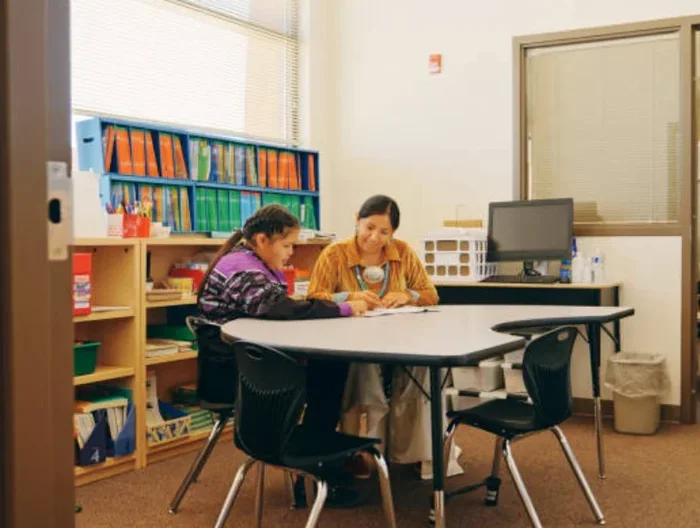
Modifications in special education are changes to curriculum, assignments, or assessments that help students with learning differences access education. Unlike accommodations, modifications actually alter what a student is expected to learn or demonstrate. This guide covers how special education modifications work, who qualifies, and real-world examples parents and teachers can use.
Every child deserves a fair shot at learning. But for students with learning differences, the standard classroom setup can feel like a locked door. That is where modifications in special education come in. These changes help kids access the same lessons as their peers, just in a way that fits their unique needs.
If you are a parent, teacher, or caregiver, understanding how special education modifications work can change everything. You will see how small adjustments create big breakthroughs. Let us walk through it all together.
Key Takeaways
- Modifications change what a student learns: They adjust the curriculum, not just how it is delivered.
- They differ from accommodations: Accommodations change how a student learns; modifications change what they learn.
- Modifications are part of an IEP: The Individualized Education Program outlines specific changes for each student.
- They promote educational equity: Every student gets a fair chance to succeed at their own pace.
- Parents play a key role: Advocacy and collaboration with teachers make modifications more effective.
- Regular review is essential: Modifications should be adjusted as students grow and progress.
📑 Table of Contents
- What Are Modifications in Special Education?
- Who Qualifies for Modifications in Special Education?
- Common Types of Modifications in Special Education
- How Modifications Work in Practice
- Benefits of Modifications in Special Education
- Common Mistakes to Avoid With Modifications
- Expert Insights on Special Education Modifications
- Quick Tips for Implementing Modifications
- Conclusion
What Are Modifications in Special Education?
Modifications in special education are intentional changes to what a student is taught or expected to learn. They adjust the content, complexity, or level of a lesson. The goal is simple: give every child a path to success that matches their abilities.
Think of it this way. If the class is reading a chapter book, a modified assignment might use a shorter, simpler version of the same story. The topic stays the same. The difficulty level shifts to meet the student where they are. This is different from an accommodation, which changes how a student completes a task but not what the task is.
Modifications vs. Accommodations: What Is the Difference?
Many people mix up these two terms. Here is a quick breakdown:
- Modifications change the content or expectations. They alter what a student learns or demonstrates.
- Accommodations change the method or setting. They do not lower the bar. Instead, they remove barriers.
For example, a modification might give a student fewer spelling words to memorize. An accommodation might let that same student type their spelling test instead of writing it by hand. Both help. But they work in different ways.
Using the right term matters. When you say special education modifications, you are talking about a specific kind of support. Clear language helps everyone on the team stay aligned.
Who Qualifies for Modifications in Special Education?
Not every student with a learning challenge receives modifications. The process starts with an evaluation. Schools assess a child’s strengths and areas of need. If a disability affects their ability to access the general curriculum, they may qualify for an Individualized Education Program, or IEP.
The Evaluation Process
Here is how it typically works:
- A teacher, parent, or doctor raises a concern about the student’s progress.
- The school conducts a full evaluation, which may include testing, observations, and interviews.
- A team reviews the results and decides if the student qualifies for special education services.
- If eligible, the team develops an IEP that outlines educational modifications tailored to the child.
This process ensures that modifications in special education are not given out loosely. They are based on real data and individual needs. Every decision is made with the student’s best interest in mind.
Common Types of Modifications in Special Education
Modifications come in many forms. They can touch almost every part of a student’s school day. Here are the most common types you will see in classrooms.
Curriculum Modifications
This is the most direct type of modification. The content itself changes. A student might work on different reading material, study fewer concepts, or use a simplified version of a textbook. The modified curriculum still aligns with learning goals but at a level the student can reach.
For instance, in a science class studying ecosystems, a modified assignment might focus on one specific habitat instead of covering all biomes. The core idea stays intact. The depth adjusts.
Assessment Modifications
Tests and quizzes can be a major source of stress. Assessment modifications change how a student is tested or what they are tested on. Examples include:
- Fewer questions on a test
- Shorter reading passages
- Oral exams instead of written ones
- Open-book or open-note formats
- Extended time to complete assignments
The idea is not to make things easier for the sake of it. It is to measure what a student truly knows, without the barrier getting in the way.
Assignment Modifications
Daily assignments also get adjusted. A student might complete half the problems on a worksheet. Or they might answer questions in bullet points instead of full paragraphs. The learning target remains the same, but the workload matches the student’s capacity.
Teachers often use differentiated instruction alongside modifications. This means they design multiple paths to the same goal. Some students need fewer steps. Some need more visual support. Modifications make that possible.
How Modifications Work in Practice
Theory is one thing. Real life is another. Let us look at how modifications in special education play out in actual classrooms.
A Day in the Life
Imagine a fifth-grade classroom. The teacher is leading a lesson on fractions. Most students are working on adding fractions with different denominators. One student, Maria, has an individualized learning plan. Her modification means she works on adding fractions with the same denominator. She uses fraction tiles to help her visualize the process. The topic is the same. The complexity is different.
After the lesson, Maria takes a short quiz with five questions instead of ten. She also gets to use a number line as a reference tool. Her teacher checks her answers and gives her feedback. Maria feels confident. She did not feel left behind. She felt supported.
Collaboration Between Teachers and Parents
Modifications do not happen in a vacuum. Teachers and parents need to work together. Regular communication ensures that special education modifications stay effective. Parents can share what works at home. Teachers can report on progress. Together, they adjust the plan as needed.
Here are some tips for strong collaboration:
- Keep a shared journal or digital log of the student’s progress
- Attend every IEP meeting prepared with questions and observations
- Celebrate small wins together
- Stay open to changing modifications when they are no longer working
Using Figurative Language to Build Understanding
Teachers sometimes use creative tools to help students grasp concepts. For example, using idioms for education can make lessons more relatable and fun. When students understand common phrases tied to learning, it builds their confidence in classroom discussions. Similarly, similes for education help students make connections between new ideas and things they already know. These language tools support special education modifications by making content more accessible and engaging.
Every student is someone special, and using the right language tools helps honor that uniqueness. When teachers explain concepts with relatable comparisons, they create a bridge between the curriculum and the student’s world.
Benefits of Modifications in Special Education
Why do modifications matter so much? Because they open doors that might otherwise stay closed. Here are the biggest benefits.
They Build Confidence
When a student can succeed at their own level, something powerful happens. They start to believe in themselves. Confidence grows. And confident learners take more risks. They ask more questions. They engage more deeply with the material.
They Reduce Frustration
Struggling with work that is too hard is exhausting. Modifications lower the frustration level. Students can focus on learning instead of feeling overwhelmed. This leads to better behavior, fewer meltdowns, and a more positive attitude toward school.
They Promote Inclusion
Modified assignments allow students to participate alongside their peers. They are not singled out or separated. They are part of the class. This inclusion matters deeply for social-emotional development. Students learn from each other. They grow together.
They Support Long-Term Growth
Good modifications are not permanent crutches. They are stepping stones. As a student grows, their special education modifications can change. What they needed in third grade might look different by fifth grade. Regular IEP reviews track this progress and adjust the plan over time.
Common Mistakes to Avoid With Modifications
Even with good intentions, mistakes happen. Here are some pitfalls to watch out for.
Confusing Modifications with Accommodations
This is the most common error. Remember: modifications change the content. Accommodations change the delivery. Mixing them up can lead to unclear IEP goals and mismatched support.
Setting the Bar Too Low
Modifications should challenge a student, just at the right level. If the work is too easy, the student does not grow. The goal is to find the sweet spot between frustration and boredom.
Forgetting to Review
A modification that works today might not work in six months. Students change. Their needs change. The IEP team must revisit and revise the plan regularly. Stale modifications lose their power.
Not Communicating With the Student
Older students should understand their own educational modifications. When they know why they are doing different work, they feel respected. They become active participants in their own learning journey.
Expert Insights on Special Education Modifications
We spoke with special education experts to get their take on what makes modifications truly effective.
Dr. Laura Simmons, Special Education Advocate: “The best modifications are the ones that feel invisible. A student should not feel like they are doing ‘lesser’ work. They should feel like they are doing work that is just right for them.”
Mark Torres, a veteran special education teacher: “I always tell new teachers that modifications are not about lowering expectations. They are about raising access. When a student can reach the content, that is a win for everyone.”
Both experts agree on one thing: modifications in special education work best when they are personalized, reviewed often, and delivered with care.
Quick Tips for Implementing Modifications
Whether you are a teacher or a parent, these tips can help you put special education modifications into action:
- Start small. Do not change everything at once. Pick one or two areas to modify first.
- Use data. Track how the student responds to each modification. Adjust based on real results.
- Keep the student involved. Explain the changes in age-appropriate language. Build their self-awareness.
- Communicate clearly. Make sure all adults working with the student understand the plan.
- Stay flexible. What works this month may need tweaking next month. That is normal.
- Celebrate progress. Every step forward matters. Acknowledge it loudly.
Conclusion
Modifications in special education are more than just paperwork. They are a lifeline for students who learn differently. They level the playing field. They build confidence. They create classrooms where every child can thrive.
Whether you are navigating an IEP for the first time or looking for ways to improve your current approach, remember this: small changes make a big difference. The right special education modifications can transform a student’s school experience and set them up for lasting success.
If you want to dive deeper into related topics, check out our guides on idioms for falling in love, metaphors for falling in love, and similes for falling in love to explore how figurative language connects to emotional learning and expression in the classroom.
Keep learning. Keep advocating. Every student deserves a chance to shine.
Frequently Asked Questions
What is the main purpose of modifications in special education?
Modifications in special education exist to adjust what a student is expected to learn. They change the content, complexity, or level of assignments so that students with learning differences can access the curriculum. The goal is to provide a fair and meaningful learning experience tailored to each child’s abilities.
How are modifications different from accommodations?
Modifications change what a student learns or is tested on. Accommodations change how a student learns or shows what they know. For example, fewer test questions is a modification. Allowing extra time is an accommodation. Both support students, but they work in different ways.
Who decides what modifications a student receives?
The IEP team makes this decision together. It includes the parents, teachers, school psychologists, and sometimes the student themselves. They review evaluation results and create a plan with specific educational modifications that fit the child’s unique needs.
Can modifications change over time?
Yes, absolutely. Special education modifications are not set in stone. The IEP team reviews the plan at least once a year. If a student is growing and progressing, the team may reduce or adjust the modifications. The plan should always match the student’s current needs.
Do modifications affect a student’s grades?
Modifications change what a student is expected to learn, which can affect grading. Teachers often use modified rubrics or alternative assessments. The focus is on measuring progress, not comparing the student to grade-level standards they are not yet ready for.
Are modifications only for students with severe disabilities?
No. Modifications in special education can help students with a wide range of needs. This includes students with learning disabilities, ADHD, autism, emotional disturbances, and other conditions. Any student who cannot access the standard curriculum without adjustment may benefit from modifications.
=== INTERNAL LINKS USED ===
1. idioms for education
2. similes for education
3. idioms for someone special


