
Martin Luther King Jr education goes far beyond textbooks and classrooms. It represents a powerful vision of equality, justice, and lifelong learning that continues to shape how we teach and learn today. King believed that true education must build character, inspire compassion, and empower every learner regardless of background. His legacy lives on through civil rights education, inclusive teaching practices, and the ongoing pursuit of educational equity for all.
Key Takeaways
- MLK’s education philosophy combined intellectual growth with moral development and social responsibility.
- Martin Luther King Jr education emphasizes equality, critical thinking, and character building in schools.
- His legacy continues to influence how educators teach about civil rights and social justice.
- Modern classrooms honor MLK through inclusive curricula, diversity initiatives, and service-learning projects.
- Educational equity remains a core goal tied to King’s vision of a fair and just society.
- Teaching tolerance and nonviolent values are essential parts of the MLK educational impact.
- King’s dream for education is still a work in progress, requiring ongoing commitment from educators and communities.
📑 Table of Contents
The Life of Martin Luther King Jr and His Vision for Education
Martin Luther King Jr was more than a civil rights leader. He was a thinker, a teacher, and a lifelong learner. His ideas about education shaped the way millions of people see learning today. When we talk about martin luther king jr education, we are talking about a philosophy that blends knowledge with conscience.
King grew up in Atlanta, Georgia, during a time of deep racial segregation. He experienced firsthand how unequal access to learning could limit a person’s life. Despite these challenges, he pursued education with passion and determination. He earned a PhD from Boston University, but his real education came from life itself.
King understood that schooling alone was not enough. He believed that education must serve a higher purpose. It should help people think critically, act with compassion, and stand up for what is right. This vision still drives civil rights education programs across the country today.
Early Life and Educational Background
King entered college at just 15 years old. He studied at Morehouse College, then Crozer Theological Seminary, and finally Boston University. Along the way, he read widely. He studied philosophy, theology, and the ideas of great thinkers like Mahatma Gandhi.
These studies deeply influenced his views on education for all. King saw learning as a tool for liberation. He believed that knowledge without character could be dangerous. This idea remains central to MLK educational philosophy and inspires educators everywhere.
Martin Luther King Jr Education Philosophy
King’s approach to learning was holistic. He did not see education as just memorizing facts. He saw it as a path to personal growth and social change. His philosophy touched on many areas of teaching and learning.
King often spoke about the purpose of education. In one famous essay, he wrote that education must train people to think deeply and act ethically. He warned that intelligence without morals could lead to trouble. This idea is a cornerstone of character education in schools today.
What MLK Believed About Learning
King had a clear vision of what education should do. He believed it should:
- Build critical thinking skills so students can question the world around them.
- Develop moral character and a sense of social responsibility.
- Promote equality by giving every child a fair chance to learn.
- Encourage creativity and the joy of discovery.
- Foster empathy and respect for all people.
These principles are simple but powerful. They remind us that the purpose of education is not just to get good jobs. It is to build a better society. This is why many schools use MLK quotes about education to inspire students every day.
King also believed in nonviolent education. He taught that the way we learn should reflect the values we want to see in the world. Patience, respect, and open-mindedness were part of his vision. Today, many educators use peace education methods inspired by his teachings.
MLK’s Legacy in Modern Education
King’s influence on education is still strong today. His dream of a just and equal society continues to shape educational equity efforts across the nation. Schools, universities, and community organizations all carry forward his vision in different ways.
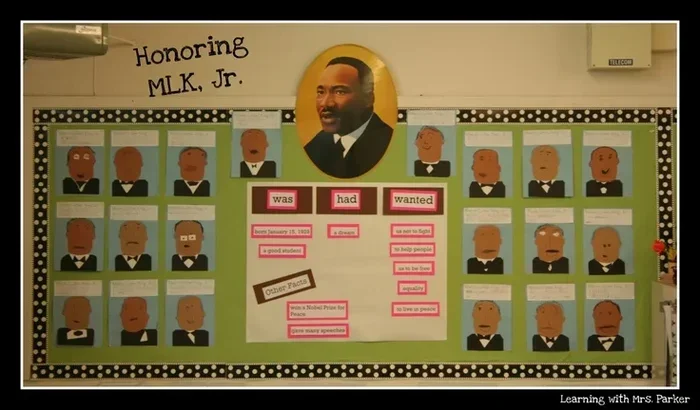
One of the most visible ways is through MLK Day celebrations. On the third Monday of January, schools across the United States hold special programs. Students learn about King’s life, his values, and his fight for justice. These MLK day education activities help keep his memory alive for new generations.
How Schools Honor His Memory
Many schools have built their entire mission around King’s ideals. They focus on diversity in education and inclusive teaching. They create safe spaces where every student feels valued. Some schools even name their buildings after King to honor his contributions.
Teachers also use King’s life as a teaching tool in subjects like history, social studies, and language arts. Students read his speeches, analyze his writings, and discuss his ideas. This approach helps young people understand the civil rights movement education in a personal and meaningful way.
Beyond the classroom, community organizations run service-learning programs inspired by King’s values. Students volunteer in their neighborhoods, tutor younger children, and work on projects that help others. These experiences teach the same lessons King preached: that education must lead to action.
Teaching Martin Luther King Jr Education in the Classroom
If you are a teacher or parent, you might wonder how to bring King’s ideas into the learning space. The good news is that there are many practical ways to do this. You do not need a special curriculum. You just need the right approach.
Activities and Resources
Here are some simple and effective ways to teach martin luther king jr education in any setting:
- Read and discuss King’s speeches. “I Have a Dream” and “Letter from Birmingham Jail” are excellent starting points. They show King’s powerful use of language and his deep commitment to justice.
- Explore figurative language. King was a master of similes for education and metaphors that made his ideas stick. You can teach students how he used metaphors for education to paint vivid pictures and make complex ideas simple and memorable.
- Create art projects. Students can draw, paint, or write about their own dreams for a better world. This connects personal creativity to King’s larger vision.
- Host a class discussion. Ask students what fairness means to them. Compare their ideas to King’s vision of equality and educational opportunity.
- Use primary sources. Show students photographs, letters, and recordings from the civil rights era. These materials make history feel real and alive.
Using figurative language in teaching King’s message is especially powerful. His words were carefully crafted to move hearts and minds. When students understand how he used language, they also learn about the power of words in shaping society.
Quick Tips for Educators
- Start with King’s childhood story. Kids connect better when they see he was once young like them.
- Use age-appropriate materials. Picture books work well for younger students, while older students can handle more complex texts.
- Connect King’s ideas to current events. Show students that the fight for educational equity is still ongoing.
- Encourage students to take action. Even small acts of kindness reflect King’s values.
- Make it interactive. Role-playing, group projects, and debates bring King’s message to life.
The Ongoing Fight for Educational Equity
King never stopped fighting for equality in education. He knew that access to quality learning was a basic human right. Today, many communities still face challenges in providing fair educational opportunities for all students.
Children in low-income areas often attend schools with fewer resources. They may have larger class sizes, outdated materials, and fewer extracurricular programs. These gaps mirror the very inequalities King worked to end. His vision of education for all remains a goal we have not yet fully reached.
Organizations and advocates continue to push for change. They work to close funding gaps, improve teacher training, and expand access to early childhood education. These efforts carry forward the same spirit that drove King’s work in the 1950s and 1960s.
Parents and community members also play a big role. When families get involved in schools, students do better. When communities support inclusive education, everyone benefits. King believed that education was a shared responsibility, and that belief holds true today.
Common Mistakes We Make When Teaching About MLK
It is easy to reduce King’s message to a single holiday or a single speech. But doing so misses the depth of his ideas. Here are some mistakes to avoid:
- Teaching only the “I Have a Dream” speech. King wrote and spoke about many topics beyond that one famous moment. Explore his broader body of work.
- Focusing only on the past. King’s ideas about educational equity and social justice are still relevant today. Connect his message to the present.
- Ignoring his philosophy of nonviolence. King’s commitment to peaceful change was central to his work. It should be part of every lesson.
- Making it a one-day lesson. King’s legacy deserves year-round attention. Integrate his ideas into regular teaching and learning throughout the school year.
Avoiding these mistakes helps students see Martin Luther King Jr education as a living, breathing philosophy. It is not just history. It is a guide for how we can build a better future.
Key Takeaways from King’s Educational Vision
Martin Luther King Jr left us a rich educational legacy. His ideas about learning, character, and justice continue to inspire educators and students alike. Here are the most important lessons we can take from his vision:
Education must serve the whole person. King believed that schools should develop minds and hearts together. Learning is not just about grades. It is about becoming a better human being.
Equality in education is non-negotiable. Every child deserves access to quality learning, regardless of race, income, or background. This principle is at the heart of MLK’s educational philosophy.
Knowledge must be paired with action. King did not just talk about change. He lived it. Education should prepare students to make a positive difference in the world.
Language has power. King’s words moved millions. Teaching students about the power of words and how to use them wisely is a direct extension of his legacy.
Justice starts in the classroom. When we teach children to respect others, to think critically, and to stand up for fairness, we are building the kind of society King dreamed of.
Conclusion
The story of martin luther king jr education is a story of hope, courage, and relentless pursuit of justice. King believed that education could transform individuals and entire communities. His vision of equality, character, and lifelong learning continues to inspire millions around the world.
As we honor his legacy, we must also remember that his work is not finished. Educational equity is still a challenge in many parts of our country. But every teacher, every parent, and every student can carry forward King’s dream in their own way. By teaching with compassion, learning with curiosity, and acting with justice, we keep his vision alive.
King once said, “The function of education is to teach one to think intensively and to think critically.” These words ring true today more than ever. Let us use them as a guide in our classrooms, our homes, and our communities. Martin Luther King Jr education is not just a subject to study. It is a way of life that we can all practice every day.
Frequently Asked Questions
What is Martin Luther King Jr education all about?
Martin Luther King Jr education refers to the philosophy and legacy of King’s views on learning, equality, and character development. It emphasizes that education should build both intellectual ability and moral character. King believed that true learning must lead to a more just and equitable society.
Why is MLK’s educational philosophy still relevant today?
King’s ideas about educational equity, critical thinking, and social responsibility remain deeply relevant. Many schools still struggle with inequality and lack of access. His vision reminds us that education must serve every child, not just a privileged few. His philosophy continues to guide civil rights education and inclusive teaching practices.
How can teachers incorporate MLK’s ideas into their lessons?
Teachers can use King’s speeches, writings, and life story as primary sources in the classroom. They can discuss MLK quotes about education and connect his values to current events. Activities like service learning, group discussions, and creative projects help students engage with his message in meaningful ways.
What role does figurative language play in MLK’s educational legacy?
King was a masterful communicator who used powerful language to inspire change. His use of idioms for education and vivid imagery made complex ideas accessible to everyone. Teaching students about the power of words in King’s speeches helps them understand both language and justice.
What are some common challenges in achieving MLK’s vision for education?
Challenges include funding gaps between schools, unequal access to resources, and systemic barriers that still affect marginalized communities. Some schools also struggle to teach King’s full philosophy beyond surface-level lessons. Overcoming these challenges requires ongoing commitment from educators, families, and policymakers.
How can parents support Martin Luther King Jr education at home?
Parents can read books about King’s life with their children and discuss his values. They can encourage conversations about fairness, empathy, and standing up for others. Simple actions like volunteering together or watching documentaries about the civil rights era reinforce MLK’s educational legacy in everyday life.


