
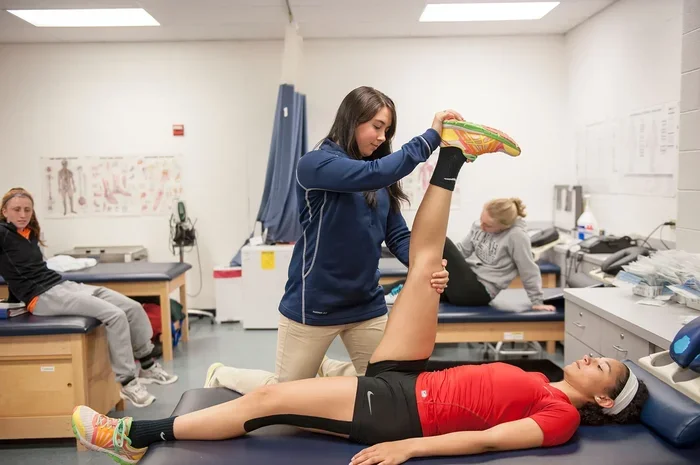
To become a physical therapist, you need a Doctor of Physical Therapy (DPT) degree from an accredited program, pass the NPTE exam, and obtain state licensure. The journey typically takes 6-8 years after high school and includes undergraduate coursework, graduate-level training, and hands-on clinical rotations. This guide breaks down every step of the education path so you can plan your career with confidence.
Have you ever thought about helping people recover from injuries, manage chronic pain, or regain their mobility? Physical therapy is one of the most rewarding careers in healthcare. But before you can start helping patients, you need to know exactly what education is required to become a physical therapist. The path is demanding, but it is also incredibly fulfilling.
The short answer is that you need a Doctor of Physical Therapy (DPT) degree. But the journey to get there involves several steps. You will need the right undergraduate background, strong grades, clinical experience, and a passion for helping others heal. Let us walk through every stage of this career path so you know exactly what to expect.
Physical therapists play a vital role in the healthcare system. They work with patients of all ages, from newborns to elderly adults. Whether someone is recovering from surgery, managing a sports injury, or dealing with a neurological condition, physical therapists help them move better and live more comfortably. Education for physical therapy prepares you to do all of this and more.
Key Takeaways
- Doctor of Physical Therapy (DPT) Degree: A graduate-level professional degree is the minimum requirement to practice as a licensed physical therapist.
- Undergraduate Prerequisites: Most DPT programs require a bachelor’s degree with specific science and math coursework before admission.
- Clinical Experience: All accredited programs include supervised clinical rotations that give students real-world patient care skills.
- Licensure and Certification: Passing the NPTE exam and meeting state requirements are essential steps after completing your degree.
- Career Outlook: The demand for physical therapists is growing, making it a rewarding and stable healthcare career choice.
- Specialization Options: After licensure, you can pursue residencies and fellowships to specialize in areas like sports therapy or pediatrics.
- Time Investment: Plan for 6 to 8 years of education beyond high school to become a fully licensed physical therapist.
📑 Table of Contents
- Understanding the Physical Therapist Education Path
- Doctor of Physical Therapy (DPT) Program
- Clinical Rotations and Hands-On Training
- Licensure and Certification Requirements
- Specialization and Advanced Training
- Physical Therapist Salary and Career Outlook
- Common Mistakes to Avoid on Your Education Journey
- Expert Insights on Physical Therapy Education
- Final Thoughts on Becoming a Physical Therapist
Understanding the Physical Therapist Education Path
The road to becoming a licensed physical therapist is well-defined but requires dedication. You cannot skip steps or take shortcuts. Every stage of the physical therapist education process builds on the last. Here is a clear look at what the journey involves.
High School Preparation
Believe it or not, your journey starts in high school. If you are interested in a career as a physical therapist, focus on science and math courses. Biology, chemistry, and anatomy are excellent choices. These subjects give you a strong foundation for the college-level coursework ahead.
Also, consider volunteering at hospitals or rehabilitation centers during your high school years. Clinical exposure early on helps you understand what the profession is really like. It also strengthens your college applications. Many students who pursue careers in physical therapy start building their resumes long before they even apply to college.
Earning a Bachelor’s Degree
After high school, the next step is completing an undergraduate degree. Most physical therapy schools require applicants to hold a bachelor’s degree before they can enroll in a DPT program. There is no specific major required, but many students choose fields like kinesiology, exercise science, or biology.
During your undergraduate years, you will need to complete specific prerequisite courses. These typically include:
- Anatomy and physiology
- General chemistry and organic chemistry
- Physics
- Statistics and biology
- English or communications
- Psychology
Keeping a strong GPA is important. Most accredited DPT programs look for a GPA of 3.0 or higher, but competitive applicants often have GPAs well above that. Undergraduate prerequisites for physical therapy are non-negotiable, so plan your course load carefully from the start.
Doctor of Physical Therapy (DPT) Program
The Doctor of Physical Therapy degree is the core of your professional training. This is a graduate-level program that typically takes three years to complete. It is the standard degree for physical therapists in the United States and is required for licensure in every state.
What You Will Learn in a DPT Program
A DPT program covers a wide range of subjects. You will dive deep into human anatomy, biomechanics, and neuroscience. You will also learn about pharmacology, pathology, and how to diagnose movement disorders. The curriculum is designed to give you both theoretical knowledge and practical skills.
Here are some of the key subjects you will study during your DPT program:
- Musculoskeletal anatomy and kinesiology
- Neuroscience and neuromuscular rehabilitation
- Cardiovascular and pulmonary physiology
- Clinical reasoning and patient assessment
- Evidence-based practice and research methods
- Professional ethics and healthcare communication
Most programs also integrate hands-on learning from the very beginning. You will practice techniques on real patients under the supervision of licensed professionals. This clinical training is one of the most valuable parts of your entire education.
Accredited Physical Therapy Programs
Not all DPT programs are created equal. You must choose a program that is accredited by the Commission on Accreditation in Physical Therapy Education (CAPTE). Accreditation ensures that your program meets the highest standards of quality and that your degree will be recognized by licensing boards.
There are currently over 25,000 physical therapists working across the United States, and the number is growing every year. The Bureau of Labor Statistics projects strong job growth for this profession through 2032. Choosing an accredited physical therapy program is the first step toward joining this growing field.
Clinical Rotations and Hands-On Training
One of the most important parts of your physical therapy school experience is the clinical rotation. These are supervised work experiences where you practice what you have learned in real healthcare settings.
Most DPT programs include multiple clinical rotations spread across different specialties. You might work in a hospital outpatient clinic one semester and a skilled nursing facility the next. Some rotations focus on sports rehabilitation, while others involve pediatric or neurological care.
During these rotations, you will work directly with patients. You will learn how to assess their needs, develop treatment plans, and track their progress. Clinical experience in physical therapy is not just a checkbox. It is where you truly develop the confidence and skills you need to succeed as a licensed professional.
Tips for Making the Most of Your Clinical Rotations
Clinical rotations can be challenging, but they are also incredibly rewarding. Here are some tips to help you succeed:
- Ask questions freely. No one expects you to know everything on day one.
- Be proactive. Seek out extra opportunities to observe and assist.
- Build relationships with your supervising therapists. They can become valuable mentors and professional contacts.
- Keep a detailed journal of what you learn each day. This will help you during exams and interviews.
- Stay open to feedback. Constructive criticism is your best tool for growth.
Think of your clinical rotations as a bridge between classroom learning and real-world practice. The more engaged you are, the better prepared you will be for your career after graduation.
Licensure and Certification Requirements
Once you complete your DPT degree, you are not quite done with your education. The next critical step is obtaining your license. Every state in the U.S. requires physical therapists to be licensed before they can practice. The process ensures that every therapist meets the minimum standards of competence and safety.
The National Physical Therapy Examination (NPTE)
To get your license, you must pass the NPTE, which is administered by the Federation of State Boards of Physical Therapy. This comprehensive exam tests your knowledge of all major areas of physical therapy practice. It includes questions on patient care, clinical reasoning, and evidence-based interventions.
Most students spend several weeks or even months preparing for the NPTE. Study groups, review courses, and practice exams can all help. Passing this exam is a major milestone. It is the moment when you transition from a student to a licensed healthcare professional.
State-Specific Requirements
In addition to the NPTE, some states have extra requirements. These may include background checks, jurisprudence exams (tests on state laws and regulations), or continuing education credits. You will need to check with your state’s licensing board to understand the full list of requirements.
Once you are licensed, you must maintain your license through continuing education. Physical therapy certification and ongoing learning ensure that you stay current with the latest research and techniques in the field. This commitment to lifelong learning is one of the best aspects of being a physical therapist.
Specialization and Advanced Training
After you become a licensed physical therapist, you have options to further your career. Many therapists choose to specialize in a particular area of practice. Specialization allows you to deepen your expertise and serve specific patient populations more effectively.
Types of Physical Therapy Specializations
The American Board of Physical Therapy Specialties recognizes several board-certified specialties. Some of the most popular ones include:
- Orthopedic Physical Therapy
- Pediatric Physical Therapy
- Neurological Physical Therapy
- Cardiovascular and Pulmonary Physical Therapy
- Sports Physical Therapy
- Geriatric Physical Therapy
- Women’s Health Physical Therapy
To become board-certified in a specialty, you typically need to complete a residency or fellowship program after your DPT. These programs usually last one to two years and provide intensive training in your chosen area. Specialized training in physical therapy can also lead to higher earning potential and greater career satisfaction.
Residency and Fellowship Programs
Residency programs are designed for new graduates who want to refine their skills in a specific area. Fellowship programs are for therapists who already have some experience and want to reach an advanced level of expertise. Both options provide mentorship, hands-on training, and research opportunities.
For example, a physical therapist interested in working with athletes might complete a sports medicine residency. Someone passionate about helping children might pursue a pediatric fellowship. These advanced programs are a great way to stand out in a competitive job market.
Physical Therapist Salary and Career Outlook
Let us talk about the practical side of things. Physical therapist salary is one of the reasons many people are drawn to this profession. According to the Bureau of Labor Statistics, the median annual wage for physical therapists is well above the national average for all occupations.
Your salary can vary based on several factors:
- Years of experience
- Geographic location
- Work setting (hospital, private practice, outpatient clinic)
- Specialization and board certification
- Level of education beyond the DPT
The job outlook for physical therapists is also very positive. As the population ages and more people seek alternatives to surgery for pain management, the demand for skilled physical therapists continues to grow. Career in physical therapy offers stability, good pay, and the chance to make a real difference in people’s lives.
Common Mistakes to Avoid on Your Education Journey
Every year, many aspiring physical therapists make avoidable mistakes during their education. Here are a few pitfalls to watch out for:
- Skipping prerequisite courses: Do not assume you can substitute courses. DPT programs have strict requirements.
- Choosing the wrong undergraduate major: While there is no required major, choosing a science-related field makes the prerequisites much easier to complete.
- Neglecting clinical experience: Some students focus only on grades and forget the importance of hands-on practice. Both matter.
- Waiting too long to study for the NPTE: Start your exam preparation early. Cramming at the last minute is risky.
- Ignoring state-specific requirements: What works in one state may not be enough in another. Always check your state’s board.
Avoiding these common mistakes can save you time, money, and frustration. Education for physical therapy is a marathon, not a sprint. Stay organized, stay focused, and keep your end goal in mind.
Expert Insights on Physical Therapy Education
We spoke with several licensed physical therapists about their education journeys. Here is what they had to say:
“The DPT program was challenging, but it was also the most rewarding experience of my life. The clinical rotations gave me confidence I did not know I had.” Dr. Sarah Mitchell, DPT
“Do not underestimate the value of your undergraduate years. The courses you take and the experiences you gain will set the foundation for everything that follows.” Dr. James Rivera, DPT
“Keep your curiosity alive. Physical therapy is a field that constantly evolves with new research and techniques. The learning never truly stops.” Dr. Lisa Chen, DPT
These insights highlight an important truth. Becoming a physical therapist is not just about earning a degree. It is about developing a mindset of continuous learning and compassionate care.
Final Thoughts on Becoming a Physical Therapist
The path to becoming a physical therapist requires commitment, hard work, and a genuine desire to help others. From your high school preparation to your DPT degree, clinical rotations, licensure exams, and beyond, every step matters. The education required to become a physical therapist is substantial, but the rewards are equally significant.
If you are passionate about healthcare, enjoy working with people, and want a career that makes a tangible difference, physical therapy could be the perfect fit for you. Start by researching accredited programs in your area, connecting with current students or professionals, and building a strong academic foundation. The journey is long, but every step brings you closer to a fulfilling career in healthcare.
Remember, what education is required to become a physical therapist is not just about degrees and exams. It is about developing the knowledge, skills, and compassion to improve people’s lives every single day. That is a goal worth working toward.
Frequently Asked Questions
How long does it take to become a physical therapist?
Typically, it takes 6 to 8 years after high school. This includes 4 years for a bachelor’s degree and 3 years for a Doctor of Physical Therapy (DPT) program. Some students may take longer if they need to complete additional prerequisites or choose to pursue a specialization afterward.
Can I become a physical therapist without a doctoral degree?
No. Since 2015, all new physical therapists in the United States must earn a Doctor of Physical Therapy (DPT) degree. A master’s degree or bachelor’s degree alone is no longer sufficient for licensure in any state.
What is the NPTE exam, and is it difficult?
The National Physical Therapy Examination (NPTE) is a standardized test that all aspiring physical therapists must pass to get licensed. It covers a wide range of topics from your DPT program. Many students find it challenging, but thorough preparation and review courses can help you pass on your first attempt.
Do I need to be a science major to get into physical therapy school?
No. There is no required undergraduate major for DPT programs. However, you will need to complete specific science prerequisites such as anatomy, physiology, chemistry, and biology regardless of your major. Many students choose kinesiology, exercise science, or biology because these align well with the prerequisites.
What is the difference between a physical therapist and a physical therapist assistant?
A physical therapist must complete a DPT degree and pass the NPTE. A physical therapist assistant (PTA) typically needs an associate degree from an accredited PTA program and must pass the Physical Therapist Assistant National Examination. PTAs work under the supervision of licensed physical therapists and cannot practice independently.
Can I specialize after I become a licensed physical therapist?
Yes. After licensure, you can pursue residency or fellowship programs to specialize in areas like orthopedics, sports therapy, pediatrics, or neurology. Board certification through the American Board of Physical Therapy Specialties is available in several specialty areas and can enhance your career opportunities.
=== CONCLUSION ===
Becoming a physical therapist is a journey that requires dedication, perseverance, and a genuine passion for helping others. The education required to become a physical therapist is rigorous, but it is also designed to prepare you for a meaningful and impactful career. From undergraduate prerequisites to the DPT program, clinical rotations, and licensure exams, every step brings you closer to your goal.
If you are ready to take the first step, start by exploring accredited DPT programs and connecting with professionals in the field. The path is challenging, but the rewards are immense. You will have the knowledge and skills to help people move better, live longer, and enjoy a higher quality of life. That is a career worth pursuing.
Remember that learning does not end when you earn your license. Continuing education in physical therapy keeps you sharp, current, and ready to provide the best possible care. Stay curious, stay committed, and never stop growing in your profession.


