
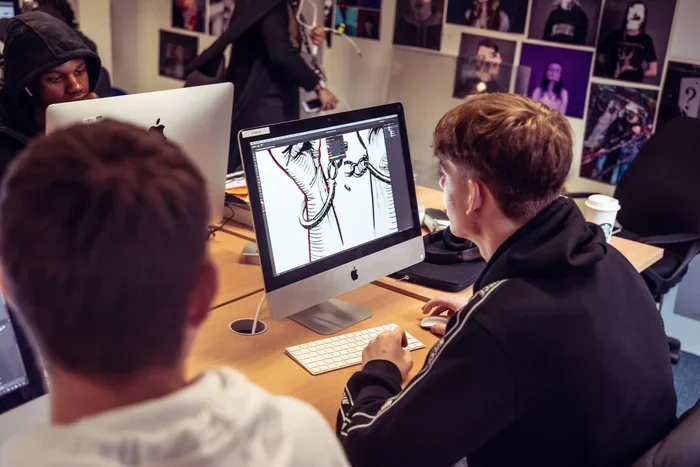
Understanding the education needed for graphic design is the first step toward launching a rewarding creative career. Whether you choose a formal degree, online courses, or self-teaching, the right path depends on your goals and budget. This guide covers every option so you can make a confident decision.
Choosing a path in creative fields can feel overwhelming. You hear about design degrees, bootcamps, and self-taught success stories. But what is the real education needed for graphic design? The truth is simpler than most people think. You do not need a fancy diploma to create stunning visual work. You need the right skills, consistent practice, and a clear learning plan. This guide breaks down every option so you can find the best fit for your life and goals.
Graphic design is everywhere. It is on your phone screen, billboards, book covers, and favorite apps. Companies need talented designers to communicate ideas visually. If you enjoy creativity and problem-solving, this career could be a perfect match. Let us explore how to get there.
Key Takeaways
- Multiple paths exist: You can pursue a bachelor’s degree, associate degree, bootcamps, or teach yourself.
- Core skills matter most: Typography, color theory, and design software knowledge are essential regardless of your route.
- A strong portfolio outweighs credentials: Employers care more about what you can create than what diploma you hold.
- Online learning is flexible and affordable: Many top designers built careers through free and low-cost resources.
- Certifications add value: Adobe certifications and specialized courses boost your credibility.
- Continuous learning is key: Design trends evolve fast, so staying updated keeps you competitive.
📑 Table of Contents
- What Is Graphic Design and Why Does Education Matter?
- Formal Degree Options for Graphic Design
- Alternative Education Paths for Graphic Design
- Essential Skills Every Graphic Designer Needs
- Building a Strong Portfolio
- Certifications That Boost Your Career
- How to Choose the Right Education Path
- Common Mistakes to Avoid When Pursuing Graphic Design Education
- Conclusion
What Is Graphic Design and Why Does Education Matter?
Graphic design is the art of combining text, images, and ideas to communicate a message. Designers create logos, websites, posters, and brand identities. It is a field that blends creativity with technical know-how. The education needed for graphic design gives you a foundation in both areas.
Formal education helps you understand design principles like balance, contrast, and hierarchy. It also teaches you how to use professional tools. But education is not just about classrooms. Real-world projects and feedback shape your growth. Many successful designers learned through a mix of study and hands-on practice.
The Role of Visual Communication
At its core, graphic design is about visual communication. You translate ideas into images that people understand instantly. This skill requires training your eye and your mind. Learning about color theory, typography, and layout helps you speak the visual language fluently. These basics form the backbone of any design education.
Formal Degree Options for Graphic Design
Traditional degrees remain a popular choice for aspiring designers. They provide structured learning and recognized credentials. Let us look at the main options available.
Bachelor’s Degree in Graphic Design
A four-year bachelor’s degree is the most comprehensive path. Programs cover art history, design theory, digital tools, and professional practice. You also build a portfolio through class projects. Most employers prefer candidates with a bachelor’s degree. It opens doors to agencies, corporations, and freelance work.
Popular related fields include visual communication, graphic arts, and interactive design. Some programs offer specializations in web design or branding. This deep dive gives you an edge in a competitive job market.
Associate Degree in Graphic Design
An associate degree takes about two years. It covers the fundamentals of design and software skills. This option is great if you want to enter the workforce quickly. Many graduates start as junior designers or assistants. An associate degree also allows you to transfer credits toward a bachelor’s later.
Master’s Degree in Graphic Design
A master’s degree is for those who want to specialize or teach. It dives deep into advanced design theory and research. This path is less common but valuable for leadership roles. If you dream of becoming a design director or professor, a master’s helps. Most working designers do not need this level of education.
Alternative Education Paths for Graphic Design
Not everyone follows the traditional college route. The good news is there are many other ways to learn. These paths can be faster, cheaper, and just as effective.
Design Bootcamps
Bootcamps are intensive, short-term programs. They focus on practical skills and real projects. Most bootcamps last a few months. You learn industry-standard tools and build a portfolio along the way. Many bootcamps also offer career support and networking opportunities.
Popular bootcamp topics include UI design, UX design, and web design. These programs are ideal for career changers who need quick results. The hands-on approach means you learn by doing, not just watching lectures.
Online Courses and Tutorials
The internet offers a wealth of learning resources. Platforms like Skillshare, Udemy, and Coursera host design courses. You can learn at your own pace from home. Many courses are affordable or even free. Topics range from Adobe Photoshop basics to advanced branding strategies.
Self-directed learning builds discipline and curiosity. You explore topics that interest you most. This flexibility makes online courses a favorite among creative learners. Some designers combine multiple courses to build a well-rounded skill set.
Self-Teaching Through Practice
Many top designers are self-taught. They learned by doing projects, watching tutorials, and studying other work. This path requires motivation and consistency. You need to seek feedback and keep improving. The lack of a structured program can be challenging, but it is not impossible.
If you choose this route, set clear goals. Create a study schedule and stick to it. Practice every day, even if it is just for 30 minutes. Join online design communities for support and critique. The education needed for graphic design does not always come from a classroom. It comes from curiosity and persistence.
Essential Skills Every Graphic Designer Needs
Education gives you the foundation, but skills make you job-ready. Employers look for a mix of technical and creative abilities. Here are the most important skills to develop.
Design Software Proficiency
Knowing design tools is non-negotiable. Adobe Creative Suite is the industry standard. Key programs include Photoshop, Illustrator, and InDesign. You should also explore Figma for UI and web design. Many courses teach these tools as part of their curriculum.
Some designers also use tools like Sketch, CorelDRAW, or Affinity Designer. The specific software you need depends on your niche. Focus on mastering one or two tools first before expanding.
Typography and Color Theory
Typography is the art of arranging text. It affects readability, mood, and brand identity. Color theory teaches you how hues, tones, and contrasts work together. These two areas are central to all design work. A strong grasp of both sets you apart from beginners.
When you study typography, learn about font pairing and hierarchy. For color theory, practice creating palettes for different moods and industries. These skills take time to develop, but they make a huge difference in your work quality.
Creativity and Problem-Solving
Design is not just about making things look pretty. It is about solving problems visually. A good designer understands the client’s needs and finds creative solutions. This skill comes from practice and experience. The more projects you tackle, the better your problem-solving ability grows.
Building a Strong Portfolio
Your portfolio is your most important asset as a designer. It shows your skills, style, and creativity in action. Many employers and clients judge you by your portfolio, not your degree. So invest time in building one that truly represents you.
Start with personal projects if you lack client work. Design a logo, create a poster, or reimagine a brand identity. Show your process, not just the final result. Include a variety of projects to demonstrate versatility. Update your portfolio regularly as your skills grow.
An online portfolio site like Behance or Dribbble works well for showcasing your work. These platforms also help you connect with other designers and potential clients. A strong portfolio can open doors even without formal education needed for graphic design credentials.
Certifications That Boost Your Career
Certifications are a great way to validate your skills. They show employers that you have specific knowledge. While not always required, they can give you an advantage.
Adobe Certifications
Adobe offers official certifications for its tools. The most recognized is the Adobe Certified Professional (ACP) credential. These certifications prove you can use Adobe software at a professional level. They are respected across industries and boost your resume.
Other Valuable Certifications
Other certifications worth considering include Google UX Design Certificate and HubSpot Inbound Marketing. These add breadth to your skill set. They also show you are committed to continuous learning. In a fast-changing field like design, staying updated is crucial.
How to Choose the Right Education Path
With so many options, choosing the right path can be tricky. Consider these factors to make a confident decision.
Define Your Goals
Ask yourself what you want to achieve. Do you want a corporate job, freelance work, or a startup role? Different goals require different levels of education. A bachelor’s degree may be best for corporate positions. Bootcamps or online courses might suit freelancers better.
Consider Your Budget and Time
Traditional degrees can be expensive and time-consuming. Bootcamps and online courses offer flexible, affordable alternatives. Think about what you can realistically commit to. Even a few hours of daily practice can lead to big progress over time.
Seek Mentorship and Feedback
No matter which path you choose, seek feedback from experienced designers. Join online communities, attend workshops, or find a mentor. Constructive criticism helps you grow faster than studying alone. The design community is generally supportive and welcoming to newcomers.
Remember, the journey of learning never really ends. Even after you start working, keep exploring new techniques and trends. The education needed for graphic design is a lifelong process. Embrace it with curiosity and enthusiasm.
Common Mistakes to Avoid When Pursuing Graphic Design Education
Many aspiring designers make avoidable mistakes. Steering clear of these pitfalls saves time and frustration.
- Skipping the basics: Jumping straight to advanced tools without learning fundamentals leads to weak design skills.
- Ignoring feedback: Isolating yourself means missing valuable insights that could improve your work.
- Overcollecting certificates: Too many certifications without practical experience means little to employers.
- Copying others: Imitating other designers is fine for practice, but developing your own style is essential.
- Neglecting your portfolio: A weak portfolio hurts your chances more than a lack of degree ever will.
Conclusion
The education needed for graphic design is more flexible than most people realize. You have many paths to choose from. A bachelor’s degree gives you a strong foundation and recognized credentials. Bootcamps and online courses offer fast, affordable alternatives. Self-teaching builds independence and discipline. No matter which route you pick, focus on building real skills and a standout portfolio.
Design is a field that rewards curiosity and persistence. Keep learning, keep creating, and never stop improving. The right education is the one that helps you do your best work. Start today, and your creative career is closer than you think.
Also, remember that learning does not stop after you land a job. Stay curious, explore new tools, and connect with fellow designers. The journey of growth never truly ends in this exciting and creative field.
Frequently Asked Questions
Do I need a degree to become a graphic designer?
No, a degree is not strictly required. Many employers value skills and portfolios over formal credentials. You can learn through bootcamps, online courses, or self-teaching. What matters most is your ability to create quality work.
How long does it take to learn graphic design?
It depends on your chosen path. A bachelor’s degree takes four years. Bootcamps can be completed in three to six months. Self-teaching timelines vary based on your dedication and practice schedule. Consistent daily practice speeds up the learning process significantly.
What software should I learn first for graphic design?
Start with Adobe Photoshop and Illustrator. These are the most widely used tools in the industry. Once comfortable, add InDesign and Figma to your toolkit. Mastering one or two tools before moving to others builds a solid foundation.
Can I learn graphic design for free?
Yes, many free resources are available online. YouTube tutorials, free courses on platforms like Coursera, and open-source design communities offer excellent learning opportunities. The key is to practice consistently and seek feedback from others.
Is graphic design a good career choice?
Absolutely. Graphic design offers creative freedom, diverse job opportunities, and strong demand across industries. Designers work in agencies, tech companies, startups, and as freelancers. It is a rewarding career for those who enjoy visual storytelling and problem-solving.
What is the difference between graphic design and UX design?
Graphic design focuses on visual communication and aesthetics. UX design centers on user experience and how people interact with products. Many designers learn both to increase their versatility. Understanding both fields makes you more competitive in the job market.


