
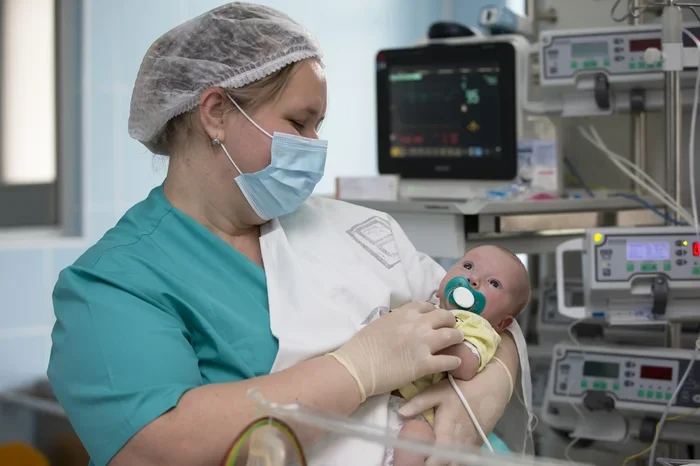
To become a NICU nurse, you need to earn a nursing degree from an accredited program, pass the NCLEX-RN exam, and gain hands-on clinical experience in neonatal care. Most NICU nurses hold either an Associate Degree in Nursing (ADN) or a Bachelor of Science in Nursing (BSN), with many pursuing additional certifications like the NICRN to advance their careers in neonatal intensive care unit nursing.
Choosing to become a NICU nurse is one of the most rewarding career decisions you can make. These specialized healthcare professionals care for the most vulnerable patients — newborns who need intensive medical attention right after birth. If you have ever wondered about the NICU nurse education requirements, you are in the right place. This guide walks you through every step, from degree options to certifications, so you can plan your path with confidence.
The journey to becoming a NICU nurse involves several important milestones. You need the right neonatal nursing degree, hands-on clinical training, and the proper licenses. Each step builds on the last, preparing you to provide life-saving care to premature and critically ill infants. Whether you are just starting your education or looking to switch into neonatal care, understanding the requirements is the first step toward a fulfilling career in neonatal intensive care.
Like learning similes for education helps students express ideas more clearly, understanding the right educational pathway helps future nurses find their footing. This article covers everything you need to know about the NICU nurse education, training, and certifications required to start your career as a bedside NICU nurse or advance into specialized roles.
Key Takeaways
- Degree Required: You must earn either an ADN or BSN from an accredited nursing program to qualify for NICU nursing positions.
- Licensure Is Essential: Passing the NCLEX-RN exam is mandatory to become a licensed registered nurse in any state.
- Certifications Boost Your Career: Earning certifications like the NICRN or RNC-NIC demonstrates specialized expertise in neonatal care.
- Clinical Experience Matters: Most employers require 1 to 2 years of bedside NICU nurse experience before hiring you into a NICU role.
- Continuing Education Is Ongoing: NICU nurses must complete regular continuing education credits to maintain their licenses and certifications.
- Advanced Degrees Open Doors: Pursuing a Master of Science in Nursing (MSN) can lead to roles as a neonatal nurse practitioner or NICU nurse educator.
📑 Table of Contents
What Does a NICU Nurse Do?
A NICU nurse works in the neonatal intensive care unit, providing round-the-clock care to newborns who are premature, critically ill, or recovering from surgery. These nurses monitor vital signs, administer medications, operate specialized equipment, and support families during incredibly difficult times. The role requires both technical skill and emotional resilience.
Daily Responsibilities of a NICU Nurse
Every shift in the NICU brings unique challenges. NICU nurse duties typically include:
- Monitoring vital signs of newborns around the clock
- Administering medications and IV fluids with precision
- Operating incubators, ventilators, and monitoring equipment
- Assisting with neonatal resuscitation when needed
- Educating parents on infant care and feeding techniques
- Collaborating with neonatologists and other healthcare team members
- Documenting patient progress and care plans in medical records
The work is demanding but deeply meaningful. Every day, NICU nurses make a tangible difference in the lives of families who are facing their hardest moments. This is why the NICU nurse requirements for education and training are so thorough — employers need to know that every nurse on the floor can handle high-stakes situations with skill and compassion.
NICU Nurse Education: Degree Pathways and Requirements
Understanding the NICU nurse education requirements starts with knowing your degree options. There are two primary pathways that lead to becoming a registered nurse NICU specialist. Both are respected in the field, but they differ in duration, depth of study, and career impact.
Associate Degree in Nursing (ADN)
An ADN typically takes two years to complete at a community college or technical school. This pathway gets you into the workforce faster and costs less upfront. You will study core nursing subjects like anatomy, physiology, pharmacology, and maternal-child health. After graduating, you must pass the NCLEX-RN exam to become a licensed registered nurse.
Many NICU nurses start their careers with an ADN and gain experience before pursuing a bachelor’s degree. Some hospitals offer tuition reimbursement programs that make it easier to advance your education while working. If you are looking for a fast track into neonatal care, the ADN route is a solid option.
Bachelor of Science in Nursing (BSN)
A BSN is a four-year degree offered by universities and colleges. This pathway provides a broader education that includes leadership, research, and community health topics. Many hospitals now prefer or require a BSN for NICU nurse positions, and some states are moving toward mandating it for all registered nurses.
Earning a BSN also opens doors to advanced roles later. If you plan to become a neonatal nurse practitioner or move into nurse management, a bachelor’s degree gives you a strong foundation. Think of it like learning metaphors for education — the deeper your understanding, the more ways you can express and apply your knowledge.
Comparison: ADN vs BSN for NICU Nursing
| Factor | ADN | BSN |
|---|---|---|
| Duration | 2 years | 4 years |
| Cost | Lower upfront cost | Higher tuition |
| Career Advancement | Limited without further education | Opens doors to advanced roles |
| Hospital Preference | Accepted at many facilities | Preferred by most NICUs |
| NCLEX-RN Eligibility | Yes | Yes |
| Advanced Degree Pathway | Requires bridge program | Direct path to MSN |
Both degrees qualify you to sit for the NCLEX-RN exam and become a licensed registered nurse. The choice depends on your personal goals, timeline, and financial situation. Many working nurses also bridge from an ADN to a BSN through RN-to-BSN programs, which are designed for flexibility and convenience.
Certifications That Strengthen Your NICU Career
After earning your degree and passing the NCLEX-RN, you can begin working in a neonatal setting. However, certifications set you apart from other candidates and show employers that you have specialized NICU nurse training. Let us look at the most valuable certifications for aspiring NICU nurses.
NICRN Certification
The Neonatal Intensive Care Nursery Nurse (NICRN) certification is one of the most recognized credentials for NICU nurses. It validates your expertise in caring for critically ill newborns and demonstrates your commitment to the field. To qualify, you typically need a certain number of hours working in a NICU, along with your RN license.
Earning the NICRN shows that you have deep knowledge of neonatal resuscitation, infant nutrition, and developmental care. It is a powerful addition to your resume and often leads to better job opportunities and higher pay.
RNC-NIC Certification
The Registered Nurse Certified in Inpatient Neonatal Care (RNC-NIC) is another prestigious credential. This certification focuses on the care of hospitalized newborns and covers topics like pain management, family-centered care, and ethical decision-making in the NICU.
Think of certifications like learning idioms for education — they add color and depth to your professional language and show that you truly understand the nuances of your field. Both the NICRN and RNC-NIC require renewal every few years, which means you must stay current with the latest practices in neonatal intensive care.
Other Valuable Certifications
- BLS (Basic Life Support): Required by most healthcare employers
- NRP (Neonatal Resuscitation Program): Essential for NICU nurses who assist with deliveries
- PALS (Pediatric Advanced Life Support): Useful for nurses caring for critically ill infants
- CCRN (Critical Care Registered Nurse): Demonstrates expertise in acute care settings
Stacking these certifications over time makes you a highly competitive candidate for top NICU nurse positions across the country.
Clinical Experience and Training Requirements
Classroom education alone is not enough to thrive as a NICU nurse. You need real-world clinical experience in NICU settings to develop the skills and confidence required for this specialized role. Most nursing programs include clinical rotations, but aspiring NICU nurses should seek out additional hands-on opportunities whenever possible.
How to Gain NICU Clinical Experience
Here are practical ways to build your NICU clinical hours before or during your nursing education:
- Complete clinical rotations in labor and delivery or postpartum units
- Volunteer at hospitals with Level III or Level IV NICUs
- Work as a labor and delivery nurse to gain exposure to newborns
- Apply for NICU internship programs offered by major hospitals
- Shadow experienced NICU nurses to observe daily workflows
Many hospitals prefer to hire NICU nurses who already have 1 to 2 years of experience in a related unit like labor and delivery or postpartum care. This background gives you a solid foundation in maternal-newborn care and helps you transition more smoothly into the NICU environment.
The Role of Continuing Education
Once you are working as a NICU nurse, your education does not stop. Continuing education requirements vary by state, but most require 15 to 30 contact hours every two years. These courses keep you updated on the latest advances in neonatal care, from new resuscitation techniques to cutting-edge incubator technology.
Many employers offer free or subsidized continuing education opportunities. Take advantage of these programs to stay sharp and grow in your career. The more you learn, the better you can care for the tiny patients who depend on your expertise every single day.
Career Outlook, Salary, and Advancement
The demand for skilled NICU nurses continues to grow across the United States. As neonatal medicine advances and survival rates for premature infants improve, hospitals need more qualified professionals to staff their NICUs. This trend creates strong job security and excellent opportunities for career growth.
Salary Expectations
According to recent data, the average NICU nurse salary ranges from approximately $65,000 to over $100,000 per year, depending on experience, location, and certifications. NICU nurses with specialized certifications and advanced degrees tend to earn toward the higher end of the scale.
Factors that influence your pay include:
- Years of experience in neonatal care
- Geographic location and cost of living
- Hospital size and acuity level
- Additional certifications held
- Shift differentials for nights, weekends, and holidays
Career Advancement Opportunities
A career in NICU nursing offers many paths for growth. Some nurses move into neonatal nurse practitioner roles, which require a Master of Science in Nursing (MSN) or Doctor of Nursing Practice (DNP). Others become NICU nurse educators, training the next generation of neonatal nurses. You might also pursue roles in NICU administration, research, or quality improvement.
The NICU nurse career path is flexible and rewarding. No matter which direction you choose, your education and certifications will open doors you never imagined.
Practical Tips and Final Thoughts
Quick Tips for Aspiring NICU Nurses
Starting your journey toward NICU nurse education can feel overwhelming, but these tips will help you stay on track:
- Start with a strong foundation: Focus on science courses like anatomy, physiology, and microbiology during your pre-nursing studies.
- Gain maternal-child experience early: Even volunteer work in pediatric or maternity units gives you valuable exposure.
- Prepare thoroughly for the NCLEX-RN: Use quality study materials and practice tests to pass on your first attempt.
- Network with NICU professionals: Join organizations like the Association of Women’s Health, Obstetric and Neonatal Nurses (AWHONN) to connect with experienced NICU nurses.
- Keep learning after graduation: Pursue certifications and continuing education to stand out in a competitive job market.
Common Mistakes to Avoid
Many aspiring NICU nurses make avoidable mistakes during their education and early career. Here are the most common ones:
- Skipping clinical rotations: Hands-on experience is irreplaceable. Do not treat clinical hours as optional.
- Ignoring certifications: Certifications like NICRN and NRP set you apart and are often required for NICU positions.
- Waiting too long to specialize: The earlier you focus on neonatal care, the sooner you build the expertise employers look for.
- Neglecting continuing education: Stagnant skills hurt your career. Stay current with the latest neonatal care practices.
- Underestimating the emotional toll: NICU nursing is emotionally demanding. Build resilience and seek support from colleagues and mentors.
Expert Insights on NICU Nursing Education
We spoke with experienced neonatal nurse educators who shared their perspective on what it takes to succeed in this field. They emphasized that NICU nurse education is not just about coursework — it is about developing empathy, critical thinking, and adaptability. The best NICU nurses are lifelong learners who stay curious and compassionate throughout their careers.
One seasoned NICU nurse educator noted that the most successful candidates are those who go beyond the minimum education requirements. They seek out additional clinical experiences, pursue multiple certifications, and stay engaged with the neonatal nursing community. This dedication shows in the quality of care they provide and the trust they earn from families and colleagues alike.
Final Thoughts
The path to becoming a NICU nurse requires dedication, hard work, and a genuine passion for caring for newborns. From earning your neonatal nursing degree to passing the NCLEX-RN, gaining clinical experience, and pursuing specialized certifications, every step brings you closer to a career that truly makes a difference. The NICU nurse education journey is challenging, but the rewards — both personal and professional — are immeasurable.
If you are ready to take the first step, start by researching accredited nursing programs in your area. Talk to working NICU nurses about their experiences. And remember that every expert was once a beginner. Your journey in neonatal intensive care starts with a single decision to pursue your education and follow your calling.
Much like mastering metaphors for a forest takes practice and patience, becoming a skilled NICU nurse takes time and dedication. But the impact you will have on the lives of tiny patients and their families is worth every effort.
Frequently Asked Questions
What is the minimum education required to become a NICU nurse?
The minimum education is an Associate Degree in Nursing (ADN), which takes about two years to complete. After earning your ADN, you must pass the NCLEX-RN exam to become a licensed registered nurse. However, many hospitals prefer candidates with a BSN, so pursuing a bachelor’s degree can give you a competitive edge.
How long does it take to become a NICU nurse?
It typically takes about four to six years to become a fully qualified NICU nurse. This includes two to four years for your nursing degree, time to pass the NCLEX-RN, and one to two years of clinical experience in a neonatal or maternal-child unit before transitioning into the NICU.
Do I need a BSN to work in a NICU?
No, a BSN is not always required, but many hospitals prefer or require it for NICU positions. An ADN qualifies you to sit for the NCLEX-RN and become a licensed RN. If you start with an ADN, you can bridge to a BSN later through an RN-to-BSN program to expand your opportunities.
What certifications are most important for NICU nurses?
The NICRN and RNC-NIC certifications are the most recognized for NICU nurses. Additionally, the NRP (Neonatal Resuscitation Program), BLS, and PALS certifications are highly valued. These credentials demonstrate your specialized knowledge and commitment to neonatal intensive care.
Can I become a NICU nurse with an online degree?
Yes, many accredited universities offer online RN-to-BSN programs that allow you to earn your bachelor’s degree while working. However, you will still need to complete in-person clinical rotations and hands-on training. Online programs are a flexible option for working nurses who want to advance their education.
What is the average NICU nurse salary?
The average NICU nurse salary ranges from approximately $65,000 to over $100,000 per year. Your exact pay depends on factors like experience, location, certifications, and the acuity level of the NICU where you work. Nurses with advanced certifications and higher degrees typically earn more.


