
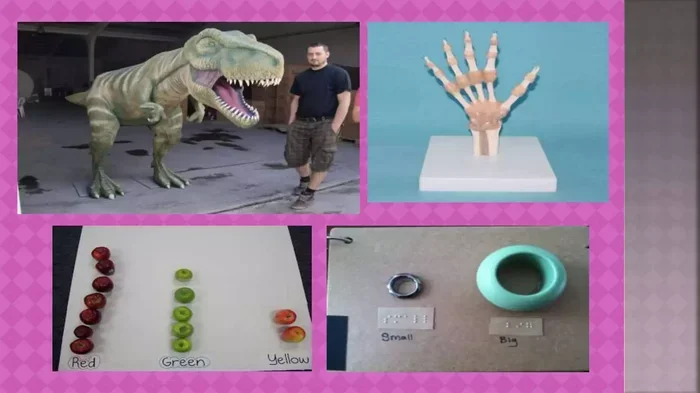
Realia in education means using real-world objects and authentic materials in teaching to help students learn faster and remember more. Teachers use items like fruit, maps, and tools to make lessons feel hands-on and relatable. This approach turns abstract ideas into concrete experiences that students of all ages can grasp. It also increases engagement, retention, and critical thinking in any learning environment.
Imagine walking into a classroom where the teacher is holding up a real apple, a small globe, and a handful of seashells. The students lean forward. Their eyes light up. That is the power of realia in education. It is a simple idea with a big impact. Instead of just reading about things, students get to see them, touch them, and connect with them in a real way.
So what is realia exactly, and why do so many teachers swear by it? In this article, we will break it all down. You will learn what it means, see real-life examples, and discover how you can use it in your own teaching or learning journey. Whether you are a teacher, a parent, or a student, this guide will give you practical ideas you can use right away.
Key Takeaways
- Realia means real objects: Using actual items instead of pictures or words alone makes learning tangible and memorable.
- Boosts engagement: Students stay focused and curious when they can touch, see, and interact with learning materials.
- Works across subjects: From language arts to science, realia fits into every classroom and grade level.
- Supports diverse learners: It helps visual, tactile, and auditory learners all at once through multimodal learning.
- Easy to start: You don’t need expensive tools. Everyday items from home or nature work great as classroom resources.
- Bridges theory and practice: Realia connects textbook knowledge to real-world experiences, making learning stick.
📑 Table of Contents
- What Is Realia in Education?
- Types of Realia You Can Use in the Classroom
- Benefits of Using Realia in Teaching
- Realia in Different Subjects
- How to Get Started with Realia in Your Classroom
- Common Mistakes to Avoid When Using Realia
- Expert Insights on Realia in Education
- Quick Tips for Using Realia Effectively
- Conclusion
What Is Realia in Education?
The term realia comes from the word “real.” In education, it refers to using real objects, authentic materials, and everyday items during lessons. Instead of relying only on textbooks or drawings, teachers bring actual things into the learning space. Think of it as hands-on learning at its finest.
For example, if you are teaching about fruit, you do not just show a picture. You bring in a real banana or an orange. If you are teaching about weather, you might use a real thermometer or show a video of a real storm. The goal is simple: make the abstract feel concrete and the theoretical feel practical.
Why Do Educators Use Real Objects?
There is a strong reason behind this approach. Our brains remember things better when we experience them through multiple senses. When a student sees a real object, hears a description, and touches the item, they create stronger memory connections. This is why realia teaching method has been a favorite among educators for decades. It taps into how humans naturally learn.
Also, students get bored easily with flat materials. A page full of text can feel distant. But a real object creates a moment of curiosity. It sparks questions. It invites interaction. That is where real learning begins.
Types of Realia You Can Use in the Classroom
Realia comes in many forms. The best part? You do not need a big budget. You can find or create authentic materials from everyday life. Here are some common types that work well in any setting.
Everyday Objects
These are items students see at home or in the store. A spoon, a key, a piece of clothing, or a can of food can become powerful teaching tools. For younger learners, bringing in a real toothbrush while teaching about dental hygiene makes the lesson stick. For older students, using a real wallet or a set of keys can teach organizational skills or even vocabulary in a language class.
Natural Materials
Leaves, rocks, shells, and flowers are excellent examples of realia examples for science or nature lessons. A teacher might bring in different types of soil to teach about geology. Or they might use pinecones and seeds to explain plant life cycles. These items are free, easy to find, and full of learning potential.
Manipulatives and Teaching Aids
Manipulatives are objects designed for hands-on learning. Blocks, counting beads, and puzzle pieces fall into this category. While some are store-bought, many teachers create their own tangible teaching aids from cardboard, clay, or recycled materials. These tools are especially popular in math and early childhood education.
Digital and Multimedia Realia
Realia is not limited to physical objects. Videos, audio clips, photographs, and even virtual tours count as authentic learning experiences. Showing students a live feed from a zoo or a video of a working factory brings the real world into the classroom. This type of real-world objects integration is especially useful when physical items are hard to bring in.
Benefits of Using Realia in Teaching
Why go through the trouble of gathering real objects for a lesson? The benefits are clear and backed by learning science. Let us look at the top reasons realia works so well.
Boosts Student Engagement
When students see a real object, their attention spikes. They want to know what it is, where it came from, and how it works. This natural curiosity drives student engagement. Instead of passively listening, students become active participants. They ask questions, make observations, and share ideas.
Improves Memory and Retention
Research shows that multimodal learning helps students remember information longer. When you pair a verbal explanation with a physical object, you engage multiple parts of the brain at once. This creates deeper memory connections that last well beyond the lesson. Students are far more likely to recall what they touched and experienced than what they simply read.
Supports Different Learning Styles
Not every student learns the same way. Some are visual learners. Others learn by doing. Realia supports experiential learning for all styles. A tactile learner benefits from touching an object. A visual learner benefits from seeing it up close. An auditory learner benefits from hearing the teacher describe it. This makes realia one of the most inclusive teaching strategies available.
Makes Abstract Concepts Concrete
Some ideas are hard to explain with words alone. Think about teaching fractions, gravity, or cultural traditions. Using real objects turns these abstract ideas into something students can actually see and feel. A pizza box can teach fractions. A ball and a ramp can explain gravity. A traditional outfit or a piece of music can bring a culture to life.
Builds Real-World Connections
One of the biggest advantages of realia in education is that it bridges the gap between school and life. Students start to see that what they learn in class has real value outside the classroom. This connection makes learning feel meaningful and motivates them to dig deeper.
Realia in Different Subjects
The beauty of realia is that it fits into almost every subject. Let us explore how it works across different areas of the curriculum.
Language Arts and Vocabulary Building
In language classes, realia in language learning is a game-changer. Teachers bring in objects to teach new words. A student might learn the word “pinecone” by holding one, smelling it, and comparing it to other natural items. This sensory approach makes vocabulary stick. It also helps English language learners connect words to meaning without translation.
You can also use realia to teach similes for education or explore metaphors for education in creative writing. For instance, holding a rough stone while learning about texture can inspire a student to write a simile for education like “the rock was as rough as a whisper.” Similarly, using a smooth piece of wood might spark a metaphor for education such as “learning flows like water over wood.” These literary devices come alive when students connect them to real sensory experiences. You can even explore idioms for education by bringing in objects that represent common sayings, making abstract expressions feel literal and memorable.
Science and Nature
Science classes thrive on realia. A biology lesson about cells becomes more exciting when students look through a real microscope. A geology unit feels complete when students can hold different rock samples. Even simple items like a magnet, a battery, or a plant cutting can turn a standard lesson into an unforgettable experience.
Math
Counting blocks, measuring tapes, and real coins are classic examples of math realia. Students learn addition by grouping actual objects. They understand fractions by cutting a real apple into slices. These hands-on activities make math feel less intimidating and more fun.
Social Studies and Geography
Bringing in maps, currency from different countries, or traditional clothing helps students understand cultures and places. A real ticket from a train station or a postcard from another city can spark rich discussions about geography and travel.
How to Get Started with Realia in Your Classroom
Starting with realia is easier than you might think. You do not need a huge collection or a special budget. Here are some practical steps to begin.
Start Small
Pick one lesson this week and add a real object to it. It could be as simple as bringing a cup of water to a science lesson about states of matter. Small steps lead to big changes over time.
Get Students Involved
Ask students to bring items from home. This turns them into active participants. It also connects their personal lives to the classroom. A student might bring a family recipe, a souvenir from a trip, or a tool their parent uses at work.
Use What You Already Have
Look around your classroom or home. Pencils, books, erasers, and paper are all real objects. Do not overlook the simple things. The goal is authenticity, not perfection.
Plan Ahead
Think about your lesson goals before choosing realia. What do you want students to learn? What object best represents that concept? A little planning goes a long way in making your instructional materials effective and meaningful.
Keep a Collection
Start a “realia box” in your classroom. Add interesting items throughout the year. Shells, buttons, fabric swatches, and small tools all make great additions. Over time, you will build a versatile collection ready for any lesson.
Common Mistakes to Avoid When Using Realia
While realia is powerful, there are a few pitfalls to watch out for. Avoiding these mistakes will help you get the most out of this teaching strategy.
Using Too Many Objects at Once
More is not always better. If you pile too many items on a table, students get distracted. Choose one or two key objects per lesson. Focus on quality over quantity.
Forgetting to Connect the Object to the Lesson
A real object should serve a clear purpose. Do not bring in items just for fun. Always tie the object back to your learning goals. Ask yourself: “How does this help students understand the concept better?”
Ignoring Safety and Hygiene
Some objects are not safe for all age groups. Sharp items, small objects for young children, or food items for students with allergies need careful handling. Always check for safety before using realia.
Relying Only on Realia
Realia works best when paired with other teaching methods. Do not replace all books, discussions, or digital tools with objects alone. Use it as a complement to a balanced instructional strategy.
Expert Insights on Realia in Education
Many experienced educators agree that realia transforms the classroom. According to research on experiential learning, students who interact with real objects show higher levels of comprehension and longer retention. Teachers who use realia regularly report that students are more curious, more participative, and more confident in their answers.
One veteran teacher shared that bringing in a real chicken egg during a life science lesson was the moment students truly understood reproduction in birds. Another teacher noted that using real money in a math lesson about decimals helped struggling students grasp the concept in just one session. These stories show that even simple items can create powerful learning moments.
The key is intentionality. Choose objects that align with your lesson objectives. Present them in a way that invites exploration. And give students time to interact with the materials. When done right, realia turns a ordinary lesson into an extraordinary experience.
Quick Tips for Using Realia Effectively
- Choose objects that are safe and age-appropriate for your students.
- Introduce the object before the lesson to build curiosity and anticipation.
- Let students touch, hold, and explore the items during the activity.
- Pair realia with discussion so students can verbalize what they observe.
- Use realia to introduce new topics as a warm-up or hook.
- Rotate items regularly to keep lessons fresh and exciting.
- Connect each object to a clear learning goal so it adds real value.
Conclusion
Realia in education is more than a teaching trick. It is a proven approach that makes learning deeper, richer, and more memorable. By bringing real objects into the classroom, teachers create an environment where students can touch, explore, and connect with what they are learning. Whether you are teaching vocabulary, science, math, or social studies, realia adds a layer of authenticity that textbooks alone cannot match.
The best part is that anyone can start using realia today. You do not need fancy equipment or a large budget. A single real object, introduced with intention, can change the way a student sees a lesson forever. So gather a few items, plan a simple activity, and watch your students come alive. Realia is your bridge from the classroom to the real world, and once you start using it, you will wonder how you ever taught without it.
Frequently Asked Questions
What does realia mean in a classroom?
In a classroom, realia refers to using real, authentic objects and materials during lessons instead of relying only on pictures or text. It brings the real world into the learning space to make lessons more tangible and engaging.
Why is realia important in language learning?
Realia helps language learners connect words to actual objects and experiences. When students hold a real apple while learning the word “apple,” they create a stronger memory connection that makes vocabulary easier to recall and use in real conversations.
Can realia be used in online or virtual classrooms?
Yes, absolutely. In virtual settings, teachers can use digital realia such as photos, videos, audio clips, and virtual tours. These authentic materials bring the real world into online lessons just as effectively as physical objects do in person.
What are some simple realia examples for elementary students?
Simple examples include fruits, leaves, rocks, buttons, coins, and everyday household items. These objects are easy to find, safe for young learners, and perfect for teaching vocabulary, counting, sorting, and basic science concepts.
How does realia support different learning styles?
Realia engages multiple senses at once. Visual learners benefit from seeing the object, tactile learners from touching it, and auditory learners from hearing descriptions and discussions about it. This makes it a powerful tool for multimodal learning that reaches every student.
Do I need expensive materials to use realia?
Not at all. Some of the best realia items are free or very cheap. Leaves, stones, paper clips, and food items work wonderfully. The key is not the cost of the object but how thoughtfully you use it to support your lesson goals.


