
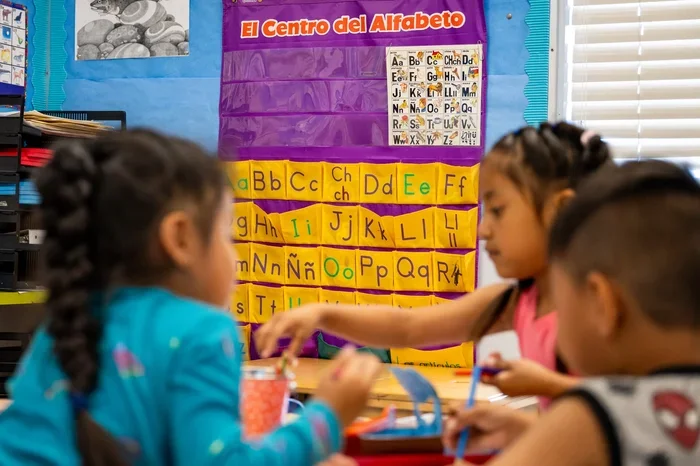
Bilingual education gives children powerful advantages in brain development, academic achievement, and cultural understanding. When kids learn in two languages, they build stronger communication skills and open doors to lifelong opportunities. This guide covers the real reasons why bilingual education matters and how parents can support their children’s language journey.
Key Takeaways
- Cognitive Boost: Bilingual education strengthens memory, problem-solving, and mental flexibility in children.
- Better Academic Results: Multilingual students often outperform peers in standardized tests and literacy tasks.
- Cultural Awareness: Learning a second language builds empathy and cross-cultural understanding from an early age.
- Career Opportunities: Bilingualism opens up a wider range of career paths in a global job market.
- Brain Health: Studies show bilingual individuals have delayed onset of cognitive decline later in life.
- Early Start Matters: The younger a child starts bilingual education, the easier language acquisition becomes.
📑 Table of Contents
What Is Bilingual Education?
Bilingual education is a teaching approach where students learn content in two languages. Typically, one language is the child’s native language, and the second is a new language they are acquiring. This method is not just about translating words. It is about building deep understanding in both languages simultaneously.
There are several models of bilingual education. Some programs use a 50/50 split, where half the day is in English and half in the second language. Others follow a transitional model, gradually shifting from the native language to the second language over time. Dual language programs are also growing in popularity. These aim to make students fully bilingual and biliterate by the time they graduate.
No matter the model, the core goal remains the same. Bilingual education helps children become confident communicators in more than one language. It gives them tools that benefit every area of their lives.
Cognitive Benefits of Bilingual Education
How Learning Two Languages Shapes the Brain
The brain of a bilingual child works differently from a monolingual child’s brain. When children switch between languages, they exercise a mental muscle called executive function. This muscle controls attention, focus, and self-regulation. Strong executive function helps kids in school and in life.
Research in neurolinguistics shows that bilingualism increases gray matter density in key brain regions. These areas handle memory, speech, and sensory processing. Simply put, bilingual education acts like a workout for the brain. It makes neural connections stronger and more efficient.
Improved Problem-Solving and Creativity
Children in bilingual education programs often show higher levels of creative thinking. Why? Because they learn to see problems from multiple angles. When you think in two languages, you naturally develop more flexible mental pathways.
For example, a bilingual child might approach a math problem using a strategy they learned in their second language. This cross-linguistic transfer builds adaptive thinking skills. Kids become better at finding unique solutions. They also get better at filtering out distractions and staying on task.
Academic and Career Advantages
Stronger Academic Performance
Studies consistently show that bilingual students perform well academically. They often score higher on standardized tests, especially in reading and math. The skills gained through bilingual education transfer across all subjects.
Here are some key academic benefits of bilingual education:
- Better reading comprehension: Bilingual children understand text structure more deeply.
- Stronger writing skills: Knowing two grammar systems improves overall writing ability.
- Higher test scores: Multilingual students outperform peers on many national assessments.
- Greater literacy rates: Bilingual education boosts overall literacy development.
These advantages hold true across different age groups and socioeconomic backgrounds. Bilingual education levels the playing field in many ways.
Career Opportunities in a Global World
The job market today values multilingual professionals. Companies operate across borders. They need employees who can communicate with clients and partners around the world. Bilingual education gives children a head start in this competitive landscape.
Many industries actively seek bilingual candidates. Healthcare, education, business, government, and technology all need people who speak more than one language. A child who starts bilingual education early has years to build language proficiency before entering the workforce.
Beyond job prospects, bilingualism also builds soft skills. Employers value workers who can navigate diverse environments. Bilingual individuals often show stronger teamwork and leadership abilities. These qualities come from years of managing two linguistic systems.
Cultural Awareness and Social Skills
Building Empathy Through Language
Language is deeply tied to culture. When children learn a second language, they also learn about the people who speak it. They discover different traditions, values, and ways of seeing the world. This exposure builds genuine empathy and respect.
Bilingual education teaches children that there are many valid ways to express ideas. A child might say something one way in English and a completely different way in Spanish, for example. Both expressions carry meaning. Both are correct. This understanding helps kids appreciate diversity.
Cross-Cultural Communication
In today’s interconnected world, cross-cultural communication is a vital skill. Bilingual children naturally develop this ability. They learn to adjust their communication style based on who they are speaking with. This is a skill that monolingual children may not develop as easily.
Bilingual students also tend to have a wider social circle. They can connect with people from different backgrounds. This opens doors to friendships, collaborations, and experiences that might otherwise be out of reach. The social confidence gained through bilingual education lasts a lifetime.
How Bilingual Education Shapes the Brain
The brain benefits of bilingual education are well documented. Neuroscientists have studied bilingual brains for decades. The findings are remarkable and consistent across studies.
Bilingual individuals show greater cognitive reserve. This means their brains are more resilient to age-related decline. Studies suggest that bilingualism can delay the onset of dementia by four to five years. That is a powerful benefit that starts in childhood.
Children who receive bilingual education also show improved memory. They can hold more information in their working memory at once. This advantage shows up in classroom settings and beyond. Whether a child is solving a puzzle or following multi-step instructions, bilingual brains have an edge.
Language Acquisition and Native Language Development
One common concern is whether bilingual education might confuse children or slow their native language development. The research says the opposite. Bilingual education actually strengthens the native language. Children become more aware of grammar, vocabulary, and sentence structure when they study a second language.
Think of it this way. Learning a new language makes you pay closer attention to how language works. This metalinguistic awareness benefits both languages. Children in bilingual programs often become stronger readers and writers in their first language too.
Getting Started with Bilingual Learning
Tips for Parents
Parents play a huge role in supporting bilingual education. Here are practical tips to help your child thrive:
- Start early. Children’s brains are most receptive to language learning from birth to age seven. The earlier you introduce a second language, the more natural it feels.
- Create a language-rich environment. Use books, music, and videos in both languages. Make both languages a normal part of daily life.
- Be consistent. Choose a method and stick with it. Whether it is the one parent-one language approach or a school-based program, consistency builds fluency.
- Celebrate progress. Language learning takes time. Praise effort, not just perfection. Keep your child motivated and proud of their growing skills.
- Connect with the community. Find language playgroups, cultural events, or conversation partners. Real-world practice makes language learning meaningful.
Choosing the Right Program
Not all bilingual education programs are the same. When choosing a program for your child, consider these factors:
- Program model: Is it a dual language program, transitional program, or immersion program? Each has different goals and methods.
- Teacher qualifications: Teachers should be fluent in both languages and trained in bilingual pedagogy.
- Curriculum quality: The academic content should be rigorous and well-balanced across both languages.
- Community support: Strong programs have active parent involvement and community partnerships.
Visit schools, talk to teachers, and observe classes if possible. The right program will feel welcoming and inclusive for both you and your child.
Common Misconceptions About Bilingual Education
There are many myths surrounding bilingual education. Let us clear up a few of the most common ones.
Myth 1: Bilingual children fall behind academically. The truth is the opposite. Research shows bilingual students catch up quickly and often surpass their monolingual peers over time. Any short-term delay in vocabulary is temporary and outweighed by long-term gains.
Myth 2: Learning two languages causes confusion. Children are remarkably adaptable. Code-switching, or mixing languages, is a sign of linguistic skill, not confusion. Bilingual children are simply using all the tools available to them.
Myth 3: You need to start bilingual education as a baby. While early exposure is ideal, it is never too late to start. Children of all ages benefit from bilingual education. The brain remains capable of language learning throughout life.
Key Takeaways
- Cognitive Boost: Bilingual education strengthens memory, problem-solving, and mental flexibility in children.
- Better Academic Results: Multilingual students often outperform peers in standardized tests and literacy tasks.
- Cultural Awareness: Learning a second language builds empathy and cross-cultural understanding from an early age.
- Career Opportunities: Bilingualism opens up a wider range of career paths in a global job market.
- Brain Health: Studies show bilingual individuals have delayed onset of cognitive decline later in life.
- Early Start Matters: The younger a child starts bilingual education, the easier language acquisition becomes.
Conclusion
Bilingual education is one of the most valuable gifts you can give your child. It shapes the brain, boosts academic performance, and builds cultural awareness. The benefits extend far beyond the classroom. They last a lifetime and open doors that might otherwise remain closed.
Every child deserves the chance to grow up with the power of two languages. Whether you choose a formal dual language program, a school-based bilingual education model, or a home-based approach, the results are clear. Children who learn in two languages become more flexible thinkers, more empathetic communicators, and more prepared for the world they will inherit.
The journey of bilingual education starts with a single step. It might be a simple storybook read in a second language. It might be a conversation with a grandparent in a native tongue. Whatever form it takes, the investment pays off in ways you cannot measure. Give your child the gift of bilingualism. Watch them grow into confident, capable, and culturally rich individuals.
Frequently Asked Questions
What age is best to start bilingual education?
The earlier, the better. Children’s brains are most receptive to language learning from birth to around age seven. However, bilingual education at any age brings benefits. Even teenagers and adults can gain significant advantages from learning a second language.
Does bilingual education cause language delays in children?
No. Research has consistently shown that bilingual children do not experience long-term language delays. Any temporary vocabulary gap in one language usually closes quickly. In fact, bilingual children often develop stronger overall language awareness than their monolingual peers.
Can a child become fully fluent in both languages through bilingual education?
Yes, especially when the child receives consistent exposure to both languages. Dual language programs are specifically designed to achieve full bilingualism and biliteracy. Success depends on the quality of instruction and the amount of practice in each language.
How does bilingual education help with understanding language devices like similes and metaphors?
Bilingual children often develop a deeper understanding of figurative language. Learning how expressions work in two languages helps kids recognize patterns across languages. They become more skilled at interpreting similes for education, understanding metaphors for education, and grasping the meaning behind idioms for education in both languages.
Is bilingual education only for children who already speak a second language at home?
Absolutely not. Bilingual education programs are designed for children from all language backgrounds. Many children enter these programs with no prior exposure to the second language. The program provides the instruction and support needed for every child to succeed.
What are the long-term benefits of bilingual education?
Long-term benefits include better career prospects, stronger cognitive health, deeper cultural connections, and enhanced communication skills. Bilingual individuals also tend to be more adaptable and open-minded. These qualities serve them well throughout their personal and professional lives.


