
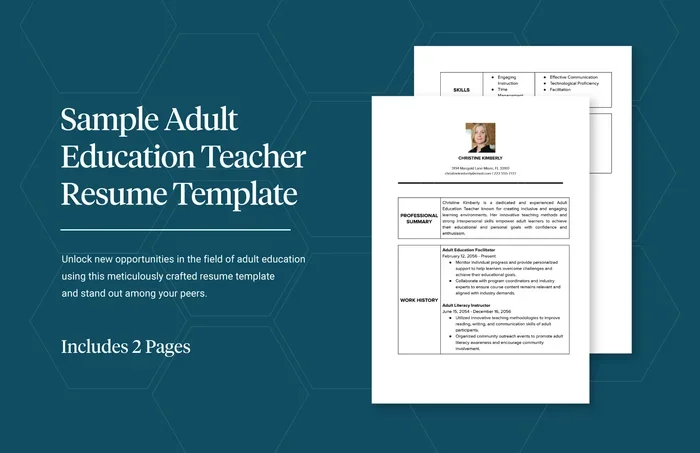
Knowing how to list education on resume can make or break your application. This guide gives you real examples, proven formatting tips, and simple steps to showcase your degree the right way. Whether you are a new grad or a seasoned pro, you will find actionable advice that works.
Your education section is one of the first things a hiring manager looks at. It shows your background, your dedication, and your knowledge base. But many people get it wrong. They either leave it out completely or cram too much fluff into it. If you want to know how to list education on resume the right way, you are in the right place.
This guide walks you through everything step by step. You will see real resume education examples, learn what to include, and discover what to skip. We also share tips that work for fresh graduates and career changers alike. Let us make your resume shine.
Key Takeaways
- Placement matters: Your education section should go in the right spot depending on your experience level and career stage.
- Include key details: Always list your degree name, school, graduation date, and any honors or relevant coursework.
- Avoid common errors: Skip outdated info like high school diplomas if you have a college degree.
- Tailor it to the job: Highlight the education details that match the job description best.
- Use strong formatting: Clean layouts and bullet points make your resume easy to scan.
- Add achievements: GPA, awards, and relevant projects can set you apart from other candidates.
📑 Table of Contents
Why Your Education Section Matters
Some people think the education section is boring. They rush through it or ignore it altogether. That is a big mistake. Your resume education section tells employers about your foundation. It shows you have the knowledge needed for the role.
For new graduates with little work experience, this section often takes center stage. It can be the deciding factor between you and another candidate. Even for experienced professionals, education still matters. It adds credibility and shows your commitment to learning. Think of it as the backbone of your resume format. When done right, it supports everything else on the page.
The way you present your learning journey can also reflect your communication skills. A clean, well-organized section shows attention to detail. It tells the reader you care about presentation. That is the kind of impression you want to make.
How to List Education on Resume: The Basics
Getting the basics right is simple. You need a few key pieces of information in every entry. Here is what to include in each education line on your resume template:
- Degree or diploma name — This is the title of your qualification. For example, Bachelor of Science in Business Administration.
- School name — The full, official name of your college or university.
- Graduation date — Month and year you completed or plan to complete your degree.
- Location — City and state of the school, or the country if it is abroad.
- GPA or honors — Only include these if they are strong. A 3.5 GPA or higher is worth mentioning.
You should also consider adding relevant coursework if you are a recent graduate. This works best when your courses directly relate to the job you are applying for. For example, if you are applying for a marketing role, listing courses in digital marketing and consumer behavior adds value. Think of your education section like a simile for education — it compares your learning to the job requirements in a clear, relatable way. Similarly, using metaphors for education can help you describe your academic journey more vividly in cover letters or interviews. And if you want to go deeper, idioms for education can add color and personality to your professional storytelling.
Reverse Chronological Order
Always list your most recent degree first. This is called reverse chronological order. It is the standard format most employers expect. Start with your highest degree and work backward.
- Most recent degree (college, university, or graduate school)
- Previous degree (if applicable)
- High school diploma (only if you have no college education)
This order makes it easy for the reader to see your latest accomplishments first. It follows the natural flow of a chronological resume. Hiring managers scan resumes quickly. They want to find the most relevant info fast.
Education Section Examples by Experience Level
The way you list your education changes based on where you are in your career. A fresh graduate has different needs than a mid-career professional. Let us look at examples for each stage.
Example 1: Recent Graduate
For someone with little or no work experience, the education section should be prominent. Place it near the top of the resume. Here is what a strong entry looks like:
Bachelor of Arts in Communications
University of Michigan, Ann Arbor
Graduated: May 2024
GPA: 3.7/4.0 | Dean’s List
Notice how this example includes the degree, school name, graduation date, and GPA. It also mentions Dean’s List, which is an academic achievement. These details grab attention and show the candidate is driven.
Example 2: Mid-Career Professional
If you have several years of experience, your education section should be shorter. Move it below your work history. You do not need to list your GPA or every course. Keep it clean and simple:
Master of Business Administration
New York University, Stern School of Business
Graduated: June 2019
This format keeps the focus on your experience while still showing your educational background. It answers the question without overwhelming the reader. The resume education section supports your work history instead of competing with it.
Example 3: Career Changer
When you are switching fields, your education can bridge the gap. Highlight degrees and coursework that relate to your new career path. This is where relevant coursework really shines:
Bachelor of Science in Psychology
University of Texas at Austin
Graduated: December 2018
Relevant Coursework: Cognitive Behavior, Research Methods, Data Analysis
By listing relevant courses, you show the hiring manager that your background has value in the new field. This is a smart strategy for career changers who need to reframe their story.
What to Include and What to Leave Out
Not every piece of education info belongs on your resume. Knowing what to include and what to skip saves space and keeps your resume focused.
What to Include
- Your highest degree completed or in progress
- The full, official name of your school
- Graduation date (or expected graduation date)
- Honors, awards, or dean’s list mentions
- Strong GPA (3.5 or above)
- Relevant coursework (for recent grads or career changers)
- Study abroad programs (if relevant to the job)
What to Leave Out
- High school diploma (if you have a college degree)
- Low GPA (below 3.0)
- Old or irrelevant certifications
- Every single course you took
- Personal details like your student ID number
- Graduation dates that are more than 15 years old (optional)
The goal is to keep your education section tight and relevant. Every line should add value. If a detail does not help your application, cut it. Think of your resume as a marketing document. Each section should sell your strengths.
Common Mistakes When Listing Education
Even smart job seekers make errors in their education section. Here are the most common mistakes and how to avoid them.
Mistake 1: Listing Incomplete Degrees
If you did not finish your degree, be honest about it. Do not write “Expected 2025” if you have no plans to return. Instead, list the degree and school, then add the dates you attended. You can also mention the credits you completed. Honesty always wins in the end.
Mistake 2: Using Vague Degree Titles
Never write just “College Degree” or “Arts Degree.” Be specific. Use the full official title of your degree. This helps applicant tracking systems pick up your resume keywords. It also gives the hiring manager clear information.
Mistake 3: Ignoring the Format
A messy education section hurts your chances. Use consistent formatting throughout. Align dates on the right side. Use the same font size for school names and degree titles. A clean resume format shows professionalism and care.
Mistake 4: Overloading with Details
Your education section is not the place to list every club you joined in college. Keep it focused. Include only details that are relevant to the job you want. If a piece of information does not help your case, leave it out.
Quick Tips to Make Your Education Section Stand Out
Small changes can make a big difference. Here are some quick tips to elevate your education listing:
- Match your education to the job posting. Use the same keywords from the job description in your resume.
- Add a brief description. For each degree, add one line about a key project or thesis if it is relevant.
- Use action words. Even in the education section, strong verbs like “completed,” “graduated with,” and “earned” add energy.
- Keep it scannable. Use bullet points and white space. Hiring managers scan resumes in seconds.
- Update regularly. Every time you earn a new credential or complete a course, update your resume right away.
These tips may seem small, but they add up. They help your resume pass through applicant tracking systems and catch the eye of real people. A well-crafted education section tells a story. It shows your growth, your dedication, and your readiness for the role.
When you list education on resume with care and precision, you set yourself apart. You show employers that you pay attention to detail. You show them you understand what they are looking for. That is the kind of candidate every hiring manager wants to meet.
Final Thoughts
Your education section is more than a formality. It is a powerful tool that supports your entire resume. Whether you are a recent graduate stepping into the workforce or a seasoned professional making a change, how you present your learning matters. Follow the examples in this guide, avoid the common mistakes, and tailor your section to each job you apply for.
Remember, the goal is clarity and relevance. Keep it clean, keep it honest, and keep it focused. With the right approach, your education on resume will open doors and create opportunities. Start applying these tips today and watch your resume transform.
Frequently Asked Questions
Where should I put the education section on my resume?
If you are a recent graduate, place it near the top. If you have more than two years of experience, move it below your work history. The rule is simple: put the section that is most relevant to the job first.
Should I include my GPA on my resume?
Only include your GPA if it is 3.5 or higher. A strong GPA shows academic excellence. If your GPA is below 3.0, leave it off and focus on other strengths like coursework or achievements.
Do I need to list my high school diploma if I have a college degree?
No. Once you have completed any college-level education, you do not need to include your high school diploma. Employers assume you have a high school education if you hold a college degree.
Can I list online degrees or certifications?
Yes, absolutely. Online degrees and certifications are perfectly valid. List them the same way you would list a traditional degree. Include the school name, degree title, and completion date.
How do I handle a degree that is not yet completed?
List the degree and school, then add “Expected [Month Year]” for the graduation date. This shows the employer you are currently pursuing the qualification and gives them a timeline.
Should I include my major or field of study?
Yes, always include your major or field of study. It gives the hiring manager quick context about your area of expertise. For example, write “Bachelor of Science in Computer Science” rather than just “Bachelor of Science.”
=== CONCLUSION ===
How to list education on resume does not have to be complicated. With the right format, the right details, and a clear focus on relevance, you can turn this section into a real asset. Use the examples in this guide as your starting point. Tailor them to your own experience. And always remember: your education section should support your story, not tell the whole story.
Take what you have learned here and apply it to your resume today. A strong education listing can be the difference between landing an interview and getting passed over. Make it count, and you will be on your way to the job you want.


