
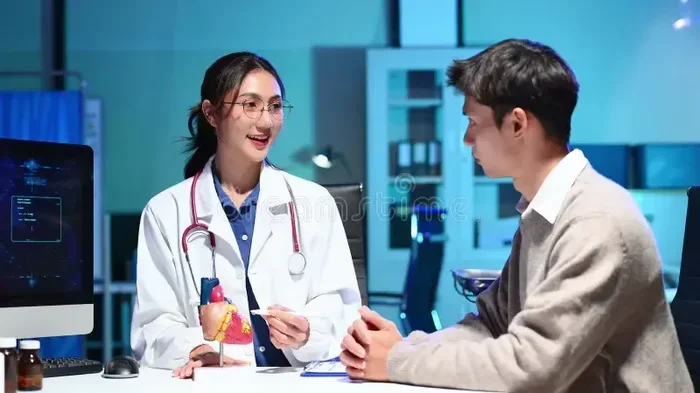
Patient education empowers individuals to take control of their health. When patients understand their conditions, treatments, and prevention strategies, they achieve significantly better outcomes. This guide explores why patient education matters and how it transforms healthcare experiences.
Healthcare is not just about pills, procedures, and hospital visits. It starts with understanding. When patients truly grasp what is happening in their bodies, they become active partners in their own care. This simple shift changes everything. Research shows that patient education leads to fewer complications, better recovery times, and stronger overall well-being.
Yet many people leave doctor’s offices feeling confused or overwhelmed. They may not understand their diagnosis, their medication instructions, or their next steps. This gap in knowledge creates real risks. It leads to missed doses, repeated hospital visits, and frustration on both sides. The good news is that fixing this problem is possible. With the right approach, every patient can feel confident and informed.
Patient education is not a luxury. It is a necessity. It sits at the heart of modern healthcare and drives better outcomes for everyone involved. In this article, we will explore why education matters so much, how it works, and what you can do to make it part of your health journey.
Key Takeaways
- Better adherence: Educated patients follow treatment plans more consistently and see improved results.
- Reduced complications: Understanding your condition helps prevent avoidable health problems.
- Stronger doctor-patient relationships: Education builds trust and encourages open communication.
- Lower healthcare costs: Informed patients make fewer emergency visits and unnecessary procedures.
- Greater self-confidence: Knowledge gives patients the power to manage their own health.
- Long-term wellness: Education supports preventive care and lasting lifestyle changes.
📑 Table of Contents
- What Is Patient Education and Why Does It Matter?
- How Patient Education Improves Health Outcomes
- The Role of Health Literacy in Patient Education
- Strategies for Effective Patient Education
- Overcoming Barriers to Patient Education
- The Future of Patient Education in Healthcare
- Why Patient Education Benefits the Entire Healthcare System
- Conclusion
What Is Patient Education and Why Does It Matter?
Patient education means giving people the knowledge and tools they need to manage their health effectively. It covers everything from understanding a diagnosis to learning how to take medications correctly. It also includes knowing when to seek help and how to make lifestyle changes that support long-term wellness.
Think of it this way. Imagine driving to a new city without a map. You might eventually get there, but the trip would be full of wrong turns and stress. Now imagine having a clear GPS. That is what education does for patients. It gives them direction and confidence.
Education matters because healthcare decisions affect real lives. A patient who understands their condition is more likely to follow through with treatment. They ask better questions. They notice warning signs earlier. And they feel more in control of their health journey. All of this leads to outcomes that are genuinely better.
The Connection Between Education and Trust
When doctors and nurses take time to explain things clearly, something powerful happens. Trust grows. Patients feel respected and heard. They are more willing to share symptoms, follow advice, and return for follow-up care. This trust is the foundation of a strong therapeutic alliance, and it all starts with clear communication.
How Patient Education Improves Health Outcomes
The link between education and outcomes is strong and well-documented. Studies consistently show that informed patients recover faster, stay healthier longer, and need fewer emergency interventions. Let us look at the key ways education makes a measurable difference.
Better Treatment Adherence
One of the biggest challenges in healthcare is getting patients to follow their treatment plans. Medications are missed. Lifestyle changes are abandoned. Appointments are skipped. But when patients understand the why behind their care, adherence improves dramatically. Education turns “I should take this pill” into “I know this pill helps me, and here is how.”
Fewer Complications and Readmissions
Patients who understand their conditions can spot problems early. They know what warning signs to watch for. They reach out to their care team before small issues become emergencies. This proactive approach reduces hospital readmissions and prevents complications that could have been avoided.
Improved Chronic Disease Management
Living with a chronic condition like diabetes, heart disease, or asthma requires daily management. Education gives patients the skills they need to monitor symptoms, adjust habits, and stay on track. Without it, chronic conditions often spiral out of control. With it, patients can live full, active lives.
The Role of Health Literacy in Patient Education
Health literacy is the ability to understand and use health information. It is a cornerstone of effective patient education. When health literacy is low, even the best treatment plans can fall apart. Patients may misinterpret instructions, skip medications, or avoid care altogether.
Why Health Literacy Varies So Much
Health literacy is not just about intelligence. It is shaped by many factors. Education level, language barriers, cultural background, and emotional stress all play a role. A patient who is anxious or in pain may not absorb information well. Someone who speaks a different language may struggle with medical terms. Recognizing these differences is the first step toward better education.
Building Health Literacy Through Simple Communication
Healthcare providers can bridge literacy gaps by using plain language. Short sentences work well. Visual aids help too. Teaching back, where patients repeat instructions in their own words, ensures understanding. These small changes make a big difference.
Just as similes for education help simplify complex ideas for learners, healthcare providers can use familiar comparisons to explain medical concepts. Saying “your blood vessels are like pipes that need to stay clear” makes a technical idea much more accessible.
Strategies for Effective Patient Education
Good education does not happen by accident. It takes planning, skill, and the right tools. Healthcare teams that invest in effective strategies see better engagement and stronger outcomes. Here are some proven approaches.
Use the Teach-Back Method
The teach-back method is simple but powerful. After explaining something, the provider asks the patient to repeat it back in their own words. This confirms understanding and reveals gaps. It also shows the patient that their comprehension matters. No one feels rushed or dismissed.
Leverage Visual and Written Materials
Not everyone learns the same way. Some people grasp information better when they see it. Diagrams, charts, videos, and printed handouts support verbal explanations. They give patients something to review at home. Using metaphors for education in these materials can make abstract health concepts feel concrete and relatable.
Personalize the Message
Every patient is different. A treatment plan that works for one person may not fit another. Effective education takes individual needs into account. Age, culture, literacy level, personal goals, and support systems all shape how information should be delivered. When education feels personal, patients pay attention and take action.
Encourage Questions and Dialogue
Patients should never feel afraid to ask questions. A good provider creates a safe space for dialogue. They invite questions at every visit. They use open-ended prompts like “What concerns do you have about this plan?” This approach builds confidence and ensures that no important topic goes unaddressed.
Use Technology to Support Learning
Today, patients have access to more resources than ever. Patient portals, mobile apps, and online videos offer on-demand learning. Some platforms send reminders about medications or appointments. Others provide interactive tools for tracking symptoms. Technology can reinforce education between visits and keep patients engaged over time.
Overcoming Barriers to Patient Education
Even with the best intentions, barriers can get in the way. Recognizing these obstacles is essential for finding real solutions.
Time Constraints in Clinical Settings
Doctors and nurses often face tight schedules. There is pressure to see many patients in a single day. Meaningful education takes time, and time is a limited resource. Clinics can address this by using group visits, digital tools, and pre-appointment materials to maximize every interaction.
Emotional and Psychological Barriers
Receiving a diagnosis can be scary. Stress, anxiety, and depression all interfere with learning. Patients in emotional distress may not retain information well. Providers should acknowledge these feelings first. Empathy creates the space needed for real learning to happen.
Cultural and Language Differences
Language barriers are a major obstacle. Patients who do not speak the primary language of their care team may miss critical information. Cultural beliefs can also shape how people understand illness and treatment. Using professional interpreters, translated materials, and culturally sensitive approaches helps close these gaps.
Information Overload
It is possible to give too much information at once. When patients are bombarded with details, they shut down. The key is to prioritize. Focus on the most important points first. Use the “chunk and check” approach, where information is delivered in small pieces and understanding is confirmed after each one.
The Future of Patient Education in Healthcare
Patient education is evolving rapidly. New technologies and approaches are making it more accessible, engaging, and effective than ever before.
AI-Powered Personalization
Artificial intelligence is beginning to play a role in tailoring education to individual patients. AI tools can assess a patient’s literacy level, learning style, and preferences, then deliver content that matches. This kind of personalization was not possible a decade ago, and it is already showing promising results.
Telehealth and Remote Education
Telehealth has expanded access to care and education. Patients in rural areas or those with mobility challenges can now learn about their conditions from home. Virtual appointments allow providers to review educational materials in real time and answer questions on the spot. Understanding idioms for education and how they translate into digital communication helps providers connect with patients even through a screen.
Patient-Generated Data
Wearables and home monitoring devices give patients real-time data about their health. Blood pressure readings, glucose levels, and activity trackers all feed into a broader picture. When patients understand what this data means, they become more engaged and more proactive in their care.
Why Patient Education Benefits the Entire Healthcare System
The benefits of patient education extend beyond individual patients. When people are well-informed, the entire system works better. Fewer unnecessary visits reduce strain on clinics and hospitals. Lower readmission rates ease the burden on care teams. Preventive education reduces the incidence of chronic disease over time. The ripple effects are significant and far-reaching.
From a cost perspective, education is one of the most efficient investments in healthcare. It costs very little to provide clear instructions and educational materials, yet the returns are enormous. Fewer complications, shorter hospital stays, and better long-term management all translate into savings for patients, providers, and insurers alike.
Healthcare equity also benefits. When education is accessible and culturally appropriate, underserved communities gain the tools they need to manage their health. This helps close gaps in outcomes that have persisted for years. Patient education becomes a force for fairness and inclusion in the healthcare system.
Conclusion
Patient education is one of the most powerful tools in modern healthcare. It empowers people to understand their conditions, follow their treatment plans, and make informed decisions. It reduces complications, builds trust, and improves quality of life. The evidence is clear: when patients are educated, outcomes improve across the board.
Every patient deserves to feel informed and confident. Every provider has the opportunity to make that happen. By prioritizing clear communication, personalized learning, and ongoing support, we can transform the patient experience. Education is not just a nice-to-have. It is the foundation of better health and better outcomes for everyone.
Frequently Asked Questions
Why is patient education considered so important in healthcare?
Patient education matters because it equips individuals with the knowledge they need to manage their health actively. Informed patients are more likely to follow treatment plans, recognize warning signs early, and communicate effectively with their care teams. This leads to better outcomes, fewer complications, and greater overall satisfaction with the healthcare experience.
How does patient education improve treatment adherence?
When patients understand why a treatment is necessary and how it works, they are far more likely to follow through. Education transforms vague instructions into meaningful actions. Patients who feel informed and involved in their care show higher rates of medication compliance and lifestyle changes.
What role does health literacy play in patient education?
Health literacy is the ability to read, understand, and act on health information. It directly affects how well a patient can follow instructions and make informed decisions. Providers who recognize varying literacy levels and adjust their communication accordingly deliver more effective patient education.
Can patient education reduce healthcare costs?
Yes. Educated patients make fewer unnecessary emergency visits and require fewer repeat treatments. Preventive education helps people manage chronic conditions before they escalate. Over time, this reduces costs for patients, providers, and the entire healthcare system.
What are some common barriers to effective patient education?
Time constraints, emotional stress, language barriers, and information overload are the most common obstacles. Providers can overcome these by using plain language, visual aids, the teach-back method, and culturally sensitive materials. Technology also offers new ways to deliver education outside the clinical setting.
How can patients take an active role in their own education?
Patients can start by asking questions during every appointment. They should request written instructions and review them at home. Using reputable online resources, joining support groups, and tracking health data with apps all support ongoing learning. The more involved a patient is, the better their outcomes tend to be.


