
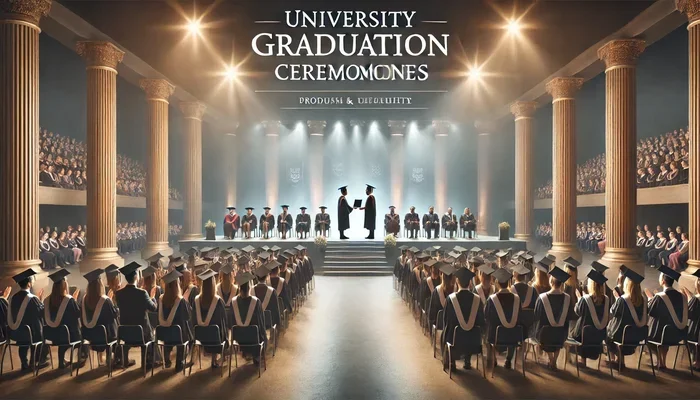
College is not secondary education. It is tertiary education, which is the third level of learning after primary and secondary school. Many people confuse these terms, but the education system draws a clear line. Understanding this education classification helps students plan their education pathway and set the right goals.
Let us clear up a question that confuses a lot of people. Is college considered secondary education? The short answer is no. College is tertiary education, not secondary. But why do so many folks mix these up? And what does the education system actually say about it?
In this guide, we will walk you through every educational stage. You will learn what secondary school covers, what college adds, and why the difference matters. We will also break down the education hierarchy in plain language. By the end, you will never mix up these terms again.
Whether you are a high school student, a parent, or just curious, this article has you covered. We keep things simple and straight to the point. No fluff. No jargon. Just clear answers about formal education levels.
Key Takeaways
- College is tertiary education: It sits above secondary school in the education hierarchy.
- Secondary education ends at high school: A high school diploma is the final step of secondary learning.
- Tertiary education includes all post-secondary options: Colleges, universities, and trade schools all fall under this level.
- The distinction matters for planning: Knowing your educational stages helps you choose the right degree programs.
- Not all countries use the same labels: The education system varies by region, but the core levels stay similar.
- College and university are often used interchangeably: Both offer tertiary education and undergraduate studies.
📑 Table of Contents
What Is Secondary Education?
Secondary education is the second level of formal education. It comes right after primary school. In most countries, secondary school starts around age 11 or 12. It ends when a student earns a high school diploma.
This stage covers two main parts:
- Lower secondary education: This is like middle school or junior high. Students take core classes in math, science, English, and social studies.
- Upper secondary education: This is high school. Students pick elective courses and prepare for graduation.
Think of secondary education as the foundation. It gives students the basic skills they need for life and work. A high school diploma is the proof that a student has completed this stage.
Why Secondary Education Matters
Without finishing secondary school, many doors stay closed. Most jobs require at least a high school diploma. And if you want to move on to post-secondary education, you need that diploma first. It is the gateway to higher education.
Secondary school also shapes your learning stages. It teaches you how to study, think critically, and manage your time. These skills matter a lot when you step into college vs university life later on.
What Is Tertiary Education?
Now let us talk about the big question. Is college considered secondary education? No, it is not. College belongs to tertiary education. This is the third and final level of the education classification.
Tertiary education starts after you finish secondary school. It includes all forms of higher education that go beyond high school. Here are the main types:
- Colleges: These schools offer undergraduate studies and associate or bachelor degrees.
- Universities: These institutions provide bachelor, master, and doctoral degree programs.
- Trade and vocational schools: These focus on hands-on skills for specific careers.
- Community colleges: These offer two-year programs and affordable pathways to a college degree.
All of these fall under tertiary education. They all require a high school diploma or equivalent for entry. That is the key line between secondary and tertiary.
How Tertiary Education Differs from Secondary
The difference is pretty clear once you see it side by side. Secondary school is structured and mandatory in most places. Tertiary education is optional. You choose to go. You also pick your field of study.
In secondary school, you take a set curriculum. In college, you focus on a major. The academic levels shift from general learning to specialized training. This is a big jump, and it is why tertiary education gets its own category.
People often use the phrase post-secondary education to describe this level. It simply means “after secondary school.” So college, university, and trade school all count as post-secondary education.
When you talk about your education pathway, tertiary education is where the real specialization begins. This is the stage where you deep dive into a subject you are passionate about.
Now, here is something interesting. The way we talk about education uses a lot of rich language. In fact, if you look at how people describe their education journey, you will find many colorful expressions. For example, phrases like “hitting the books” or “pulling an all-nighter” are part of our everyday education vocabulary. If you want to explore fun and common expressions used in school settings, check out our Idioms for Education guide. It is a fun read that shows how language and learning go hand in hand.
So, Is College Secondary or Tertiary?
This is the heart of the question. Is college considered secondary education? Let us settle this once and for all. College is tertiary education. Full stop.
Here is a simple way to remember it:
- Primary education: Elementary school (ages 5-11 roughly).
- Secondary education: Middle school and high school (ages 11-18 roughly).
- Tertiary education: College, university, and trade school (after age 18).
College always comes after secondary school. It never falls under the secondary umbrella. The education hierarchy is very clear about this.
A Quick Comparison
Let us put this side by side so it is easy to see:
| Feature | Secondary Education | Tertiary Education |
|---|---|---|
| Stage Number | Second level | Third level |
| Age Range | 11-18 | 18+ |
| Entry Requirement | Primary school completion | High school diploma |
| Examples | High school, middle school | College, university, trade school |
| Is it mandatory? | Yes (in most places) | No (optional) |
| Focus | General knowledge | Specialized learning |
As you can see, the two levels are quite different. They serve different purposes in the education system.
When you describe your own education journey, using the right term shows you understand the academic levels. Saying “I am in secondary school” when you mean college would confuse people. And saying “I am in tertiary education” when you are still in high school would be just as off. So it pays to know the correct terms.
The way we describe these stages also shows up in everyday language. For instance, people often use similes and metaphors to talk about their college experience. If you want to see how people use similes for college to describe academic life, we have a fun collection that highlights the colorful ways students talk about their learning. Language and education are deeply connected, and understanding both makes you a stronger communicator.
How the Education System Classifies Learning Levels
Different countries may use slightly different names, but the core education classification stays the same worldwide. The UNESCO and most global education bodies follow a three-level model:
- Level 1: Primary education (elementary school)
- Level 2: Secondary education (middle and high school)
- Level 3: Tertiary education (college, university, vocational training)
This model helps governments, schools, and students track educational stages clearly. It also makes it easier to compare credentials across borders.
Why the Three-Level Model Works
This system works because it matches how people grow and learn. Young children start with basics in primary school. Teenagers build on those basics in secondary school. Then adults choose specialized paths in tertiary education.
Each level prepares you for the next. You cannot skip ahead. You need a high school diploma to enter tertiary education. And you need primary and secondary schooling to get that diploma. It is a step-by-step education pathway.
Some people also ask whether community college counts as tertiary education. Yes, it does. Any school you attend after high school falls into the tertiary category. This includes two-year colleges, four-year universities, and career training programs.
The language we use around these levels also matters. In education settings, people often use figures of speech to make complex ideas easier to understand. For example, metaphors help explain abstract concepts like “building a foundation” or “climbing the ladder” of learning. If you want to explore how educators use metaphors for education to teach and inspire, our guide breaks down the most common and powerful examples. These creative expressions make the classroom more engaging and memorable.
Why This Distinction Matters for Students
You might wonder why any of this matters. Does it really make a difference whether college is secondary or tertiary? Yes, it does. Here is why:
1. It affects your planning. When you map out your education pathway, you need to know where college fits. It comes after high school, not during it. Planning ahead means you set the right goals at the right time.
2. It affects your applications. College applications ask for your high school diploma or equivalent. They look at your secondary school records. Knowing that college is tertiary helps you understand what admissions teams are evaluating.
3. It affects your funding. Scholarships, grants, and loans often depend on your education classification. Many awards are specifically for students entering tertiary education. Others target secondary school students. Using the right terms helps you find the right opportunities.
4. It affects your communication. When you talk with advisors, teachers, or employers, using the correct education hierarchy terms shows professionalism. It also helps you understand what people mean when they discuss academic levels.
5. It affects your mindset. Understanding that college is a new and different stage helps you prepare mentally. Tertiary education brings more freedom, more responsibility, and more choices than secondary school. Embracing that shift sets you up for success.
When students talk about their college experience, they often use vivid expressions to describe the ups and downs. The way learners describe their journey through higher education is full of creative language. For a fun look at how students use playful expressions to talk about college life, check out our Idioms for College article. It is a great reminder that education and language go hand in hand.
Common Confusion Between Secondary and Tertiary Education
So why do people still mix these up? There are a few reasons:
- Colloquial language: In everyday talk, people say “I am going back to school” without specifying the level. This blurs the line between secondary and tertiary.
- Overlapping terms: Words like “school” and “college” are used loosely. Some people call any learning institution “school,” which muddies the education classification.
- Cultural differences: In some countries, the terms “college” and “university” mean different things. In the UK, “college” can refer to a secondary school. In the US, it means tertiary education. This confusion travels across borders.
- Casual conversation: Most people do not sit down and define educational stages in small talk. They just use the words that feel right in the moment.
The best way to avoid confusion is to be specific. Say “I am in high school” or “I am in college.” Name the academic level clearly. This small habit makes a big difference in how you communicate about your formal education.
Also, remember that post-secondary education is a safe, umbrella term. If you are not sure whether to call something secondary or tertiary, “post-secondary” always works. It simply means “after secondary school.”
Quick Tips for Remembering the Difference
Here are some easy tricks to keep the levels straight:
- Think of a ladder: Primary is the bottom rung, secondary is the middle, and tertiary is the top.
- Use the “after high school” rule: Anything after high school is tertiary.
- Remember the three Ls: Learning levels go from Low (primary) to Middle (secondary) to Last (tertiary).
- Check the age: Under 18 is usually secondary. Over 18 and in school is usually tertiary.
- Look at the diploma: A high school diploma ends secondary. A college degree is tertiary.
These tips work for most education systems around the world. They give you a quick mental check whenever you are unsure.
One more thing. The way we describe our learning journey is often full of creative language. Students and teachers alike use colorful expressions to capture the spirit of education. If you want to see how similes for education bring fun and clarity to the way we talk about learning, our guide covers the best examples. From “sharp as a pencil” to “bright as a textbook,” these phrases show that education language is anything but boring.
Conclusion
So, is college considered secondary education? No, it is not. College is tertiary education, the third level of the education hierarchy. Secondary education ends with a high school diploma. Everything after that falls into the tertiary category.
Understanding this education classification is important. It helps you plan your education pathway, communicate clearly, and navigate the academic levels with confidence. Whether you are headed to a college degree, a university program, or a trade school, you are entering tertiary education.
Take this knowledge and use it. Know your educational stages. Use the right terms. And never let anyone tell you that college is secondary again. You now know better, and that puts you ahead.
The world of higher education is exciting and full of opportunity. You are stepping into a new learning stage that builds on everything you learned in secondary school. Embrace it. Plan for it. And make the most of your tertiary education journey.
Frequently Asked Questions
Can you go to college without finishing secondary education?
In most cases, no. Colleges and universities require a high school diploma or equivalent for admission. Some schools accept a GED, which is considered the same as a diploma. Without completing secondary education, your options for tertiary education are very limited.
Is university the same as tertiary education?
Yes. A university is one type of tertiary education. It falls under the same education classification as colleges and trade schools. Any institution you attend after high school is part of tertiary education.
What comes after tertiary education?
After tertiary education, many people enter the workforce. Others pursue advanced degrees like master’s or doctoral programs. Some also take certificate courses to gain specialized skills. The education pathway does not have to stop at a bachelor degree.
Is community college considered tertiary education?
Absolutely. Community colleges offer post-secondary education and are firmly in the tertiary category. They provide affordable degree programs and vocational training. A community college college degree holds the same tertiary education status as a four-year university degree.
Do all countries use the same education classification?
Most countries follow a similar three-level model: primary, secondary, and tertiary. However, the names and structures can vary. In the UK, for example, “college” can mean a secondary school. In the US, it always means tertiary education. The core education hierarchy stays consistent even if the labels differ.
Why do people confuse secondary and tertiary education?
People mix these up because casual language is imprecise. Many use “school” as a blanket term. Cultural differences also play a role. In some regions, the word “college” refers to secondary school, not higher education. Using specific terms like “high school” or “university” helps clear up the confusion.


