
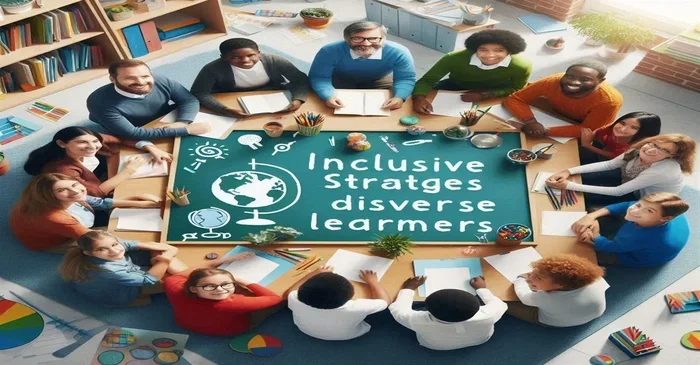
National Special Education Day is celebrated on December 2nd every year. It is a day to honor the progress made in special needs education and to recognize the dedication of special education teachers and advocates. This day reminds us that educational equity and inclusive classrooms are essential for every learner.
Key Takeaways
- December 2nd is National Special Education Day: This annual observance highlights the importance of inclusive education and support for students with learning differences.
- The day has a rich history: It grew from the passage of landmark laws that guaranteed educational rights for students with disabilities.
- Special education teachers deserve recognition: These professionals work tirelessly to create adaptive learning environments and provide special needs support every single day.
- You can make a difference: Simple actions like volunteering, sharing stories, and supporting special education programs help raise special education awareness.
- Progress is ongoing: While special education laws have improved outcomes, challenges remain in achieving true educational equity for all.
- Community involvement matters: Parents, educators, and advocates must work together to build stronger inclusive classrooms and expand special education resources.
📑 Table of Contents
When Is National Special Education Day?
The Official Date and What It Represents
National special education day is observed every year on December 2nd. This date gives us a dedicated moment to pause and reflect on the role that inclusive education plays in our schools and communities. It is not just another mark on the calendar. It is a meaningful reminder that every child deserves a fair shot at learning, growing, and thriving.
The day brings attention to the millions of students who navigate learning differences and learning disabilities each day. It also honors the systems, programs, and dedicated people who make special needs education possible. From classroom aides and therapists to policy makers and advocates, many hands work behind the scenes to build a better future for students with disabilities.
If you have ever wondered what this day is all about or why it exists, you are in the right place. Below, we walk through the history, the reasons it matters, and the many ways you can get involved. You will learn what makes this day so important and how you can be part of the celebration.
The History Behind National Special Education Day
How It All Started
The story of national special education day begins with a much bigger story: the fight for disability rights in education. For much of modern history, students with disabilities were often excluded from schools entirely. Many were denied access to classrooms simply because of their physical, emotional, or cognitive conditions. Families had little recourse and few options for their children.
That began to change in the mid-20th century. Advocates, parents, and civil rights organizations started pushing for laws that would protect the right to learn. Their efforts led to major breakthroughs that transformed the American education system. These breakthroughs set the stage for what we now celebrate each December 2nd. The journey was long and hard, but it was worth every step.
Key Milestones in Special Education
Several key moments shaped the path of special education history. Here are some of the most important milestones:
- 1975 – Education for All Handicapped Children Act: This landmark law, later renamed the Individuals with Disabilities Education Act (IDEA), required public schools to provide free and appropriate education to all children with disabilities. It was a game changer that opened doors for millions of young learners who had been shut out for far too long.
- 1990 – IDEA Reauthorization: The law was updated to include more specific protections. It also replaced outdated and hurtful language with more respectful terms. This shift helped reduce stigma and made inclusive classrooms more welcoming for everyone.
- December 2, 1990 – The First National Special Education Day: This date was chosen to honor the signing of IDEA into law. It became an annual reminder of how far we have come and how much work still lies ahead in the journey toward full educational equity.
Each of these milestones built on the last. Together, they created a strong foundation for special education programs that now serve millions of students across the country. Without the courage of those early advocates, the landscape of education would look very different today.
Why National Special Education Day Matters
Raising Awareness for Learning Differences
One of the biggest reasons this day matters is that it raises special education awareness. Many people still do not fully understand what special needs education involves. They may not know how many students rely on individualized education programs (IEPs) to succeed in school and beyond. Misconceptions about learning disabilities can lead to stigma and missed opportunities.
When we talk openly about learning differences, we break down barriers. We replace fear and misunderstanding with empathy and support. This day gives us a platform to do exactly that. It encourages honest conversations that help communities grow more accepting and informed.
Idioms and phrases about education often reflect how deeply society values learning. Idioms for education like “a sound education” or “the basics of learning” show how central school is to our culture. When we add special education to that conversation, we make the picture more complete and more honest. Language shapes perception, and the right words can help build a more inclusive world for everyone.
Honoring Special Education Teachers and Staff
Special education teachers do some of the most demanding and rewarding work in the entire education system. They adapt lessons, manage adaptive learning tools, and build trust with students who need extra patience and care. Their daily work goes far beyond what most people realize. These professionals bring patience, creativity, and deep commitment to every single day.
These professionals often work with small groups or one-on-one with students. They create individualized education programs (IEPs) tailored to each student’s unique needs and goals. They also collaborate closely with parents, therapists, and general education teachers to ensure every child gets the right level of support at the right time. The coordination required is immense, yet it is often invisible to those outside the system.
It is no easy job. Yet many special education teachers go above and beyond without receiving the recognition they truly deserve. National Special Education Day is a chance to say thank you. It is a day to let these heroes know their hard work and dedication do not go unnoticed. Their impact lasts a lifetime for every student they touch.
You might also think about how language honors the people who make a difference in our lives. Idioms for someone special remind us to cherish the teachers, aides, and advocates who show up every day with heart and commitment. Special education professionals are exactly that kind of person. They deserve our deepest respect and gratitude.
How You Can Celebrate and Show Support
Simple Ways to Get Involved
You do not need to be a teacher or a policy maker to make a difference. There are many simple and meaningful ways to observe this day. Here are some practical ideas you can try:
- Volunteer at a local school: Offer your time to a special education classroom. Even a few hours can make a real impact on students and staff alike. Your presence shows that the community cares.
- Donate to special education causes: Many organizations provide special education resources to schools and families in need. A small donation can help buy assistive tools, books, or technology that students rely on every day.
- Attend a local event: Schools and community centers often host events on this day. Check your local listings and show your support in person. Your presence sends a powerful message of solidarity.
- Start a conversation: Talk to friends, family, or coworkers about special education awareness. Share what you have learned and encourage others to get involved in their own communities.
Spreading the Word on Social Media
Social media is a powerful tool for raising special education advocacy and reaching audiences you might not otherwise reach. A single post can spark conversations that lead to real change. Here is how you can use social media effectively:
- Share a personal story: If you or someone you know has been touched by special needs education, share that story. Personal stories create emotional connections that facts and figures alone cannot achieve.
- Use the right hashtags: Try hashtags like #NationalSpecialEducationDay, #SpecialEducationMatters, and #InclusiveEducation to join the broader conversation and connect with others who care.
- Share facts and statistics: Post infographics or short facts about students with disabilities and the importance of educational equity. Facts help people understand the bigger picture and the real needs that exist today.
- Thank a teacher publicly: Take a moment to publicly recognize a special education teacher or aide who has made a difference in your life or your child’s life. A little recognition goes a long way toward making someone feel valued.
Every share, like, and comment helps spread the message. When you use creative language like similes for education in your posts, you add a thoughtful and engaging touch that can capture attention and start meaningful conversations about inclusive education. Creativity makes advocacy memorable.
The State of Special Education Today
Progress and Challenges
We have made great strides in special needs education over the past few decades. More students than ever receive the support they need to succeed. Inclusive classrooms are becoming more common across the country, and special education programs continue to grow and improve in quality and reach. The progress is real and worth celebrating.
However, challenges remain. Many schools still face significant funding gaps that limit what they can offer. Some students with disabilities do not have access to the same quality of education as their peers. Special education teachers are often overworked and underpaid, leading to high burnout rates and staff shortages. And not every community has the special education resources needed to fully support every learner who walks through the door.
This is exactly why days like this matter. They remind us that the work is not done. Special education advocacy must continue every single day, not just on December 2nd. Awareness must turn into action, and action must lead to lasting change. We cannot afford to be complacent when so much is still at stake for millions of young learners.
The Role of Parents and Communities
Parents and communities play a huge role in the success of special education programs. When families are engaged, informed, and empowered, outcomes improve for everyone. Here are a few ways parents can stay actively involved:
- Learn about IEPs: Understanding individualized education programs (IEPs) helps parents advocate effectively for their children. Knowledge truly is power when it comes to navigating the education system and securing the best possible support.
- Join support groups: Connecting with other parents who face similar challenges can provide emotional support and practical advice. You are not alone in this journey, and shared experiences build strength and resilience.
- Attend school board meetings: Your voice matters. Speaking up at meetings helps ensure that special education laws are followed and that funding priorities are set fairly and with students in mind.
- Build community partnerships: Local organizations, libraries, and businesses can all support inclusive education in meaningful ways. Working together creates a stronger network of special needs support for every child in the neighborhood.
When parents, teachers, and community members work as a team, the entire system becomes stronger. Educational equity is a team effort, and everyone has a role to play in making it a reality. No single person can do it all, but together we can move the needle.
Looking Ahead: The Future of Special Education
What Changes Are Needed
The future of special education depends on the choices we make today. Here are some changes that could make a real and lasting difference:
- Better funding for schools: Adequate funding ensures that special education teachers have the tools, training, and support they need to do their best work. No child should be left behind simply because of a budget shortfall or an underserved district.
- More training for general education teachers: Many teachers work alongside special education staff but may not feel fully prepared. Better training helps build truly inclusive classrooms where all students can thrive and feel valued as equal members of the learning community.
- Expanded special education resources: From assistive technology to counseling services, more resources mean better outcomes for students with disabilities and their families. Investment in resources is an investment in every child’s future potential.
- Stronger disability rights protections: Continued advocacy is needed to protect and strengthen the laws that guarantee every child the right to a quality and meaningful education regardless of their abilities or background.
None of these changes happen overnight. But each small step forward counts. Special education awareness fuels progress, and days like National Special Education Day help keep the momentum going strong. Change is built one day at a time, one conversation at a time, one action at a time.
How Advocacy Makes a Difference
Advocacy is at the heart of every major improvement in special needs education over the past several decades. When people speak up, policies change. When communities rally together, schools transform for the better. The power of collective voice should never be underestimated.
You do not need to be an expert or a professional to be an advocate. Simply sharing information, supporting special education programs, and treating every student with respect and dignity are all forms of advocacy. These small acts add up to big change over time. Every voice matters, and every action counts toward building a more just and inclusive system.
Final Thoughts
National Special Education Day is more than just a date on the calendar. It is a call to action. It reminds us that inclusive education is not a luxury or an afterthought. It is a right that every student deserves to have fully respected and protected in every school and every community.
From the history of landmark laws to the everyday heroism of special education teachers, this day celebrates how far we have come. It also challenges us to keep pushing forward with courage, compassion, and commitment. Educational equity, adaptive learning, and special needs support must remain priorities for all of us in the years to come.
So on December 2nd, take a moment. Learn something new. Share a story. Thank a teacher. Or simply take a moment to reflect on how you can contribute to a more inclusive and welcoming world. Every effort counts, and every voice matters in the ongoing journey toward special education awareness and true educational equity for all students, everywhere.
Frequently Asked Questions
What is National Special Education Day?
National Special Education Day is an annual observance held on December 2nd. It celebrates the progress made in special needs education and raises awareness about the importance of inclusive education for all students, including those with learning disabilities and learning differences.
When is National Special Education Day celebrated?
It is celebrated every year on December 2nd. This date was chosen to honor the signing of the Individuals with Disabilities Education Act (IDEA) in 1990, which marked a turning point in special education history and disability rights in the United States.
Why is special education important?
Special education ensures that students with disabilities receive the tailored support they need to succeed. Through individualized education programs (IEPs) and adaptive learning strategies, special education teachers help each student reach their full potential. It promotes educational equity and gives every child a fair chance to learn and grow.
How can I support special education in my community?
You can volunteer at local schools, donate to organizations that provide special education resources, attend community events, or simply start conversations about special education awareness. Supporting special education advocacy and thanking special education teachers are also powerful ways to make a difference.
What is the Individuals with Disabilities Education Act (IDEA)?
IDEA is a landmark special education law passed in 1975 that guarantees free and appropriate public education to all children with disabilities. It requires schools to create individualized education programs (IEPs) for each eligible student and ensures that students with disabilities receive the support they need in the least restrictive environment possible.
What are some ways to celebrate National Special Education Day?
You can celebrate by volunteering in a classroom, sharing stories on social media with hashtags like #NationalSpecialEducationDay, donating to special education causes, or attending local events. You can also use the day to learn more about inclusive classrooms and advocate for stronger special education programs in your area.


