
What education do you need to be a meteorologist? A bachelor’s degree in meteorology or atmospheric science is the minimum requirement, but many professionals pursue advanced degrees and certifications to advance their careers. This guide covers every step of the educational journey, from high school preparation to specialized training and professional development.
Have you ever wondered what education do you need to be a meteorologist? It is a great question, and the answer is more detailed than you might think. Becoming a meteorologist involves a solid foundation in science, math, and technology. The journey starts early, often in high school, and continues through college and beyond. If you love weather and want to turn that passion into a career, this guide has everything you need.
The path to becoming a meteorologist is not one-size-fits-all. Some people enter the field with a bachelor’s degree and build a successful career. Others go on to earn master’s or doctoral degrees for research or teaching roles. No matter which route you choose, the right education gives you the skills to analyze weather data, create forecasts, and understand complex atmospheric patterns. Let us break down each step so you know exactly what to expect.
Key Takeaways
- A bachelor’s degree is essential: Most meteorology positions require at least a four-year degree in meteorology or atmospheric science.
- Math and physics matter: Strong foundations in calculus, physics, and computer science are critical for success in this field.
- Advanced degrees open doors: Graduate degrees lead to research, teaching, and specialized roles in weather analysis and climate science.
- Certifications boost your career: Professional credentials from the American Meteorological Society can set you apart from other candidates.
- Internships provide real-world experience: Hands-on training during your studies is one of the best ways to build practical skills and industry connections.
- Multiple career paths exist: From broadcast meteorology to atmospheric research, your education can lead to diverse and rewarding roles.
📑 Table of Contents
- What Does a Meteorologist Do?
- High School Preparation for a Meteorology Career
- Bachelor’s Degree in Meteorology or Atmospheric Science
- Advanced Degrees: Master’s and Doctoral Programs
- Certifications and Professional Development
- Career Paths After Your Education
- Common Mistakes to Avoid in Your Education Planning
- Expert Insights on Meteorology Education
- Final Thoughts
What Does a Meteorologist Do?
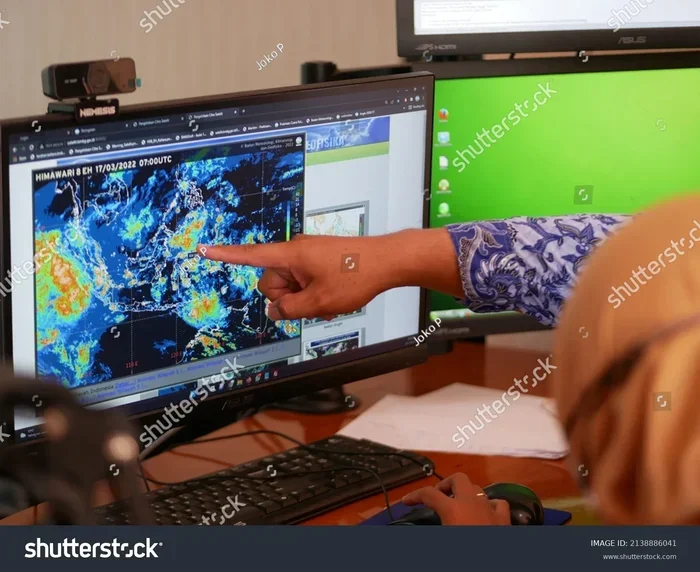
Before diving into the education details, it helps to understand the job itself. A meteorologist studies the atmosphere to predict weather patterns and understand climate trends. They use advanced tools, computer models, and data analysis to create forecasts. Some meteorologists work on TV, explaining the weather to the public. Others work behind the scenes for government agencies, airlines, or research teams.
Here are some common tasks a meteorologist handles:
- Analyzing weather data from satellites and radar systems
- Creating short-term and long-range forecasts
- Studying climate patterns and atmospheric changes
- Developing weather models using advanced software
- Communicating forecasts to the public or specific industries
- Conducting research on severe weather events like hurricanes and tornadoes
The work requires sharp analytical skills and a deep understanding of atmospheric science. It also demands strong communication abilities. Many meteorologists use similes and metaphors to explain complex weather concepts to everyday audiences. If you are curious about how language plays a role in science communication, you might enjoy exploring similes for education to see how comparisons make learning easier.
High School Preparation for a Meteorology Career
You do not have to wait for college to start preparing. High school is the perfect time to build a strong foundation. The courses you take now will set you up for success in a meteorology degree program later on.
Focus on Math and Science
Math is the backbone of meteorology. You should take as many math courses as possible, especially algebra, geometry, and calculus if your school offers them. Physics is equally important. It teaches you how energy, motion, and forces work in the atmosphere. Chemistry also helps you understand atmospheric composition and reactions.
Build Your Computer Skills
Modern meteorology relies heavily on computers. You will use software to process data, run weather models, and create visual forecasts. Taking computer science or信息技术 classes in high school gives you a head start. Learning programming languages like Python or MATLAB is a huge bonus.
Develop Your Communication Skills
Many people overlook this, but communication is vital for meteorologists. You will need to explain complex weather ideas clearly. This is where understanding figurative language helps. Metaphors and idioms make scientific concepts more relatable. If you want to learn more about how these tools work in education, check out metaphors for education and idioms for education on our site.
Extra Steps to Get Ahead
Consider joining a science club or weather-related group. Some schools have meteorology or earth science clubs. You can also participate in science fairs with weather-related projects. Reading books and watching documentaries about weather helps build your curiosity. Every bit of extra knowledge counts.
Bachelor’s Degree in Meteorology or Atmospheric Science
This is the most important step in your education. A bachelor’s degree is the minimum requirement for most meteorology jobs. It typically takes four years to complete if you attend full-time. During this time, you will dive deep into atmospheric science, weather analysis, and climate studies.
What Courses Will You Take?
A typical meteorology degree program includes a mix of science, math, and technology courses. Here are some common classes you can expect:
- Atmospheric thermodynamics
- Dynamic meteorology
- Physical meteorology
- Weather analysis and forecasting
- Climatology and climate change
- Radar and satellite meteorology
- Computational methods in meteorology
- Air quality and pollution
You will also take general education courses in English, social sciences, and humanities. These help you become a well-rounded communicator. The math requirements are rigorous. Expect to study calculus, differential equations, and linear algebra. Physics courses cover fluid dynamics, thermodynamics, and electromagnetism.
Choosing the Right Program
Not all meteorology programs are the same. Look for universities that offer a dedicated degree in meteorology or atmospheric science. Accreditation matters. Programs accredited by the American Meteorological Society (AMS) meet high standards. Some well-known schools for meteorology include Penn State, the University of Oklahoma, and Colorado State University.
Consider location when choosing a program. Schools in regions with diverse weather patterns give you more opportunities for hands-on learning. Coastal schools may focus on hurricane forecasting. Mountain schools might specialize in mountain weather and snowfall prediction.
The Importance of Internships
Internships are a game-changer during your bachelor’s studies. They give you real-world experience and help you build professional connections. Many weather forecast offices, TV stations, and research labs offer summer internship programs. Some students intern at the National Weather Service or private forecasting companies. These experiences look great on your resume and give you a competitive edge in the job market.
Advanced Degrees: Master’s and Doctoral Programs
While a bachelor’s degree can get you started, many meteorologists choose to pursue graduate education. Advanced degrees open up specialized career paths and higher earning potential. Let us look at what each level offers.
Master’s Degree in Meteorology
A master’s degree typically takes two years to complete after earning your bachelor’s. It allows you to specialize in a specific area of meteorology. Popular specializations include severe weather research, climate modeling, and air quality science. Many research positions and senior forecasting roles prefer or require a master’s degree.
During a master’s program, you will conduct original research. You might work on improving forecasting models or studying the impacts of climate change. This degree gives you deeper expertise and shows employers you are committed to the field.
Doctoral Degree (Ph.D.) in Atmospheric Science
A Ph.D. is the highest level of education in meteorology. It usually takes four to six years beyond a bachelor’s degree. This path is ideal for people who want to lead research projects, teach at universities, or work in high-level government positions.
Ph.D. candidates spend most of their time conducting original research. You will write and defend a dissertation based on your findings. This degree positions you as an expert in your chosen area of atmospheric science.
Which Degree Do You Really Need?
The answer depends on your career goals. If you want to work as a broadcast meteorologist or a forecaster for a private company, a bachelor’s degree is usually enough. If you want to do research, teach at a university, or work for a federal agency, a graduate degree becomes much more valuable. Think about where you want to be in five to ten years and plan accordingly.
Certifications and Professional Development
Education does not stop after you earn your degree. The meteorology field evolves constantly with new technology and research. Staying current through certifications and professional development is essential for long-term career growth.
American Meteorological Society Certifications
The AMS offers several professional certifications. The Certified Broadcast Meteorologist (CBM) credential is especially popular for TV weather presenters. It demonstrates that you meet high standards for weather communication and scientific knowledge. Other certifications include the Certified Consulting Meteorologist (CCM) for those working in private practice.
Continuing Education Opportunities
Many meteorologists attend conferences, workshops, and training sessions throughout their careers. The AMS Annual Meeting is a major event where professionals share new research and techniques. Online courses and webinars also help you stay updated on the latest forecasting tools and climate science developments.
Specialized Training Programs
Some meteorologists pursue additional training in specific areas. For example, those working in aviation weather may complete specialized courses through the Federal Aviation Administration. Fire weather forecasters often train with wildland fire agencies. These extra credentials make you more versatile and valuable in the job market.
Career Paths After Your Education
Once you complete your education, many exciting career paths open up. Meteorology is a diverse field with options for different interests and skill sets. Here are some of the most common career paths.
Broadcast Meteorologist
Broadcast meteorologists work for TV and radio stations, presenting weather forecasts to the public. They need strong communication skills and a confident on-camera presence. A bachelor’s degree in meteorology is typically required, and many broadcasters also pursue the CBM certification.
Operational Meteorologist
Operational meteorologists work for organizations like the National Weather Service, the military, or private forecasting companies. They analyze real-time weather data and issue forecasts and warnings. This role often involves shift work, including nights and weekends, especially during severe weather events.
Research Meteorologist
Research meteorologists work at universities, government labs, or private research organizations. They study atmospheric phenomena, develop new forecasting models, and publish their findings. Advanced degrees are typically required for research positions.
Climate Scientist
Climate scientists focus on long-term weather patterns and climate change. They analyze historical data, run climate models, and study the impacts of global warming. This career path often requires a graduate degree and strong skills in data analysis and environmental science.
Private Sector Meteorologist
Many meteorologists work for private companies in industries like agriculture, energy, transportation, and insurance. These professionals help businesses make decisions based on weather forecasts. For example, energy companies hire meteorologists to predict demand for heating and cooling. Agricultural firms use weather data to plan planting and harvest schedules.
Common Mistakes to Avoid in Your Education Planning
Planning your education path can be tricky. Here are some common mistakes students make and how to avoid them.
- Skipping math courses: Meteorology is math-heavy. Avoiding calculus or physics will make your college coursework much harder.
- Choosing the wrong major: Some students major in general science instead of meteorology or atmospheric science. Stick to a focused program when possible.
- Ignoring communication skills: Technical knowledge is important, but you also need to explain weather clearly to others.
- Skipping internships: Internships give you practical experience that textbooks cannot provide. Take advantage of every opportunity.
- Waiting too long to pursue certifications: Early certification can boost your resume and show employers your commitment to the field.
Expert Insights on Meteorology Education
We spoke with several working meteorologists about their educational journeys. Their advice highlights the importance of a strong foundation and continuous learning.
Dr. Sarah Chen, Atmospheric Researcher: “I wish I had taken more computer science courses in college. The technology side of meteorology is growing fast, and coding skills are now essential for most research roles.”
Mark Torres, Broadcast Meteorologist: “Communication is just as important as science. You need to make weather understandable and engaging for your audience. Practice explaining complex concepts in simple terms every chance you get.”
Dr. James Walker, Climate Scientist: “A graduate degree was the best investment I made. It opened doors to research positions I never could have accessed with just a bachelor’s degree. If you love science and want to push the boundaries of what we know, go for it.”
Final Thoughts
So, what education do you need to be a meteorologist? The short answer is a bachelor’s degree in meteorology or atmospheric science. But the full picture is much richer. Your journey starts with math and science in high school, continues through a rigorous college program, and may extend into graduate studies and professional certifications. Every step builds on the last, preparing you for a career that is both challenging and incredibly rewarding.
The field of meteorology offers something for everyone. Whether you want to stand in front of a camera explaining the weekend forecast, conduct cutting-edge research on climate change, or help farmers plan their growing seasons, the right education gets you there. Start building your foundation today, stay curious, and embrace every learning opportunity that comes your way. The sky is not the limit, it is just the beginning.
Frequently Asked Questions
What degree do you need to become a meteorologist?
A bachelor’s degree in meteorology or atmospheric science is the minimum requirement for most meteorology jobs. Some positions, especially in research or teaching, may require a master’s or doctoral degree. The right degree gives you the scientific knowledge and technical skills needed for weather analysis and forecasting.
Can I become a meteorologist with a degree in a related field?
It is possible, but it is not the most common path. Some meteorologists have degrees in physics, mathematics, or environmental science and then pursue specialized training or a graduate degree in meteorology. A dedicated meteorology or atmospheric science degree gives you the most direct and comprehensive preparation for the field.
How long does it take to become a meteorologist?
A bachelor’s degree takes about four years. If you pursue a master’s degree, add two more years. A doctoral degree can take an additional four to six years beyond the bachelor’s. The timeline depends on your career goals and the level of specialization you want to achieve.
Do meteorologists need strong math skills?
Yes, math is a core part of meteorology. You will use calculus, differential equations, and statistics regularly. Physics is equally important because it helps you understand how the atmosphere behaves. Strong math and science skills in high school make the college coursework much more manageable.
Is certification required to work as a meteorologist?
Certification is not always required, but it can significantly boost your career. The American Meteorological Society offers credentials like the Certified Broadcast Meteorologist (CBM) and Certified Consulting Meteorologist (CCM). These certifications demonstrate expertise and professionalism, making you more competitive in the job market.
What is the job outlook for meteorologists?
The job outlook for meteorologists is positive, with growing demand in weather forecasting, climate research, and environmental consulting. As extreme weather events become more frequent, the need for skilled meteorologists continues to increase. Advanced education and specialized training improve your chances of landing the best positions in the field.
=== CONCLUSION ===
Becoming a meteorologist requires dedication, strong academic preparation, and a genuine passion for understanding the atmosphere. The education you need starts with a solid high school foundation in math, science, and communication. From there, a bachelor’s degree in meteorology or atmospheric science is the essential first step. Advanced degrees and professional certifications can take your career even further, opening doors to research, teaching, and specialized forecasting roles.
Remember, the journey does not end with a diploma. The weather is always changing, and so is the science behind it. Continuous learning, internships, and professional development keep you sharp and competitive throughout your career. Whether you dream of predicting hurricanes, studying climate change, or bringing weather forecasts to your community, the right education gives you the tools to succeed. Start planning your path today, and let your curiosity about the atmosphere guide you every step of the way.


