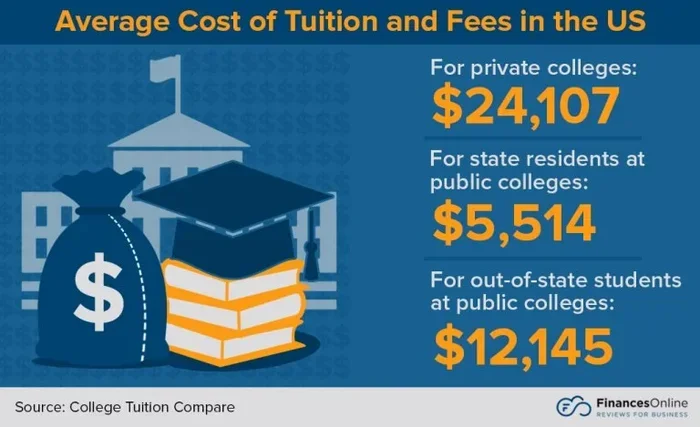
A qualified education expense is any cost that meets IRS rules for tax benefits like credits and deductions. These include tuition, fees, course materials, and certain room and board costs. Understanding these expenses helps you save money, maximize tax breaks, and plan smarter for your education journey.
Paying for education can feel like a never-ending puzzle. Between tuition, books, and housing costs, the bills pile up fast. But here is the good news. The IRS lets you claim certain costs as qualified education expenses on your tax return. This means you can lower your tax bill or even get money back through credits and deductions.
So what exactly counts? And why does it matter so much? Let us break it all down in simple terms. Whether you are a college student, a parent saving for your child, or someone heading back to school, this guide has you covered. You will learn what qualifies, what does not, and how to make the most of every dollar you spend on learning.
Understanding qualified education expenses is one of the smartest financial moves you can make. It connects directly to tax benefits, savings plans, and smart budgeting. Think of it as your roadmap to keeping more of your hard-earned money while investing in your future.
Key Takeaways
- Tuition and fees are the most common qualified education expenses recognized by the IRS.
- Course materials like books, supplies, and equipment can also qualify under specific conditions.
- 529 plans and education tax credits like the American Opportunity Tax Credit reward these expenses.
- Room and board may qualify only under certain programs and enrollment statuses.
- Tracking expenses carefully ensures you don’t miss out on valuable tax savings.
📑 Table of Contents
- What Exactly Is a Qualified Education Expense?
- Tuition and Fees: The Core of Qualified Expenses
- Course Materials and Supplies That Qualify
- Room and Board: When Does It Qualify?
- Tax Benefits That Reward Qualified Expenses
- Common Mistakes People Make With Education Expenses
- Quick Tips to Maximize Your Education Tax Benefits
- Final Thoughts
What Exactly Is a Qualified Education Expense?
A qualified education expense is any cost that the Internal Revenue Service (IRS) recognizes as eligible for tax benefits. These benefits include education tax credits, deductions, and tax-free withdrawals from accounts like 529 plans. The IRS sets clear rules about which costs qualify and which do not.
The definition depends on the specific tax benefit you are using. For example, the American Opportunity Tax Credit has slightly different rules than the Lifetime Learning Credit. Similarly, 529 plans cover a broader range of costs than traditional itemized deductions. But the core idea stays the same. These are expenses tied directly to your education or your child’s education.
Why the IRS Cares About These Expenses
The government wants to encourage people to pursue higher education. Studies show that higher education costs can be a major barrier for many families. By offering tax breaks for deductible education expenses, the IRS helps reduce that burden. It is a win-win. You get financial relief, and society benefits from a more educated workforce.
Education also boosts earning potential over a lifetime. When you invest in learning, you open doors to better careers and higher income. The IRS recognizes this value. That is why they created specific rules to support taxpayers who invest in their own education or their dependents’ education.
Tuition and Fees: The Core of Qualified Expenses
Tuition is the biggest and most obvious qualified education expense. Every college student knows the weight of that tuition bill. But the IRS is specific about what counts. You can claim tuition payments made to an eligible education institution. This includes accredited colleges, universities, vocational schools, and even some trade schools.
Fees are a different story. Not all fees qualify. The IRS generally allows you to include mandatory fees that are part of your enrollment. Think of things like activity fees or technology fees that every student must pay. Optional fees, like a gym membership or a parking pass, usually do not count.
What Counts as Tuition
- Payment to a degree-granting college or university
- Tuition at a technical or vocational school
- Fees required for enrollment or attendance
- Student activity fees that are mandatory
- Costs paid directly to the institution
What Does Not Count
- Room and board (in most cases)
- Transportation costs to and from school
- Insurance premiums
- Medical expenses
- Personal living expenses
One important tip. Always pay tuition directly to the school. When you pay the institution directly, it is much easier to document the expense. Keep receipts, invoices, and payment confirmations. These records will save you a lot of headaches during tax season.
Course Materials and Supplies That Qualify
Many people overlook the fact that course materials can be a qualified education expense. Books, supplies, and equipment required for your courses often count. But there is a catch. The materials must be required by your school or necessary for coursework.
For example, if your professor assigns a specific textbook, that book qualifies. If you buy a laptop because your program requires one for coursework, that can also count. The key word is “required.” Optional purchases, even if they seem school-related, usually do not qualify.
Books and Textbooks
Required textbooks are one of the most straightforward qualifying education expenses. The IRS considers books purchased from the campus bookstore or an approved vendor as eligible. However, you must be enrolled at least half-time for certain tax credits to apply.
Here is a quick tip. Always keep your bookstore receipts and check your course syllabus. The syllabus lists required materials, and that list becomes your proof if the IRS ever asks. It is a simple habit that pays off big time.
Supplies and Equipment
Supplies like notebooks, pens, and calculators are generally eligible. More expensive equipment, such as computers or software, can also qualify if your school requires them for coursework. Some programs even require specific software licenses or lab equipment.
Just remember. The expense must be directly tied to your academic program. Buying a new tablet for personal use, even if you are a student, does not count. But buying a tablet because your engineering program requires design software? That is a different story entirely.
Room and Board: When Does It Qualify?
Room and board is one of the trickiest areas when it comes to higher education costs. In most cases, housing and meal plan costs do not qualify as qualified education expenses for tax credits. However, there are exceptions depending on the program and your enrollment status.
The IRS is clear on this point for most tax credits. Room and board is typically considered a personal living expense, not an education expense. But if you are using a 529 plan, the rules expand. 529 plans can cover room and board for students who are enrolled at least half-time.
529 Plan Rules for Room and Board
A 529 plan is a tax-advantaged savings account designed to pay for education costs. When it comes to housing, 529 plans are more flexible. You can use 529 funds for:
- On-campus housing costs
- Off-campus housing up to the school’s allowance
- Board or meal plan costs
- Rent for students enrolled at least half-time
The school determines the maximum amount it considers for room and board. This number is usually listed in the cost of attendance. If you spend more than that amount, the excess does not qualify for tax-free 529 withdrawals. Keep this in mind when budgeting for housing.
Tax Benefits That Reward Qualified Expenses
Knowing what qualifies is only half the battle. The real power comes from using those expenses to claim tax benefits. The IRS offers several programs designed to reward education-related costs. Let us look at the most popular ones.
American Opportunity Tax Credit (AOTC)
The AOTC is one of the most valuable education tax credits available. It offers up to $2,500 per year for the first four years of undergraduate education. To qualify, you must be enrolled at least half-time and pursuing a degree or certificate.
The AOTC covers tuition, fees, and course materials. It is a partially refundable credit, which means you can get up to $1,000 back even if you owe no taxes. This makes it incredibly powerful for students and families with lower tax burdens.
Lifetime Learning Credit
The Lifetime Learning Credit is more flexible but less generous. It offers up to $2,000 per tax return. Unlike the AOTC, it does not limit you to four years of study. You can use it for undergraduate, graduate, or even professional development courses.
The Lifetime Learning Credit covers tuition and fees required for enrollment. It does not include room and board or course materials. This is a key difference to keep in mind when planning which credit to claim.
529 Plan Withdrawals
A 529 plan offers the broadest coverage of education savings plans. Qualified withdrawals are completely tax-free as long as you use the funds for eligible expenses. These include tuition, fees, room and board (for half-time students), books, and supplies.
The beauty of a 529 plan is its flexibility. You can use it for a wide range of eligible education expenses across different levels of education. From community college to graduate school, 529 plans have you covered.
Common Mistakes People Make With Education Expenses
Even careful taxpayers make mistakes when claiming education expenses. These errors can lead to audits, denied claims, or missed savings. Let us look at the most common pitfalls and how to avoid them.
Claiming Expenses That Do Not Qualify
The biggest mistake is claiming costs that the IRS does not recognize. Transportation, health insurance, and personal expenses are frequent offenders. Always double-check the IRS guidelines before claiming any expense. When in doubt, consult a tax professional.
Failing to Keep Records
Documentation is everything. If the IRS questions your claim, you need receipts, invoices, and proof of payment. Many taxpayers learn this the hard way. Start a dedicated folder for all education-related expenses at the beginning of each academic year.
Mixing Personal and Education Expenses
This one is tricky. When you buy a laptop, is it for school or personal use? The IRS expects you to allocate expenses correctly. If you use a computer 70% for school and 30% for personal use, you can only claim 70% of the cost. Be honest and precise in your calculations.
Ignoring the Half-Time Enrollment Rule
Many tax credits require at least half-time enrollment. If you drop below that threshold, you may lose eligibility. Check with your school’s registrar to confirm your enrollment status. This one detail can make or break your tax benefits.
Quick Tips to Maximize Your Education Tax Benefits
Want to get the most out of your education-related costs? Here are some practical tips that make a real difference:
- Start tracking early. Keep a spreadsheet or app dedicated to education expenses from day one.
- Pay institutions directly. This simplifies documentation and reduces confusion.
- Know your credit limits. The AOTC is for the first four years only. Plan ahead for years beyond that.
- Use a 529 plan strategically. Coordinate 529 withdrawals with other tax benefits to avoid double-dipping.
- Talk to a tax advisor. Education tax rules are complex. A professional can help you find savings you might miss.
These simple habits can save you hundreds or even thousands of dollars each year. The key is consistency and attention to detail. Small actions add up to big results over time.
For more on how education language shapes our understanding of learning, check out these similes for education and metaphors for education that bring learning concepts to life.
Final Thoughts
A qualified education expense is more than just a line item on your tax return. It is a gateway to financial relief and smarter planning. When you understand what qualifies, you unlock tax credits, deductions, and savings that make education more affordable.
The rules may seem complex at first. But once you grasp the basics, everything clicks. Tuition and mandatory fees are the foundation. Course materials expand your eligible costs. Room and board qualifies under specific programs like 529 plans. And tax credits like the AOTC and Lifetime Learning Credit reward your efforts.
Take control of your education finances today. Track your expenses, keep your records, and explore every available benefit. Your future self will thank you. After all, investing in education is one of the best investments you can make. And with the right knowledge, you can make that investment work harder for you.
Remember, every dollar you spend on qualifying education expenses is a dollar that can work for you. Do not leave money on the table. Start planning, start tracking, and start saving now.
Frequently Asked Questions
What qualifies as a qualified education expense?
Tuition, mandatory fees, required course materials, and certain equipment qualify. Room and board may qualify under 529 plans for half-time students. The IRS sets specific rules for each tax benefit, so always verify before claiming.
Can I claim education expenses if I am not a full-time student?
It depends on the benefit. The American Opportunity Tax Credit requires at least half-time enrollment. The Lifetime Learning Credit has no minimum enrollment requirement. 529 plans are the most flexible option for part-time students.
Do online courses count as qualified education expenses?
Yes, if the online course is from an eligible institution and the costs are required for enrollment. Tuition, fees, and course materials for online programs qualify just like traditional on-campus expenses.
What is the difference between a 529 plan and an education tax credit?
A 529 plan is a savings account that grows tax-free and withdrawals are tax-free for eligible expenses. A tax credit reduces the amount of tax you owe. They serve different purposes and can sometimes be used together, but coordination is important.
Are student loan payments considered qualified education expenses?
Student loan interest can be deducted on your tax return, but loan payments themselves are not considered qualified education expenses. The deduction applies to the interest portion of your payment, up to certain limits.
What happens if I use 529 funds for non-qualified expenses?
Non-qualified withdrawals from a 529 plan are subject to income tax and a 10% penalty on the earnings portion. Always verify that your expenses qualify before withdrawing from a 529 account to avoid unnecessary costs.